
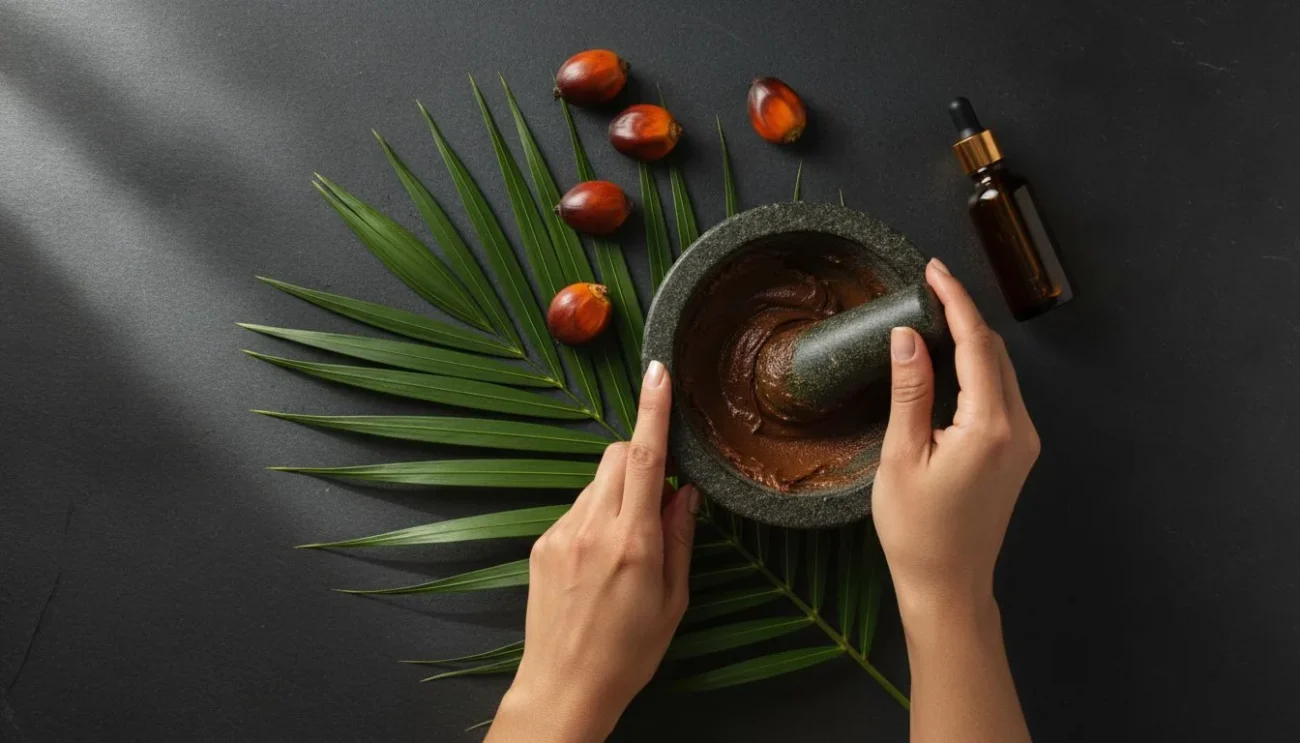
Most commercial hair treatments fail because they prioritize shelf life over biological activity. You’ve likely spent significant resources on “natural” products only to find them diluted with synthetic fillers that leave your hair brittle and thinning. It’s a common frustration to watch your hair lose its vitality despite a dedicated routine. A truly effective batana oil hair mask recipe requires more than just mixing ingredients; it demands an uncompromising commitment to raw, unrefined sourcing and precise botanical synergy.
We’re here to bridge the gap between traditional Honduran wisdom and professional botanical science. You’ll learn to craft high-potency treatments that deliver deep restoration directly to the hair shaft. This guide explores how to identify authentic, ethically sourced oils and how to blend them with specific botanical extracts for maximum strength. We’ll examine the precise methods needed to achieve thicker, stronger hair without the compromise of modern chemical shortcuts. From sourcing unrefined Honduran oil to mastering temperature-controlled blending, you’re about to transform your hair care into a professional-grade ritual.
Key Takeaways
- Understand the biological potency of unrefined Elaeis oleifera oil, specifically its high concentration of tocotrienols and carotenoids for follicle stimulation.
- Learn to distinguish authentic, smoky-scented Honduran Batana from refined, nutrient-depleted alternatives that compromise restorative results.
- Master a professional batana oil hair mask recipe that utilizes botanical synergy to repair structural damage and enhance hair thickness.
- Discover how to calibrate your treatment frequency based on hair porosity and damage levels to ensure optimal lipid uptake without weighing down fine strands.
The Science of Restoration: Why Batana Oil is the Ultimate Mask Base
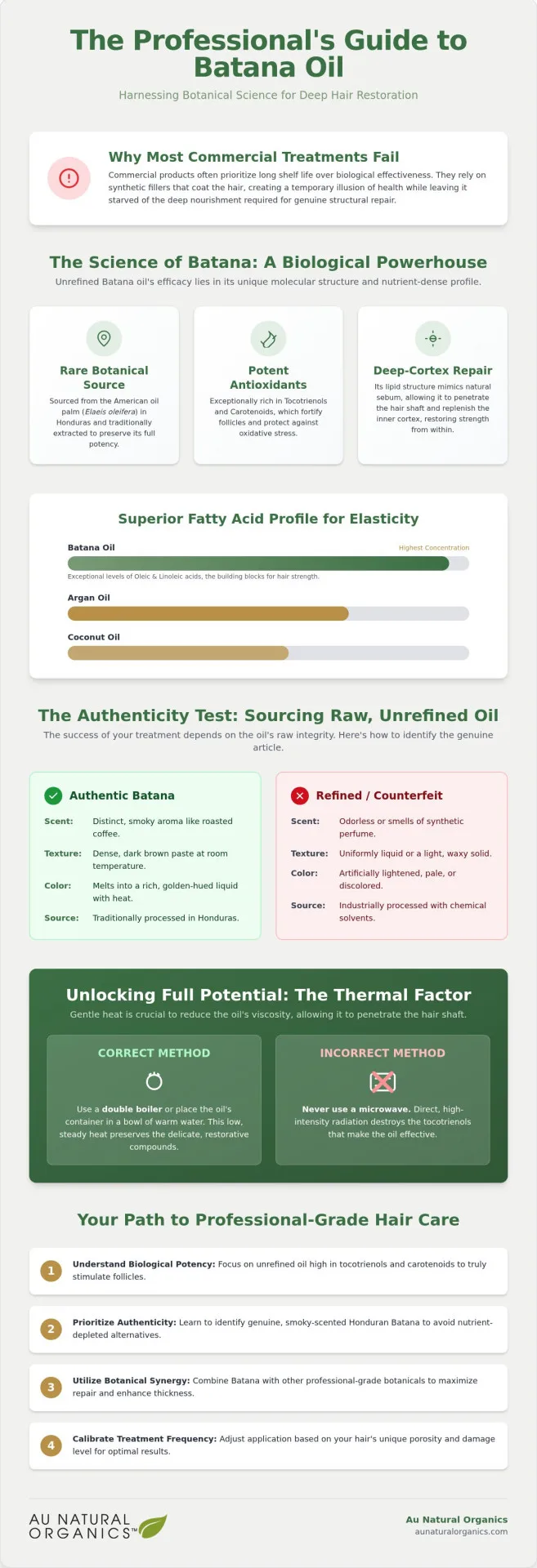
Pure Batana oil is a biological powerhouse. It originates from the American oil palm, a species native to the tropical regions of Central and South America. Unlike mass-produced alternatives, this rare emollient undergoes traditional extraction to preserve its high-density nutrient profile. It’s exceptionally rich in tocotrienols and carotenoids. These compounds serve as more than just surface conditioners. They act as potent antioxidants that stimulate the scalp and fortify the follicle against oxidative stress. Most individuals seeking a batana oil hair mask recipe are looking for structural repair, not just temporary shine.
The efficacy of this oil lies in its molecular structure. It mimics the natural sebum produced by your scalp. This mimicry allows the lipids to bypass the outer cuticle and penetrate the inner cortex. Most commercial masks simply coat the hair in a layer of synthetic wax. This creates an illusion of health while the hair remains starved of moisture. Batana provides deep-cortex lipid replenishment. It fills the gaps in the hair’s protein structure caused by chemical processing or heat damage. It restores from within.
Batana Oil vs. Traditional Hair Oils
Argan and coconut oils have their place, but they lack the specific fatty acid density required for severe damage recovery. Batana oil contains a superior concentration of Oleic and Linoleic acids. These essential fatty acids are the building blocks of hair elasticity. While African palm oil is primarily industrially processed for saturated fats, Batana oil from the American oil palm retains a complex, unsaturated lipid profile optimized for dermal and follicular absorption. This unique composition ensures that your batana oil hair mask recipe provides lasting strength rather than a fleeting cosmetic fix.
The Thermal Factor: Why Heat Matters
Raw Batana oil is a dense paste at room temperature. Its restorative potential is unlocked through gentle heat. Warmth reduces the oil’s viscosity, allowing it to flow into the microscopic crevices of the hair shaft. This thermal application also encourages the hair cuticle to lift slightly. It creates a clear pathway for nutrient absorption. Quality matters here. Always use a double boiler method for warming. Don’t expose unrefined botanical oils to the direct, high-intensity radiation of a microwave. This destroys the delicate tocotrienols that make the oil effective. Maintain a low, steady temperature to ensure the integrity of the mask stays intact.
Essential Foundations: Sourcing Raw Honduran Batana for DIY Efficacy
The success of your batana oil hair mask recipe hinges on a single factor: the raw integrity of your base oil. Refinement is the enemy of restoration. When manufacturers process Batana oil to remove its characteristic scent or lighten its color, they simultaneously strip away the bioactive compounds that stimulate the follicle. This industrial filtration destroys the very tocotrienols and carotenoids discussed in the previous section. You’re left with a hollow lipid that offers surface lubrication but lacks the biological power to repair structural damage. Professional results require unrefined, cold-pressed, or traditionally fire-extracted materials.
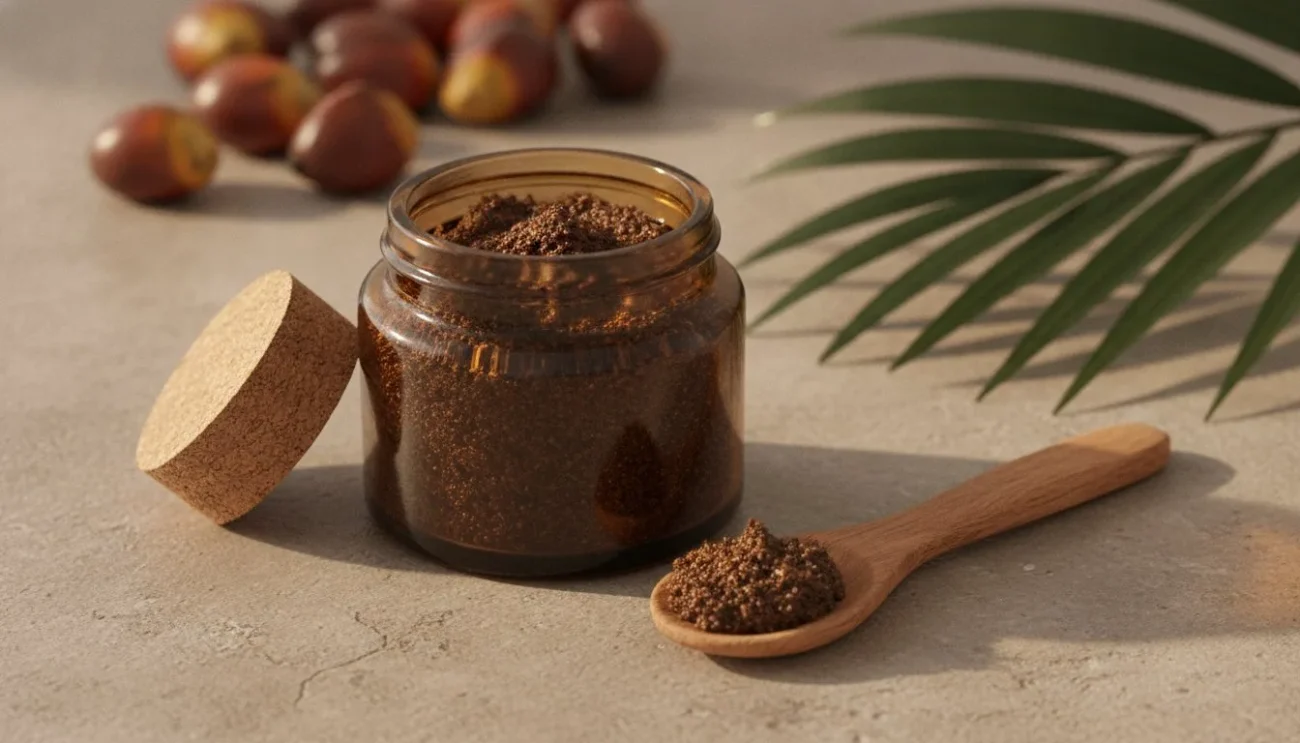
Authentic Batana oil is produced by the Miskito people of Honduras using ancestral methods that respect the botanical’s lifecycle. These traditional medicinal uses of South American palm derivatives have been documented for centuries as essential for scalp health and hair density. Supporting these communities ensures that you receive a product harvested with ethical integrity and processed without chemical solvents. It’s a commitment to both hair health and global responsibility. A true artisan oil will manifest as a dense, dark brown paste that melts into a rich golden liquid upon contact with heat.
Identifying Authentic Batana Oil
Identifying the genuine article requires a sensory assessment. The oil should possess a distinct, smoky aroma reminiscent of roasted coffee or burnt nuts. This scent is a definitive hallmark of traditional Honduran processing. If an oil is odorless or smells like synthetic perfume, it’s either heavily refined or counterfeit. A authentic batana oil must remain unrefined to preserve its lipid-rich profile. To maintain this biological activity, store your oil in a cool, dark environment. Avoid bathroom storage where fluctuating humidity and heat can trigger rapid oxidation.
The Problem with Synthetic Fillers
Synthetic fillers are the primary obstacle to deep-cortex penetration. Ingredients like petrolatum or mineral oil create an occlusive barrier that prevents Batana’s fatty acids from reaching the hair’s inner structure. They provide a superficial gloss while effectively suffocating the scalp. Fragrance-free formulations are non-negotiable for anyone dealing with thinning or breakage. Synthetic fragrances often contain phthalates that can disrupt the scalp’s delicate microbiome and cause inflammation. For those committed to professional-grade results, sourcing raw botanical materials is the only path toward genuine hair restoration.
Synergistic Botanical Blends: Pairing Batana with Professional Oils
Synergy is the foundation of professional botanical care. While Batana oil is a formidable restorative agent on its own, its efficacy is amplified when paired with complementary lipids. A successful batana oil hair mask recipe balances the heavy, paste-like consistency of the raw nut oil with lighter carrier oils. This is particularly vital for those with fine or low-porosity hair. Oils like Jojoba or Grapeseed can act as delivery vehicles, ensuring the denser Batana lipids reach the hair cortex without causing excessive buildup. It’s about precision. You’re not just mixing; you’re engineering a treatment.
Targeted Ingredient Pairings
Different hair concerns require specific botanical reinforcements. For those focusing on hair growth, blending Batana with Rosemary and Peppermint essential oils creates a potent scalp stimulant. These oils increase microcirculation to the follicle, supporting the work of Batana’s natural tocotrienols. If your goal is extreme moisture for chronically dry or curly hair, consider utilizing botanical body butters like Shea or Mango as secondary bases. For scalp health, adding Tea Tree and Lavender can soothe irritation and balance the scalp’s microbiome, providing a clean foundation for new growth.
Essential Oil Dilution and Safety
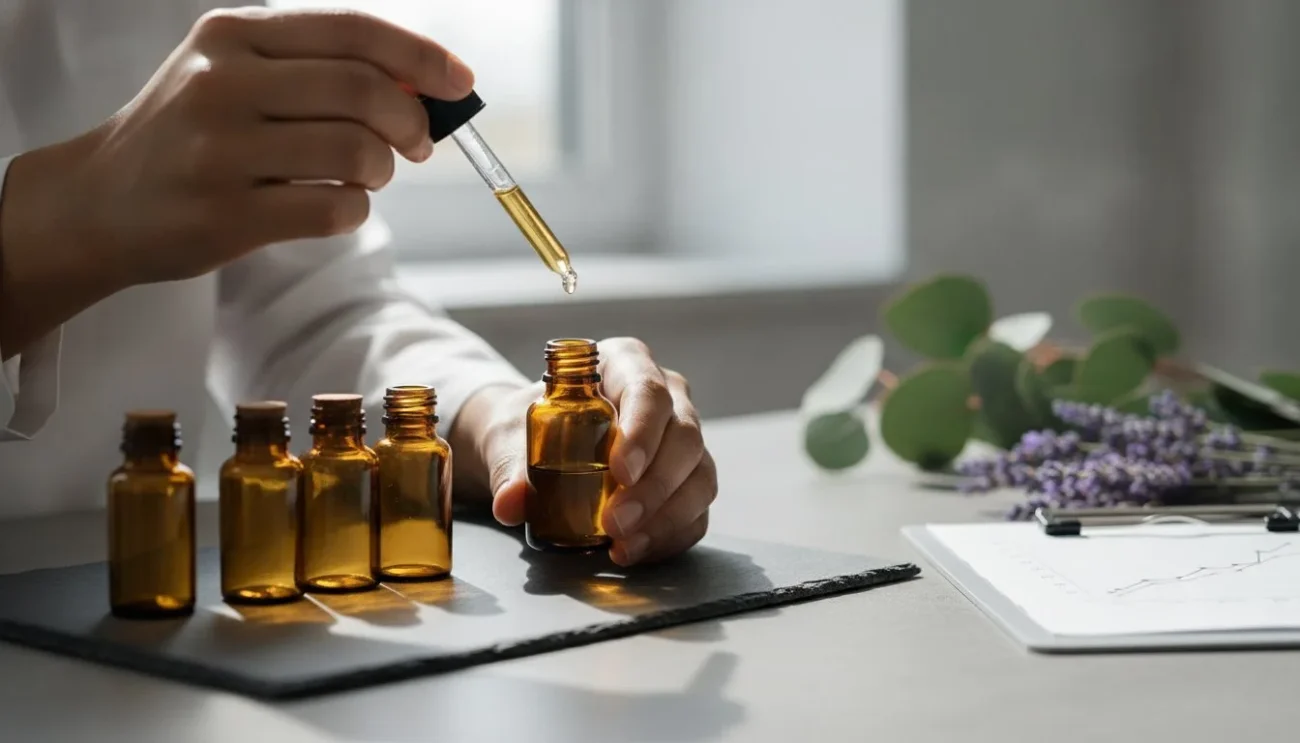
High-potency DIY formulations require strict adherence to safety protocols. When adding essential oils to your Batana base, you must calculate a 1-2% dilution ratio. This ensures the treatment remains therapeutic without causing dermal sensitization or scalp irritation. We recommend using professional-grade organic essential oils to avoid the pesticides and synthetic extenders found in cheaper alternatives. Always perform a patch test on a small area of skin before applying a full mask. It’s a simple step that protects your scalp’s integrity while you pursue deep botanical restoration.
The Master Batana Oil Hair Mask Recipe: A Step-by-Step Guide
Mastering a professional batana oil hair mask recipe requires precision in both measurement and temperature. You must start with hair that’s clean and slightly damp. Damp hair allows for better lipid uptake as the water acts as a conduit for the oils. If your hair is dry or clogged with styling products, the heavy Batana molecules will simply sit on the surface. Preparation is the difference between a superficial coating and a deep botanical restoration.
The Master Restoration Mask Recipe
- 2 tbsp Raw Batana Oil: The foundational restorative paste.
- 1 tbsp Jojoba Oil: A liquid carrier to improve spreadability and penetration.
- 3 drops Rosemary Essential Oil: For targeted scalp stimulation.
Application and Timing Strategies
Section your hair into four distinct quadrants. This is essential for managing the heavy Batana paste. Start at the scalp and work outward. Use firm, circular massage motions to increase microcirculation and encourage the absorption of tocotrienols into the follicles. Once the scalp is covered, draw the remaining mixture through to the ends. Seal the hair with a plastic cap or a warm, damp towel to create an incubation environment. This gentle steam keeps the cuticle open for maximum nutrient absorption. For a power mask, 30 minutes is sufficient; however, chronically damaged hair benefits from a two-hour incubation period. Overnight treatments are effective but require a secure wrap to prevent oil transfer.
The Proper Rinse Protocol
Removing unrefined oil requires a deliberate rinse protocol. You’ll likely need a double-cleanse with a mild, sulfate-free shampoo to ensure no heavy residue remains. Use cool water for the final rinse. This seals the cuticle and locks the lipids within the hair shaft. Avoid high-heat styling immediately after your treatment. Let the hair air-dry if possible to allow the lipids to stabilize within the cortex. To achieve these therapeutic results, you can source your raw botanical materials directly from our ethical Honduran supply.
Beyond the Mask: Integrating Batana into an Ethical Wellness Ritual
True restoration is a marathon. While a single application of a batana oil hair mask recipe provides immediate surface improvement, actual structural change occurs through cumulative lipid replenishment. You must calibrate your treatment frequency to your hair’s specific porosity and damage level. High-porosity hair, often the result of chemical processing or heat damage, requires weekly intervention to fill the gaps in the hair shaft. Conversely, low-porosity hair thrives on a bi-weekly or monthly schedule to prevent product accumulation. Consistency outpaces intensity in botanical care. One high-concentration treatment per week is far more effective than sporadic, heavy-handed applications.
A holistic approach extends beyond topical treatments. Your hair’s health is a reflection of internal hydration and nutrition. Support the external work of Batana oil by maintaining a diet rich in omega fatty acids and antioxidants. Complement your weekly mask with daily botanical hair oils or scalp serums to maintain the moisture barrier between deep treatments. This comprehensive strategy ensures that the new growth stimulated by Batana’s tocotrienols is protected from the moment it emerges from the follicle. Botanical restoration is a slow, deliberate process that rewards the patient practitioner.
Creating a Weekly Hair Ritual
Transform your masking schedule from a chore into a mindful wellness practice. This shift in perspective encourages the patience required for natural hair recovery. Tracking your progress is vital for long-term success. After four weeks of consistent use, you’ll likely notice an increase in manageability and surface shine. By week eight, the reduction in mechanical breakage becomes visible. Twelve weeks of adherence to a professional batana oil hair mask recipe often reveals improved follicular density and significant length retention. Adapt your recipe to the seasons; prioritize humectants like aloe during dry winter months and focus on pure Batana repair during the high-UV exposure of summer.
The Au Natural Organics Commitment
Our dedication to quality is absolute. We understand that the efficacy of your DIY formulations depends entirely on the purity of the raw materials. By providing authentic batana oil sourced directly from Miskito communities, we ensure your treatments contain the full spectrum of bio-available nutrients. We refuse to compromise our standards with synthetic fragrances, industrial fillers, or aggressive refining processes. Your hair deserves the raw, unfiltered power of traditional Honduran wisdom. Secure your jar of raw Honduran Batana Oil and begin your restoration journey.
Master the Craft of Hair Restoration
Authentic hair health isn’t achieved through synthetic shortcuts or superficial coatings. It requires a commitment to the raw, unrefined power of traditional Honduran botanicals. You now understand that a successful batana oil hair mask recipe is a temperature-controlled ritual that leverages the synergy of tocotrienols and essential fatty acids. By rejecting refined oils and synthetic fillers, you’re choosing a path of professional integrity and long-term follicular strength. Consistency in your application and transparency in your sourcing are the two pillars of visible results; they ensure your hair receives the deep-cortex replenishment it needs.
We provide the foundational materials required for deep restoration. Our oil is ethically sourced from traditional Honduran producers and remains 100% pure, unrefined, and entirely free from synthetic additives. It’s the same quality used by botanical professionals who refuse to compromise on substance. Shop Authentic Raw Batana Oil for Your Hair Mask Recipes and begin your journey toward a thicker, more resilient mane. Your dedication to high-purity botanical care will yield the results your hair deserves.
Frequently Asked Questions
How often should I use a Batana oil hair mask for best results?
Consistency is the primary driver of follicular restoration. For most individuals, applying a batana oil hair mask recipe once per week provides the ideal balance of lipid replenishment and structural repair. If you have extremely high-porosity or severely damaged hair, you might benefit from twice-weekly treatments until the hair’s elasticity improves. Maintenance for healthy hair typically requires only one session every two weeks to sustain shine and strength.
Can I leave a Batana oil mask in my hair overnight?
Leaving the treatment in overnight is both safe and highly effective for deep-cortex penetration. The extended incubation period allows the dense lipids to fully saturate the hair shaft, which is particularly beneficial for chronically dry or brittle strands. You must secure your hair with a silk wrap or plastic cap to prevent the unrefined oil from transferring to your linens. Rinse thoroughly in the morning using the professional double-cleanse protocol discussed previously.
Does Batana oil really smell like burnt coffee, and can I change it?
Authentic, unrefined Batana oil possesses a distinct, smoky aroma reminiscent of roasted coffee or burnt nuts. This scent is a definitive hallmark of traditional Honduran fire-extraction methods. You can harmonize this earthy fragrance by adding high-register organic essential oils like peppermint, rosemary, or lavender to your mixture. These additions don’t just modify the scent; they provide secondary therapeutic benefits for scalp stimulation and microbiome balance.
Is Batana oil safe for color-treated or chemically processed hair?
Batana oil is exceptionally beneficial for chemically compromised hair. Chemical processing strips the hair of its natural protective lipids, leaving the cortex vulnerable to breakage. The high concentration of tocotrienols in a professional batana oil hair mask recipe helps replenish these lost fats without stripping your color. It acts as a restorative sealant that improves the vibrancy and structural integrity of processed strands.
How do I know if the Batana oil I bought for my recipe is authentic?
Authenticity is verified through a sensory assessment of color, consistency, and scent. Genuine Batana oil from Honduras is a dense, dark brown paste at room temperature that melts into a rich golden liquid when warmed. If your oil is white, odorless, or remains a liquid at cool temperatures, it’s likely refined or counterfeit. Avoid any product that lacks the characteristic smoky aroma, as this indicates industrial processing that destroys the oil’s biological potency.
Can I use Batana oil on my scalp if I have oily hair?
You can use Batana oil on an oily scalp, provided you focus on the massage technique and proper rinsing. Batana oil mimics the scalp’s natural sebum, which can actually help regulate and balance overactive sebaceous glands. Focus the application on the scalp and roots to stimulate the follicles, then ensure a thorough double-cleanse to remove any excess residue. This prevents the heavy lipids from weighing down your hair while still delivering essential nutrients to the follicle.
What is the best way to remove the heavy oil from my hair after masking?
The most effective removal method is a deliberate double-cleanse using a mild, sulfate-free shampoo. Start by rinsing with warm water to emulsify the dense lipids, then apply your first round of shampoo to break down the surface oil. A second wash is often necessary to ensure the scalp is completely clean and the hair remains light. Finish with a cool water rinse to seal the cuticle and lock the restorative nutrients inside the hair shaft.
Should I apply the Batana mask to wet or dry hair?
Application to clean, damp hair is the professional standard for optimal lipid uptake. Water acts as a conduit that helps the fatty acids penetrate the hair’s outer cuticle more efficiently. If you apply the mask to dry hair, especially hair with product buildup, the oil will simply coat the surface rather than reaching the inner cortex. Ensure your hair is freshly washed and towel-dried before starting your treatment for maximum restorative impact.

Leave a comment
You must be logged in to post a comment.