The Ingredient Library
Batana Oil
Elaeis oleifera
Batana oil comes from the nuts of the American oil palm in the Mosquitia region of Honduras, where the Miskito (Tawira) people have processed it by hand for generations.
Get to know Batana
- Source
- Palm nut kernel
- Origin
- La Mosquitia, Honduras
- Extraction
- Cold-pressed
- Texture
- Thick, buttery
What it is
A botanical oil traditionally used in hair and skin care.
Why it belongs in your routine
Adds softness and shine. Helps condition dry-feeling hair and skin.
How to use
Use a small amount as part of your care routine. Follow the directions on your chosen product. Patch test before use.
Where Batana comes from
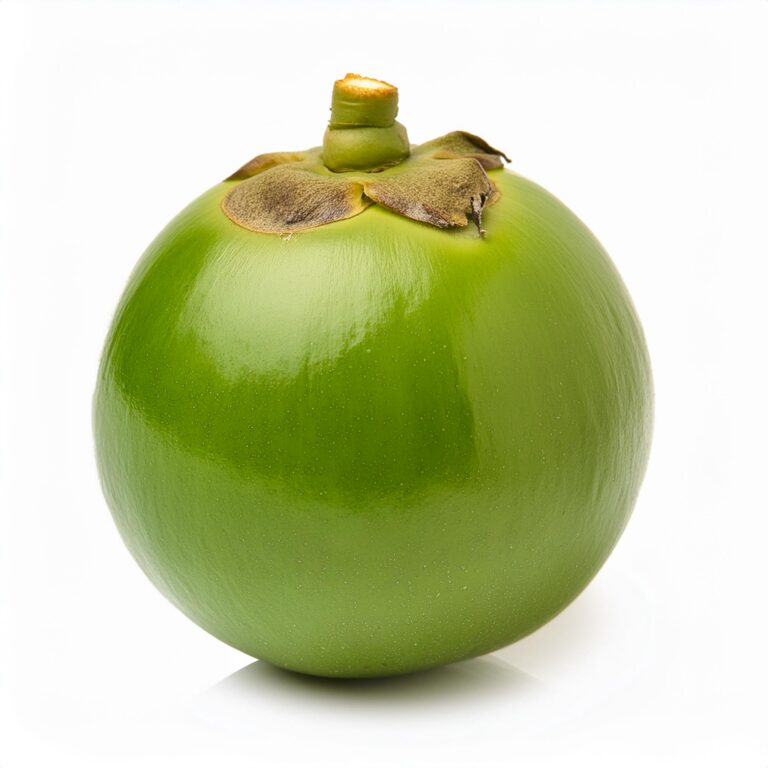
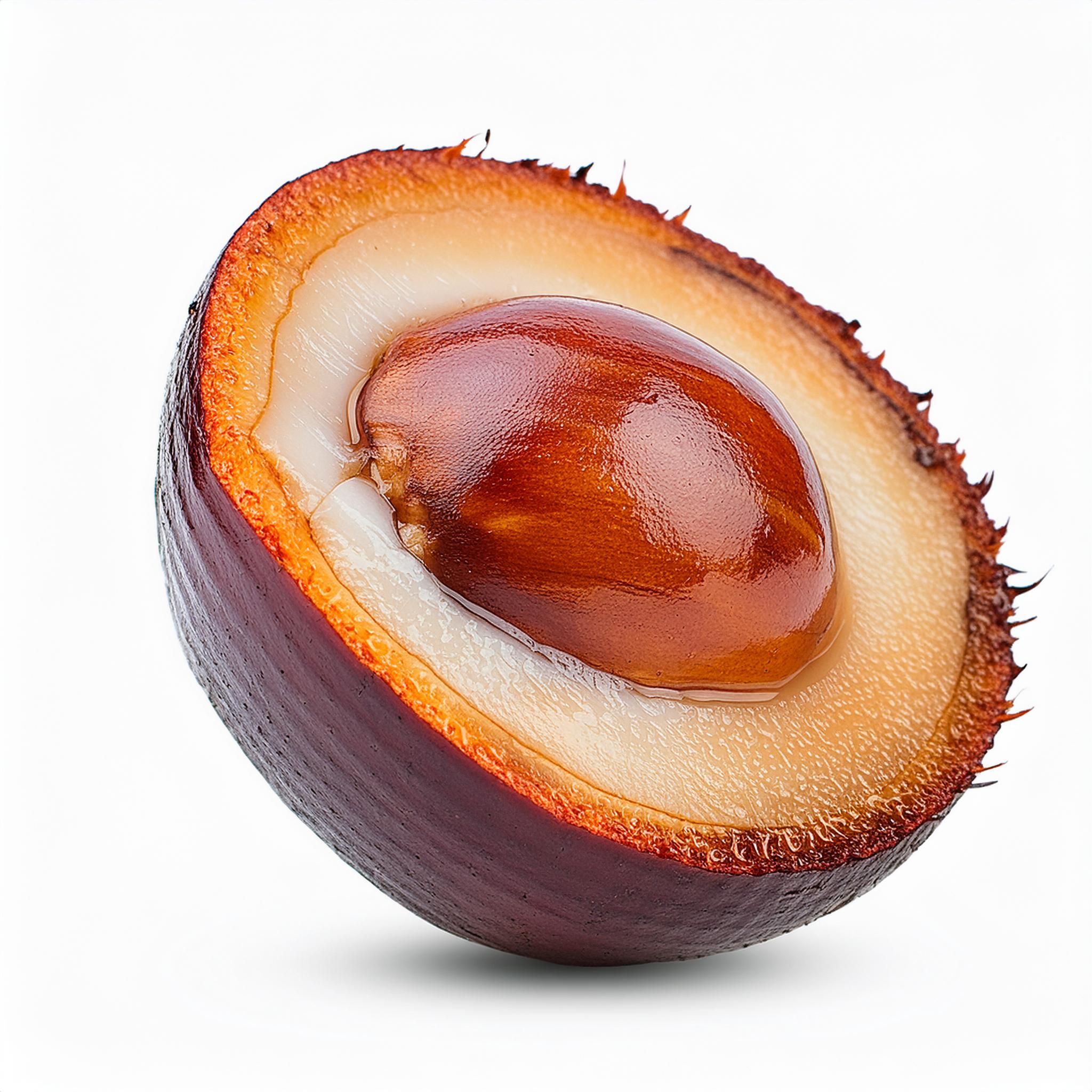
Batana oil is made from Elaeis oleifera, the American oil palm, a close relative of the African oil palm. It grows in lowland rainforest and swampy ground from Honduras south to northern Brazil, and the main source of batana is La Mosquitia, the remote Caribbean lowland of northeastern Honduras. The palm is short, often four to six metres, with a trunk that tends to lean or creep, and it bears dense clusters of orange to red fruit.
Batana oil is thick and buttery, often semi-solid at room temperature, and ranges from golden to deep brown. It naturally contains oleic, linoleic and palmitic acids, along with vitamin E and carotenoids. It is used mainly in hair oils, hair masks and scalp balms, and also in body butters and balms.
Sourcing & extraction
How Batana is sourced and extracted
Why it is rare
The American oil palm grows wild in a limited area, and batana comes mostly from one remote region reached by boat, small plane or rough road. Fruit is gathered by hand and processed in small quantities by families, so supply depends on the harvest and on village labour.
How it is gathered
The Miskito people of La Mosquitia, known in this tradition as the Tawira, meaning people of thick hair, gather ripe fruit bunches from wild palms near rivers and lagoons. Families strip the fruit and boil it to loosen the fibrous flesh, then dry the nuts and crack them by hand to free the kernels. Traditionally the kernels are roasted and boiled to skim off the oil. Our batana is cold-pressed from the kernels instead of boiled.
How it is made
Cold-pressed from the kernel
- Ripe fruit bunches are cut from wild palms and the fruit is boiled to loosen and remove the pulp.
- The nuts are dried and cracked open by hand to free the oily kernels inside.
- The kernels are pressed without added heat, which releases a thick, rich oil.
- The oil is settled and filtered to remove kernel particles, then packed while it is still soft.
How to use Batana
- Warm a small amount of oil between your palms.
- For hair, work it through the lengths and ends, or massage gently into the scalp.
- Leave on as a pre-wash treatment, or use a few drops on dry ends as a finishing oil.
- For skin, press a small amount onto dry-feeling areas such as elbows and hands.
Patch test before first use. For external use only. Follow the directions on your chosen product.
From ingredient to routine
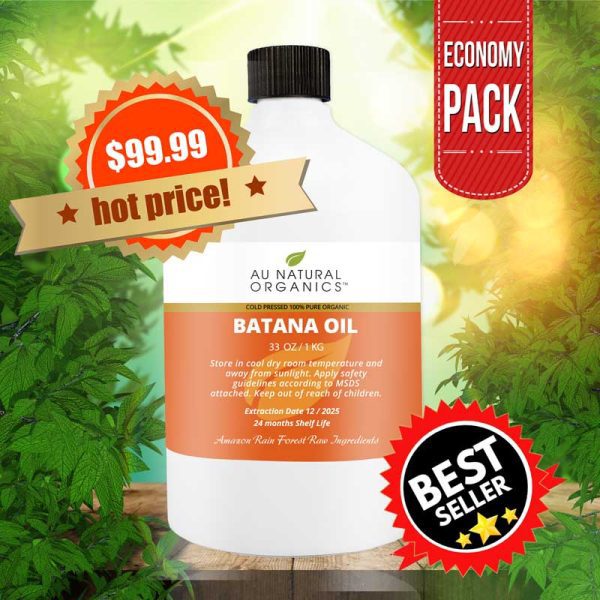
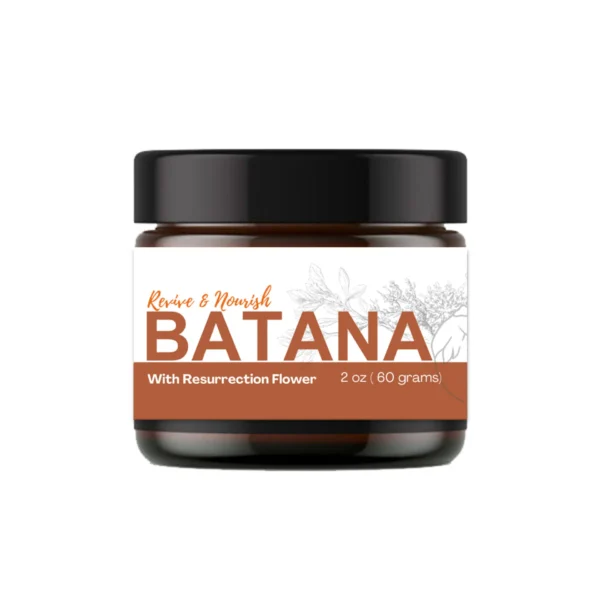
Products with Batana Oil
Find this ingredient in our collection.


Questions about Batana
What is Batana Oil?
Batana Oil is a rich botanical oil made from the nut of the American oil palm (Elaeis oleifera). It has long been used in hair and skin care routines in Honduras.
Where does Batana Oil come from?
It comes from the Mosquitia region of eastern Honduras, where the nuts are traditionally gathered and processed by the Miskito people.
How do I use Batana Oil on hair?
Warm a small amount between your palms and work it through the lengths and ends, or massage it into the scalp as a pre-wash treatment. Rinse out with a gentle shampoo.
Will Batana Oil change my hair colour?
No. Batana Oil is a dark, rich oil, but it does not dye or change hair colour. Rinse thoroughly after use.
Is your Batana Oil pure?
Our Batana Oil is 100% pure and cold-pressed, with nothing added. See each product page for full details.
How is Batana Oil extracted?
Cold-pressed from the kernel. Ripe fruit bunches are cut from wild palms and the fruit is boiled to loosen and remove the pulp. The nuts are dried and cracked open by hand to free the oily kernels inside. The kernels are pressed without added heat, which releases a thick, rich oil. The oil is settled and filtered to remove kernel particles, then packed while it is still soft.
Why is Batana considered rare?
The American oil palm grows wild in a limited area, and batana comes mostly from one remote region reached by boat, small plane or rough road. Fruit is gathered by hand and processed in small quantities by families, so supply depends on the harvest and on village labour.