The Ingredient Library
Ojon (Caiaue)
Elaeis oleifera
Ojon oil is the raw, dark oil of the American oil palm, made by hand in Honduras's Mosquitia region by cooking and skimming the nut kernels. It is thick, brown and smoky-scented.
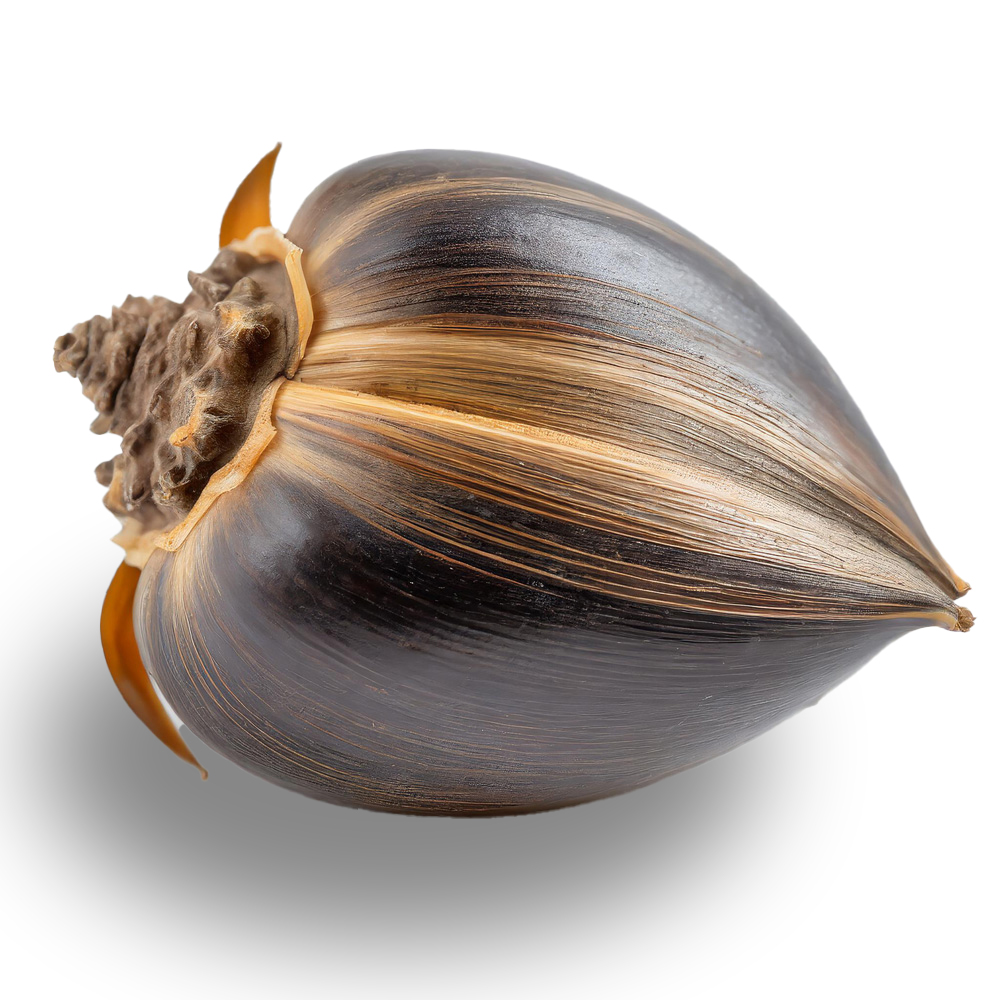
Get to know Caiaue/Ojon
- Source
- Palm nut kernel
- Origin
- Mosquitia, Honduras
- Extraction
- Boiled and skimmed
- Texture
- Thick, soft paste
What it is
Ojon (Caiaue) is a botanical carrier oil used in hair and skin care.
Why it belongs in your routine
Raw, dark Central American palm kernel oil used in hair care.
How to use
Warm a few drops between your palms and smooth over hair or skin. Patch test before use.
Where Caiaue/Ojon comes from
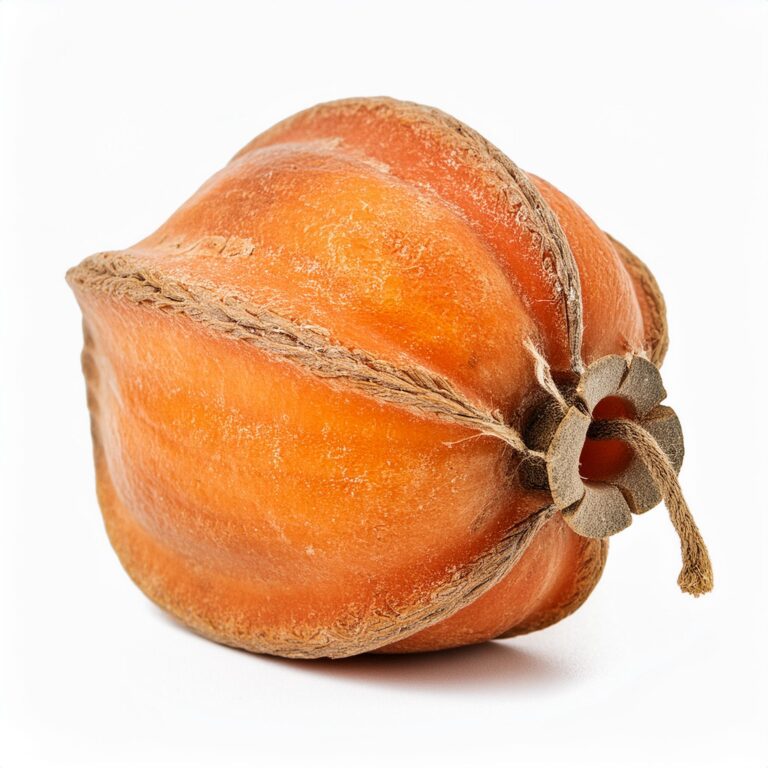
Ojon is the name by which the oil of the American oil palm, Elaeis oleifera, became known in the hair care world. The palm grows in wet lowlands from Central America into northern South America, and has a short, often creeping trunk that can lie along the ground. Its large bunches of orange-red fruits each hold a hard nut with an oily kernel. The best-known source is the Mosquitia region of eastern Honduras.
Raw ojon oil is dark brown to near black, thick, and firm at cool temperatures, melting into a smooth liquid on contact with warm hands. It has a strong smoky, roasted smell from the traditional cooking of the kernels. Unrefined ojon oil is used mainly in hair oils, pre-wash masks and conditioning balms, where it coats the hair and adds shine.
Sourcing & extraction
How Caiaue/Ojon is sourced and extracted
Why it is rare
Raw ojon oil is still made by hand in remote villages, where fruit is carried out of the forest on foot or by canoe. Each batch takes days of cooking and skimming, so only small amounts leave the region.
How it is gathered
In the Mosquitia of Honduras, the fruit is traditionally gathered from wild palms by Miskito and Tawahka families, who reach the stands by canoe along rivers and lagoons. Ripe bunches are cut and the fruit is carried back to the village. The oil is then made at home or in small village workshops using traditional methods, and the finished oil is gathered by local buyers and shipped out through coastal towns.
How it is made
Kernels cooked and oil skimmed by hand
- Ripe fruits are boiled so the fibrous outer flesh softens and can be removed from the hard nuts.
- The nuts are dried in the sun, then cracked one by one to free the oily kernels inside.
- Kernels are roasted or cooked, then ground and simmered in water so the oil rises to the surface.
- The floating oil is skimmed off by hand and gently heated to drive off water before it is stored.
How to use Caiaue/Ojon
- Start with a few drops and warm them between your palms.
- Massage into clean skin, or work through the lengths of damp or dry hair.
- Use on its own, or add a few drops to your moisturizer or conditioner.
For external use only. Patch test on a small area before first use and stop if irritation occurs. If you are pregnant, nursing or have a medical condition, ask a healthcare professional before use.
From ingredient to routine
Products with Ojon (Caiaue)
Find this ingredient in our collection.


Questions about Caiaue/Ojon
Where does Ojon (Caiaue) come from?
In the Mosquitia of Honduras, the fruit is traditionally gathered from wild palms by Miskito and Tawahka families, who reach the stands by canoe along rivers and lagoons. Ripe bunches are cut and the fruit is carried back to the village. The oil is then made at home or in small village workshops using traditional methods, and the finished oil is gathered by local buyers and shipped out through coastal towns.
How is Ojon (Caiaue) extracted?
Kernels cooked and oil skimmed by hand. Ripe fruits are boiled so the fibrous outer flesh softens and can be removed from the hard nuts. The nuts are dried in the sun, then cracked one by one to free the oily kernels inside. Kernels are roasted or cooked, then ground and simmered in water so the oil rises to the surface. The floating oil is skimmed off by hand and gently heated to drive off water before it is stored.
Why is Caiaue/Ojon considered rare?
Raw ojon oil is still made by hand in remote villages, where fruit is carried out of the forest on foot or by canoe. Each batch takes days of cooking and skimming, so only small amounts leave the region.