

Most hair growth solutions fail because they prioritize convenience over biological integrity. You’ve likely felt the frustration of watching your hair thin while cycling through “miracle” serums that leave your scalp greasy and your confidence shaken. Authentic restoration requires more than just a purchase; it demands a precise understanding of how to use batana oil for hair loss to achieve measurable results. True Batana is a thick, nutrient-dense paste, not a watery liquid. It’s a raw botanical powerhouse that requires a specific temperature and application method to penetrate the follicle effectively.
We’ll move past the social media hype to provide a professional-grade restoration protocol. You’ll learn how to identify unrefined Honduran sourcing and master the application techniques that prevent mess while maximizing absorption. This guide details a structured weekly treatment schedule designed to strengthen hair shafts and revitalize dormant follicles. By the end of this protocol, you’ll possess the technical knowledge needed to leverage raw Batana oil as a serious tool for hair density. We’re replacing confusion with a disciplined, results-oriented framework.
Key Takeaways
- Identify the critical differences between raw Honduran paste and refined products to protect your scalp from ineffective fillers.
- Learn how to use batana oil for hair loss through a professional Warmth Protocol that ensures maximum nutrient absorption at the follicle level.
- Leverage botanical synergy by combining unrefined Batana with targeted essential oils for enhanced scalp stimulation and shaft strength.
- Establish a disciplined application schedule that respects the three-month Anagen growth phase for visible, long-term density improvements.
- Understand why eliminating synthetic fragrances and chemical additives is non-negotiable for maintaining the efficacy of traditional botanical treatments.
Understanding Batana Oil’s Role in Hair Loss Mitigation
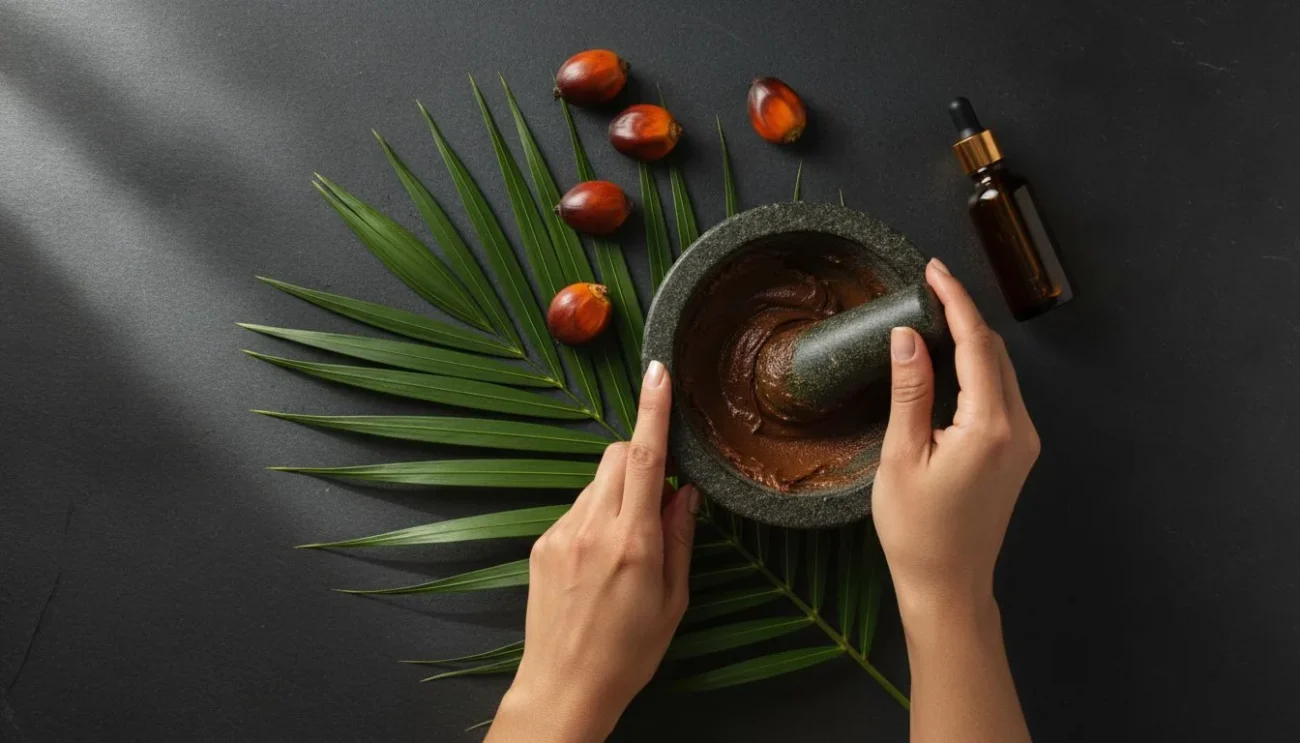
Batana oil is not a synthetic chemical compound. It is a dense, raw lipid extracted from the nut of the Elaeis oleifera, commonly known as the American oil palm. For centuries, the Miskito people of Honduras have utilized this substance as a cornerstone of their traditional hair care, earning them the moniker “Tawira,” or the people of beautiful hair. Understanding how to use batana oil for hair loss begins with respecting its chemical complexity and heritage. This isn’t a modern marketing invention; it’s a time-tested botanical intervention that targets the scalp at a cellular level.
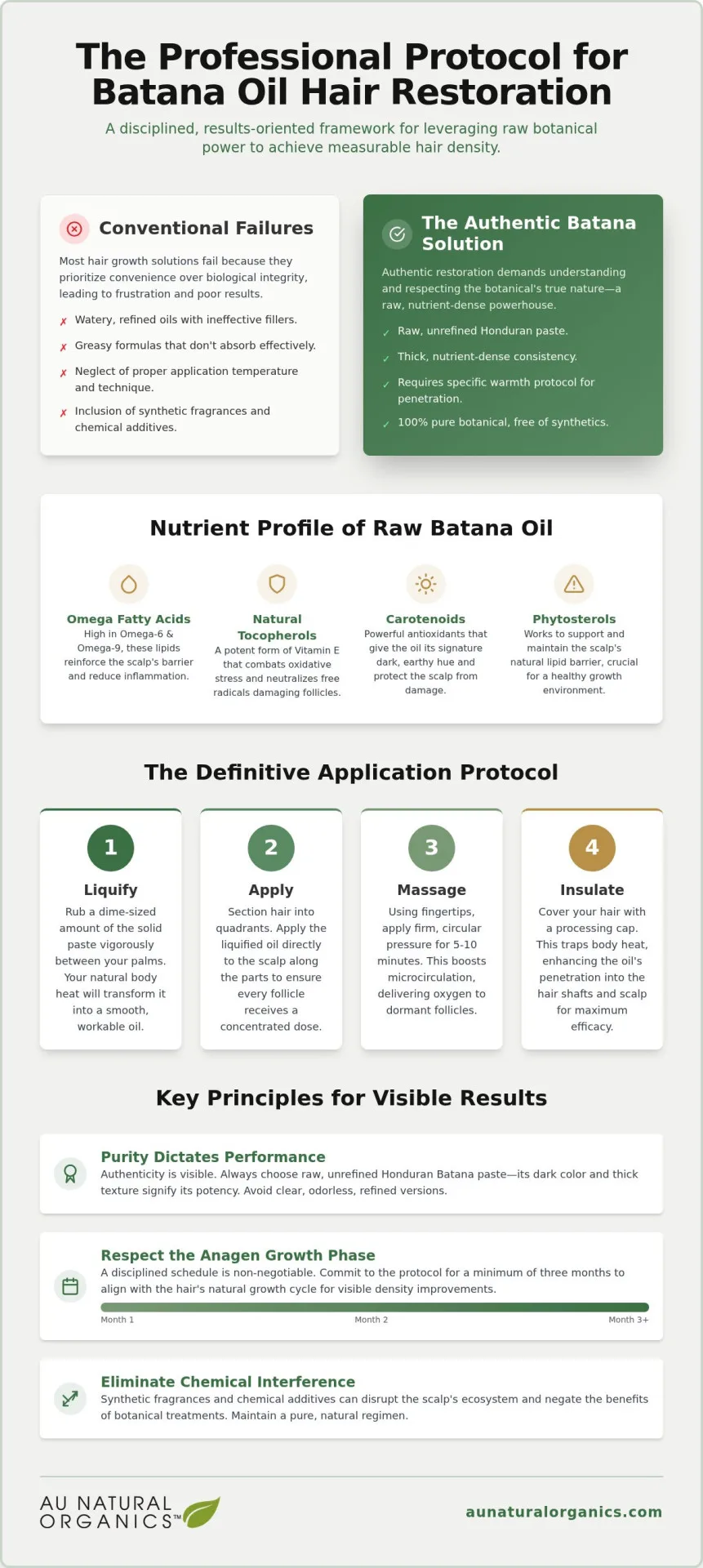
The efficacy of this oil lies in its high concentration of Omega-6 and Omega-9 fatty acids. These essential lipids act as the building blocks for a healthy scalp environment, reinforcing the skin’s natural barrier and reducing the chronic inflammation that often precedes thinning. Natural tocopherols, a potent form of Vitamin E, work in tandem with these fats to combat oxidative stress. By neutralizing the free radicals that damage hair follicles, Batana oil helps maintain the integrity of the hair bulb during the growth phase.
The Nutrient Profile of Raw Batana
Authenticity is visible. The signature dark, earthy hue of raw Batana is the result of high carotenoid levels, which serve as powerful antioxidants. These compounds protect the scalp from environmental damage while phytosterols work to support the natural lipid barrier. Industrial refining processes often use high heat and chemical solvents to produce clear, odorless oils; however, this efficiency comes at a significant cost. It destroys the delicate nutrient matrix. Only a raw, unrefined paste retains the full spectrum of botanical compounds required for genuine follicle revitalization.
How Batana Oil Stimulates the Scalp Environment
A stagnant scalp environment is a primary driver of visible thinning. Mastering how to use batana oil for hair loss requires a focus on follicle stimulation through improved blood circulation. When the oil is massaged into the skin, it acts as a natural vasodilator, encouraging a steady flow of oxygen and nutrients to the hair bulb. Furthermore, Batana oil mimics the scalp’s natural sebum. This allows it to provide intense hydration to brittle, breakage-prone hair shafts without clogging the pores. It creates a balanced ecosystem where hair can grow stronger and more resilient against daily stressors.
The Definitive Application Process for Scalp Vitality
Precision matters. Most topical treatments fail because they never actually reach the target. To master how to use batana oil for hair loss, you must first prepare the biological landscape. We recommend starting with a clean, slightly damp scalp. Water acts as a conduit; it slightly lifts the hair cuticles and softens the skin’s surface, allowing the dense lipids to penetrate more deeply than they would on a dry, sebum-blocked surface. By ensuring the scalp is free of environmental debris and styling products, you create an unobstructed path for the botanical nutrients to reach the hair bulb.
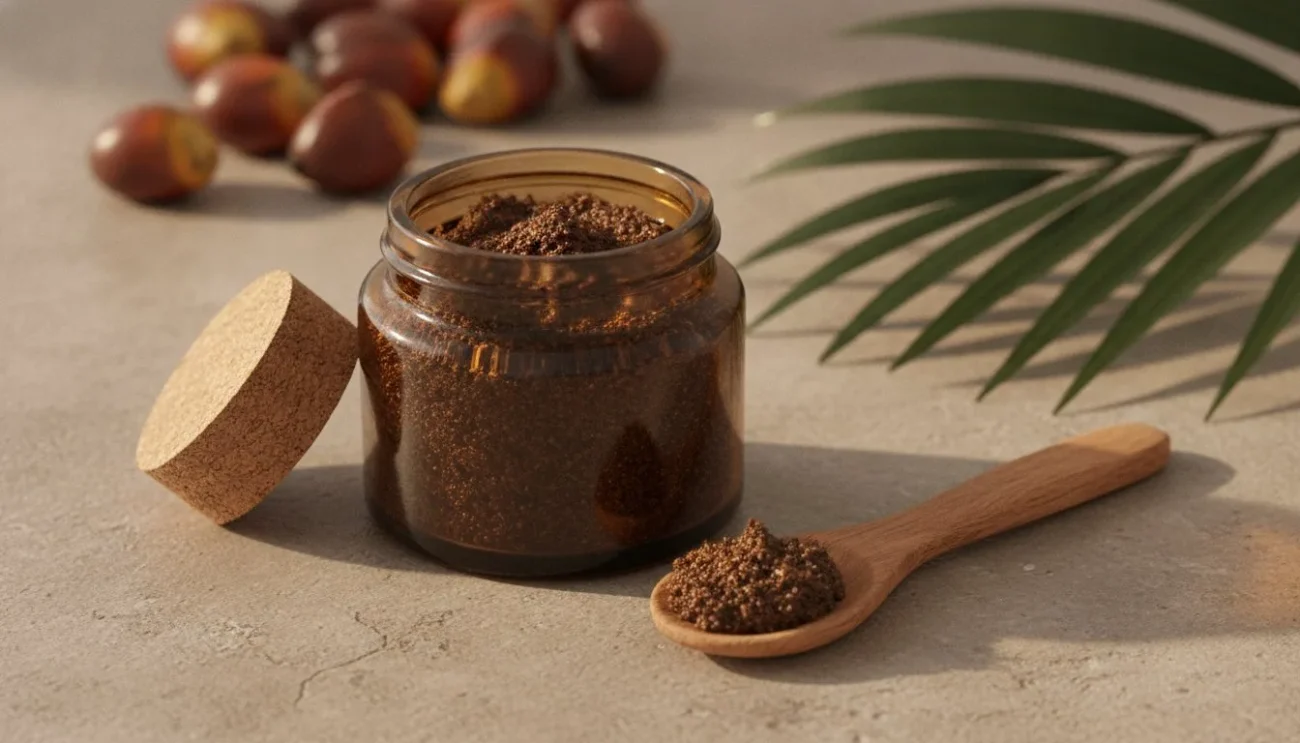
Raw Batana is a solid paste, not a liquid. This high viscosity is a hallmark of its unrefined state. To apply it effectively, you must follow the Warmth Protocol. Take a small amount of the paste and rub it vigorously between your palms. Your natural body heat will break down the solid structure, transforming it into a workable, golden-brown lipid. Once liquified, use the “Section and Saturate” method. Divide your hair into four quadrants and apply the oil directly to the skin along the parts. This ensures that every follicle receives a concentrated dose of the oil’s fatty acid profile.
Massage is the final, critical component of the application. Do not simply rub the oil onto the surface. Use the pads of your fingers to apply firm, circular pressure, moving the scalp over the skull. This technique boosts lymphatic drainage and encourages microcirculation, which is vital for delivering oxygen to dormant follicles. For those seeking the highest grade of unrefined material, sourcing Authentic Batana Oil is the first step in this restoration journey.
Step-by-Step Scalp Treatment Protocol
- Step 1: Liquify a dime-sized amount of the paste between your palms until it reaches a smooth, oily consistency.
- Step 2: Massage the oil directly into thinning areas using firm, circular motions for at least five to ten minutes.
- Step 3: Cover your hair with a plastic processing cap. This traps natural body heat, which keeps the oil in its liquid state and aids absorption.
- Step 4: Allow the oil to remain on the scalp for a minimum of two hours. For deep repair, leave the treatment on overnight.
Managing the Texture: Paste vs. Liquid Oil
Expect a solid state. If your Batana oil is liquid at room temperature, it has likely been diluted or heavily refined. The thick, grainy texture of the raw paste is proof of its purity. When it comes time to remove the treatment, do not use harsh, stripping shampoos. We suggest a double cleanse with a gentle, sulfate-free formula. Apply the shampoo first to the oiled areas before adding water to help break down the lipids. Use a wide-tooth comb during the application process to distribute the excess oil through the hair shafts, providing a protective barrier against breakage and environmental stress. This methodical approach ensures you’re learning how to use batana oil for hair loss with professional-grade efficacy.
Synergistic Blends: Enhancing Batana with Essential Oils
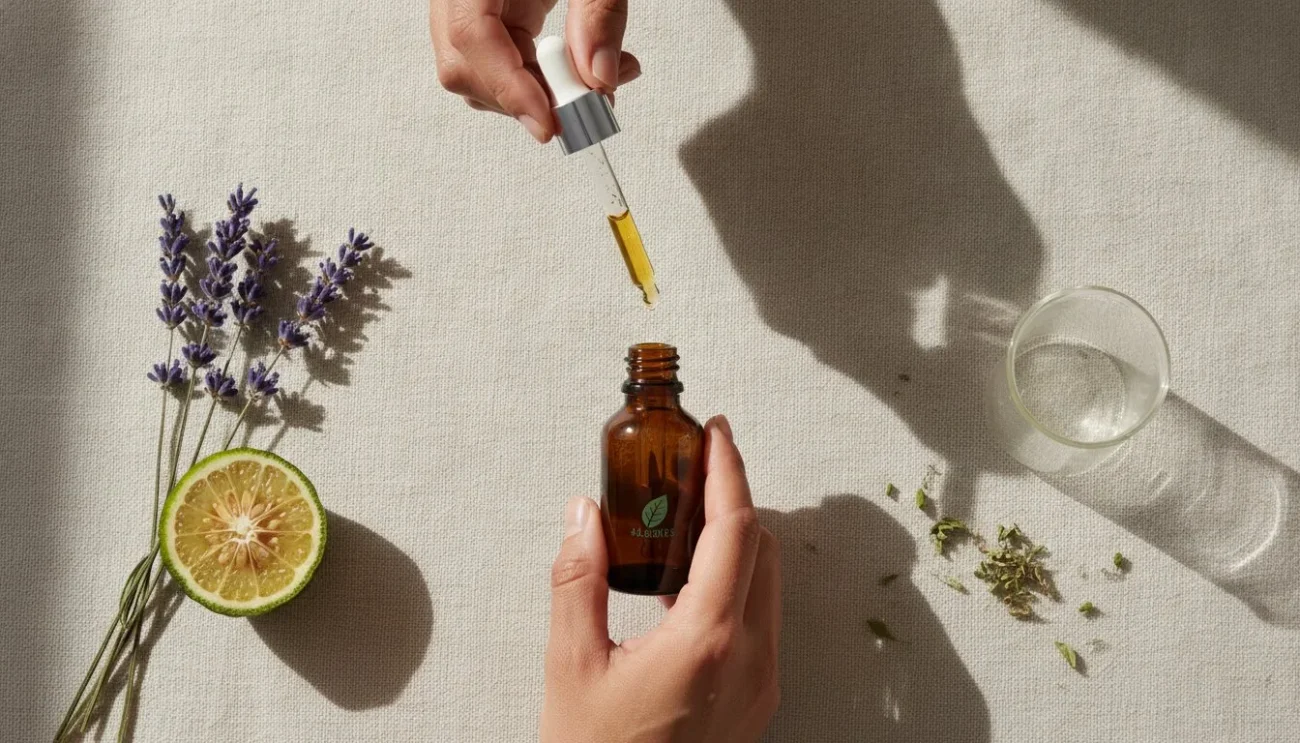
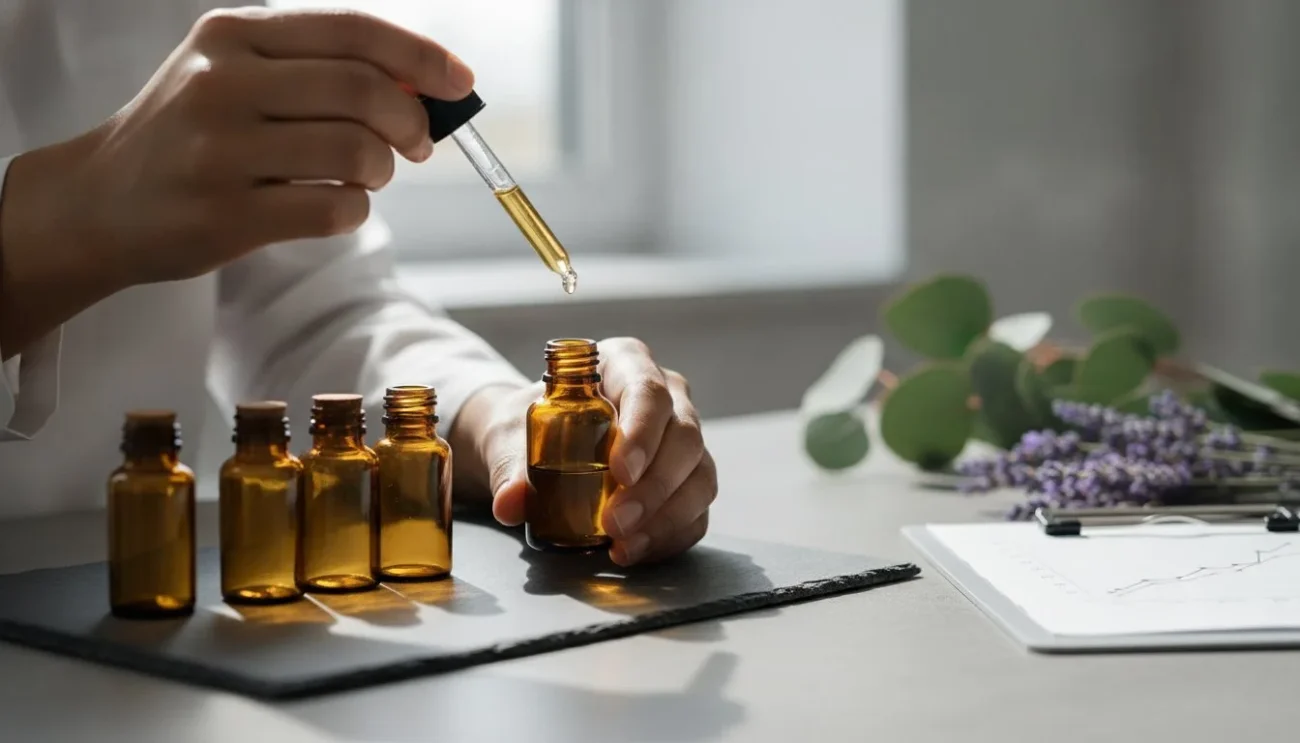
Botanical synergy represents a strategic methodology where the combined efficacy of multiple plant extracts exceeds the potential of any single ingredient. While unrefined Batana provides the foundational lipids and carotenoids necessary for follicle health, integrating targeted essential oils can significantly accelerate the restoration process. Understanding how to use batana oil for hair loss requires a disciplined approach to these chemical interactions. We prioritize professional-grade extracts that maintain their molecular integrity through careful distillation. Avoid high-street oils that often contain synthetic extenders; these fillers can irritate an already sensitive scalp environment and hinder the absorption of raw lipids.
Precision is paramount. Potent botanical extracts are highly concentrated and must be handled with respect for their chemical strength. Calculating safe dilution ratios is not a suggestion but a requirement for maintaining scalp health. When you blend these materials, you’re not just mixing oils; you’re creating a targeted biological intervention. This methodical approach replaces guesswork with a results-oriented framework that respects the delicate ecosystem of the human scalp.
The Rosemary and Batana Power Duo
Organic rosemary oil acts as a biological vasodilator. It encourages microcirculation at the hair bulb, which is critical for resisting the follicle miniaturization typically associated with DHT-related thinning. To create this potent blend, add exactly three drops of organic rosemary essential oil to one tablespoon of liquified Batana paste. This specific ratio ensures potency without causing dermal sensitivity. This mixture serves as a superior “pre-poo” treatment. Apply it to the scalp, allow it to penetrate for at least thirty minutes, and then proceed with a gentle cleansing routine. The rosemary stimulates the root while the Batana repairs the structural integrity of the hair shaft.
Carrier Oil Dilution for Sensitive Scalps
The density of raw Batana paste is a sign of its purity, yet its weight can be challenging for those with oily scalp tendencies or fine hair textures. Integrating lighter carrier oils for hair growth allows you to customize the viscosity of the treatment without sacrificing nutrient density. Jojoba oil is particularly effective because its chemical structure closely mimics human sebum, allowing for rapid absorption and balanced hydration. Argan oil is another excellent choice, providing a high concentration of antioxidants that complement the natural tocopherols found in Batana. Pure botanical carrier oils are always superior to commercial “hair serums” that rely on silicones to create a temporary, artificial sheen. By blending these raw materials, you maintain a clean, uncompromising protocol for hair restoration.
Consistency and Timeline: Setting Realistic Expectations
Nature operates on a deliberate schedule. Botanical restoration is not an overnight event; it is a methodical process of cellular revitalization. To effectively understand how to use batana oil for hair loss, you must align your expectations with the human hair growth cycle. The Anagen phase, where active growth occurs, requires sustained nutritional support to reverse the effects of thinning. Most users fail because they abandon the protocol before the three-month mark, which is the minimum time required for the follicle to complete a resting cycle and begin producing a new, stronger shaft.
Patience is a requirement, not an option. For active mitigation, we prescribe a frequency of two to three treatments per week. This cadence ensures a consistent supply of Omega-6 and Omega-9 fatty acids without causing the follicular congestion that can lead to irritation. Once hair density has stabilized and shedding has decreased, you may transition into a maintenance phase. During this stage, a single weekly application is sufficient to protect the scalp’s lipid barrier and maintain the integrity of the hair shaft. Success in botanical wellness is built on the foundation of uncompromising consistency.
To ensure you’re working with the highest quality raw material for this timeline, you can purchase unrefined Batana oil here to begin your restoration protocol.
The Weekly Hair Restoration Schedule
- Monday: Perform a deep, overnight scalp treatment using raw Batana paste. This allows the lipids to penetrate the dermis while the body is in its natural repair state.
- Wednesday: Focus on a light application. Target the hair ends and mid-lengths to prevent the mechanical breakage that often mimics hair loss.
- Saturday: Utilize the synergistic blend of Batana and Rosemary oil. Perform a ten-minute lymphatic scalp massage to maximize blood flow to the hair bulb.
Identifying Progress: What to Look For
Progress is often subtle before it becomes obvious. During Month 1, the primary indicator of success is a reduction in shedding. You’ll notice fewer strands in your hairbrush or the shower drain. By Month 2, the focus shifts to structural improvements. The hair will feel more resilient, showing improved texture, shine, and a significant reduction in scalp dryness. The most rewarding phase occurs in Month 3. This is when you’ll begin to see the emergence of “baby hairs” along the hairline and an overall increase in density in previously thinning areas. These milestones confirm that your disciplined application of the how to use batana oil for hair loss protocol is working at a biological level.
Why Purity Dictates Performance: The Au Natural Standard
The efficacy of botanical treatments is inseparable from their raw, untouched state. When you research how to use batana oil for hair loss, you’re often met with sanitized, liquid versions of this traditional remedy. These refined products are stripped of the very carotenoids and phytosterols that define the oil’s restorative power. We reject the industrial impulse to deodorize or clarify. Our commitment to ethical Honduran sourcing ensures that the traditional processing methods of the Miskito people are preserved, delivering a product that remains chemically identical to the substance used for generations. This integrity is non-negotiable for results. For deeper technical insights into our sourcing standards, consult our Authentic Batana Oil Pillar.
Sourcing Authentic Honduran Batana Oil
Authenticity has a specific sensory profile. True Batana oil is not floral or sweet. It possesses a deep, earthy aroma reminiscent of coffee and smoke. This scent is a byproduct of the traditional fire-roasting of the nuts. Visually, the oil should be a dark brown, thick paste that remains solid at room temperature. It should melt instantly upon skin contact. Be wary of “Batana oils” that are clear, liquid, or artificially scented to mimic commercial perfumes. These are often heavily refined or diluted with cheap filler oils, rendering them ineffective for the disciplined restoration protocol we’ve outlined. If the product doesn’t smell like the earth, it won’t perform like the earth intended.
Avoiding Synthetic Additives and Fragrances
Synthetic fragrances are common in the hair care industry, yet they are a primary source of scalp irritation. For an individual experiencing visible thinning, these chemical additives can trigger inflammation that further compromises the hair follicle. We believe that if a botanical doesn’t add value to the restoration process, it doesn’t belong in the jar. This is the core of the Au Natural Organics philosophy. We prioritize unrefined, professional-grade botanicals over marketing-driven aesthetics. When you understand how to use batana oil for hair loss correctly, you realize that the raw, unadulterated paste is the only medium capable of delivering the intensive hydration and nutrient density required for scalp vitality. We invite you to experience the difference of substance over style. True restoration requires a refusal to compromise on purity.
Begin Your Botanical Restoration Protocol
True restoration is a discipline of patience and purity. You now possess the professional framework required to move beyond trial and error. By prioritizing the raw, unrefined paste and adhering to a structured 90-day schedule, you address the root causes of thinning rather than masking the symptoms. Success depends on the integrity of your ingredients and your commitment to the Warmth Protocol. Mastering how to use batana oil for hair loss is the first step toward reclaiming your hair’s natural density and strength.
We remain dedicated to providing the highest grade of botanical lipids, ethically sourced from traditional Honduran producers who respect the heritage of the American oil palm. Our Batana is 100% raw and unrefined. It contains no synthetic fragrances or chemical fillers that could compromise your scalp’s health. You deserve professional-grade integrity in every application.
Secure Your Supply of Authentic Raw Batana Oil and begin your journey toward lasting follicle revitalization today. Your hair has the capacity for resilience; it simply requires the right botanical catalyst.
Frequently Asked Questions
How often should I use Batana oil for hair loss?
For active hair loss mitigation, you should apply the oil two to three times per week. This frequency provides a consistent supply of essential fatty acids without overwhelming the scalp’s natural balance. If you are in a maintenance phase, once per week is sufficient to protect the hair shaft and maintain hydration. Consistency is the primary driver of success when learning how to use batana oil for hair loss effectively.
Can I leave Batana oil in my hair overnight?
Yes, leaving the oil on the scalp overnight is a recommended practice for deep follicle repair. The extended duration allows the raw lipids to penetrate the dermis while the body is in its natural regenerative state. Always cover your hair with a plastic cap or a dedicated wrap to trap heat and protect your bedding. This prolonged exposure maximizes the absorption of natural tocopherols and carotenoids during the rest cycle.
Does Batana oil smell like coffee?
Authentic Batana oil possesses a distinct earthy, smoky, and coffee-like aroma. This scent is a direct result of the traditional Honduran roasting process used to extract the oil from the palm nut. If a product smells floral, sweet, or completely neutral, it has likely been refined or artificially scented. Purity is often found in these raw, unadulterated sensory profiles that reflect the oil’s botanical origin and traditional craftsmanship.
Is Batana oil safe for color-treated or chemically processed hair?
Batana oil is entirely safe and highly beneficial for hair that has undergone chemical processing or color treatments. It acts as a restorative lipid barrier that helps repair the structural damage caused by synthetic dyes and relaxers. Because it contains no harsh chemicals or sulfates, it won’t strip your color. Instead, it provides the intense hydration needed to prevent the brittleness and breakage common in processed hair shafts.
How long does it take for Batana oil to show results for hair growth?
You should expect to see visible results after approximately three months of consistent application. This timeline aligns with the natural Anagen growth cycle of the hair follicle. Initial progress typically manifests as reduced shedding within the first four weeks. By the third month, many users report improved density and the emergence of new growth. Understanding how to use batana oil for hair loss requires a commitment to this biological timeline.
Can I use Batana oil on my beard for patchy spots?
What is the difference between raw Batana paste and liquid Batana oil?
Raw Batana paste is the unrefined, nutrient-dense state of the extract, while liquid versions are often heavily processed or diluted. The paste remains solid at room temperature and retains the full spectrum of carotenoids and phytosterols. Liquid oils that do not solidify have typically been stripped of these vital compounds through high-heat refining. For professional-grade restoration, the raw, grainy paste is the only acceptable standard for botanical integrity.
Leave a comment
You must be logged in to post a comment.