
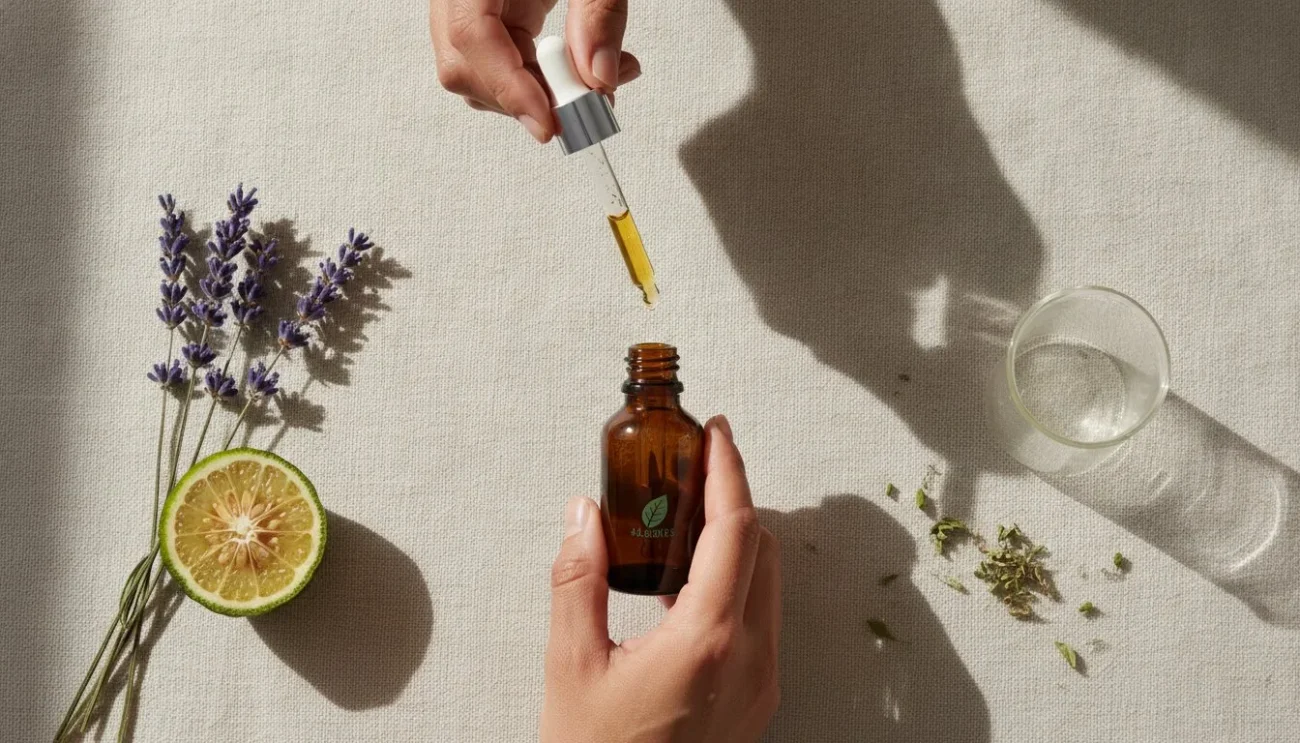
Most wellness products rely on the placebo of a pleasant scent rather than the rigorous chemistry of botanical compounds. If you’ve felt that your calming essential oil blend for anxiety was little more than expensive perfume, your skepticism is justified. Racing thoughts aren’t silenced by synthetic additives or the marketing fluff prevalent in modern wellness. You deserve a protocol rooted in transparency and professional integrity. Substance matters more than style.
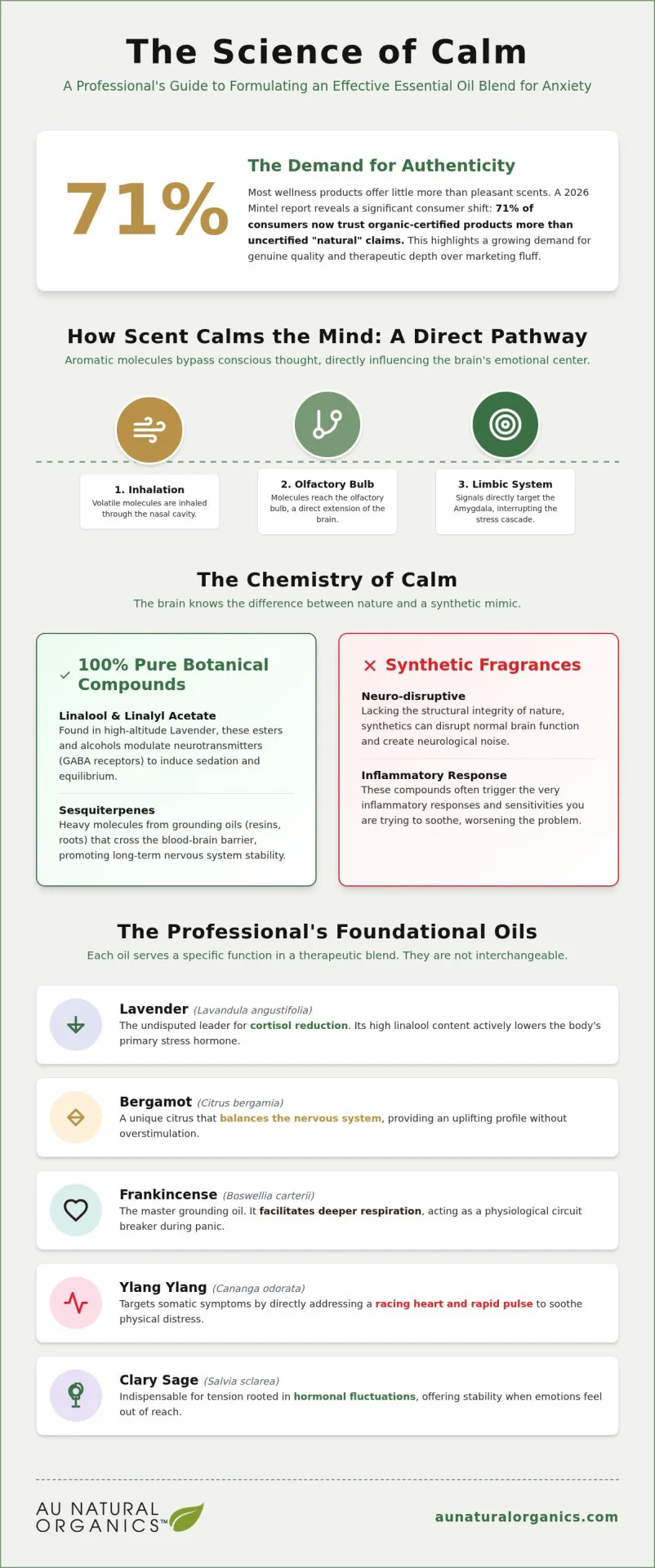
We understand the frustration of navigating a market saturated with low-quality oils that lack therapeutic depth. A 2026 Mintel report highlights that 71% of consumers now trust organic-certified products significantly more than uncertified natural claims. This shift reflects a growing demand for genuine quality. You will master the science of botanical synergy to formulate effective, professional-grade aromatherapy blends that provide genuine neurological support. We’ll strip away the confusion regarding dilution and safety. You’ll learn exactly why specific high-purity ingredients work at a cellular level and how to identify a source for the raw, untouched quality your health requires. Professional results require professional standards.
Key Takeaways
- Understand the biological pathway through which aromatic molecules bypass conscious resistance to influence the amygdala directly.
- Identify why Lavender and Bergamot are the foundational constituents for a professional-grade calming essential oil blend for anxiety.
- Learn to leverage botanical synergy to address both the physical tension and the emotional triggers of stress simultaneously.
- Master a disciplined formulation protocol that utilizes high-integrity carrier oils to ensure safe and effective absorption.
- Discern the difference between marketing labels and true therapeutic efficacy by evaluating the origin and traditional processing of your botanical ingredients.
The Neurological Connection: How Scent Calms the Mind
The efficacy of a calming essential oil blend for anxiety isn’t a matter of subjective preference. It’s a biological certainty. When you inhale a botanical extract, volatile molecules travel through the nasal cavity to the olfactory bulb. This structure is a direct extension of the brain. Unlike other senses that the thalamus must first process, scent possesses an unmediated pathway to the limbic system. This represents the most ancient part of the human brain. It’s here that Aromatherapy transitions from a sensory experience to a neurological intervention.
True relief requires botanical synergy. We define this as the strategic interaction of hundreds of distinct chemical compounds working in concert to produce a result greater than the sum of its parts. When these constituents are isolated or mimicked through synthetic chemistry, the biological response collapses. Only 100% pure essential oils contain the complex molecular profile necessary to engage with human physiology effectively. A high-quality calming essential oil blend for anxiety relies on this chemical integrity. Sourcing isn’t a luxury; it’s a prerequisite for results.
The Role of the Limbic System in Stress Response
The amygdala serves as the brain’s primary alarm system. It initiates the “fight or flight” mechanism before the conscious mind can even register a threat. Chronic anxiety keeps this circuit in a state of hyper-vigilance. Aromatic molecules act as a physiological circuit breaker. By stimulating the olfactory bulb, these compounds send inhibitory signals to the amygdala, effectively interrupting the stress cascade. The olfactory nerve provides a direct, unmediated highway to the brain’s emotional center, allowing scent to bypass cognitive resistance.
Chemical Constituents: The Science of Calm
Precision matters. Linalool and Linalyl Acetate are the primary esters and alcohols responsible for the sedative effects observed in high-altitude lavender. These molecules modulate neurotransmitter activity, specifically targeting GABA receptors to induce a state of equilibrium. Grounding oils, such as those derived from roots or resins, are rich in sesquiterpenes. These heavy, complex molecules cross the blood-brain barrier to promote long-term stability and nervous system regulation. Synthetic fragrances, by contrast, are neuro-disruptive. They lack the structural integrity of nature and often trigger the very inflammatory responses you’re attempting to soothe. We prioritize raw, untouched quality because the brain knows the difference.
Selecting the Foundation: Primary Essential Oils for Anxiety
Selecting the constituents for a professional-grade calming essential oil blend for anxiety is a precise exercise in botanical pharmacology. Substance must always precede scent. While many commercial products prioritize a pleasant aroma, a therapeutic formulation requires oils with high concentrations of specific calming esters and alcohols. The following botanicals represent the gold standard for neurological support:
- Lavender (Lavandula angustifolia): This is the undisputed leader for cortisol reduction. It doesn’t merely mask stress; it actively lowers the body’s primary stress hormone through its high linalool content.
- Bergamot (Citrus bergamia): A unique citrus that balances the nervous system. It provides an uplifting aromatic profile that stabilizes the spirit without the risk of overstimulation common in other citrus varieties.
- Frankincense (Boswellia carterii): Known as the master grounding oil. It facilitates deeper, more rhythmic respiration, which serves as a physiological circuit breaker during acute panic.
- Ylang Ylang (Cananga odorata): This oil targets somatic symptoms. It directly addresses a racing heart and rapid pulse, providing a calming essential oil blend for anxiety with the power to soothe physical distress.
- Clary Sage (Salvia sclarea): Indispensable for tension rooted in hormonal fluctuations. It offers a stabilizing influence when emotional equilibrium feels out of reach due to cyclical changes.
These primary oils form the core of a therapeutic protocol that respects the complexity of the human nervous system. They are not interchangeable. Each serves a specific function in the architecture of a professional blend.
Grounding Oils: Anchoring the Nervous System
Base notes like Sandalwood and Cedarwood provide the structural integrity of a formulation. Their high molecular weight ensures they linger, offering long-term stability rather than a fleeting sensory experience. These oils are vital for engaging the parasympathetic nervous system, signaling the body to enter a “rest and digest” state. Scientific reviews on the effects of essential oils on the nervous system demonstrate how these heavy sesquiterpenes promote sustained antistress outcomes. They anchor the mind when racing thoughts threaten to take over, providing a foundation of quiet confidence.
Uplifting Esters: Breaking the Cycle of Worry
Top notes like Roman Chamomile and Sweet Orange provide the immediate sensory shift required to break a worry cycle. Their rapid evaporation rate delivers an instant impact on the olfactory system. Cold-pressed extraction is a non-negotiable standard for citrus oils; heat distillation destroys the delicate esters responsible for their brightening effects. We value traditional processing because it preserves the raw, untouched quality of the plant. If you’re ready to move beyond marketing fluff, sourcing pure essential oils from a trusted expert is the only way to ensure genuine botanical synergy. Professional results require professional-grade ingredients.
The Art of Synergy: Single Oils vs. Professional Blends
A single botanical extract is a powerful tool. However, complex anxiety rarely presents as a single symptom. While a single oil like Lavender targets cortisol, a professional calming essential oil blend for anxiety operates on multiple physiological fronts simultaneously. It addresses the racing heart, the shallow breath, and the cognitive loop of worry through a layered chemical approach. Synergy is the mastery of these interactions. It’s the difference between a single note and a full orchestral movement.
Professional formulation also utilizes a principle known as ‘quenching’. This is the process where the chemical constituents of one oil mitigate the potential dermal or respiratory irritation of another. For instance, the presence of specific terpenes can soften the intensity of more aggressive compounds. This ensures the blend remains effective yet safe for long-term use. A well-constructed synergy offers a balanced profile that single oils cannot replicate. Use a single oil for specific, acute needs; use a complex blend for comprehensive nervous system regulation. Substance must always precede style.
Why Single Oils Sometimes Fall Short
The human brain is designed for survival, which includes a process called habituation. When exposed to a single, constant stimulus, the olfactory system eventually stops registering the signal. This is olfactory fatigue. Complexity serves as a tool to prevent this sensory shutdown. A three-oil blend provides broader neurological coverage by engaging multiple receptor sites, ensuring the brain remains responsive to the therapeutic intervention over time. Consistency requires complexity. If the signal is too simple, the brain simply tunes it out.
Constructing a Professional Aromatic Pyramid
A superior calming essential oil blend for anxiety follows a disciplined structural hierarchy. This ensures both immediate relief and sustained support. We organize these by their volatility rates, ensuring a steady release of therapeutic molecules:
- The Top Note: These molecules evaporate quickly, providing an immediate cognitive shift. Bergamot is an ideal candidate for this role, offering a bright, initial impact that breaks the immediate cycle of worry.
- The Middle Note: This is the heart of the synergy. Lavender often serves as the bridge, providing the primary therapeutic action that stabilizes the nervous system as the top notes begin to fade.
- The Base Note: These heavy molecules, like Vetiver or Frankincense, provide lasting support. They anchor the blend, ensuring the calming effect persists for hours after application.
This rhythmic release of compounds mirrors the natural processes of the body. It’s a methodical approach to wellness that rejects the shallow promises of synthetic alternatives. Quality is found in the details of the craft. When you layer these notes with intention, you create a protocol that respects the biological needs of the user.
Formulating Your Calm: A How-To Guide for Blending
Precision is the hallmark of a professional-grade calming essential oil blend for anxiety. You aren’t merely mixing scents; you’re engineering a biological response. This process demands a disciplined adherence to protocol. Without a structured approach, the therapeutic potential of these botanical extracts remains untapped. Substance must always precede style. Follow these steps to ensure both safety and efficacy in your formulations.
Step 1: Define the Objective. Determine if you’re formulating for acute panic relief or daily maintenance. Panic-focused blends require a higher ratio of top notes for immediate impact. Maintenance protocols favor a balanced pyramid for sustained stability. Step 2: Select the Carrier. Choose a medium that aligns with your physiological needs. Step 3: Apply the 2% Rule. For daily topical application, maintain a dilution of approximately 6 drops of essential oil per 10ml of carrier. This ensures safety without compromising potency. Step 4: Allow for Curing. A blend requires 24 hours to harmonize. Chemistry is not instantaneous. Step 5: Execute the Application. Utilize pulse points for absorption and deep inhalation for immediate neurological signaling.
The Essential Role of Carrier Oils
We reject the notion that base oils are mere diluents. In a professional carrier oils guide, we emphasize their role as stabilizers. These lipids prevent the rapid evaporation of volatile aromatic molecules, holding them against the skin to facilitate steady absorption. Jojoba is prized for its skin mimicry, while Rosehip provides essential nutrients that support the dermal barrier. Your choice of carrier dictates the delivery speed of your calming essential oil blend for anxiety. Quality is non-negotiable.
Sample Recipe: The ‘Resilient Mind’ Blend
This formulation provides a reliable entry point for those seeking neurological coverage. It combines the immediate impact of citrus with the long-term stability of resins. Use a 10ml glass roller bottle for precision application:
- 4 drops Bergamot: To break the cognitive loop of worry.
- 3 drops Lavender: To provide the heart of the calming signal.
- 2 drops Frankincense: To anchor the nervous system and deepen the breath.
Fill the remainder of the bottle with your chosen high-integrity carrier oil. Before applying to pulse points, inhale directly from the bottle to engage the olfactory pathway. If you require the raw, untouched quality necessary for these results, you can source professional-grade essential oils directly from our collection. Professional results require professional-grade ingredients.
Integrity in Aromatherapy: Sourcing for Therapeutic Efficacy
The term “Therapeutic Grade” is a marketing fabrication. No independent regulatory body, including the FDA, recognizes this classification for essential oils. It’s a stamp of self-approval that often masks a lack of verifiable sourcing data. True efficacy in a calming essential oil blend for anxiety is not found on a label; it’s found in the soil. The chemical composition of a botanical extract is a direct reflection of its environment. Factors such as soil pH, mineral content, and specific microclimates determine the concentration of calming molecules like linalool. We prioritize the origin because the origin dictates the result. Terroir defines potency.
Red Flags in Essential Oil Sourcing
Low price points are a definitive warning. Pure extracts are resource-intensive and expensive to produce. If a product is unusually cheap, it has likely been compromised with synthetic fillers or fragrance enhancers. These additives are neuro-disruptive and can trigger the very inflammatory responses you’re attempting to soothe. “Nature-identical” molecules are another dangerous shortcut. While they may mimic a single chemical constituent, they lack the complex, multi-faceted synergy of a living plant. The brain recognizes the difference. Results require raw, untouched quality.
The Au Natural Standard
We favor slow, traditional processing methods. This preserves the delicate aromatic molecules often lost in high-heat industrial extraction. Our commitment to integrity extends to every medium we offer. For topical application, we recommend the synergy found in our botanical body butters. These provide a nutrient-rich lipid base that enhances the delivery of your calming essential oil blend for anxiety while supporting the dermal barrier. We refuse to compromise on ethical standards or botanical heritage. Experience the difference of uncompromised integrity. Quality is never an accident.
Reclaiming Your Quiet Confidence
True relief from racing thoughts requires a departure from marketing fluff. You’ve learned that a professional calming essential oil blend for anxiety relies on the direct neurological pathway between the olfactory bulb and the limbic system. This isn’t a matter of pleasant aromas. It’s a matter of chemical constituents like linalool and sesquiterpenes working in synergy. Substance must always precede style.
Achieving these results depends entirely on the integrity of your ingredients. We maintain a no-nonsense approach to purity, refusing all synthetic fragrances or additives. Our oils are ethically sourced from global botanical masters who prioritize traditional extraction. You’re now equipped with a disciplined protocol to anchor your nervous system and restore physiological balance. Quality is never an accident. Explore the Au Natural Organics collection of 100% Pure Essential Oils and secure the botanical integrity your health demands. Trust the process. Trust the plants.
Frequently Asked Questions
Can I use calming essential oil blends directly on my skin?
You must never apply undiluted essential oils directly to your skin. These are highly concentrated botanical extracts that can cause severe dermal irritation or sensitization if used without a medium. A professional 2% dilution in a high-integrity carrier oil ensures safety while facilitating systemic absorption. Respect the potency of the plant. Safety is a prerequisite for therapeutic success.
How long does it take for an anxiety blend to start working?
Inhalation provides the most rapid response. Aromatic molecules engage the olfactory system and signal the limbic system within seconds of exposure. Topical application requires more time as the constituents must penetrate the dermal layers. You can typically expect to feel the physiological stabilizing effects within twenty to thirty minutes. Consistency in application enhances long-term efficacy and nervous system regulation.
What is the best carrier oil for an anti-anxiety roller blend?
Jojoba oil is the superior choice for most topical synergies. Its chemical structure closely mimics human sebum, allowing for efficient absorption without leaving a greasy residue. Fractionated coconut oil is another reliable option due to its extended shelf life and odorless profile. Selecting a high-integrity carrier oil is essential for maintaining the stability of your calming essential oil blend for anxiety.
Is it safe to diffuse essential oil blends for anxiety around pets?
You must exercise extreme caution when diffusing around animals. Many common oils, including tea tree, peppermint, and certain citrus varieties, are toxic to cats and dogs because their livers cannot process specific compounds. Always ensure the room is well-ventilated and your pet has a clear exit path. Consult a veterinarian before introducing any new aromatic protocol into a shared space. Safety extends to all inhabitants.
Can essential oils replace my current anxiety medication?
Essential oils are not a substitute for medical prescriptions or professional psychiatric care. They serve as a complementary tool for nervous system regulation and somatic symptom management. Never discontinue or alter your medication without direct supervision from your healthcare provider. We provide botanical support, not medical directives. Integrity requires recognizing the limits of aromatherapy in a clinical context.
How do I know if my essential oil blend contains synthetic fragrances?
Transparency is the only reliable indicator of purity. Synthetic fillers often manifest as a suspiciously low price point or vague labeling that lacks a specific botanical name and country of origin. Professional-grade oils should be accompanied by GC/MS test results to verify their chemical profile. If the scent feels flat or perfume-like, it likely contains neuro-disruptive synthetic enhancers. Demand substance over marketing fluff.
What are the best pulse points for applying calming oils?
Apply your blend to areas where blood vessels are closest to the skin surface. The inner wrists, temples, and the area behind the earlobes are the most effective sites for facilitating rapid absorption. These points also allow for easy periodic inhalation. This dual-action approach ensures the calming essential oil blend for anxiety engages both the circulatory and olfactory systems simultaneously for maximum neurological impact.
How often can I use my calming essential oil blend?
You can utilize a properly diluted blend two to three times daily for general maintenance. During periods of acute stress, more frequent application is acceptable, provided you monitor your skin for any signs of sensitivity. Avoid over-exposure to prevent olfactory fatigue, which can diminish the brain’s response to the aromatic signals. A disciplined, rhythmic application schedule is more effective than sporadic use. Consistency is key.

Leave a comment
You must be logged in to post a comment.