
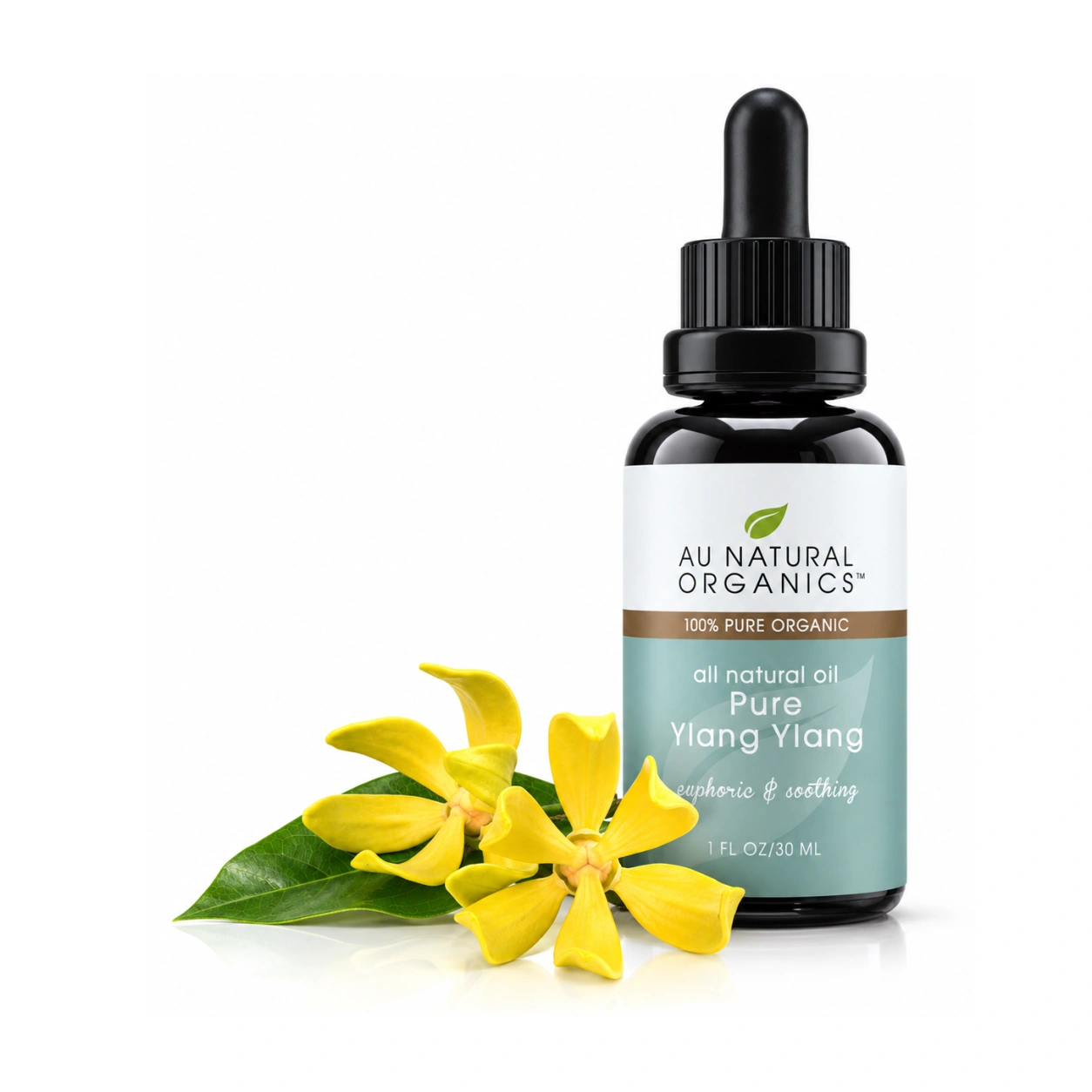
Description
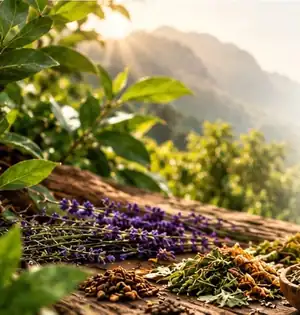
Ylang ylang is a tropical tree of the custard apple family. On the islands of the Comoros, Mayotte and Nosy Be off Madagascar, plantation trees are pruned to 2 to 3 metres so the long, twisted flowers can be picked by hand. Pickers, often women, gather the flowers at dawn when the scent is strongest, once the petals have turned from green to deep yellow. The flowers go to small village stills and are distilled the same day. The oil is pale to golden yellow with a sweet, heady floral scent and fruity, slightly spicy notes.
Details
| Botanical name | Cananga odorata (ylang ylang) |
|---|---|
| Origin | Comoros, Madagascar |
| Part used | Fresh flowers |
| Extraction | Steam-distilled |
| Aroma | Sweet, heady, floral |
| Ingredients | 100% Cananga odorata flower oil |
Why supply is limited: most of the world’s ylang ylang comes from a few Indian Ocean islands, and the flowers must be picked by hand at dawn and distilled the same day.
How to use
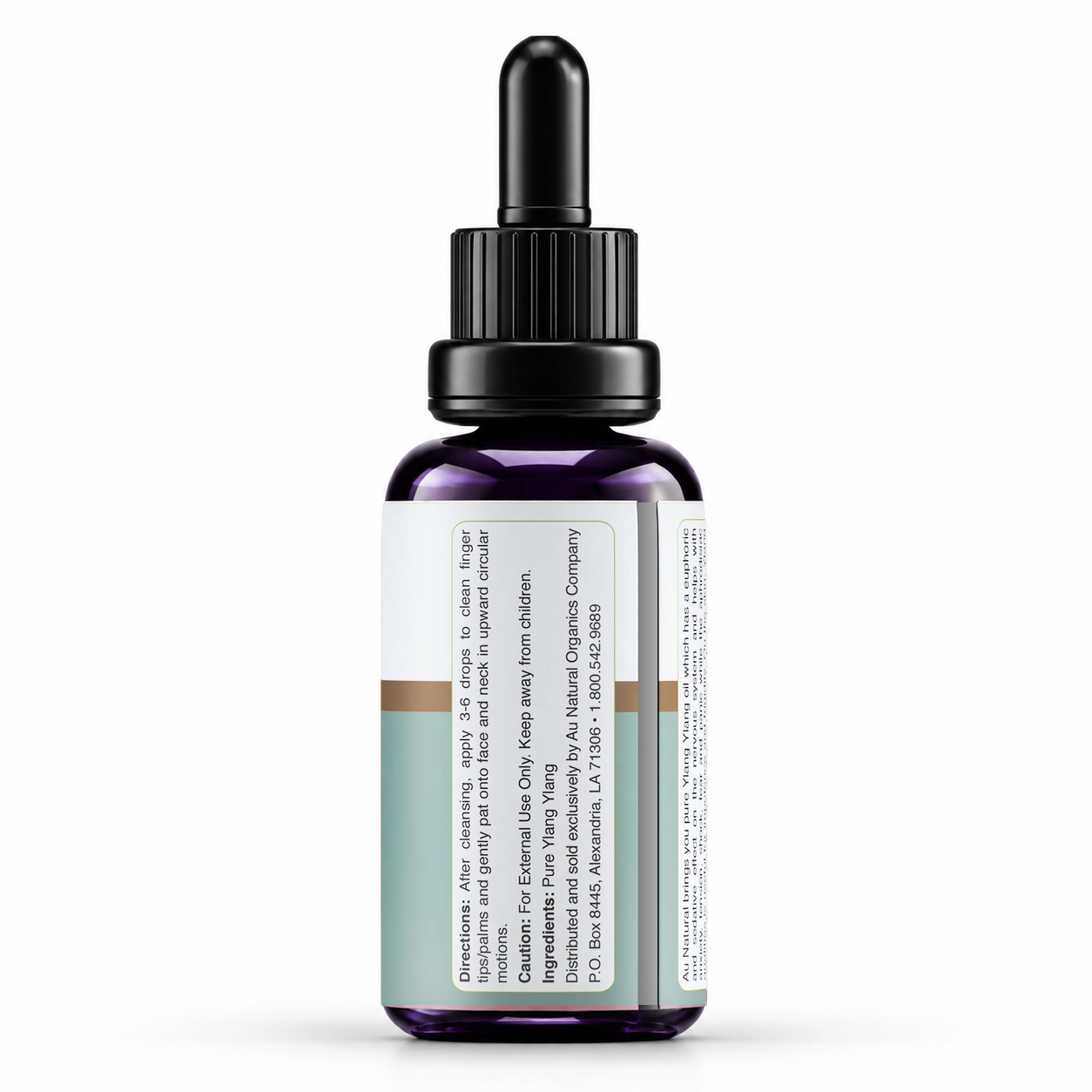
- Perfume: add 1 to 2 drops to a perfume blend as a floral heart note.
- Body oil: add 2 drops to a tablespoon (15ml) of carrier oil.
- Hair oil: add 1 to 2 drops to your hair oil for scent.
Essential oils are concentrated. Always dilute before use on skin, patch test first, keep away from eyes and out of reach of children, and do not take internally. If you are pregnant or nursing, check with your doctor before use.
FAQs
What does ylang ylang smell like?
Sweet, heady and floral, with fruity and slightly spicy notes.
What are ylang ylang fractions?
One distillation is split into graded fractions, such as extra and I to III, each with a slightly different scent.
What blends well with it?
Citrus oils, sandalwood, patchouli and jasmine.
Reviews