
Description
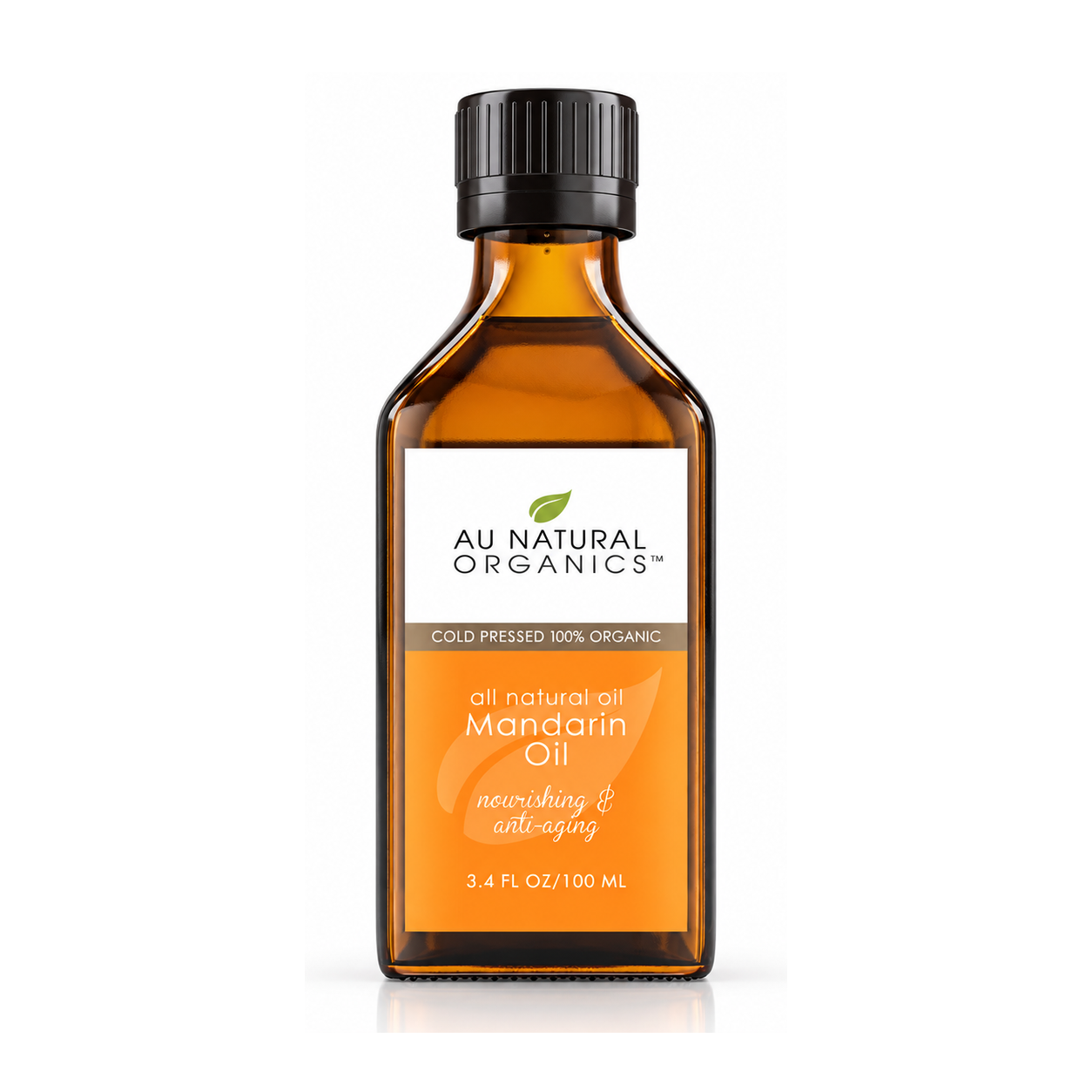
The mandarin is a small citrus tree from southern China and South-East Asia, now grown in warm regions around the world. In Sicily, Calabria, Brazil and Argentina the fruit is picked by hand from about October to January. At processing plants the oil is taken off the peel first, before the fruit is juiced, so mandarin oil is a co-product of juice making. It smells sweeter and softer than orange. Alongside limonene it naturally contains a small amount of methyl N-methylanthranilate, which gives a faint floral note.
Details
| Botanical name | Citrus reticulata (mandarin) |
|---|---|
| Origin | Italy, Brazil |
| Part used | Fruit peel |
| Extraction | Cold-expressed |
| Aroma | Sweet, soft citrus |
| Size | 3.4oz (100ml) |
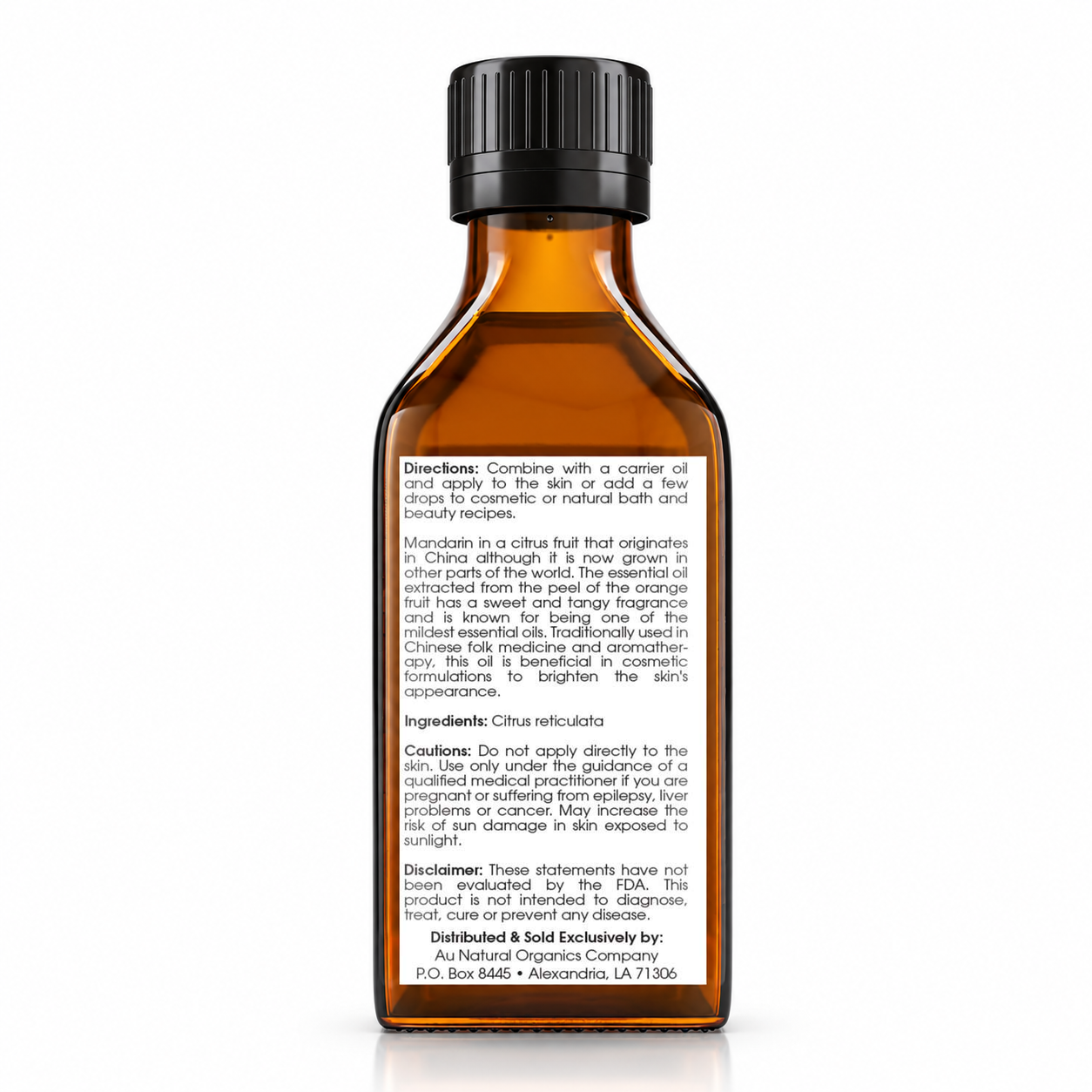
| Ingredients | 100% Citrus reticulata peel oil |
Green, yellow or red: mandarin oil changes colour with the harvest, from green oil in autumn to red oil from fully ripe fruit in winter.
How to use
- Diffuser: add 4 to 5 drops to water in your diffuser.
- Bath: mix 5 drops into a tablespoon (15ml) of carrier oil, then add to the bath.
- Soap and blends: add to soaps and pair with lavender, neroli or frankincense.
Essential oils are concentrated. Always dilute before use on skin, patch test first, keep away from eyes and out of reach of children, and do not take internally. If you are pregnant or nursing, check with your doctor before use. Citrus oils oxidise over time; keep the cap closed and use within 12 months of opening.
FAQs
How is mandarin different from orange oil?
Mandarin smells sweeter and softer, with a faint floral note.
How is it made?
The oil is pressed from the peel, not distilled.
What blends well with it?
Lavender, neroli, frankincense and other citrus oils.
Reviews