
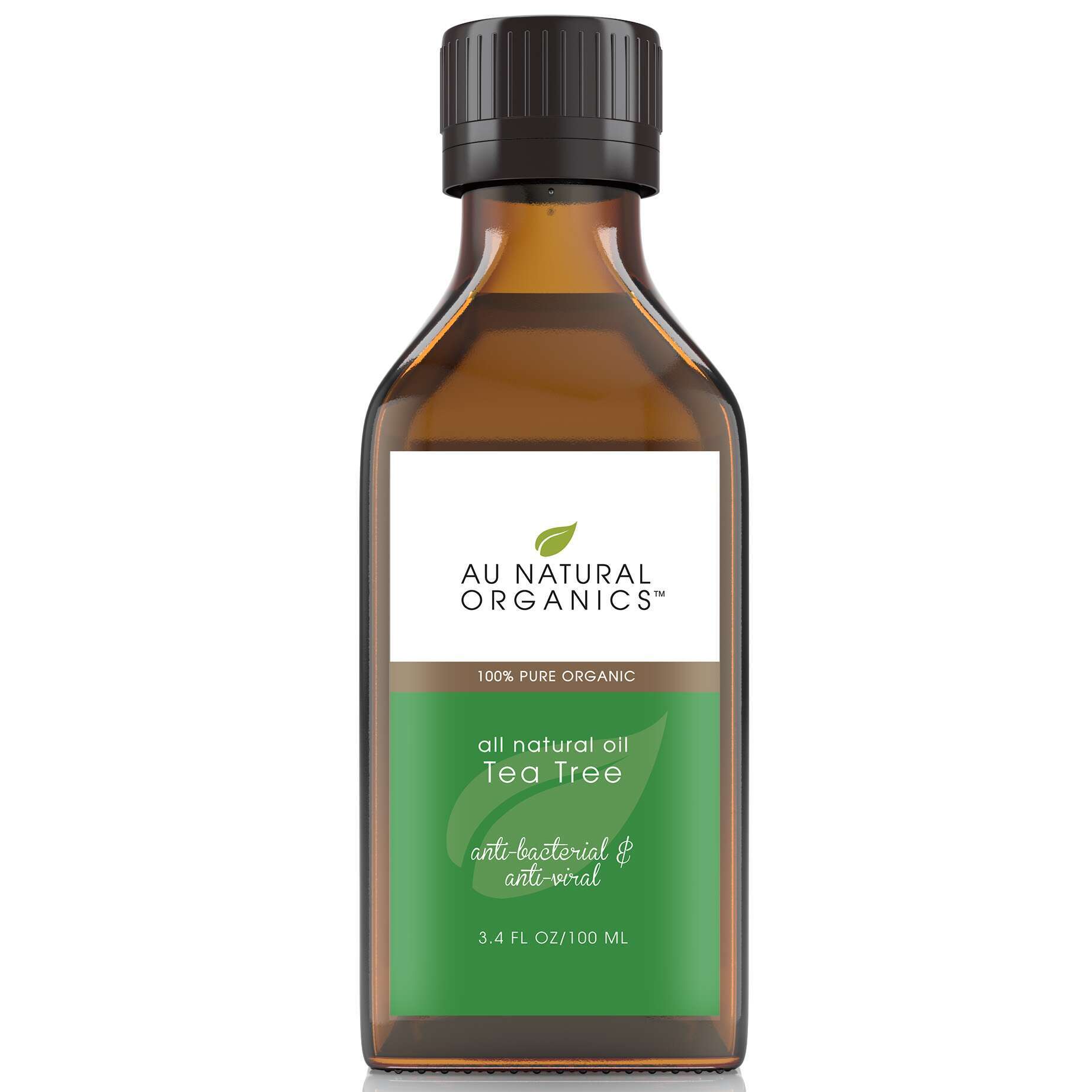

Description
Tea tree is a paperbark shrub of the myrtle family, native to the swampy coastal lowlands around the Clarence and Richmond rivers in northern New South Wales. The Bundjalung people used the crushed leaves long before Europeans arrived. Today it grows on plantations in the same region. Once a year, forage harvesters cut and chop the leafy tops, which go straight to a distillery on the farm or nearby, and the trees grow back from the stump. The oil is clear to pale yellow with a sharp, fresh scent. Its main component is terpinen-4-ol.
Details
| Botanical name | Melaleuca alternifolia (tea tree) |
|---|---|
| Origin | New South Wales, Australia |
| Part used | Leaves and twigs |
| Extraction | Steam-distilled |
| Aroma | Fresh, green, sharp |
| Ingredients | 100% Melaleuca alternifolia oil |
Quality standard: tea tree oil is judged against the international standard ISO 4730, which sets its terpinen-4-ol content at 35 to 48 percent.
How to use
- Cleanser: add 1 to 2 drops to a pump of your face wash.
- Shampoo: add 2 to 3 drops to your shampoo.
- Home: add 10 drops to a spray bottle of water and vinegar for surfaces.
Essential oils are concentrated. Always dilute before use on skin, patch test first, keep away from eyes and out of reach of children, and do not take internally. If you are pregnant or nursing, check with your doctor before use.
FAQs
Can I put tea tree oil straight on my skin?
No. It is concentrated. Dilute it in a carrier oil or cleanser first and patch test.
What is terpinen-4-ol?
The main component of tea tree oil and the one the ISO 4730 standard measures.
What does it blend with?
Lemon, lavender, eucalyptus and rosemary.



Caroline Chia –
This oil is beautiful! Very lemon-y, and I have noticed the smell overpowers other scents very easily, so just one drop to my projects suffice. The bottle and everything that I have received is packaged neatly and their oil is fresh! Thank you