The Ingredient Library
Tea Tree
Melaleuca alternifolia
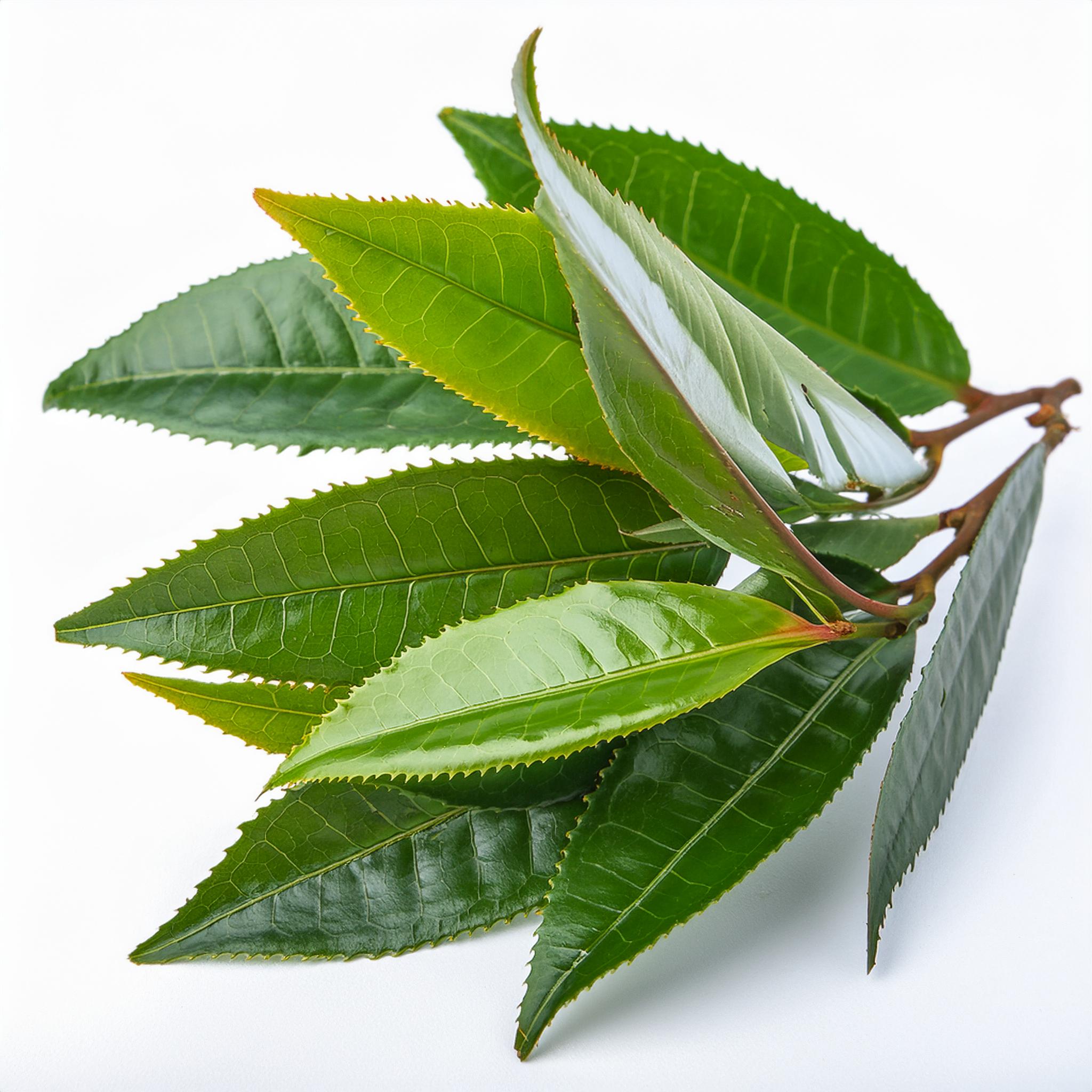
Tea tree essential oil is steam-distilled from the needle-like leaves of a paperbark shrub native to the swampy coastal lowlands of northern New South Wales, Australia, where most of it is still produced.
Get to know Tea Tree
- Source
- Leaves and twigs
- Origin
- New South Wales, Australia
- Extraction
- Steam-distilled
- Aroma
- Fresh, green, sharp
What it is
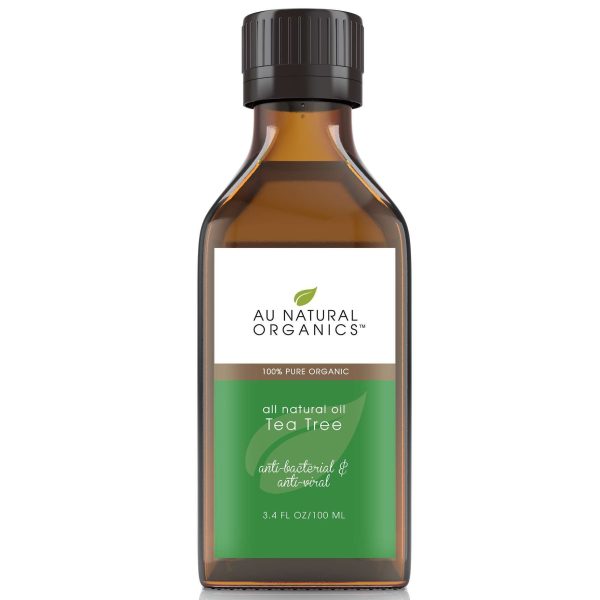
Tea Tree is an aromatic essential oil distilled from the plant.
Why it belongs in your routine
Fresh, sharp-smelling oil distilled from Australian tea tree leaves.
How to use
Always dilute in a carrier oil before it touches skin. Never use undiluted. Patch test first.
Where Tea Tree comes from
Tea tree is a small tree or tall shrub of the myrtle family with papery bark and soft, narrow leaves. It is native to a small area of north-eastern New South Wales and south-eastern Queensland, where it grows along streams and in swampy ground, particularly around the Clarence and Richmond rivers. The Bundjalung people of that region used the crushed leaves long before Europeans arrived. Today it is grown mostly on plantations there.
Tea tree oil is clear to pale yellow with a sharp, fresh, camphor-like scent. Its main constituent is terpinen-4-ol, which the international standard ISO 4730 requires at 35 to 48 percent, with smaller amounts of gamma-terpinene and alpha-terpinene. It is used in cleansers, shampoos, soaps, deodorants and household cleaning products.
Sourcing & extraction
How Tea Tree is sourced and extracted
Why it is rare
Australian tea tree is grown in a fairly small region with the right swampy soils, and oil quality is judged against a strict international standard. Plants are cut back once a year and grow back from the stump, so yearly output is set by the land under crop.
How it is gathered
Tea tree oil starts on plantations in the Northern Rivers region of New South Wales, where the trees are planted in dense rows. Growers typically harvest once a year with forage harvesters that cut the leafy tops and chop them into small pieces. The trees resprout from the stumps for the next harvest. The chopped leaf is loaded straight into bins and taken to a distillery on the farm or nearby.
How it is made
Steam-distilled from leaves and twigs
- The leafy tops of tea tree plantations are cut and chopped by a harvester, then tipped straight into steel distillation bins.
- Steam is forced up through the packed leaf for a few hours, carrying the oil out of the tiny oil glands.
- The steam and oil vapour are cooled in a condenser, and the pale oil floats to the top of the separating tank.
- The oil is drawn off, filtered and tested against ISO 4730 for terpinen-4-ol and other components before sale.
How to use Tea Tree
- Add a few drops to a diffuser for its aroma.
- For skin, dilute 1 to 2 drops in a teaspoon of carrier oil before applying.
- Keep away from eyes and never use undiluted on skin.
For external use only. Patch test on a small area before first use and stop if irritation occurs. If you are pregnant, nursing or have a medical condition, ask a healthcare professional before use.
From ingredient to routine
Products with Tea Tree
Find this ingredient in our collection.
Questions about Tea Tree
Where does Tea Tree come from?
Tea tree oil starts on plantations in the Northern Rivers region of New South Wales, where the trees are planted in dense rows. Growers typically harvest once a year with forage harvesters that cut the leafy tops and chop them into small pieces. The trees resprout from the stumps for the next harvest. The chopped leaf is loaded straight into bins and taken to a distillery on the farm or nearby.
How is Tea Tree extracted?
Steam-distilled from leaves and twigs. The leafy tops of tea tree plantations are cut and chopped by a harvester, then tipped straight into steel distillation bins. Steam is forced up through the packed leaf for a few hours, carrying the oil out of the tiny oil glands. The steam and oil vapour are cooled in a condenser, and the pale oil floats to the top of the separating tank. The oil is drawn off, filtered and tested against ISO 4730 for terpinen-4-ol and other components before sale.
Why is Tea Tree considered rare?
Australian tea tree is grown in a fairly small region with the right swampy soils, and oil quality is judged against a strict international standard. Plants are cut back once a year and grow back from the stump, so yearly output is set by the land under crop.