
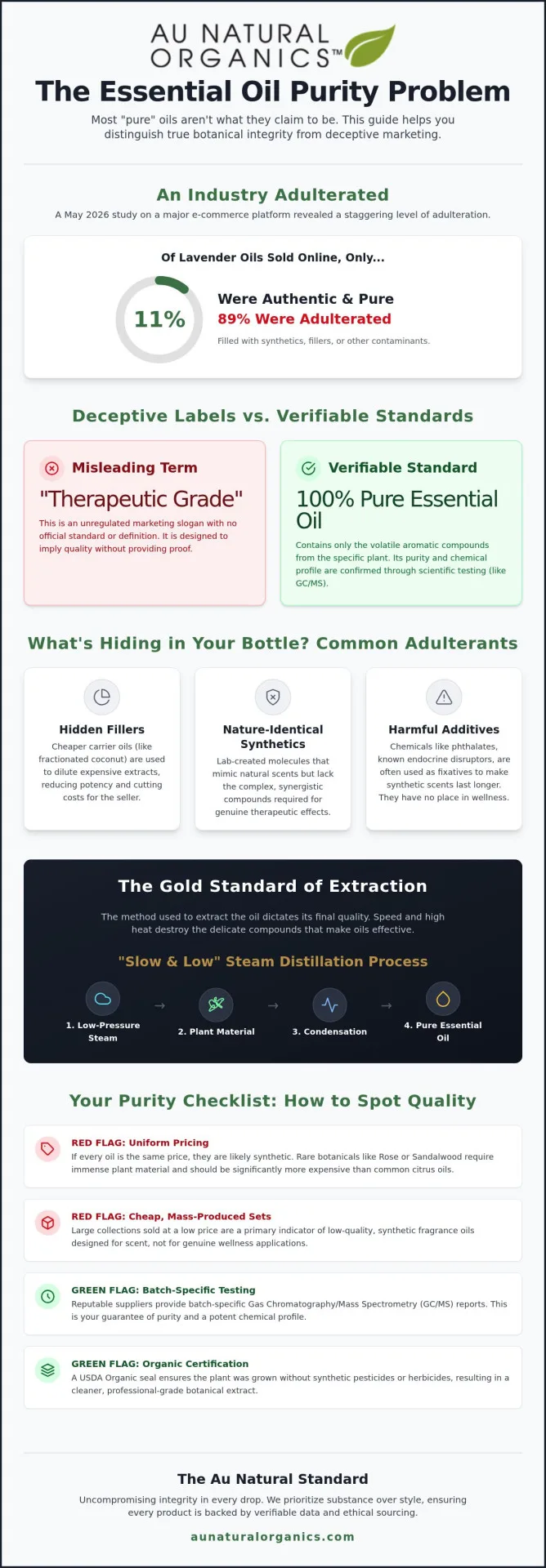
A May 2026 study revealed that only 11% of lavender oils sold on a major e-commerce platform were authentic. This staggering level of adulteration makes finding 100 pure essential oils feel like a daunting task. You’ve likely felt the frustration of deciphering “therapeutic grade” labels only to realize they’re unregulated marketing terms. Your skin and your budget deserve better than diluted synthetics that fail to deliver results.
We believe botanical integrity is non-negotiable. This guide provides the expertise needed to master the science of extraction and the necessity of batch-specific documentation. You’ll learn to identify high-quality oils with absolute confidence; we’ll also detail safe dilution ratios that align with 2026 professional standards. From complying with the strict new EU fragrance allergen regulations to mastering the art of intentional pairing, you’re about to transform how you source and utilize these potent plant extracts for genuine wellness. This is a commitment to substance over style, ensuring every drop you use is backed by verifiable data and ethical sourcing.
Key Takeaways
- Learn to distinguish between deceptive marketing terms like “therapeutic grade” and the verifiable botanical standards required for 100 pure essential oils.
- Discover why traditional “slow and low” steam distillation is the only method capable of preserving the full spectrum of a plant’s volatile aromatic compounds.
- Identify the chemical markers of adulteration, such as phthalates and nature-identical synthetics, to protect your wellness and your investment.
- Master precise dilution ratios for various age groups and skin types to ensure the safe, effective application of these highly concentrated extracts.
- Understand the role of USDA Organic certification in eliminating pesticide residues and ensuring a clean, professional-grade botanical profile.
Beyond the Label: Defining 100 Pure Essential Oils
Purity is not a suggestion. It is a measurable botanical standard. For an extract to be classified as 100 pure essential oils, it must contain only the volatile aromatic compounds derived directly from the plant material. Anything less is a compromise. Many mass-market products rely on fragrance oils, which are synthetic laboratory constructs designed for scent alone. These lack the biological complexity of a true Essential oil. True botanical integrity demands that the oil reflects its origin; the soil, altitude, and climate dictate the final chemical profile. We reject the notion that scent is the primary goal. Substance is the goal.
The danger lies in nature-identical synthetics. These molecules are engineered to mimic natural scents but lack the synergistic trace compounds found in the wild. Adulterants like phthalates are frequently used as fixatives to make these scents last longer. These chemicals are known endocrine disruptors. They have no place in a professional wellness protocol. When an oil is cut with synthetics, the body’s response changes from therapeutic to defensive. We prioritize raw, untouched quality over industrial efficiency.
The Chemistry of Purity: Terpenes and Phenols
The efficacy of an oil depends on its molecular fingerprint. Specific molecules, such as linalool in lavender or 1,8-cineole in eucalyptus, drive the therapeutic response. However, purity alone doesn’t guarantee excellence. An oil can be unadulterated yet remain low quality if the harvest was premature or the distillation was rushed, leading to an unbalanced ratio of terpenes and phenols. Professionals use GC/MS testing to verify these levels. A chemotype is a chemically distinct entity within a single plant species, where the dominant molecules vary based on the environment. Understanding these variations is vital for professional-grade results. We don’t settle for generic extracts; we demand specific, potent chemistry.
The Adulteration Crisis in Modern Aromatherapy
The market is currently flooded with diluted oils. Common fillers include fractionated coconut oil or synthetic linalyl acetate, which are used to stretch the volume of expensive extracts. This practice directly impacts results. For example, applying adulterated rosemary oil for hair growth will likely lead to disappointment. The necessary scalp-stimulating compounds are either missing or too diluted to function. Hidden additives also increase the risk of skin irritation and long-term sensitization.
Sourcing for Potency: The Architecture of Botanical Extraction
Steam Distillation: The Traditional Craft
The physics of steam distillation involve more than just boiling water. Pressurized steam moves through the plant material, rupturing the microscopic glandular sacs that hold the oil. This vapor carries the volatile compounds into a condenser where they return to a liquid state. The first pass of this process yields the highest potency. While stainless steel is the modern standard for hygiene, some traditionalists still favor copper stills for their ability to remove sulfurous notes during the distillation of certain botanicals. A “slow and low” approach ensures that even the heaviest, most delicate molecules are captured without thermal degradation.
Cold pressing remains the standard for citrus oils, where the essence is mechanically squeezed from the fruit’s rind. Because the rind is the primary contact point for agricultural chemicals, adhering to organic standards is mandatory to avoid concentrating pesticides in the oil. Understanding the intended use of these extracts is important, as FDA regulation of aromatherapy products varies significantly depending on whether a product is marketed for cosmetic or therapeutic purposes. For those seeking the most comprehensive botanical profile, CO2 extraction serves as the modern gold standard. This method uses carbon dioxide in a supercritical state to act as a solvent. Because it operates at lower temperatures than steam, it captures heavy waxes and pigments that traditional methods leave behind.
Wild-Harvested vs. Farmed Botanicals
Terroir is as significant for botanicals as it is for fine wine. Soil health, mineral content, and altitude fundamentally alter an oil’s chemical signature. Wild-harvested plants often possess a more complex array of therapeutic molecules because they must produce these compounds to survive in their natural, unmanaged environments. These “stress” metabolites translate into a more robust profile for the consumer. At Au Natural Organics, we act as a transparent guardian of quality, bridging the gap between traditional global harvesters and those who refuse to compromise on their wellness goals. Choosing ethically sourced essential oils ensures that the legacy of the craft is preserved in every drop.
Navigating the Industry: Organic Certification and Testing Standards
The essential oil industry is currently a landscape of self-regulation and clever semantics. Many consumers believe that high-sounding titles equate to quality, but the reality is more complex. To find 100 pure essential oils, you must look past the front of the bottle. We prioritize raw data over marketing claims. Purity is a result of rigorous testing and uncompromising standards, not a creative tagline. Trust is built through transparency and the refusal to hide behind proprietary “grades.”
The Myth of “Therapeutic Grade” vs. Certified Organic
The term “Therapeutic Grade” is a marketing construct. No government agency or independent regulatory body in the United States or the UK defines or certifies essential oils by grade. It’s often an internal trademark used by companies to imply a standard that doesn’t exist in law. In contrast, USDA Organic certification is a legal standard that requires a strict audit of the entire supply chain. It ensures that the plants were grown without synthetic pesticides, which is critical because the distillation process concentrates everything in the plant material, including chemical residues. If you want a practical framework for how to tell if essential oils are therapeutic grade, the integrity checklist goes beyond label claims and into the verifiable chemical markers that separate genuine quality from marketing fiction.
The integrity-first guides of 2026 emphasize that organic status is the baseline for professional-grade use. While some companies claim their internal “standards” are superior, these lack the third-party oversight that makes organic certification reliable. Transparency beats trademarks every time. If a brand won’t provide the source of its standards, it’s likely hiding a lack of depth.
GC/MS Testing: The Guardian of Quality
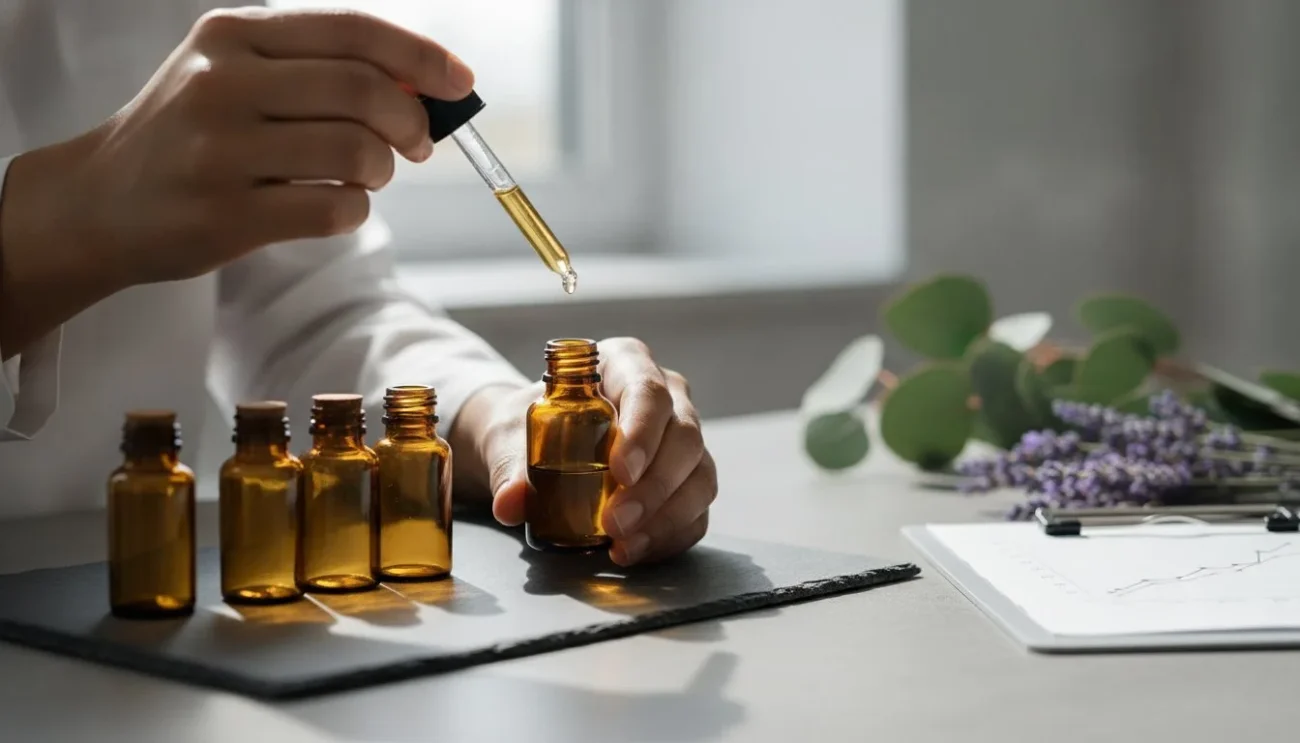
Gas Chromatography-Mass Spectrometry (GC/MS) is the definitive tool for verifying botanical integrity. A Gas Chromatograph separates the oil into its individual chemical components, while the Mass Spectrometer identifies each one. This process reveals the presence of any synthetic additives, pesticides, or heavy metals that shouldn’t be there. It’s the only way to guarantee that you’re working with 100 pure essential oils rather than a “nature-identical” imitation. Batch-specific testing is mandatory because chemical profiles vary from one harvest to the next.
Reading a report requires an understanding of chemical markers. For example, NIEHS research on essential oils demonstrates how the specific ratio of molecules influences their biological effect. In a Lavender report, you expect to see high percentages of linalool and linalyl acetate. If the report shows significant levels of camphor, the oil might be Lavandin passed off as true Lavender. In Peppermint, look for a dominant presence of menthol. Any trace of phthalates or synthetic linalyl acetate is an immediate red flag. We believe you should have the same access to this data that the chemists do.
Mastery of Application: Dilution, Safety, and Synergy
Concentration demands respect. Truly 100 pure essential oils are volatile chemical powerhouses that require disciplined handling. Applying these extracts “neat” is not a sign of expertise; it is a disregard for biological safety. Undiluted application risks immediate dermal irritation and permanent sensitization. We prioritize safety protocols that respect the raw potency of the botanical. Purity is a tool. Mastery is knowing how to temper it.
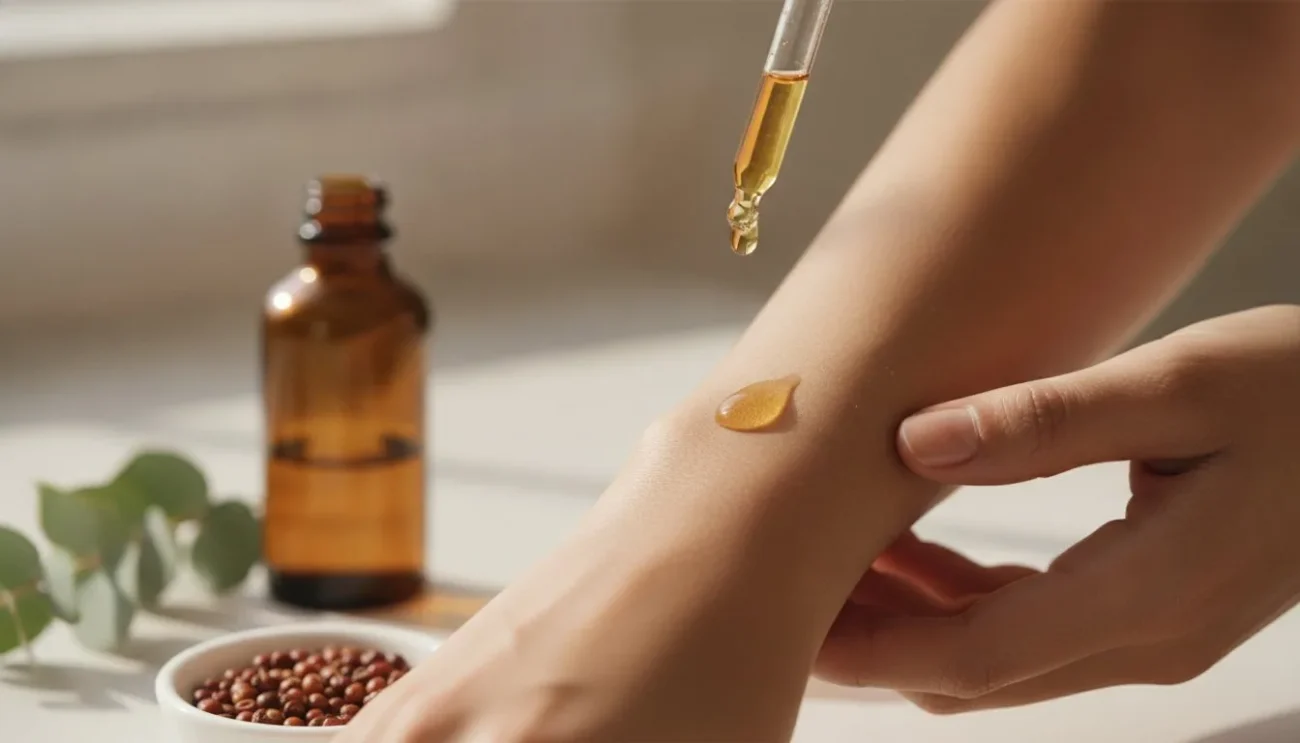
Professional standards for topical application are precise. For facial care, a 1% dilution, which is 2 drops per 10ml of carrier oil, is the established limit. Body massage protocols generally utilize a 2% to 3% concentration. Short-term acute use may reach 5% to 10%, but these levels should be reserved for specific wellness goals under guidance. These ratios ensure the oil remains effective without overwhelming the skin’s natural defenses. Botanical synergy further enhances these results. When you pair complementary oils, their chemical profiles amplify one another, creating a more robust therapeutic effect than a single isolate could achieve.
Storage is the final pillar of integrity. Essential oils must be kept in dark amber glass to block ultraviolet light. Exposure to heat and oxygen triggers oxidation, which fundamentally alters the oil’s chemistry. An oxidized oil is not just less effective; it becomes a sensitizing irritant. Keep your collection in a cool, dark environment to preserve the delicate volatile compounds for the long term.
The Role of High-Potency Carrier Oils
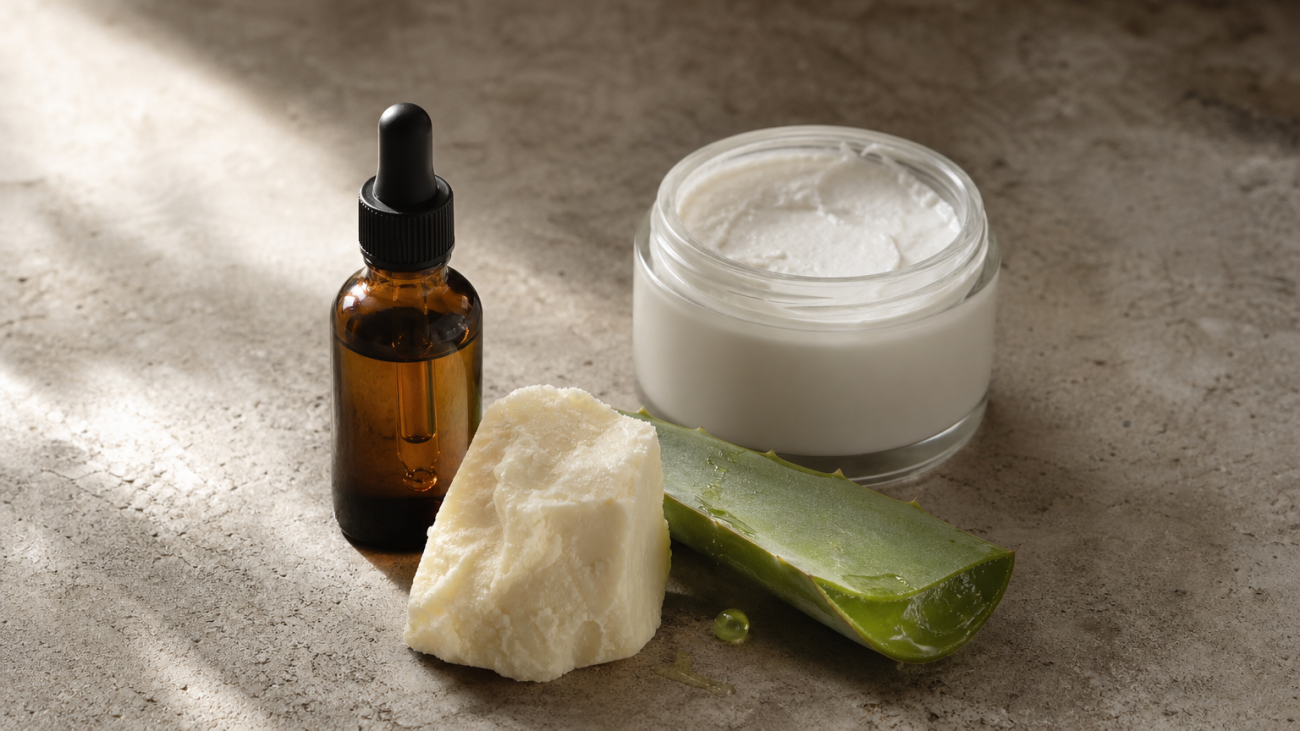
Carrier oils are delivery vehicles. They don’t just dilute; they carry volatile molecules into the dermis while preventing rapid evaporation. Understanding the best carrier oils for skin absorption is essential, as fatty acid ratios and molecular weights dictate how effectively these botanicals penetrate the dermal layers. Choosing authentic batana oil provides a specialized, high-potency base specifically suited for scalp and hair treatments. It’s essential to match the carrier weight to the skin type. Jojoba oil mimics human sebum and is ideal for oily skin, whereas shea butter or heavier oils provide the lipid barrier required for chronic dryness. Substance dictates the selection.
Aromatherapy Safety Protocols
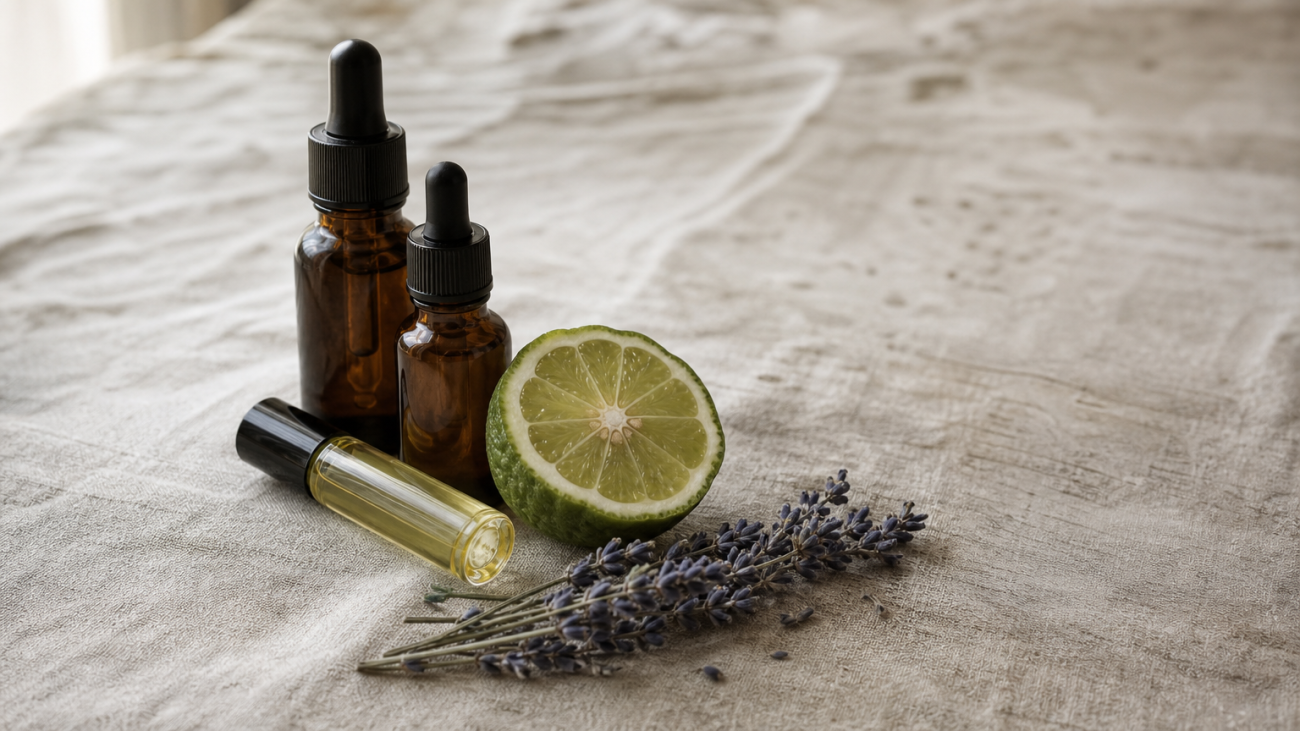
Phototoxicity remains a primary concern for citrus oils. Extracts like bergamot or lemon contains furanocoumarins that react violently with UV light, potentially causing severe burns. Avoid sunlight for at least twelve hours after topical application of these oils. Sensitization is another cumulative risk. Using the same oil undiluted for extended periods can trigger permanent allergic responses. For inhalation, limit diffusion to 30-minute intervals in well-ventilated spaces to prevent olfactory fatigue and respiratory irritation.
The Au Natural Standard: Uncompromising Integrity in Every Drop
Purity is a responsibility. Au Natural Organics rejects the marketing fluff that has come to define the modern essential oil market. We don’t chase trends; we chase botanical integrity. For us, 100 pure essential oils represent a measurable standard of chemical excellence and ethical sourcing. This “Substance over Style” philosophy ensures that every extract we offer serves a specific wellness purpose rather than just providing a pleasant aroma. We believe that transparency is the only way to build lasting trust in a market saturated with imitations.
A Legacy of Ethical Sourcing
We act as a bridge between traditional global harvesters and the modern practitioner. Our sourcing is deliberate and methodical. We support harvesters who utilize traditional processing methods to preserve the plant’s raw, untouched quality. This uncompromising stance extends to our entire range of offerings. You won’t find synthetic fragrances in our body butters or vegan soaps. We select oils for their molecular potency. Scent is simply a secondary benefit of a healthy, balanced chemical profile.
Building Your Professional Botanical Toolkit
Every professional toolkit starts with the foundations. Focus on the essentials: Lavender for its linalool content, Peppermint for menthol, Frankincense for its complex resins, and Rosemary for its stimulating oxides. These are the cornerstones of a results-oriented practice. As your knowledge grows, it’s vital to move beyond simple scents and explore the depth of extracts & tinctures. These concentrated solutions offer a different dimension of botanical potency for deep wellness goals. They represent the next step in mastering the science of plant-based health.
We invite you to transition from a passive consumer to a “Guardian of Quality.” Choosing verified 100 pure essential oils is an act of advocacy for both your health and the ethical treatment of our planet’s botanicals. It’s time to demand more from your wellness products. Explore our catalog of uncompromised botanical solutions and experience the difference that genuine substance makes. Your journey toward botanical mastery begins with a refusal to compromise on purity.
Elevate Your Botanical Standards
Mastering the science of botanical integrity requires moving past the industry’s marketing fluff and demanding verifiable transparency. You now understand that true quality is found in the precise molecular fingerprint revealed by GC/MS testing and the unhurried craft of traditional distillation. Choosing 100 pure essential oils is a commitment to substance over style; it’s a decision to prioritize raw, untouched quality in every wellness protocol. By adhering to professional dilution standards and selecting ethically sourced ingredients, you ensure that your practice remains both safe and effective.
The journey to botanical mastery begins with a refusal to compromise on the purity of your extracts. We invite you to experience the difference that uncompromising standards make in your wellness journey. Our offerings contain no synthetic fragrances and feature only ethically sourced botanical ingredients designed for professional-grade potency. Explore our Uncompromising Collection of 100 Pure Essential Oils to begin building your professional botanical toolkit today. Your commitment to quality is the foundation of genuine wellness.
Frequently Asked Questions
How can I test if my essential oil is 100% pure at home?
You cannot definitively verify botanical purity through home testing; only professional GC/MS laboratory analysis provides a complete chemical fingerprint. A common “paper test” involves dropping oil onto white paper to see if it leaves a permanent oily ring. While this can identify heavy carrier oil additives, it fails to detect sophisticated synthetic isolates or nature-identical molecules. Professional results require professional-grade equipment and expertise.
What is the difference between essential oils and fragrance oils?
Does “therapeutic grade” actually mean anything in the industry?
No, “therapeutic grade” is a marketing trademark with no legal or regulatory standing in the industry. No independent government agency certifies oils under this specific title. Consumers should instead prioritize USDA Organic certification and batch-specific testing reports. These provide verifiable evidence of botanical integrity rather than relying on an internal company buzzword designed to imply a standard that doesn’t exist in law.
Why do some 100% pure oils cost significantly more than others?
Are organic essential oils always better than non-organic ones?
Organic oils are superior because the distillation process concentrates everything within the plant material, including synthetic pesticide residues. Certified organic standards ensure the crop was grown without these harmful chemicals, protecting the purity of the final extract. For professional-grade application, organic status is the non-negotiable baseline for safety and ensuring the chemical profile remains balanced and untainted by agricultural toxins.
Can I apply 100% pure essential oils directly to my skin without a carrier?
You should never apply undiluted oils directly to the skin. These extracts are highly concentrated volatile chemicals that can cause immediate burns or long-term sensitization. Always utilize a high-quality carrier oil to act as a delivery vehicle. Proper dilution protects your skin’s lipid barrier while ensuring the volatile compounds don’t evaporate too quickly, allowing for deeper and safer dermal absorption.
How long do 100% pure essential oils typically last before oxidizing?
Most essential oils maintain their integrity for two to five years, though citrus oils can oxidize in as little as twelve months. Proper storage in dark amber glass, away from heat and light, is critical for preservation. Once an oil oxidizes, its chemical profile shifts fundamentally. This process turns a therapeutic botanical extract into a potential sensitizing irritant that should no longer be used topically.
What should I look for on an essential oil label to ensure its quality?
A transparent label must include the specific Latin botanical name, the country of origin, and the exact extraction method used. It should explicitly state that it contains 100 pure essential oils and ideally display a third-party organic seal. Avoid any labels that use vague terms like “perfume oil,” “nature-identical,” or “fragrance,” as these terms almost always indicate the presence of synthetic additives.

Leave a comment
You must be logged in to post a comment.