
We believe transparency is the only path to true wellness. This reference empowers you to master the nuances of extracts & tinctures, providing clear criteria to identify truly potent, ethically sourced solutions. We’ll strip away the industry jargon to explain how specific health goals dictate which format you need. You’ll gain the confidence to source pure, raw ingredients that respect biological integrity. By the end of this guide, you’ll understand why unhurried, traditional processing remains the gold standard for botanical strength.
Key Takeaways
- Distinguish between alcohol-based tinctures and liquid extracts to select the most effective solvent for your specific wellness needs.
- Evaluate the superior potency of unhurried, artisanal maceration compared to the compromised chemical profiles of mass-produced industrial alternatives.
- Master the practical application of extracts & tinctures through precise sublingual dosing and strategic topical integration.
- Identify the hallmarks of ethical sourcing and raw botanical integrity to ensure your supplements remain free from synthetic additives and fillers.
- Understand how absorption rates and concentration levels dictate which botanical format best suits your immediate and long-term health goals.
Defining Botanical Potency: What are Extracts & Tinctures?
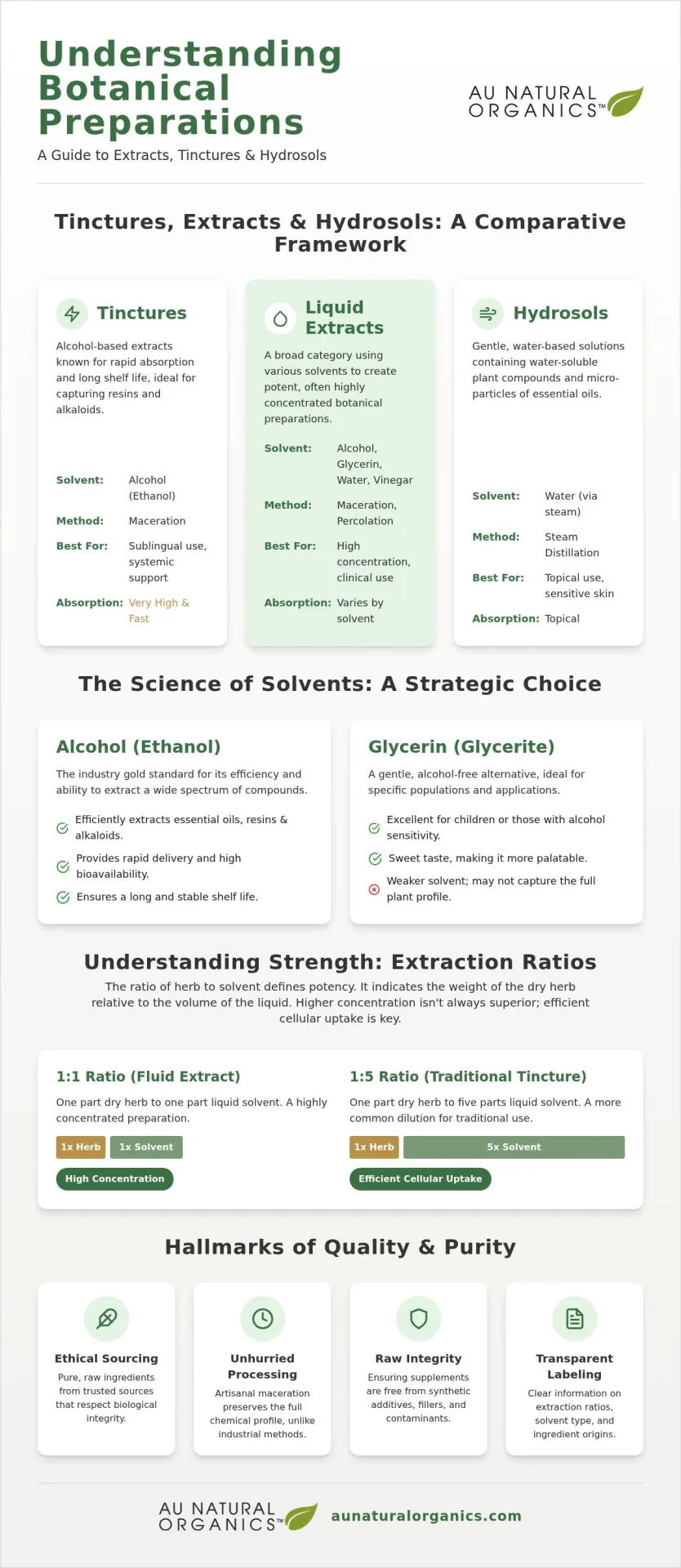
Potency is the singular measure of a botanical preparation’s worth. It represents the successful capture of active constituents from raw plant matter. Botanical extraction is the process of transferring plant vitality into a shelf-stable liquid medium. While the terms are often used interchangeably, a specific distinction exists between the various formats of extracts & tinctures. A tincture is a specific type of extract that utilizes alcohol as the primary solvent to pull medicinal compounds from the plant. Understanding What is a Tincture involves recognizing that ethanol is uniquely capable of dissolving certain resins and alkaloids that water alone cannot reach. Liquid extracts, by contrast, utilize a broader range of solvents like water, glycerin, or vinegar to capture diverse botanical profiles.
The Science of Solvents: Alcohol vs. Glycerin
Understanding Extraction Ratios and Strength
Precision is mandatory. Potency is mathematically defined by the ratio of herb to solvent. This ratio, typically ranging from 1:1 to 1:5, indicates the weight of the dry herb relative to the volume of the liquid. A 1:1 ratio, often called a fluid extract, is a highly concentrated preparation where one part herb equals one part liquid. A 1:5 ratio is more common for traditional tinctures. High concentration doesn’t always equate to superior biological absorption. The human body has limited pathways for processing concentrated bioactives; sometimes, a more dilute 1:5 preparation allows for more efficient cellular uptake. You must also distinguish between “Single Herb” extracts, which focus on the isolated power of one species, and complex botanical blends designed for synergistic effects. Deciphering these labels is the first step toward professional-grade wellness.
Tinctures, Extracts, and Hydrosols: A Comparative Framework
Form follows function. In the sophisticated landscape of extracts & tinctures, your specific health objective determines the necessary preparation method. Potency is not a monolith; it’s a measure of how effectively a plant’s bioactives reach their target. Tinctures offer rapid absorption into the bloodstream via the sublingual path, allowing compounds to enter circulation almost immediately. Conversely, fluid extracts provide a more concentrated dose, typically at a 1:1 ratio, and are often reserved for professional or clinical settings where high-intensity intervention is required. The National Institutes of Health provides a rigorous baseline for these Botanical Preparation Methods, highlighting how different solvents influence final efficacy and safety. Choosing the right format depends on whether you seek internal systemic support or localized topical application.
The Role of Botanical Hydrosols
Hydrosols are the gentle cousins of essential oils. They are perfect for sensitive skin and aromatic therapy. While a tincture uses alcohol to pull heavy resins and alkaloids, steam distillation creates a product fundamentally different. It yields a delicate, water-based solution containing the water-soluble elements and essential oil micro-particles that are frequently lost in more aggressive maceration processes. These are exceptional for external use. You can enhance your daily topical regimen by layering hydrosols with botanical body butters. This combination seals in moisture while delivering water-bound nutrients directly to the dermis, creating a synergistic effect that alcohol-based preparations cannot replicate.
Absorption Rates and Bioavailability
Delivery speed defines utility. Sublingual delivery allows tinctures to bypass the digestive system entirely. This prevents the “first-pass effect” in the liver, ensuring a higher percentage of active compounds reach the bloodstream intact. Shelf life also varies significantly across the spectrum of extracts & tinctures. Alcohol-based tinctures remain stable for five years or more, whereas water-based extracts require careful storage and have a shorter window of peak potency. Your body’s ability to process these plant compounds depends on gut health and carrier synergy. Understanding these metabolic pathways ensures you aren’t just consuming botanicals, but actually utilizing them. To ensure you’re using the most potent preparations available, explore our curated collection of professional-grade botanical solutions designed for maximum bioavailability.
The Anatomy of Purity: Sourcing and Solvent Integrity
Ethical Sourcing and Origin Integrity
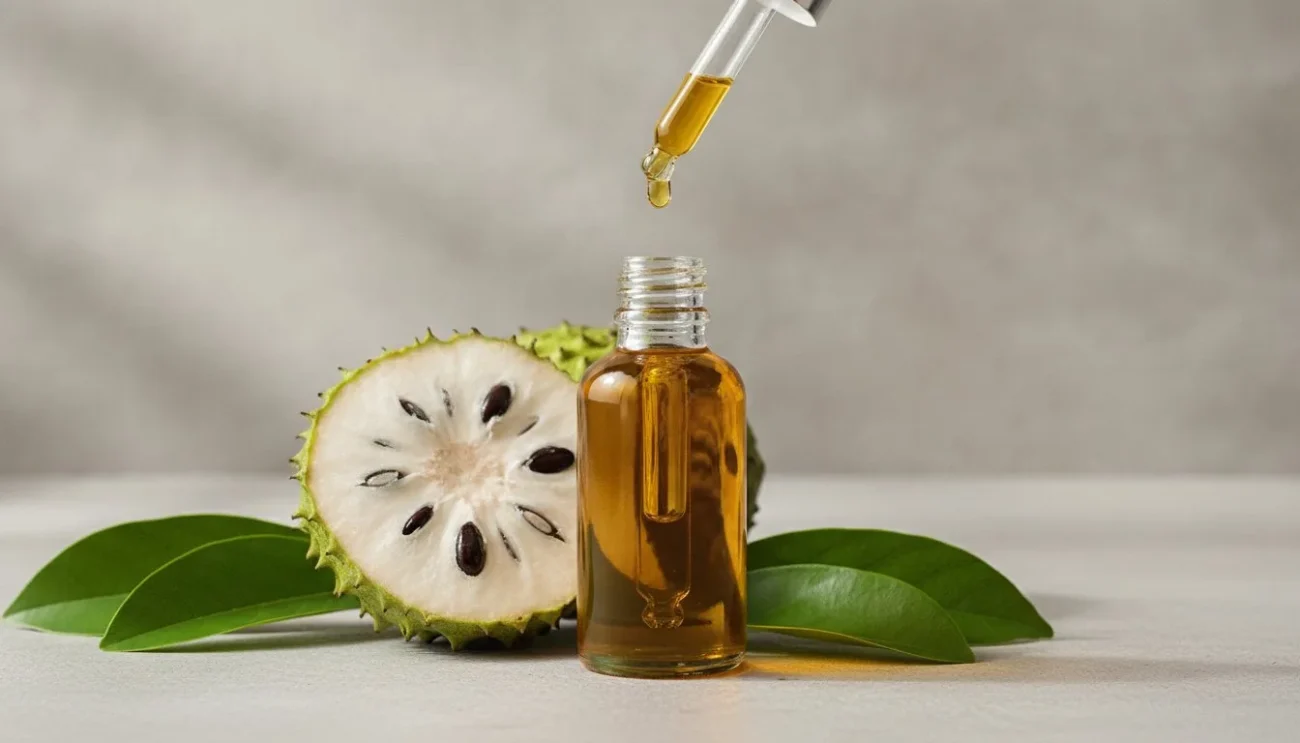
Transparency is the only safeguard against adulteration. Wild-harvested and organic standards are essential to prevent the concentration of pesticides and heavy metals in finished products. For rare and potent botanicals like soursop oil or Sea Buckthorn, a transparent supply chain ensures the species identity and the timing of the harvest are both precise. Consider the production of authentic Batana oil. Its efficacy relies on traditional harvesting methods that respect the plant’s natural cycle. This same dedication to origin integrity applies to every liquid solution we offer. Without a direct connection to the source, the risk of receiving a diluted or chemically compromised product increases significantly.
Identifying Clean Extraction Methods
Time is a silent partner in the lab. While industrial processors rush the creation of extracts & tinctures, we value the slow, careful rhythm of nature. Industrial extraction often prioritizes speed, using heat and aggressive chemical solvents to force constituents out of the plant matter. This haste destroys delicate volatile oils and creates a flat, one-dimensional profile. Artisanal, unhurried maceration allows the solvent to gently pull a complex spectrum of compounds over several weeks. This patience results in a more robust chemical profile that mirrors the living plant. You must remain vigilant when reading labels. Mass-market products frequently hide synthetic fragrances, artificial colors, and “natural” flavors behind vague terminology. These additives compromise the “Au Natural” philosophy and can cause sensitivities. A clean product relies on organic alcohol and pure water, ensuring a residue-free final solution that maintains professional-grade standards. Avoid any preparation that lists hidden sugars or preservatives, as these are often used to mask low-quality raw materials or poor extraction technique.
Practical Guide: How to Evaluate and Use Botanical Liquids
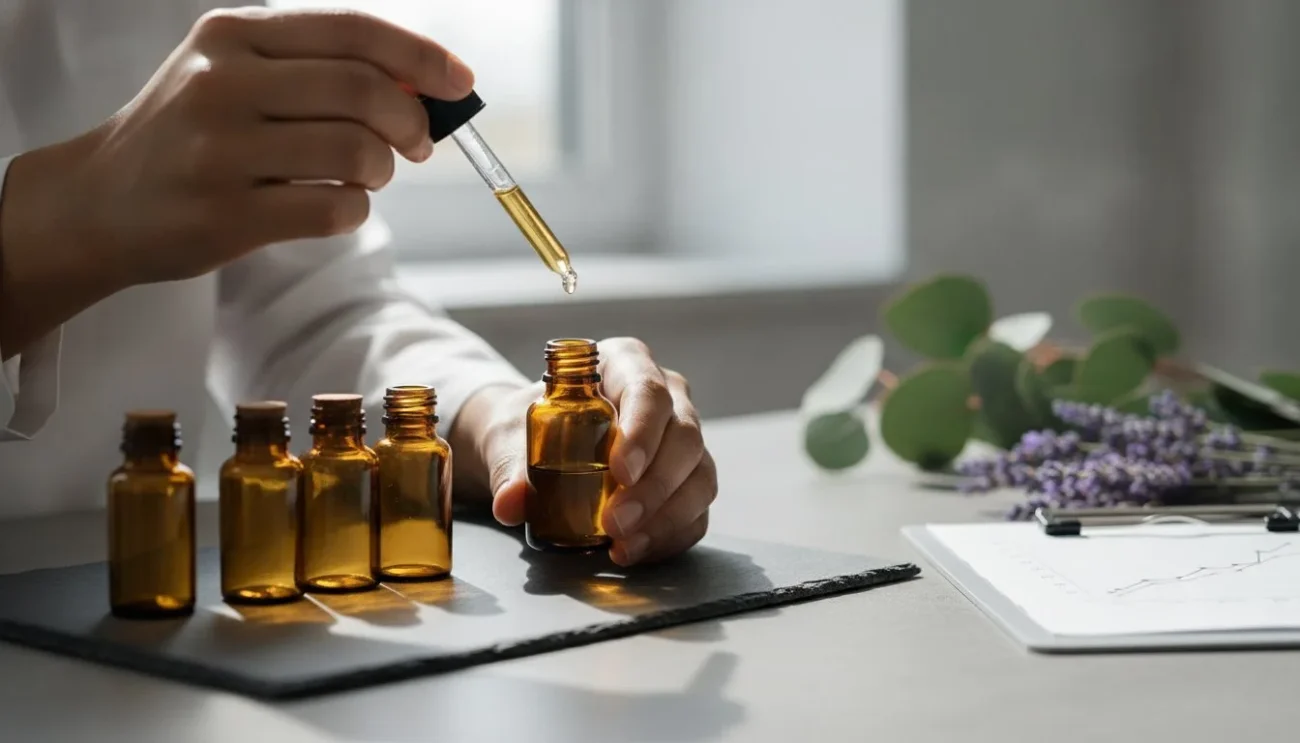
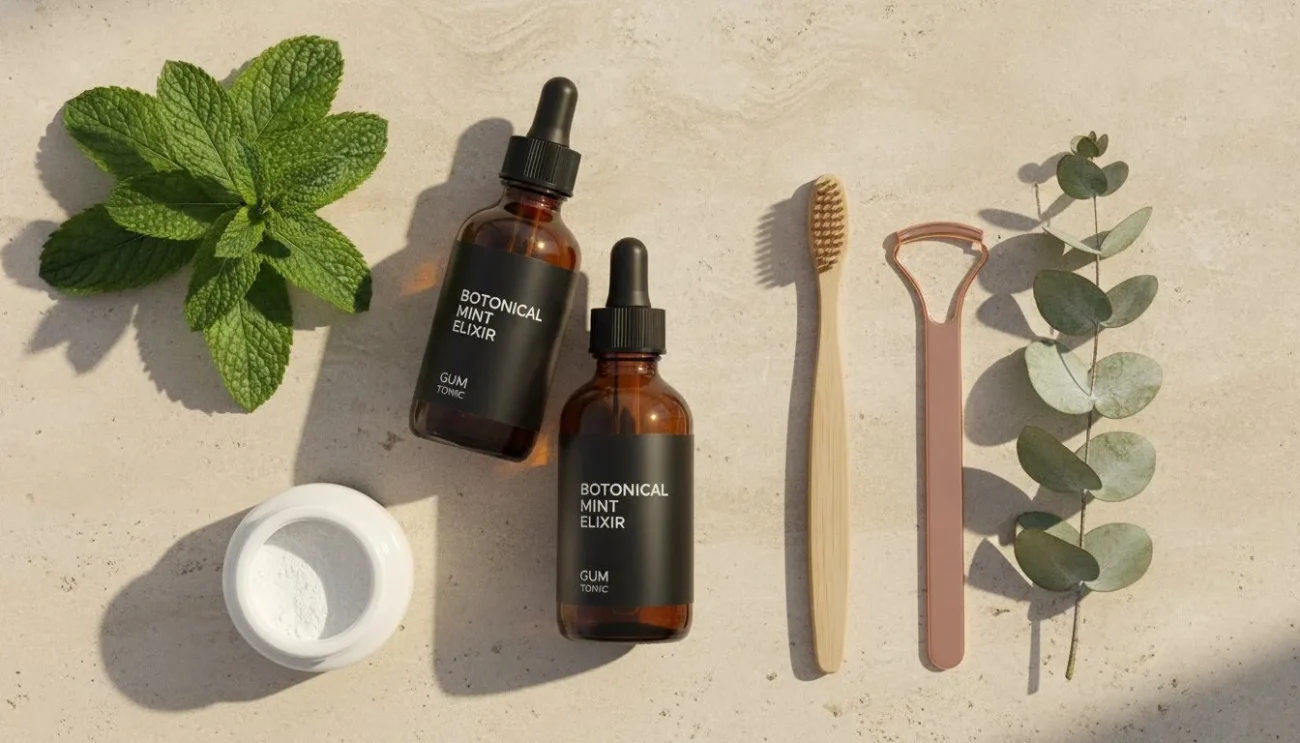
Usage dictates efficacy. While sublingual administration offers the fastest route to the bloodstream, integrating these liquids into your daily ritual requires an understanding of molecular stability and metabolic timing. For internal use, the sublingual method remains the professional standard. Place the required dosage under the tongue and hold it for sixty seconds before swallowing. This allows the bioactives to pass through the thin mucosal membrane, bypassing the digestive system for immediate systemic support. If the botanical’s natural bitterness is too intense, integrate the dose into a small amount of room-temperature water or herbal tea. Avoid boiling liquids, as excessive heat can denature delicate plant proteins and volatile compounds. Because botanical extracts interact with the entire body systemically, those committed to a holistic approach may also benefit from exploring botanical oral care and systemic wellness, where the same principles of purity and ingredient integrity extend to supporting gum health and the oral microbiome.
Synergistic Blending with Carrier Oils
Concentrated extracts are often too potent for direct skin application. To create custom topical treatments, you must utilize a carrier vehicle. Mixing professional-grade extracts with best carrier oils for skin absorption like Jojoba or Batana oil creates a delivery system that enhances dermal penetration. For facial applications, maintain a dilution ratio of 1% to 2%, which translates to approximately six to twelve drops of extract per ounce of carrier oil. For body treatments, you can increase this to 3% or 5%. These lipid-based carriers don’t just dilute; they surround the botanical constituents, protecting them as they move through the skin’s lipid barrier. This method ensures localized support without the risk of irritation from concentrated alcohol or resins. When selecting aromatic botanicals to incorporate into these blends, sourcing 100 pure essential oils with verified batch documentation ensures you’re adding genuine therapeutic compounds rather than adulterated synthetics to your formulations.
A Daily Regimen for Holistic Health
Consistency is the guardian of results. A single high dose is less effective than a steady, moderate intake that respects your body’s circadian rhythms. Morning is the ideal time for invigorating adaptogens, while evening is better suited for calming nervines that support restorative sleep. If you use hydrosols, apply them as a hydrating base before layering on your oil-based extracts or body butters. This “moisture sandwich” technique mimics the skin’s natural hydrolipid film, maximizing absorption. Secure your wellness foundation by selecting from our professional-grade extracts & tinctures today to experience the difference that uncompromising purity makes.
The Au Natural Standard: Why Sourcing Integrity Wins
From Rare Botanicals to Wellness Solutions
Your Journey to Botanical Mastery
Knowledge is empowerment. We believe a health-conscious consumer is a discerning one, which is why we prioritize transparency in every step of our supply chain. By choosing a brand that acts as a guardian of traditional wisdom, you ensure your wellness journey is rooted in substance rather than trends. We invite you to explore our full catalog of professional-grade solutions, from hydrosols to handmade scrubs. Mastery of your health begins with the quality of your ingredients. Don’t settle for diluted imitations or chemically altered alternatives. Explore the Au Natural Organics Extracts & Tinctures collection for uncompromising purity and experience the standard that professional integrity demands.
Elevate Your Wellness Standards
True botanical mastery requires a refusal to settle for industrial shortcuts. You now understand that the efficacy of extracts & tinctures depends entirely on the integrity of the raw material and the patience of the extraction process. Efficacy isn’t found in synthetic fillers or rapid, heat-intensive processing. It’s found in the slow, unhurried rhythm of artisanal maceration. By prioritizing ethically sourced ingredients and transparent supply chains, you ensure your body receives the full chemical spectrum of the living plant.
The choice between a sublingual tincture and a hydrating hydrosol is a strategic decision for your long-term health. We remain steadfast in our commitment to providing professional-grade solutions without synthetic fragrances or deceptive additives. You have the tools to discern quality from marketing fluff. It’s time to apply this knowledge to your daily regimen and experience the results that only raw, untouched quality can provide. We’re here to act as your guardian of quality throughout this journey.
Shop Professional-Grade Extracts & Tinctures
Take the next step toward a life of pure, botanical strength. Your body deserves nothing less than nature’s untouched vitality and the expertise of a master of the craft.
Frequently Asked Questions
What is the shelf life of a typical herbal tincture?
Alcohol-based tinctures typically remain potent for three to five years when stored in a cool, dark environment. The high ethanol content acts as a robust natural preservative, preventing microbial growth and slowing the oxidation of active plant compounds. You should always ensure the cap is tightly sealed to prevent evaporation. If the aroma changes significantly or you notice unexpected sediment, the preparation’s integrity may be compromised.
Can I use herbal extracts topically on my skin?
You can use many botanical extracts topically, provided they are properly diluted in a carrier vehicle. Highly concentrated extracts & tinctures can cause localized irritation or sensitization if applied directly to the dermis. We recommend mixing them with stable carrier oils or body butters to ensure safe delivery. This lipid-based approach protects the skin barrier while allowing the botanical constituents to penetrate effectively.
Are alcohol-free glycerites as effective as traditional tinctures?
Glycerites are effective for capturing water-soluble compounds but often lack the potency of traditional tinctures when extracting heavy resins or alkaloids. Vegetable glycerin is a significantly milder solvent than ethanol. It remains an excellent choice for children or individuals with alcohol sensitivities. However, it doesn’t always harvest the full therapeutic spectrum found in tougher plant materials like roots or barks.
How do I determine the correct dosage for a 1:5 ratio extract?
A 1:5 ratio indicates one part herb to five parts solvent, which is a standard strength for professional-grade preparations. A typical adult dose ranges from 30 to 60 drops, roughly one to two milliliters, taken up to three times daily. This dosage can vary based on the specific botanical and your individual health requirements. Consult a qualified health professional to determine the precise volume for your needs.
What is the difference between an essential oil and a botanical extract?
Essential oils are highly volatile, aromatic compounds captured through steam distillation, while botanical extracts use liquid solvents to pull a broader range of nutrients. Extracts contain non-volatile constituents like minerals, tannins, and bitters that are entirely absent in essential oils. This makes extracts & tinctures more suitable for systemic health support rather than purely aromatic or sensory applications. For those seeking the complementary benefits of aromatic botanicals, understanding how to source 100 pure essential oils with verified botanical integrity ensures your complete wellness regimen remains free from adulterated synthetics.
Why does the colour of my extract vary between different batches?
Colour variation is a hallmark of authentic, raw botanical sourcing. Factors such as soil composition, seasonal rainfall, and the specific harvest date influence the plant’s natural pigment concentration. We refuse to use artificial dyes or standardization chemicals to force visual consistency across batches. These industrial shortcuts compromise the product’s biological integrity and mask the natural rhythm of the plant’s life cycle.
Can I mix multiple tinctures together in the same dose?
Mixing multiple tinctures is generally safe and often creates a synergistic effect for complex health goals. You can combine them in a small glass of water or take them sublingually in sequence. Ensure you aren’t combining plants with opposing therapeutic effects, such as pairing a stimulating adaptogen with a sedative nervine. Professional guidance is recommended when creating complex custom blends to ensure metabolic compatibility.
What should I look for on a label to ensure a tincture is truly organic?
Look for clear organic certification stamps and a transparent ingredient list that specifies organic cane or grain alcohol. A truly organic product will never list synthetic fragrances, artificial colours, or hidden preservatives. Verify that the label provides the extraction ratio and the specific plant part used. This level of detail indicates professional-grade transparency and a commitment to ethical, high-standard manufacturing practices.
Leave a comment
You must be logged in to post a comment.