

The efficacy of your hair restoration routine doesn’t depend on the generic label found on a store shelf; it rests entirely on the specific 1,8-cineole chemotype within the botanical extract. You’ve likely turned to rosemary oil for hair growth because you’re tired of watching your hairline recede or feeling the persistent sting of synthetic scalp treatments. It’s a common struggle. Many seekers of natural wellness find themselves caught between thinning strands and a market flooded with low-grade, adulterated oils that offer little more than a pleasant scent and empty promises.
This guide establishes the uncompromising professional standards required to harness true biological restoration. You’ll discover how to distinguish raw, high-integrity oils from industrial imitations and understand the precise mechanisms that stimulate dormant follicles. We’ll explore the necessity of traditional processing methods and how pairing rosemary with potent carriers like authentic batana oil creates a foundation for lasting hair density. By the end, you’ll possess the expert knowledge needed to curate a scalp environment that favors growth over decline.
Key Takeaways
- Understand the biological role of carnosic acid in healing tissue and promoting follicular longevity through targeted scalp vasodilation.
- Identify professional-grade 1,8-Cineole chemotypes to ensure therapeutic efficacy without the irritation often caused by camphor-heavy oils.
- Evaluate the clinical evidence supporting rosemary oil for hair growth and the necessity of a six-month commitment to achieve significant results.
- Implement precise 2-3% dilution ratios to harness botanical potency while safeguarding the scalp from inflammation and sensitization.
- Unlock the power of botanical synergy by integrating rosemary with rare, high-integrity carriers like authentic Batana oil for superior follicular vitality.
The Biological Mechanism: How Rosemary Oil Stimulates Follicular Longevity
Nature provides the blueprint for restoration. Rosmarinus officinalis is not merely an aromatic extract; it’s a sophisticated biological tool. When applied with precision, rosemary oil for hair growth functions as a potent vasodilator. It expands the pathways that deliver life-sustaining oxygen and nutrients to the scalp. This isn’t a temporary cosmetic fix. It’s a fundamental shift in the follicular environment. Unlike synthetic treatments that often trigger a rebound effect of rapid shedding once discontinued, botanical stimulation fosters long-term structural integrity.
The efficacy of this extract lies in carnosic acid. This phenolic diterpene is known for its ability to heal nerve and tissue damage at the microscopic level. It repairs. By restoring the very foundations of the hair follicle, it ensures that the biological machinery of growth remains functional. Beyond tissue repair, research indicates its capacity to inhibit 5-alpha reductase. This enzyme converts testosterone into dihydrotestosterone (DHT), the primary driver of androgenetic alopecia. By blocking this pathway, rosemary oil for hair growth provides a natural defense against hormonal thinning.
Micro-Circulation and Nutrient Delivery
Optimal growth requires a steady supply of resources. Rosemary oil increases blood flow directly to the dermal papilla, the specialized cluster of cells at the base of the hair follicle. This surge in circulation extends the anagen phase, the period when hair is actively growing. When follicles receive consistent nourishment, they produce thicker, more resilient strands. Follicular miniaturization is the progressive shrinking of hair follicles caused by hormonal shifts and inflammation, a process that high-integrity botanical antioxidants actively arrest by stabilizing the scalp’s cellular environment.
Antioxidant Defense Against Scalp Aging
Environmental stressors are silent killers of hair density. UV radiation and urban pollutants create oxidative stress, which accelerates the aging of scalp tissue. Rosemary oil acts as a concentrated shield. Its high antioxidant content neutralizes free radicals before they can degrade the collagen and elastin surrounding the follicle. This protection is vital for maintaining strand diameter. Professional-grade oils preserve these delicate compounds through meticulous extraction. Mass-market alternatives often utilize high heat or chemical solvents that degrade biological value. Authentic, traditionally processed oils remain the only viable choice for those seeking genuine results.
Sourcing Integrity: Identifying Professional-Grade Rosemary Chemotypes
Authenticity is a technical requirement, not a marketing claim. When you source rosemary oil for hair growth, the botanical name on the label is only the beginning. You must identify the chemotype. This term refers to the dominant chemical constituent within the oil, which fluctuates based on the plant’s altitude, soil, and climate. For scalp integration, the 1,8-Cineole chemotype is the professional standard. It provides the necessary stimulus for the follicles without the aggressive irritation associated with other varieties. In contrast, Camphor-heavy rosemary is often too volatile for sensitive scalps. It can cause localized inflammation, which actively undermines the hair restoration process.
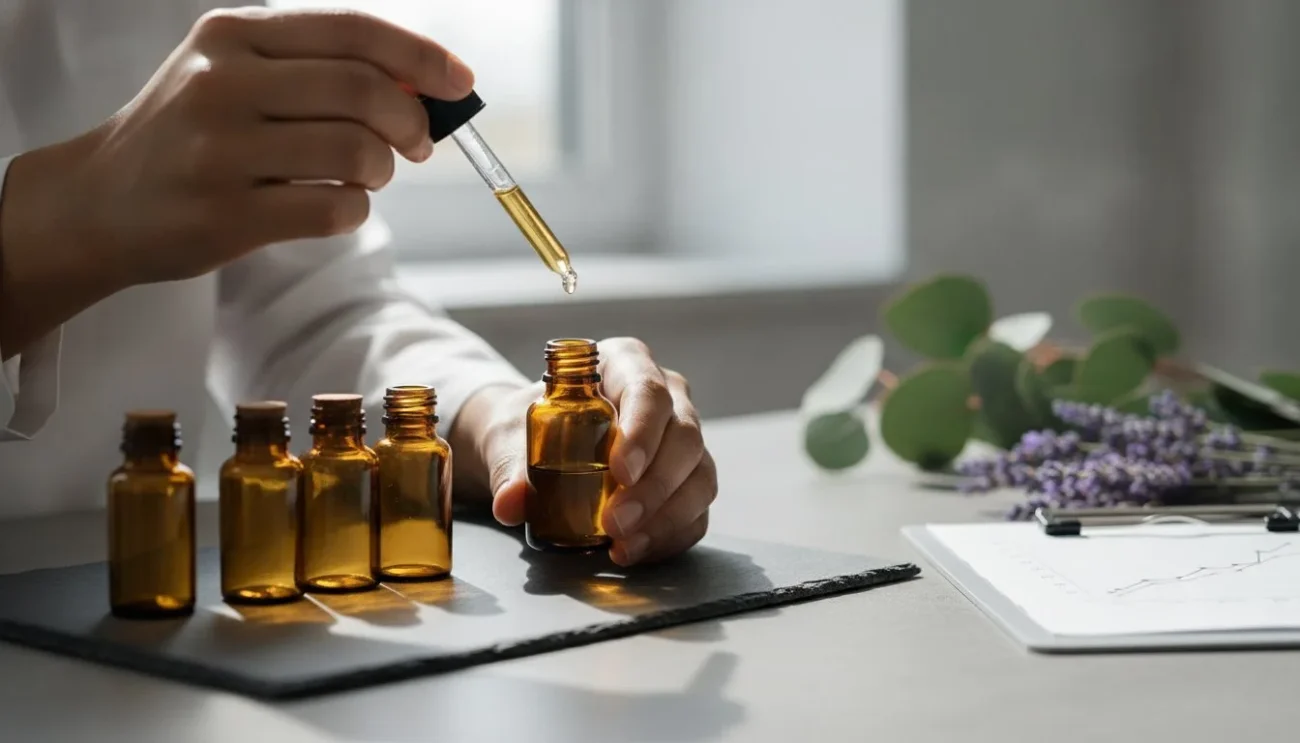
Verification requires transparency. Gas Chromatography-Mass Spectrometry (GC/MS) testing is the industry’s definitive tool for ensuring botanical purity. It reveals the exact percentage of every compound. If a supplier cannot provide a batch-specific GC/MS report, the oil’s integrity is unproven. Many brands hide behind the term “therapeutic grade.” This is a fabricated marketing designation with no regulatory oversight. Understanding how to tell if essential oils are therapeutic grade through verified chemical analysis and batch documentation is the only reliable method for separating genuine botanical extracts from industrial imitations. True quality is found in organic certification and rigorous laboratory analysis. Our expert-sourced essential oils are held to these uncompromising standards to ensure every drop delivers genuine results.
The Danger of Synthetic Adulteration
Fragrance oils are not essential oils. They are synthetic reproductions designed for scent, not biology. These industrial liquids often contain diethyl phthalate, a known endocrine disruptor that can interfere with hormonal signals required for hair growth. Using adulterated products introduces toxins to the scalp that can exacerbate thinning. The market is saturated with mislabeled products; research shows that a staggering proportion of oils sold online fail purity testing, which is why understanding how to verify 100 pure essential oils through batch-specific documentation and GC/MS analysis is an essential skill for any serious practitioner. To understand the benchmarks of true quality, read our analysis of The Best Organic Essential Oils Brands of 2026. Sourcing from ethical masters of the craft is the only way to avoid these hidden risks.
Traditional Extraction vs. Industrial Processing
Extraction is an art of patience. Steam distillation at low pressure remains the gold standard for preserving the delicate carnosic acid and other bioactive molecules within the plant. It’s a slow process. Industrial manufacturers often prefer solvent extraction because it’s faster and yields more oil. However, this method leaves behind trace amounts of hexane or other toxic residues. These chemicals hinder the very follicular vitality you’re trying to restore. Au Natural Organics remains committed to unhurried, traditional processing. We refuse to compromise the biological integrity of our extracts for the sake of mass production.
Clinical Efficacy: Rosemary Oil vs. Minoxidil and Synthetic Treatments
Evidence demands professional scrutiny. In 2015, a landmark comparative study published in the journal SKINmed evaluated the efficacy of rosemary oil for hair growth against 2% minoxidil, a common synthetic benchmark. Both groups demonstrated a statistically significant increase in hair count at the six-month mark. The results were comparable. However, the divergence appeared in the side-effect profile. Participants in the minoxidil group reported frequent scalp itching and localized irritation. The rosemary group did not. This distinction is vital. Synthetic treatments often rely on high concentrations of isopropyl alcohol or propylene glycol. These solvents strip the scalp of its natural lipids. Botanical extracts preserve them.
Patience is a professional requirement. The most common objection to natural protocols is the perceived delay in results. Biology cannot be rushed. The six-month threshold is a physiological reality for follicular transition. Hair follicles operate on a slow, rhythmic cycle. Expecting overnight density is a fundamental misunderstanding of human anatomy. Using rosemary oil for hair growth provides a sustainable, long-term solution because it works in harmony with these cycles rather than forcing a temporary chemical response. It offers a path to follicular maintenance that doesn’t rely on volatile synthetic compounds.
Addressing Androgenetic Alopecia Naturally
Androgenetic alopecia is driven by the hormone DHT. Rosemary serves as a natural inhibitor of 5-alpha reductase, the enzyme responsible for DHT production. It prevents the conversion that leads to strand thinning. Unlike synthetic prescriptions, it lacks systemic side effects. Consistency remains the only path to success. Botanical protocols require daily discipline to be effective. Synthetic treatments often trigger a “rebound” shed where hair gained is rapidly lost upon cessation. Rosemary fosters a genuine environment for longevity. It builds strength that lasts.
Scalp Microbiome Balance
A healthy scalp is a delicate ecosystem. Rosemary possesses potent antimicrobial and antifungal properties. It addresses Malassezia and other fungal overgrowths that contribute to dandruff and inflammatory thinning. It cleanses without destruction. Maintaining the acid mantle is essential for the scalp’s barrier function. Synthetic shampoos and treatments often disrupt this pH balance, leading to chronic sensitivity. An integrity-first approach to scalp hygiene ensures that active botanical compounds penetrate deeply without causing sensitization. It’s a balance of power and protection.

Professional Application: Dilution Ratios and Scalp Integration
Precision is the difference between therapeutic success and dermatological distress. To harness rosemary oil for hair growth effectively, you must adhere to a strict 2-3% dilution ratio. This isn’t a suggestion. It’s a safety requirement. Applying essential oils ‘neat’ or undiluted can cause immediate sensitization or chronic inflammation. Once the scalp’s barrier is compromised, the resulting inflammatory response actually hinders the very follicular restoration you seek. A professional-grade protocol ensures that active constituents reach the dermal papilla without triggering a defensive immune response.
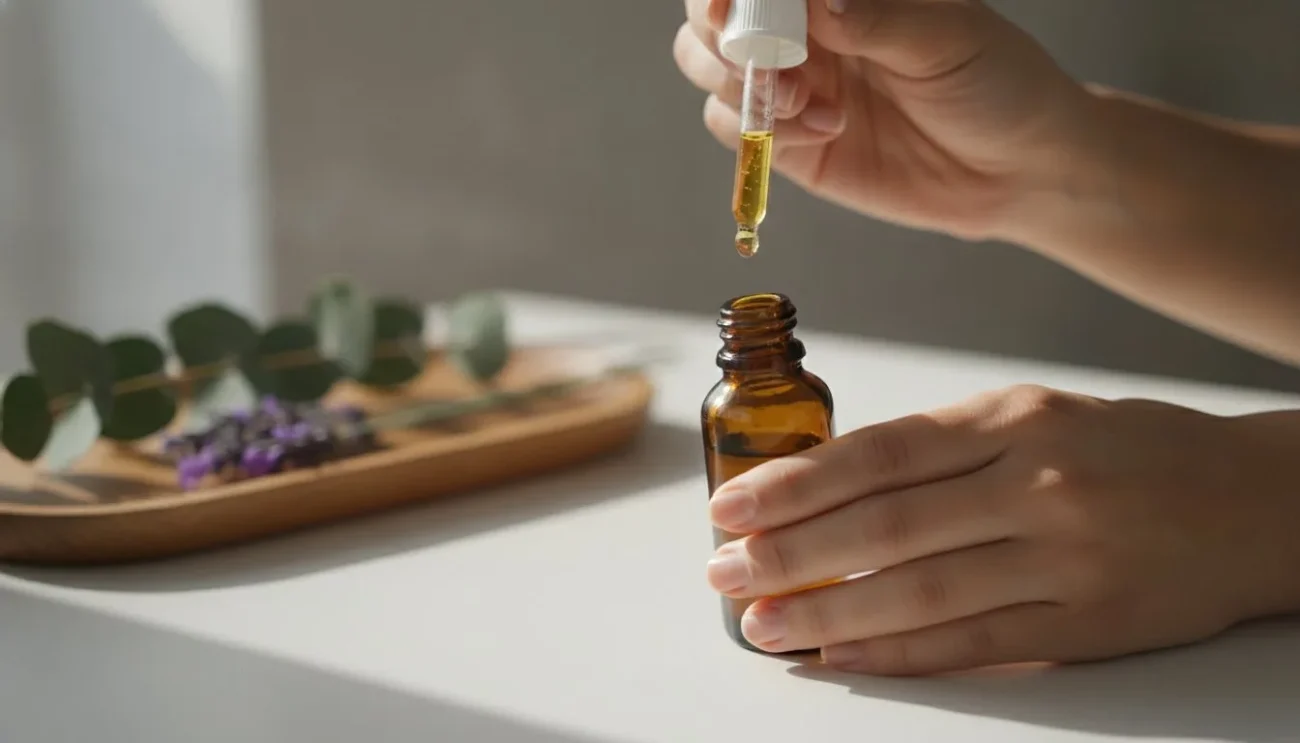
Absorption requires more than topical contact. Mechanical stimulation through massage serves two critical functions: it increases localized blood flow and facilitates lymphatic drainage. This process clears metabolic waste from the scalp while driving the oil deeper into the hair follicles. For those with significant thinning, a nightly application of a light dilution is often most effective. Conversely, individuals with oily scalps may find a weekly intensive treatment more manageable. Regardless of frequency, the method of delivery determines the outcome. You can secure the necessary components for this protocol by exploring our professional carrier oils.
The 5-Step Scalp Integration Protocol
Follow this methodical approach to ensure maximum dermal penetration and safety:
- Step 1: Selection. Choose a carrier oil matching your scalp porosity to ensure proper lipid absorption.
- Step 2: Measurement. Use glass droppers for exactness. A 2% dilution requires 12 drops of rosemary per fluid ounce of carrier.
- Step 3: Sectioning. Divide the hair into quadrants. This ensures the extract reaches the follicles directly rather than coating the hair shaft.
- Step 4: Inversion. Lean your head forward during the massage. This maximizes blood pressure at the scalp level to aid nutrient delivery.
- Step 5: Cleansing. Use a gentle wash after the treatment. Preventing follicular clogging is vital for maintaining a healthy growth environment.
Customizing for Hair Texture
Biology is not uniform. If you have fine hair, Jojoba oil is the ideal carrier because its molecular structure mimics human sebum and won’t weigh down the strands. For coarse or extremely dry hair, Castor oil provides the heavy-duty fatty acids required for deep repair. Oily scalps may only require treatment twice weekly, whereas dry conditions can tolerate more frequent integration. Always perform a localized patch test on the inner forearm for 24 hours before full scalp integration to rule out individual sensitivity.
Beyond Single Extracts: Synergistic Blends for Follicular Vitality
True follicular restoration is rarely the result of a single compound. It requires synergy. In botanical science, the concept of synergy explains how the combined effect of two or more substances is greater than the sum of their individual parts. When you utilize rosemary oil for hair growth, you’re engaging a specific biological pathway of vasodilation and DHT inhibition. However, the scalp requires more than just stimulation. It needs structural support, moisture retention, and lipid replenishment. By pairing high-integrity extracts, you create a comprehensive recovery system that addresses thinning from multiple biological angles. Synergy is efficiency.
Carrier oils are the silent architects of this process. They aren’t just diluents; they are lipophilic delivery vehicles. Essential oil molecules are highly volatile and evaporate quickly if left unprotected. Carrier oils anchor these molecules to the skin, allowing them to penetrate the stratum corneum and reach the deeper dermal layers where the follicles reside. At Au Natural Organics, we prioritize raw, unrefined ingredients. Refinement often strips oils of their natural waxes and sterols. We preserve them. This ensures the delivery vehicle is as biologically active as the essential oil itself. Quality isn’t negotiable.
The Rosemary-Batana Synergy
The most potent pairing in our repertoire is the combination of rosemary and Batana oil. While rosemary oil for hair growth focuses on circulation and enzyme inhibition, Batana oil provides the dense fatty acids, specifically oleic and linoleic acids, that rosemary lacks. It acts as a deep-conditioning base that repairs the hair shaft and strengthens the follicle’s physical anchor. To understand the rigorous standards we apply to this rare ingredient, consult our Authentic Batana Oil: The Professional Guide to Sourcing and Purity. Together, these oils provide both the spark for growth and the fuel for repair.
Secondary Botanicals: Peppermint and Cedarwood
Expanding the serum’s profile can further optimize the scalp environment. Peppermint oil, containing high levels of menthol, provides a cooling sensation that further enhances vasodilation beyond the capabilities of rosemary alone. It’s a secondary trigger for blood flow. Cedarwood oil serves a different purpose; it’s a stabilizer. It helps balance the sebaceous glands, ensuring the scalp is neither too oily nor too dry. Crafting a personalized hair growth serum with 100 pure essential oils allows you to target your specific physiological needs. It’s about precision, not guesswork. Use only what’s raw, untouched, and ethically sourced.
Master Your Botanical Restoration
True results require more than intent; they demand biological integrity. You now understand that effective rosemary oil for hair growth depends on the specific 1,8-cineole chemotype and the unhurried precision of traditional distillation. By respecting the 2-3% dilution rule and embracing the synergy of rare carriers like Batana, you move beyond temporary fixes toward genuine follicular longevity. This is the standard of the master. It’s a commitment to raw, untouched quality that rejects the industrial shortcut of synthetic fillers and adulterated fragrances.
We remain steadfast in our role as guardians of botanical purity. Our extracts are ethically sourced from traditional distillers and contain no synthetic additives or fillers. This uncompromising approach is why our formulations are trusted by holistic health professionals worldwide. Substance over style is the only path to restoration. Secure Your Professional-Grade Rosemary Oil and Batana Synergy Today. Your journey toward a resilient, healthy scalp begins with a refusal to compromise. Trust the process. Trust the plant.
Frequently Asked Questions
How long does it take for rosemary oil to grow hair?
Significant changes in hair density typically require six months of consistent application. This timeline aligns with the landmark 2015 comparative study between rosemary oil and minoxidil. Because follicles operate on a slow biological cycle, patience is a professional requirement. You must maintain daily or tri-weekly integration to see genuine results; biology doesn’t respond to inconsistent stimulus.
Can I apply rosemary oil directly to my scalp without diluting?
You shouldn’t apply undiluted rosemary oil to your scalp under any circumstances. High concentrations of volatile compounds can cause immediate sensitization, chemical burns, or chronic inflammation. Always adhere to the 2-3% dilution rule. This ensures that the active molecules stimulate the dermal papilla without compromising the scalp’s protective barrier or triggering an immune response.
Which is better for hair growth: rosemary oil or rosemary water?
Rosemary oil is superior for targeted follicular restoration due to its high concentration of carnosic acid and 1,8-cineole. Rosemary water is a mild infusion suitable for refreshing the hair between washes, but it lacks the lipid-soluble potency found in professional-grade extracts. For those seeking increased hair density, the concentrated oil provides the necessary biological stimulus that water cannot match.
Is rosemary oil safe for color-treated or chemically processed hair?
High-integrity rosemary oil is safe for color-treated and chemically processed hair when correctly diluted in a carrier oil. Unlike synthetic treatments containing harsh alcohols, botanical extracts don’t strip the hair shaft or accelerate color fading. It provides a protective layer while addressing the scalp health issues often caused by chemical processing, making it a versatile tool for restoration.
Can rosemary oil help with beard growth or eyebrow density?
The use of rosemary oil for hair growth is equally effective for enhancing beard density and eyebrow thickness. The biological mechanism of vasodilation remains consistent across all androgen-sensitive hair follicles on the body. Exercise extreme caution when applying near the eyes; use a precise applicator and a lower 1% dilution for the sensitive skin of the brow ridge to avoid irritation.
Does rosemary oil have any side effects or contraindications?
Side effects are rare but include localized redness or itching if the dilution ratio is too high. You should avoid use during pregnancy or if you have a history of epilepsy, as certain rosemary chemotypes contain camphor which can be a trigger. Always perform a patch test on the inner forearm to rule out individual sensitivity before beginning full scalp integration.
What is the best carrier oil to mix with rosemary for hair growth?
Jojoba oil is the most versatile carrier because its molecular structure mimics human sebum, ensuring rapid absorption without clogging. For those requiring intense repair and fatty acid replenishment, authentic Batana oil is the professional choice. The selection depends on your scalp porosity and the specific degree of follicular damage you intend to address through your rosemary oil for hair growth routine.
Should I wash my hair after applying rosemary oil treatment?
You should wash your hair after allowing the treatment to penetrate for at least 30 minutes to two hours. Leaving heavy oils on the scalp for several days can lead to follicular clogging and disrupt the delicate scalp microbiome. A gentle cleanse ensures that the active compounds have been absorbed while the surface remains clean, breathable, and healthy.

Leave a comment
You must be logged in to post a comment.