
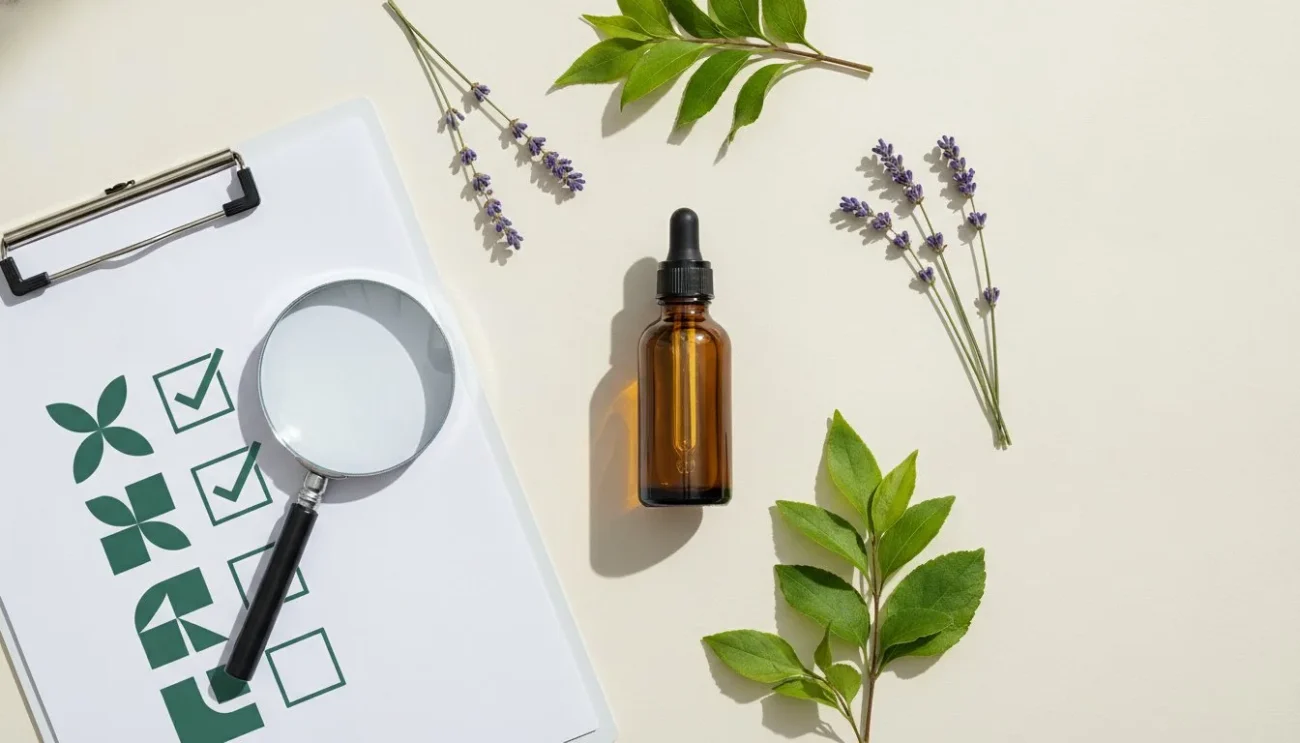
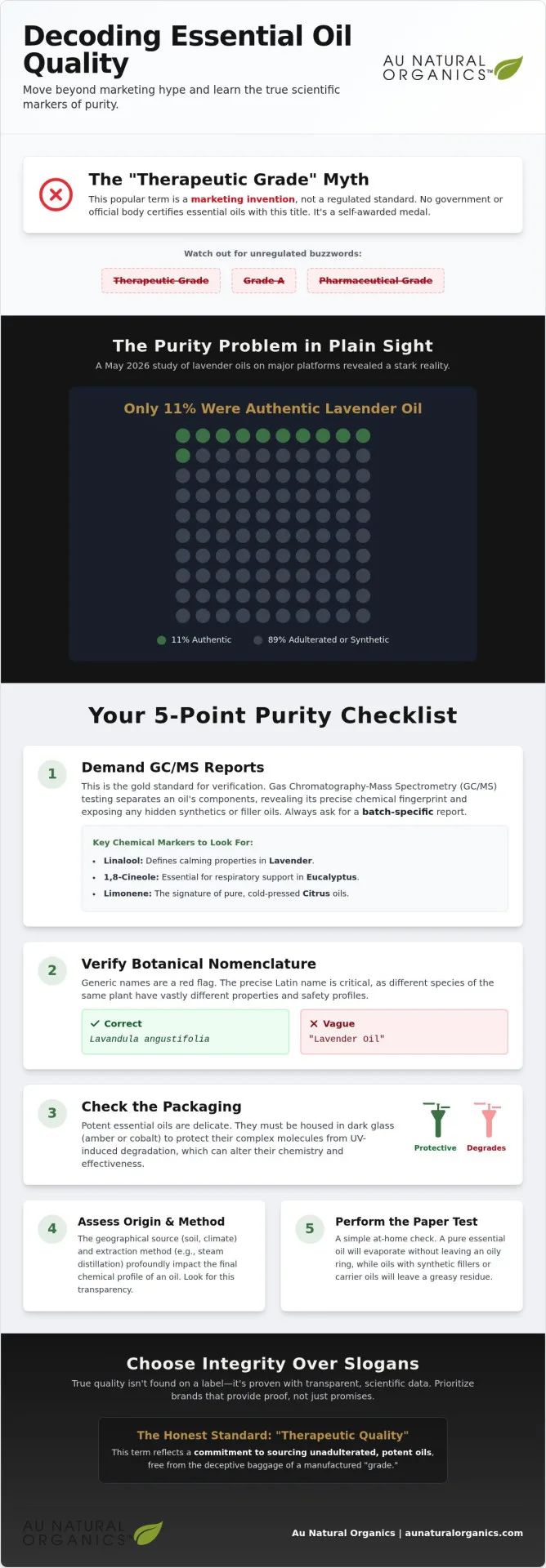
The term “therapeutic grade” is a calculated marketing invention rather than a regulated botanical standard. No government agency or official body currently certifies essential oils with this title. In a marketplace where a May 2026 study revealed that only 11 percent of lavender oils sold on major platforms were authentic, the burden of verification falls entirely on the consumer. You are likely searching for how to tell if essential oils are therapeutic grade because you value the integrity of what touches your skin and enters your home.
It is exhausting to navigate a sea of conflicting claims while fearing that your investment might be wasted on synthetic fillers or diluted botanicals. You deserve transparency. We provide a clear framework for evaluating any brand through the lens of professional integrity and chemical precision. This guide will teach you to look past the labels and master the technical markers of quality. We will explore the necessity of GC/MS testing, the importance of specific botanical origins, and the professional standards required for true wellness applications. By the end of this checklist, you will have the confidence to choose oils based on substance rather than slogans.
Key Takeaways
- Recognize that “therapeutic grade” is a proprietary marketing claim rather than a government-sanctioned certification. This distinction protects you from deceptive industry labeling.
- Discover how to tell if essential oils are therapeutic grade by verifying batch-specific GC/MS reports and precise Latin botanical nomenclature.
- Implement the “paper test” to identify the presence of synthetic residues or undisclosed carrier oils that compromise botanical purity.
- Evaluate the significance of traditional steam distillation and geographical origin in determining the final chemical profile of a potent extract.
- Ensure your oils are housed in amber or cobalt glass to prevent UV-induced degradation of their delicate molecular structures.
The Myth of Therapeutic Grade: Understanding Industry Marketing
The term “therapeutic grade” is a fiction. It exists as a trademarked marketing tool rather than a third-party botanical certification. When consumers ask how to tell if essential oils are therapeutic grade, they are often searching for a standard of purity that simply does not exist in any official capacity. Marketing fluff often obscures the actual chemical profile of the extract. It replaces hard data with seductive, unregulated buzzwords. Phrases like “Grade A” or “Pharmaceutical Grade” suggest a level of oversight that is entirely absent from the industry. Integrity demands we look past the label.
Understanding what essential oils are—volatile aromatic compounds extracted from plants—requires an appreciation for their inherent complexity. Because these extracts are natural products, their composition varies with every harvest. No government agency, including the FDA, provides a quality ranking for these oils. The FDA regulates safety and labeling for cosmetics and drugs, but it does not “grade” the efficacy or purity of botanical extracts. Relying on an unofficial label is a risk to your wellness and your wallet. True quality is found in the chemistry, not the copy.
Why No Official Grading System Exists
The complexity of botanical chemistry makes universal grading nearly impossible. A single lavender harvest can contain hundreds of unique chemical constituents, all influenced by rainfall, soil pH, and altitude. Regulatory bodies focus on safety rather than “therapeutic” rankings. While the food industry prioritizes flavor consistency and the perfume industry values scent longevity, a wellness-focused brand must prioritize chemical integrity. These competing interests prevent a singular, industry-wide grading standard from taking hold. Purity is a spectrum of transparency, not a fixed point on a chart.
The Origin of the “Grade A” Narrative
Tracing the history of these terms reveals they were popularized in the 1990s by multi-level marketing companies seeking a competitive edge. It was a brilliant branding move. By creating an internal standard and giving it a professional-sounding name, these companies convinced the public that their products were uniquely superior. However, an internal standard is not an industry-wide certification. It is a promise made by a company to itself. A more honest term is “Therapeutic Quality,” which reflects a commitment to sourcing unadulterated, potent oils without the deceptive baggage of a manufactured grade. True quality is found in transparent testing, not trademarked slogans.
Beyond the Label: The Scientific Markers of Botanical Purity
Labels are surface-level. Science is definitive. Understanding how to tell if essential oils are therapeutic grade requires moving past adjectives and into laboratory data. Because there are no standards for quality control or official grading systems in the United States, consumers must become their own guardians of quality. True botanical purity is verified by chemical composition, not by trademarked slogans. This requires a shift from trust to verification.
GC/MS Testing: The Gold Standard
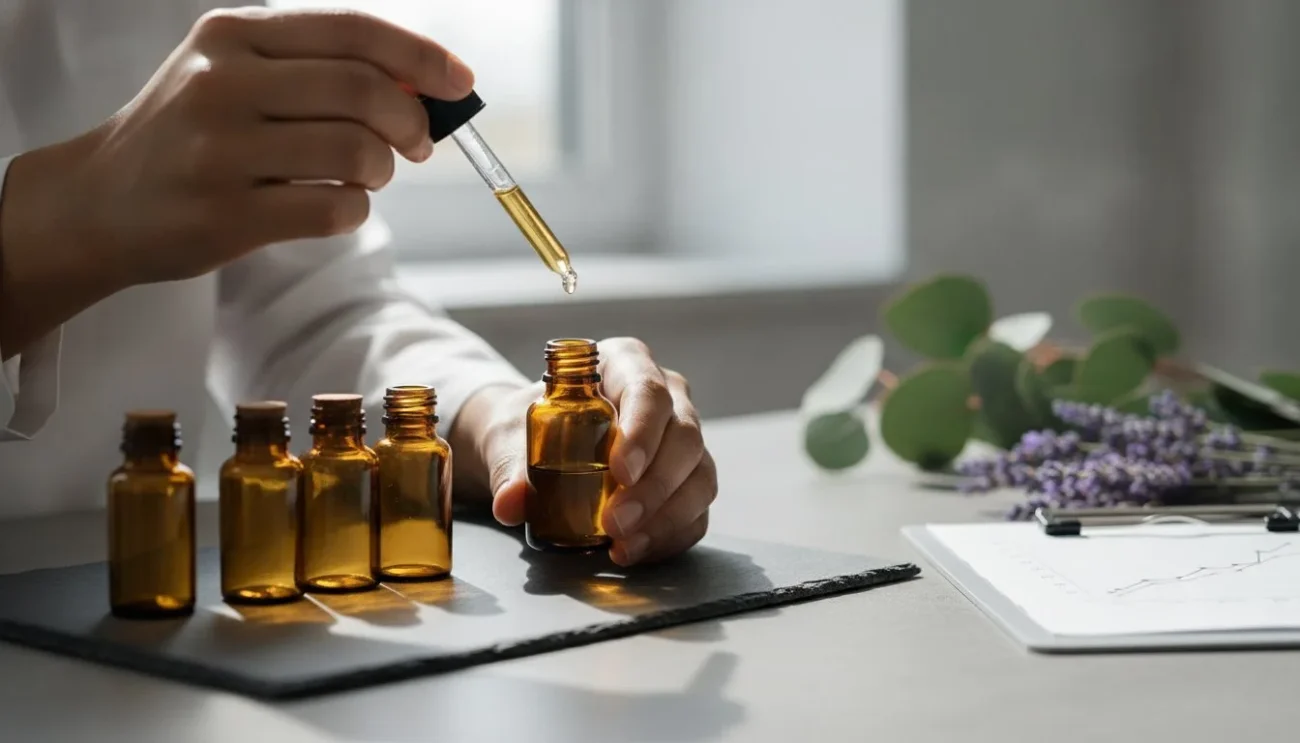
Gas Chromatography-Mass Spectrometry (GC/MS) is the uncompromising standard for identifying adulteration. This analytical process separates an oil into its individual chemical constituents, allowing chemists to see exactly what a bottle contains. It reveals hidden synthetics, phthalates, or cheaper “filler” oils that a simple smell test would miss. When reviewing a report, look for specific markers that define the oil’s character:
- Linalool: A primary constituent in high-quality lavender that dictates its calming properties.
- 1,8-Cineole: The essential marker for respiratory support in eucalyptus.
- Limonene: The defining signature of pure, cold-pressed citrus extracts.
Botanical Nomenclature and Latin Names
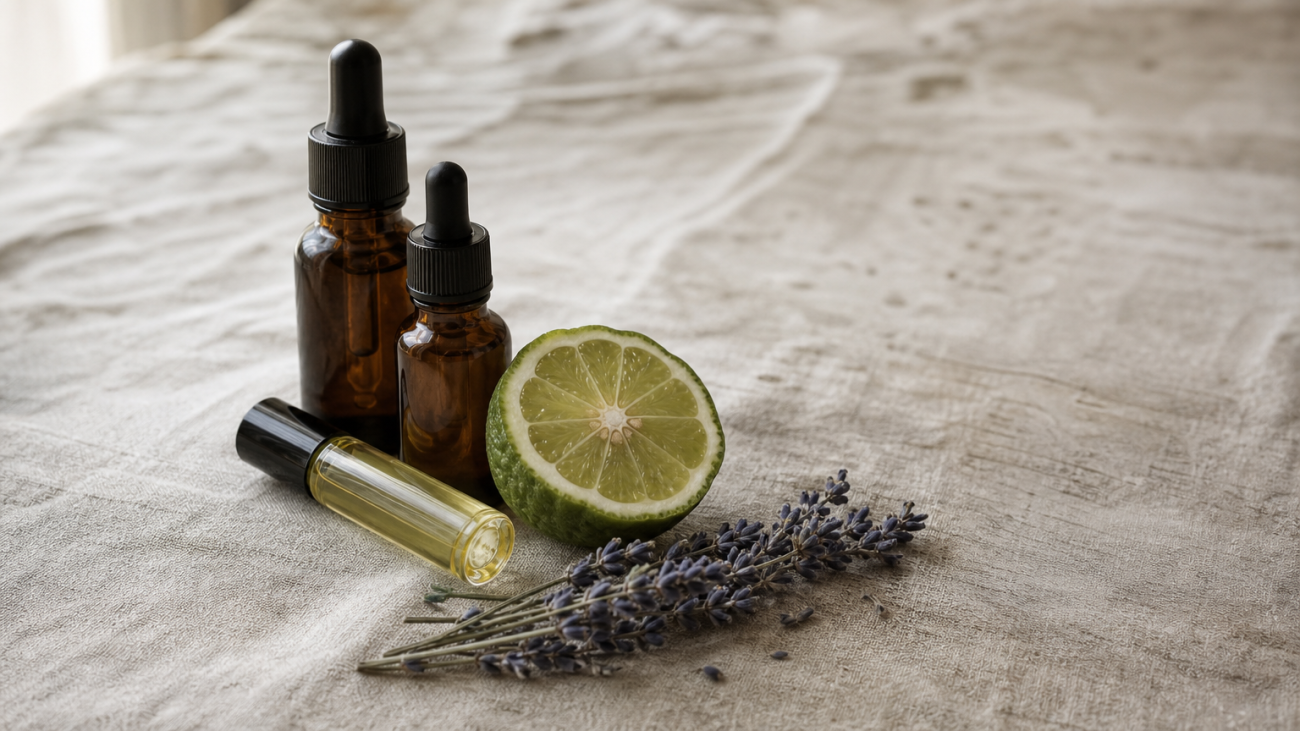
Generic names are dangerous. A bottle simply labeled “Lavender” provides no guarantee of species accuracy. You must look for the botanical nomenclature. Lavandula angustifolia (True Lavender) possesses different molecular structures than Lavandula latifolia (Spike Lavender) or the hybrid Lavandula x intermedia. Latin names prevent the accidental purchase of cheaper, less effective hybrids that may have different safety profiles. Species accuracy matters. The label should also specify the plant part used, whether it is the leaf, flower, or root. Each part yields a unique chemical profile and distinct wellness benefits.
Chemotypes (ct.) further refine this precision. A plant like Rosemary (Rosmarinus officinalis) can produce vastly different chemical profiles depending on its environment, resulting in Rosemary ct. camphor or Rosemary ct. cineole. These distinctions are vital for safe and effective use. Transparency in sourcing is the only true “grade” a professional recognizes. At Au Natural Organics, we prioritize these scientific markers to ensure every extract meets our rigorous standards for pure essential oils. We believe that true wellness is built on a foundation of unadulterated botanical integrity.
The Essential Oil Purity Checklist: 5 Signs of Quality
Purity is not a feeling. It is a verifiable state. When evaluating how to tell if essential oils are therapeutic grade, look for five definitive signs of quality. As established previously, the industry lacks official oversight. According to Michigan State University’s Center for Research on Ingredient Safety, the absence of FDA grading means the responsibility of inspection rests with the consumer. Use this professional-grade checklist to verify any bottle before use.
- The Paper Test: Place a single drop on a white sheet of paper. A pure oil will evaporate completely without leaving a greasy, translucent ring. If a permanent oily mark remains, the product is likely diluted with a carrier oil or contains synthetic residues.
- Price Consistency: Rare botanicals require immense plant material for a single ounce of extract. If a brand sells Rose Otto or Sandalwood at the same low price as Lemon or Peppermint, the quality is a facade.
- Label Transparency: A professional label must list the country of origin, the extraction method (such as steam distillation), and the specific plant part used.
- Visual and Scent Integrity: Authentic oils possess a multi-layered aroma and specific color profiles that indicate fresh distillation.
- Packaging Standards: High-quality extracts are never stored in plastic and require UV-protective glass.
Visual and Scent Integrity
Visual markers provide immediate clues to an oil’s history. A pure oil should never feel greasy between your fingers. The ‘nose’ test is equally vital. Authentic botanicals possess a complex, multi-layered aroma that evolves as it evaporates. Synthetic fragrances often smell flat, cloyingly sweet, or chemically sharp. Color also serves as a stamp of authenticity. True German Chamomile must be a deep, inky blue due to the presence of chamazulene. If the oil is clear or yellow, the distillation was flawed or the species is incorrect. These visual nuances are the hallmarks of untouched botanical quality.
Packaging and Storage Requirements
Compromised storage leads to compromised chemistry. Essential oils are potent solvents that can dissolve plastic over time, leaching toxins into the extract and ruining its purity. Only amber or cobalt glass provides the necessary UV protection to prevent molecular degradation from light exposure. Orifice reducers are another non-negotiable feature. These small inserts limit oxygen exposure and prevent over-pouring, ensuring the oil’s longevity. For those seeking a deeper understanding of preservation, our guide to 100 pure essential oils details the exact environmental conditions required for professional-grade storage. Integrity begins with the bottle.
Ethical Sourcing: Tracing the Oil from Soil to Bottle
The essence of a plant is a direct reflection of its environment. When investigating how to tell if essential oils are therapeutic grade, one must look toward the soil. Terroir, the unique combination of geography, climate, and soil chemistry, determines the specific ratio of volatile constituents within a plant. High-altitude lavender produces a different chemical profile than its lowland counterparts. Integrity requires sourcing from regions where the plant naturally thrives. This is why we prioritize wild-harvested and organic botanicals. It ensures the molecular integrity remains untouched by synthetic fertilizers or pesticides. Quality is grown, not manufactured.
Indigenous Wisdom and Traditional Methods
Traditional harvesters possess knowledge that industrial machines cannot replicate. They understand the exact window of time, often at dawn before the sun dissipates the oil, to maximize potency. Indigenous plants, grown in their ancestral habitats, offer a depth of character that mass-farmed alternatives lack. This “slow” approach to sourcing values the natural cycle over industrial quotas. It is a commitment to substance over speed. By respecting these traditional rhythms, we capture the raw, untouched quality of the botanical extract.
Small-Batch Distillation vs. Mass Production
Extraction is a delicate art. Small-batch steam distillation uses low temperatures and extended durations to preserve fragile aromatic molecules. High-pressure industrial extraction, conversely, often compromises the oil’s vitality for the sake of volume. Mass-produced perfume grade oils frequently utilize chemical solvents like hexane to increase yield. These residues are unacceptable for wellness. A complete distillation, where the process is allowed to finish naturally without chemical intervention, is a definitive marker of integrity. It ensures that the full spectrum of the plant’s benefits is captured in every drop.
Sustainability is a moral imperative. Rare botanicals like Frankincense and Sandalwood are under threat from over-harvesting and habitat loss. Ethical sourcing means ensuring the long-term survival of these species through managed harvesting and fair-trade practices. We act as guardians of these resources, bridging the gap between traditional global sourcing and modern wellness needs. If you seek extracts that honor both the earth and your health, explore our collection of ethically sourced essential oils. True quality cannot exist without ethical responsibility.
Choosing Integrity: The Au Natural Organics Standard
True quality is silent. It does not rely on bold labels or trademarked slogans to prove its worth. When you master how to tell if essential oils are therapeutic grade, you shift your focus from marketing narratives to raw data and ethical transparency. Au Natural Organics exists as a bridge between the ancient wisdom of global harvesters and the rigorous demands of modern laboratory analysis. We don’t use marketing fluff. We use science. Our commitment to 100 percent pure, unadulterated botanical extracts is the foundation of everything we produce, from our individual oils to our handmade vegan soaps and scrubs.
Integrity is found in the refusal to compromise. While many brands utilize synthetic fragrances to ensure scent consistency, we reject them entirely. Synthetic additives have no place in a professional wellness ritual. They disrupt the delicate molecular balance that makes a botanical extract effective. By prioritizing traditional processing methods and batch-specific testing, we ensure that every drop maintains its original chemical fingerprint. This is the only standard that matters for those who treat aromatherapy as a serious discipline.
Our Uncompromising Sourcing Philosophy
We believe that substance outweighs style. This philosophy dictates how we source every ingredient, including specialized extracts like rosemary oil for hair growth. We provide transparent data rather than empty buzzwords. We understand that the May 2026 study showing only 11 percent authenticity in certain marketplace oils is a call to action for higher standards. Supporting the best organic essential oils brands means choosing partners who prioritize botanical ethics over industrial profit margins. Our sourcing is methodical. Our standards are absolute.
The Next Step in Your Wellness Journey
Building a high-integrity oil collection requires patience and precision. Start with the foundational botanicals and expand as your knowledge grows. Safety is paramount in professional application. As of 2026, professional standards emphasize a 2 percent dilution for most topical uses—approximately 10 to 12 drops per 30ml of a carrier oil. Utilizing high-quality carrier oils ensures proper skin absorption and prevents the sensitization risks associated with “neat” application. This disciplined approach protects your health and respects the potency of the plant. If you are ready to move beyond marketing myths and embrace true botanical purity, we invite you to explore our collection of pure essential oils. Choose substance. Choose integrity.
Mastering Botanical Integrity
You now possess the analytical tools to verify purity beyond the label. True quality is found in the chemical fingerprint of a batch-specific GC/MS report and the precision of botanical nomenclature. Knowing how to tell if essential oils are therapeutic grade requires a transition from accepting marketing slogans to demanding chemical transparency. Authenticity isn’t a trademark. It’s a commitment to the slow, traditional processes of nature and the careful preservation of volatile constituents. You’ve moved past the myth of the grade and into the reality of the extract.
Wellness is built on substance. We act as guardians of quality, bridging the gap between global indigenous wisdom and modern laboratory standards to provide extracts that remain raw and unfiltered. Our botanical offerings are handmade in small batches and ethically sourced from global indigenous partners. We never use synthetic fragrances. Integrity is our only standard. We invite you to Experience the difference of botanical integrity with our Essential Oils. Your journey toward uncompromising botanical health begins with a single, pure drop. Trust the science. Honor the plant.
Frequently Asked Questions
Is there a real therapeutic grade certification for essential oils?
No official therapeutic grade certification exists in the essential oil industry. It is a proprietary marketing term created by private companies to imply a standard of quality that isn’t recognized by the FDA or any other government body. When consumers ask how to tell if essential oils are therapeutic grade, they are often encountering a trademarked slogan rather than a third-party standard. Integrity rests in transparent data, not trademarked slogans.
How can I tell if my essential oil is 100% pure at home?
Home testing is primarily useful for identifying gross adulteration rather than subtle chemical synthetics. The paper test remains the standard baseline; place a drop on white paper and observe if it leaves a permanent greasy ring. Pure oils are volatile and evaporate completely. However, because sophisticated lab-created additives can mimic this behavior, home tests should never replace a verified GC/MS report from the supplier. Trust requires professional verification.
What does ‘GC/MS tested’ mean on an essential oil label?
GC/MS testing is a laboratory process used to identify every chemical constituent within an essential oil. The Gas Chromatograph separates the volatile compounds, while the Mass Spectrometer identifies them by their molecular weight. This analysis acts as a definitive chemical fingerprint. It allows chemists to detect hidden synthetics or filler oils that would otherwise go unnoticed. Without this data, purity is merely a claim. Transparency is non-negotiable.
Are organic essential oils better than non-organic ones?
Organic oils are superior because they are distilled from plants grown without synthetic pesticides or herbicides. These chemicals can concentrate during the distillation process, potentially entering your system. One drop of peppermint oil contains the botanical potency of approximately 26 to 28 cups of herbal tea. This concentration makes organic certification a vital safeguard against toxic residues. It provides a third-party audit of the plant’s journey from soil to bottle.
Why do some essential oils cost so much more than others?
Price is dictated by the yield of the plant material and the difficulty of the harvest. It takes approximately 250,000 rose petals to produce just 5ml of Rose Otto essential oil. Rare botanicals or those with low oil content will always command a higher price than abundant citrus or pine oils. If a rare oil is sold at an unusually low price, it is a definitive marker of dilution or synthetic substitution.
Can I ingest essential oils if they are labeled ‘therapeutic grade’?
Ingestion is not safe just because an oil is labeled therapeutic grade. These extracts are extremely potent; a single drop can cause mucosal damage or systemic toxicity if not managed by a clinical professional. A label is a marketing tool, not a medical prescription for internal consumption. Safety standards in 2026 continue to emphasize that topical dilution and aromatic use are the safest methods for self-care. Respect the potency.
How do I know if an essential oil brand is reputable?
A reputable brand provides batch-specific GC/MS reports and full botanical transparency. When determining how to tell if essential oils are therapeutic grade, you must look for brands that disclose the country of origin, extraction method, and Latin name. Avoid companies that rely on vague superlatives rather than hard data. A master of the craft values substance over style. They act as a transparent bridge between the source and the consumer.
What should I look for on an essential oil bottle label?
A professional label must include the Latin botanical name, the country of origin, and the specific plant part used. It should also clearly state the extraction method, such as steam distillation or cold pressing. Look for a batch or lot number that corresponds to a verifiable certificate of analysis. If a label lacks these specific details, the brand is likely prioritizing marketing over botanical transparency and safety. Precision is a requirement.

Leave a comment
You must be logged in to post a comment.