
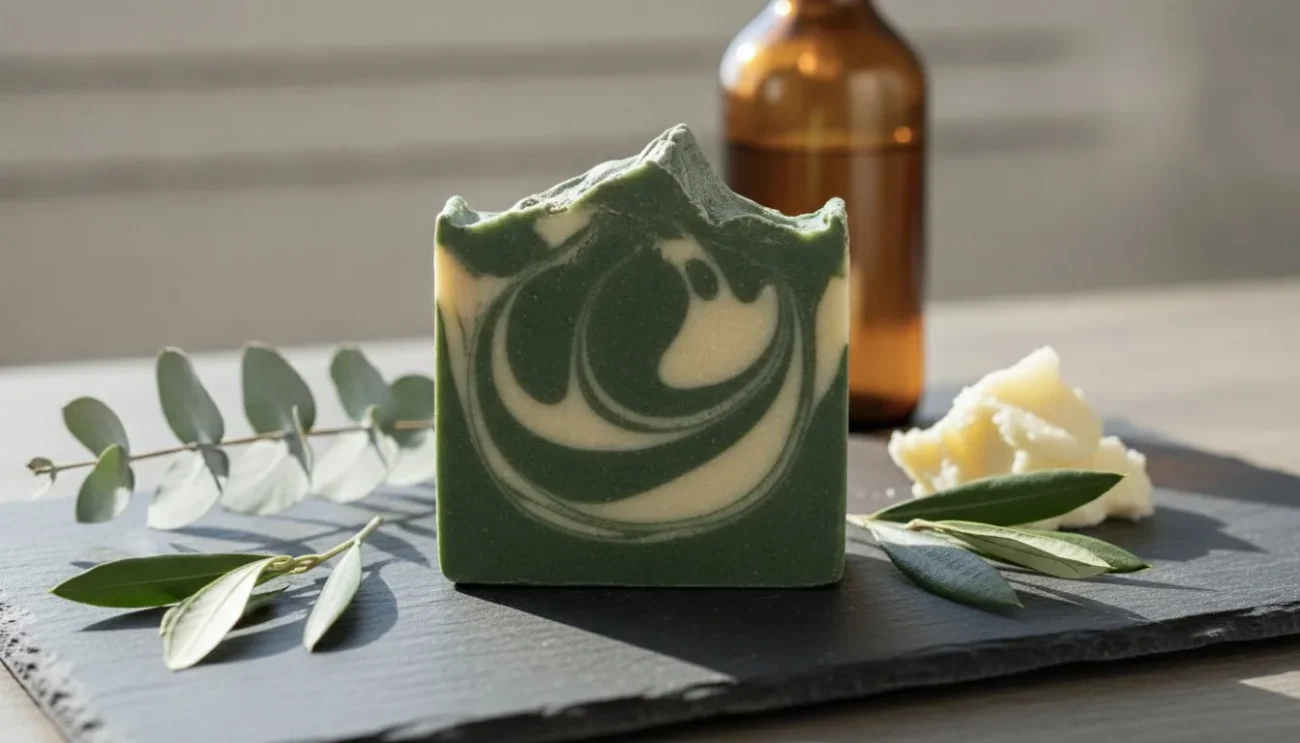
Your daily cleansing ritual might be harboring a hidden history of animal exploitation and harsh chemical extrusion. Quality demands transparency. It’s a sobering reality that many common bars rely on rendered animal fats and synthetic detergents that strip the skin of its natural vitality. You’ve likely felt the frustration of deciphering complex labels or the sting of irritation from artificial fragrances. Transitioning to high-quality vegan soaps isn’t just an ethical choice; it’s a commitment to professional-grade skincare rooted in botanical science.
True excellence in skincare begins with understanding the molecular integrity of the ingredients you apply. Substance over style. You deserve a clear path through the noise of marketing fluff and hidden animal derivatives. This guide provides an authoritative look at the scientific and ethical superiority of plant-based saponification. We’ll examine how to identify genuine botanical integrity, master the art of reading labels instantly, and select nourishing cleansers that respect both your body and the natural world.
Key Takeaways
- Grasp the chemical distinction between traditional tallow-based bars and the superior molecular performance of plant-derived lipids.
- Learn to identify hidden animal derivatives like stearic acid and distinguish between synthetic and vegetable-sourced glycerin.
- Discover how botanical oils mirror the skin’s natural sebum to maintain the acid mantle and fight free radical damage.
- Master the ability to spot true botanical integrity in vegan soaps by recognizing traditional processing methods over mass-market chemical extrusion.
- Integrate rare botanicals like authentic Batana oil to elevate the efficacy and restorative power of your cleansing rituals.
What is Vegan Soap? Defining Botanical Integrity
True botanical integrity is rare in a market saturated with synthetic shortcuts. By definition, vegan soaps are cleansers crafted exclusively from plant-derived fats and oils through the precise process of saponification. Historically, soap making was a byproduct of the meat industry. Traditional bars relied heavily on rendered animal tallow or lard because these were cheap, readily available waste products. Today, we understand that these animal-derived fatty acids don’t offer the same affinity for human skin as botanical lipids. A professional-grade vegan bar isn’t just about what’s missing; it’s about the superior efficacy of plants. To understand the foundational requirements, one might ask, What is Vegan Soap? It’s a product that maintains a strict separation from animal exploitation while prioritizing skin health. However, the label alone is insufficient. Total integrity requires a cruelty-free designation to ensure no animal testing occurred at any stage of ingredient sourcing or development.
The Saponification Process Simplified
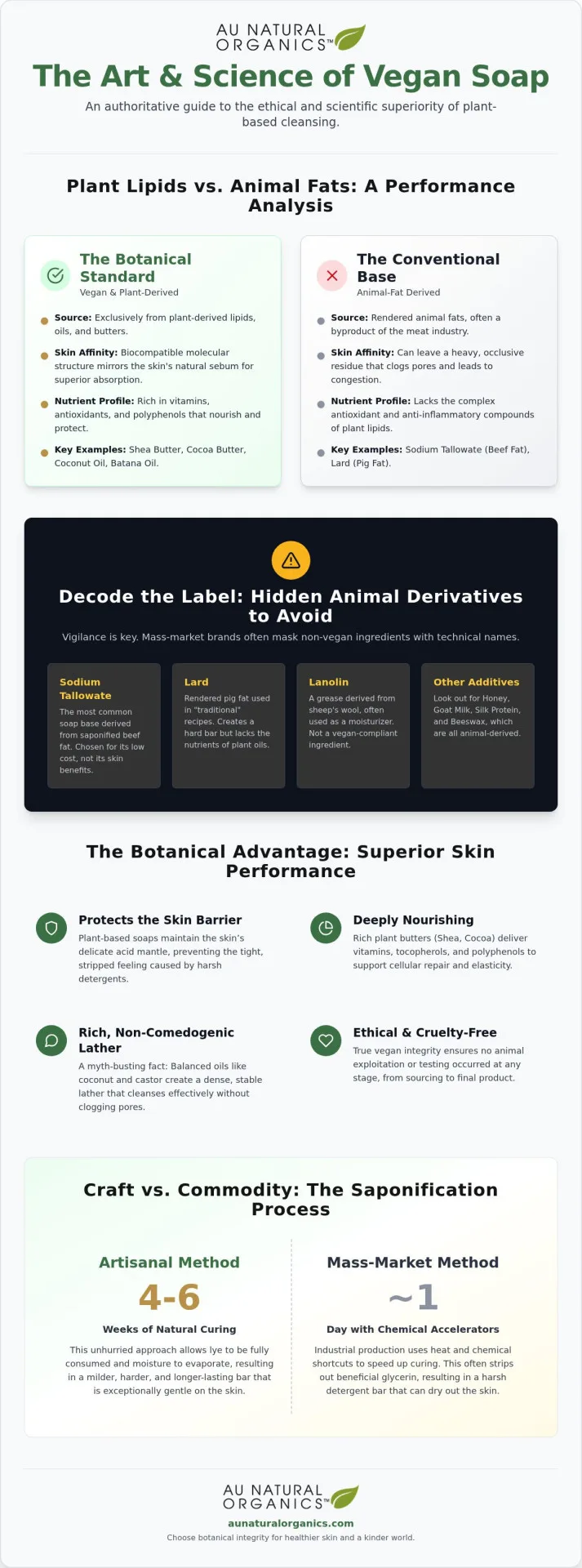
Saponification is the chemical reaction between plant oils and an alkali, usually sodium hydroxide. This transformation converts fats into skin-loving glycerin and soap molecules. You’ll often see “lye-free” marketing, but this is a scientific impossibility for bar soap. Without lye, there’s no reaction. In high-quality artisanal production, the lye is completely consumed during the process, leaving behind a pure, nourishing bar. We prioritize a methodical curing time, often lasting four to six weeks. This unhurried approach allows excess moisture to evaporate, resulting in a milder, longer-lasting cleanser that distinguishes artisanal vegan soaps from mass-produced alternatives that rely on chemical accelerators.
Common Non-Vegan Ingredients to Avoid
Identifying hidden animal components requires a vigilant eye for industry-standard terminology. Mass-market brands frequently hide behind technical names to mask the origin of their ingredients. Substance matters more than style. You should be able to spot these red flags instantly on any label:
- Sodium Tallowate: This is simply saponified beef fat. It remains the most common base for industrial soaps due to its low cost and abundance.
- Lard: Often found in “traditional” or “homestead” recipes, rendered pig fat is used to create a hard bar but lacks the complex antioxidant profile found in plant oils.
- Animal-Derived Additives: Many soaps include honey, silk protein, goat milk, or lanolin. While these are natural, they exclude the product from being truly vegan and ethical.
Our uncompromising approach replaces these fillers with high-performance carrier oils and authentic Batana oil. This ensures a rich, ethical lather that respects your skin’s natural biology without compromise.
Botanical Lipids vs. Animal Fats: A Performance Analysis
Quality isn’t accidental. It’s chemical. While beef tallow remains a staple in mass-market production due to its low cost, it lacks the complex nutrient density found in high-tier plant lipids. Botanical fats offer a diverse range of fatty acids that mirror the skin’s natural sebum, ensuring superior absorption without leaving a heavy, occlusive residue. This biological affinity is why high-quality vegan soaps outperform their animal-based counterparts in long-term skin health. When auditing your skincare, refer to the FDA’s guidance on Identifying Hidden Animal Derivatives to ensure your products meet professional standards for transparency and purity.
There’s a persistent myth that plant-based bars produce a “poor lather” compared to traditional tallow. This is factually incorrect. By precisely balancing high-lauric coconut oil with ricinoleic-rich castor oil, we achieve a dense, stable lather that provides exceptional slip and cleansing power. Unlike animal fats, which can clog pores and lead to congestion, these botanical oils are inherently non-comedogenic when properly saponified. They cleanse the skin while preserving the delicate acid mantle, preventing the “tight” feeling often associated with harsh, tallow-based detergents. Substance over style. Every bubble in a botanical bar serves a functional purpose, delivering lipids directly to the epidermis where they’re needed most.
The Power of Plant Butters
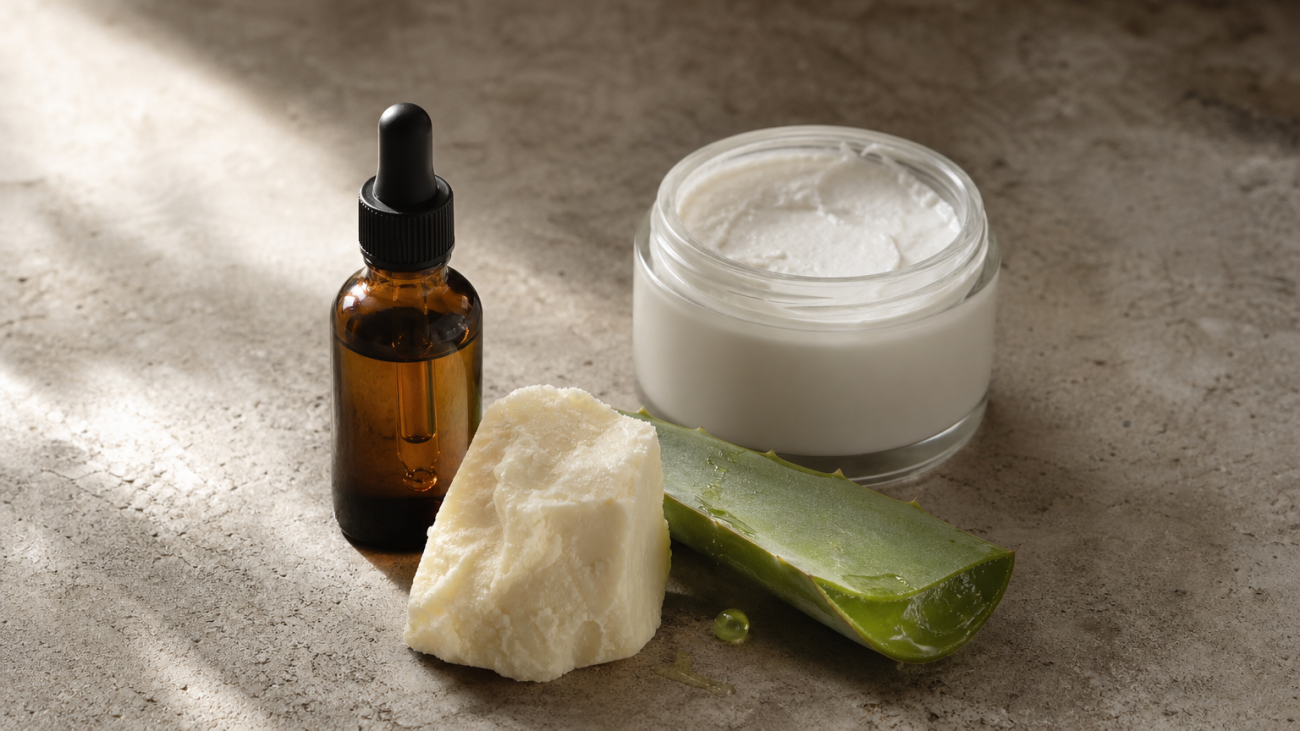
Shea butter provides a vitamin-rich barrier that animal fats simply cannot replicate. It’s packed with cinnamic acid and tocopherols that soothe inflammation and support cellular repair. Cocoa butter enhances skin elasticity through its high polyphenol content, providing a decadent, creamy texture that reinforces the skin’s structural integrity. These butters don’t just sit on the surface; they integrate with the skin’s lipid layer. For a complete restorative ritual, follow your cleanse with our body butters to seal in moisture and botanical nutrients.
Essential Oils vs. Synthetic Fragrances
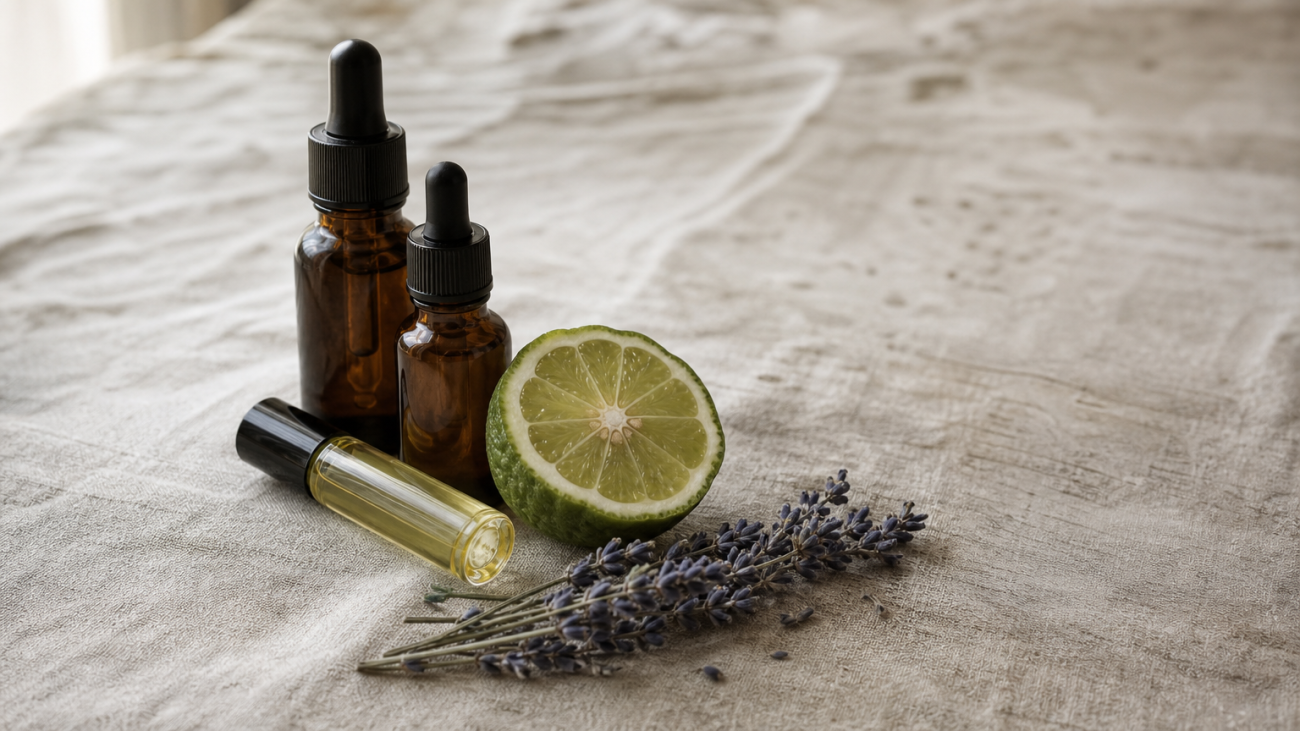
Synthetic “fragrance” or “parfum” often masks a cocktail of phthalates and respiratory irritants that can disrupt hormonal balance and trigger dermatological distress. These lab-created scents offer zero therapeutic value. In contrast, we scent our vegan soaps exclusively with pure essential oils and botanical hydrosols. These extracts provide genuine aromatherapeutic benefits, such as the calming effect of lavender or the antimicrobial properties of tea tree, while maintaining a clean, unfiltered presence. Our uncompromising standard ensures that your daily wash is a functional wellness practice rather than a chemical exposure event. You can explore our full range of botanical offerings at aunaturalorganics.com to experience the difference of uncompromised scent and substance.
Identifying Hidden Animal Derivatives in Skincare
Transparency is the only antidote to marketing ambiguity. While many consumers assume “natural” equates to “vegan,” this is a dangerous misconception. A product can be entirely natural while still utilizing rendered animal fats or insect secretions. High-performance vegan soaps require a rigorous auditing of every molecular component to ensure ethical integrity. Scientific research confirms that your complexion prefers plants because botanical lipids offer a bio-available nutrient profile that animal derivatives simply cannot match. Vigilance at the label level is mandatory for any serious skincare ritual.
Glycerin is a primary example of this ambiguity. It acts as a humectant, drawing moisture into the skin, but its origin is rarely disclosed. It can be synthesized from petroleum, rendered from animal tallow, or extracted from vegetable fats like coconut or soy. In mass-market production, animal-derived glycerin is the standard because it’s a low-cost byproduct of industrial slaughter. Similarly, stearic acid is used as a hardening agent to give soap its structure. Unless the manufacturer specifies “vegetable stearic acid,” it’s statistically likely to be sourced from bovine or porcine fat. Oleic and palmitic acids present the same challenge; they require verified plant-origin documentation to be considered truly vegan.
The Ambiguous Ingredient Checklist
Beyond the primary base oils, secondary additives often hide animal origins. Lecithin, used as an emollient, can be sourced from soy, but it’s frequently derived from eggs. Amino acids, often touted for their “strengthening” properties, are sometimes hydrolyzed from animal hair or feathers rather than plant proteins. You must also distinguish between vegan and cruelty-free designations. Cruelty-free is the absolute absence of animal testing throughout the entire supply chain, from raw material extraction to the final product shelf.
The Palm Oil Controversy
Ethics extend beyond the exclusion of animal fats. Many vegan soaps rely on palm oil to achieve a hard, long-lasting bar, but the environmental cost is often devastating. Unregulated palm oil production drives massive deforestation and habitat destruction for endangered species. While the Roundtable on Sustainable Palm Oil (RSPO) provides a framework for better practices, we prioritize palm-free alternatives or strictly verified sustainable sources. Our commitment to environmental stewardship ensures that your cleansing ritual doesn’t come at the expense of global biodiversity or ecological health.
Skin Benefits: Why Your Complexion Prefers Plants
Botanical superiority is a matter of nutrient density. Plant oils are naturally packed with polyphenols and antioxidants that do more than just clean. They protect. These compounds neutralize free radicals during your wash, providing a proactive defense against environmental stressors. It’s functional skincare. By utilizing a diverse profile of lipids, vegan soaps actively combat oxidative stress while maintaining the structural integrity of your skin barrier. This level of protection is impossible to achieve with the stripped, industrial fats found in mass-market alternatives.
Maintaining the acid mantle is critical for long-term health. Many commercial bars use harsh synthetic surfactants that disrupt your skin’s natural pH balance, leading to dryness and vulnerability. High-quality botanical cleansers utilize mild, plant-derived surfactants that respect your skin’s biology. To further enhance your cellular turnover and skin clarity, you should integrate handmade scrubs into your weekly routine. This combination ensures that you’re removing dead cells without compromising the delicate moisture balance that keeps your complexion resilient.
Heat is the enemy of botanical potency. Industrial soap production often relies on high-temperature extrusion that destroys delicate vitamins and enzymes. We utilize the traditional cold-process method to preserve the nutrient integrity of every ingredient. This unhurried approach ensures that the Vitamin E and essential fatty acids remain active and bioavailable. Substance over speed. When you choose cold-processed vegan soaps, you’re investing in a living product that delivers genuine dermatological value with every use.
Solution for Sensitive Skin
Inflammation requires a targeted, no-nonsense response. Botanical hydrosols and calendula extracts offer immediate relief by soothing the skin’s surface and reducing redness. For those managing eczema or psoriasis, the absence of Sodium Lauryl Sulfate (SLS) is often the most transformative factor. Synthetic sudsing agents are notorious irritants that strip away necessary oils. Our botanical approach relies on the natural chemistry of plants to provide a deep clean that remains gentle enough for the most reactive skin types.
Anti-Aging Properties of Botanical Cleansing
Vitamins A and E are abundant in high-quality carrier oils like jojoba and argan. these vitamins support collagen production and visibly improve skin texture over time through consistent use. A comprehensive ritual doesn’t stop at the jawline. You should pair your daily cleanse with specialized lip care to protect the most delicate areas of your face from premature aging. To experience the full transformative power of our small-batch formulations, explore our complete range of botanical vegan soaps and elevate your skincare standards today.
The Au Natural Standard: Crafting Ethical Excellence
Quality demands vigilance. Au Natural Organics rejects the industrial status quo in favor of a higher standard. Our vegan soaps are the result of a steadfast commitment to professional integrity and botanical science. Transparency is our legacy. You deserve to know exactly what touches your skin, from the origin of the carrier oils to the method of extraction. Au Natural Organics prioritizes potency over mass-market volume. By producing in small, controlled batches, we ensure that the antioxidant profiles of our ingredients remain uncompromised by the heat and pressure of large-scale manufacturing. This unhurried process allows us to integrate rare, high-performance ingredients like authentic batana oil to provide restorative properties that mass-market brands cannot replicate.
Substance over style. Every bar Au Natural Organics crafts is a testament to the power of raw, untouched quality. We don’t hide behind marketing fluff or vague “natural” claims. Instead, we rely on deep industry knowledge and traditional processing methods to deliver a product that is both effective and ethically sound. This uncompromising approach ensures that our cleansers serve as a functional bridge between global botanical traditions and your modern skincare needs.
From Seed to Soap: Our Sourcing Philosophy
Sourcing is a moral obligation. Au Natural Organics acts as a bridge between traditional global harvesters and modern wellness needs. This means supporting ethical trade and refusing the inclusion of synthetic fillers, artificial dyes, or petroleum-based preservatives that degrade skin health. We verify the biological profile of every essential oil to guarantee its therapeutic value remains intact. Our refusal to compromise on ingredient purity ensures that every wash is a nutrient-dense experience for your skin.
Your New Daily Ritual
A ritual is only as good as its components. Handmade soap requires specific care to maintain its structural integrity and ensure longevity. Use a well-draining soap dish to prevent moisture buildup between uses; this simple step keeps the botanical structure firm and active. You can expand this practice into a full-body experience by incorporating botanical hydrosols into your post-cleanse routine to refresh and balance the skin. Transitioning your bathroom to total botanical integrity is a methodical process. Start by auditing your most common cleansers and replacing them with vegan soaps from Au Natural Organics that respect your biology and the natural world.
Elevate Your Cleansing Standards
You now possess the specialized knowledge to distinguish between industrial mass-market bars and high-performance botanical cleansers. Substance over style. By prioritizing the molecular affinity of plant lipids and rejecting hidden animal derivatives, you secure the long-term health of your skin barrier. True excellence in skincare is a result of uncompromised ingredient integrity and traditional small-batch craftsmanship. Our vegan soaps are meticulously formulated to provide a nutrient-dense experience that respects both your biology and global ethical standards. This guide has detailed the chemical superiority of plant butters and the necessity of ethical transparency in every label you read.
Every wash is an opportunity to reinforce your commitment to purity. We maintain a legacy of transparency by sourcing only the finest botanicals from global masters. Our bars remain entirely free from synthetic fragrances, parabens, and sulfates to ensure your daily ritual is one of functional wellness. It’s time to align your skincare with your values. Experience the Purity of Au Natural Vegan Soaps and begin your journey toward a more resilient, nourished complexion today. You deserve a cleansing ritual that matches your uncompromising standards for quality and integrity.
Frequently Asked Questions
Is vegan soap better for your skin than regular soap?
Yes, because it utilizes botanical lipids like shea butter and coconut oil rather than rendered animal fats. These plant oils have a higher nutrient density and mirror the skin’s natural sebum more effectively than bovine tallow. They cleanse the epidermis without stripping the acid mantle or clogging pores with heavy, industrial-grade animal byproducts that often cause irritation.
Does vegan soap contain lye?
Yes, all genuine bar soaps require lye for the saponification process. While the lye is completely consumed during the chemical reaction, it’s the essential catalyst that transforms botanical oils into soap and natural glycerin. Claims of “lye-free” bars usually refer to synthetic detergent bars or melt-and-pour bases where the chemical reaction has already been completed in a factory.
How can I tell if my soap is truly vegan?
Audit the ingredient label for animal derivatives like Sodium Tallowate, lard, honey, or silk protein. Truly vegan soaps will explicitly list plant-based oils and avoid ambiguous hardening agents like animal-sourced stearic acid. Look for a cruelty-free certification to ensure no animal testing occurred during the sourcing of raw botanicals. This transparency is the only way to verify that your skincare meets professional ethical standards.
Why does some vegan soap use palm oil?
Palm oil is utilized to create a hard, long-lasting bar with a stable, creamy lather. However, its unregulated production often drives devastating deforestation and habitat destruction. We prioritize palm-free formulations or strictly verified sustainable sources to maintain our commitment to environmental stewardship. Substance over convenience is the hallmark of ethical botanical crafting; we never prioritize cost over ecological health.
Can vegan soap help with acne or sensitive skin?
Yes, by removing synthetic detergents like SLS and artificial fragrances that trigger dermatological inflammation. Botanical cleansers often include anti-inflammatory hydrosols and non-comedogenic carrier oils that balance oil production without causing congestion. This makes them a superior choice for those managing reactive skin or persistent acne. Pure essential oils provide antimicrobial benefits that synthetic scents simply cannot replicate.
Does vegan soap expire or go bad?
It doesn’t expire in a traditional sense, but the potency of essential oils and botanical extracts will diminish over time. Most artisanal bars are best used within 12 months of purchase to ensure you receive the full therapeutic benefits. Store your bars in a cool, dry environment to preserve the integrity of the lipids and prevent the oils from becoming rancid.
What is the difference between vegan and cruelty-free soap?
Vegan refers exclusively to the absence of animal-derived ingredients, while cruelty-free indicates that no animal testing was conducted. A product can be vegan but still tested on animals; conversely, it can be cruelty-free but contain goat milk or honey. Total integrity requires both designations to ensure a truly ethical and professional-grade product that respects all sentient life.
Why is handmade vegan soap more expensive than store-bought bars?
Small-batch production prioritizes botanical potency and ethical sourcing over industrial volume. We use high-value ingredients like authentic Batana oil and pure essential oils rather than cheap petroleum fillers or synthetic scents. This unhurried, traditional processing ensures a nutrient-dense bar that provides genuine dermatological value. Quality vegan soaps represent an investment in long-term skin health and global environmental stewardship rather than a disposable commodity.


Leave a comment
You must be logged in to post a comment.