

What if the most potent remedy for chronic lip dryness is currently sitting on your vanity? You’ve likely asked, can you use body butter on your lips when conventional waxes fail to provide lasting relief. It’s a logical question for the conscious consumer who values both efficacy and a streamlined routine. We recognize the frustration of managing a cluttered cabinet filled with single-use products that often prioritize marketing over mineral-rich substance. You need a solution rooted in botanical integrity.
This guide provides a technical examination of the science behind using high-quality body butters for lip hydration. You’ll learn to identify truly lip-safe ingredients and understand the balance of humectants and occlusives required for tissue repair. We’ll analyze the transition from synthetic fillers to the raw, unrefined fats that define professional-grade skincare. Our goal is to empower you with the knowledge to simplify your regimen while achieving healthier, softer lips through uncompromised quality.
Key Takeaways
- Understand why the unique anatomy of your lips, lacking sebaceous glands and a robust stratum corneum, demands highly specialized botanical hydration.
- Learn to distinguish between food-grade and cosmetic-grade ingredients to ensure your lip care remains safe for inevitable ingestion.
- Evaluate the structural differences between protective waxes and penetrative fats to determine if you can use body butter on your lips for deep tissue repair.
- Master a professional application sequence that utilizes gentle exfoliation and pure butters on damp tissue to maximize nutrient absorption.
- Discover how cold-pressed extraction and small-batch production preserve the vital fatty acids and vitamins necessary for enduring lip health.
Understanding Lip Anatomy: Why Lips Need Specialized Hydration
Lips represent a biological transition zone. Known scientifically as the vermilion border, this tissue is structurally distinct from the skin covering your limbs or torso. While your body skin is designed for durability and self-regulation, lip tissue is remarkably fragile. It lacks the complex defense mechanisms found elsewhere, making it the first area to succumb to environmental aggression. Understanding these physiological differences is essential when determining if you can use body butter on your lips to achieve lasting health.
The primary distinction lies in the stratum corneum, the outermost layer of the epidermis. On most parts of your body, this layer consists of 15 to 16 protective cell sheets. On your lips, the stratum corneum is significantly thinner, often containing only three to five layers. This thinness is why blood vessels are visible, giving lips their natural color, but it also means there’s less of a barrier to prevent moisture from escaping. Without a thick cellular shield, the delicate underlying tissue remains constantly exposed to the elements.
The Absence of Oil Glands
Your lips are essentially an island of dryness. Most of your skin contains sebaceous glands that secrete sebum, a natural oil that maintains the acid mantle and keeps the surface supple. Lips lack these glands entirely. They cannot self-moisturize. This anatomical reality means your lips are 100% dependent on external lipids for protection. Many people attempt to solve this by licking their lips, but this habit is counterproductive. Saliva contains digestive enzymes that erode the thin skin barrier. As the water in saliva evaporates, it triggers a cooling effect that pulls even more moisture from the tissue, leaving the lips more dehydrated than before.
Vulnerability to Environmental Stress
Thin tissue provides minimal defense against UV radiation, wind-chill, or low humidity. Because lips lack the melanin levels found in other skin, they’re highly susceptible to sun damage. In cold or arid climates, the air acts as a sponge, drawing water out of the lips through a process called Transepidermal Water Loss. Transepidermal Water Loss is the primary physiological cause of chapped lips. To combat this, you need more than just temporary relief. Standard water-based lotions often fail because the water content evaporates quickly. Pure, anhydrous botanical butters provide a dense, physical seal that mimics the missing sebum, effectively locking moisture within the deeper layers of the lip tissue.
The Chemistry of Purity: Essential Ingredients for Lip-Safe Body Butters
Your lips are more than a barrier. They’re a portal. Unlike the skin on your hands or legs, any substance applied to the lips is inevitably ingested. This physiological reality demands a higher standard of ingredient integrity. When asking can you use body butter on your lips, you must look beyond “cosmetic-grade” labels toward food-grade purity. Cosmetic-grade standards often allow for trace impurities or synthetic stabilizers that are safe for external skin but questionable for internal consumption. True safety requires unrefined, botanical fats that the body can process naturally.
Botanical repair is driven by specific fatty acids. Oleic acid, found abundantly in high-quality butters, acts as a penetration enhancer. It allows nutrients to bypass the thin stratum corneum mentioned previously. Stearic acid provides the structural integrity needed to form a protective film. This dual action is why raw butters surpass petroleum-based fillers. Petroleum jelly is a non-nutritive occlusive. It traps moisture but provides zero biological value. In contrast, unrefined plant fats deliver the building blocks your cells require for actual tissue regeneration.
Top Botanical Butters for Lip Care
- Shea butter: This is the undisputed gold standard for lip health. It’s naturally rich in Vitamins A and E, which promote cellular turnover and soothe inflammation.
- Cocoa butter: Derived from the cacao bean, it creates a breathable, protective occlusive layer. It melts at body temperature, ensuring effortless application without pulling the delicate vermilion border.
- Mango butter: Often overlooked, mango butter contains high antioxidant levels. It’s particularly effective at repairing sun damage and restoring elasticity to weathered lips.
Sourcing these ingredients in their raw, unrefined state is vital. Our collection of pure body butters utilizes cold-pressed extraction to ensure these vital nutrients remain intact and bioavailable.
Ingredients to Avoid Near the Mouth
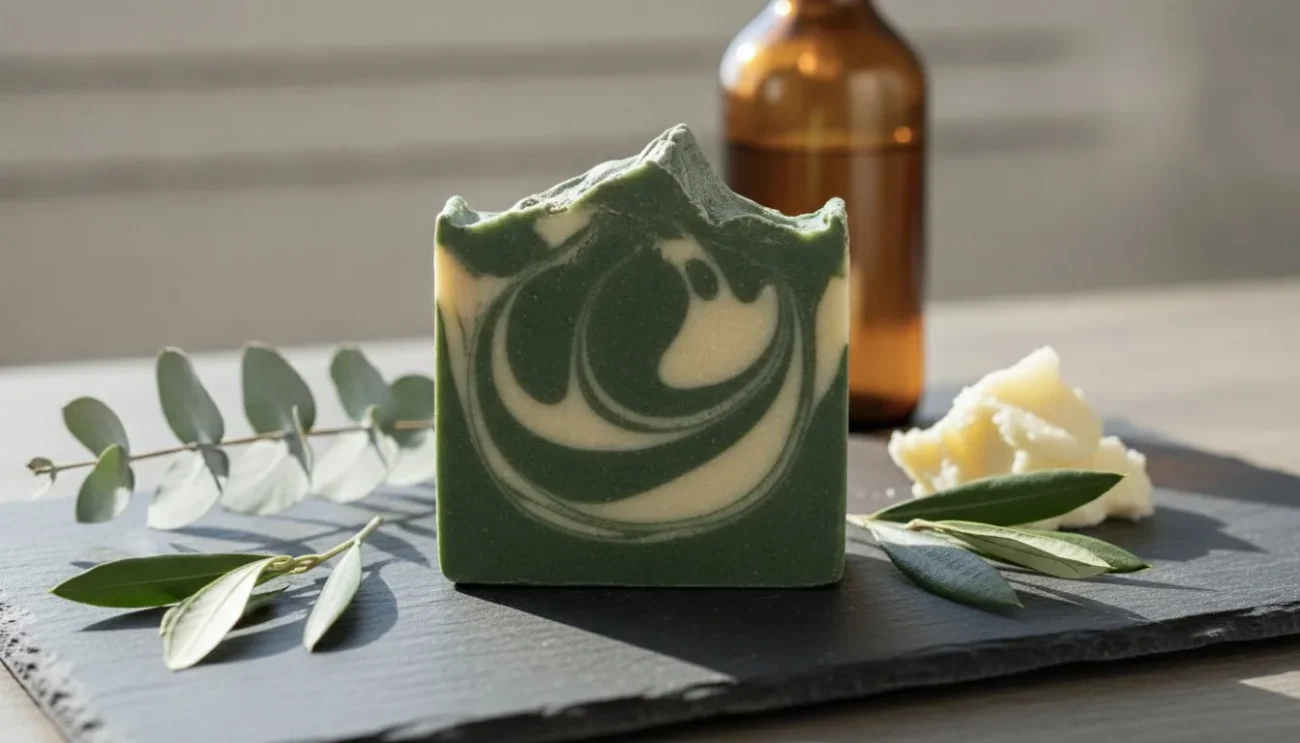
Synthetic fragrances are the leading cause of allergic contact dermatitis on the lips. These “parfums” are often complex chemical cocktails that can trigger swelling, redness, and peeling. Similarly, certain essential oils like cinnamon, peppermint, or menthol can be too aggressive for the thin lip tissue. While they provide a popular “tingle,” they often mask underlying irritation or cause micro-burns. You should also scrutinize labels for phthalates and parabens. These endocrine disruptors have no place in a product meant for an ingestion point. Purity isn’t a marketing preference. It’s a biological necessity. The same rigorous standard applies to your daily cleansing ritual; pairing your lip care routine with vegan soaps free from animal derivatives and synthetic detergents ensures your entire regimen maintains botanical integrity.
Body Butter vs. Lip Balm: Analyzing the Structural Differences
Texture defines function. While the previous sections established that you can use body butter on your lips for nutrient delivery, understanding the structural divergence between butters and balms is vital for performance. Standard lip balms are engineered for “grip.” They rely on a high concentration of waxes to ensure the product adheres to the vermilion border through speaking, drinking, and environmental exposure. Body butters, conversely, are formulated for “slip.” They possess a higher ratio of carrier oils and botanical fats, which prioritizes absorption over surface endurance.
This structural difference dictates how the product behaves upon contact. A balm acts as a static shield. A butter acts as a dynamic delivery system. For those dealing with severe depletion, using authentic batana oil as a concentrated lip serum before applying a heavier butter can accelerate the restoration of the lipid barrier. This approach treats the lips with the same sophistication as a facial skincare routine, moving beyond the simplistic “apply and forget” mentality of mass-market sticks.
The Role of Waxes
Waxes provide the necessary “staying power” for mobile areas like the mouth. Without a structural backbone, a pure oil or soft butter may migrate away from the lip line too quickly. Traditional beeswax offers a high melting point and excellent occlusive properties, while vegan alternatives like Candelilla or Carnauba provide a similar firming effect. If you find your body butter is too fluid for daytime wear, you can fortify it. Simply warming a small amount of butter with a touch of natural wax creates a customized hybrid that offers both deep nourishment and a reliable physical seal.
Penetration vs. Protection
Consider body butters as the “healers” of your regimen. Their high fatty acid content allows them to sink into the deeper layers of the thin lip tissue to repair damage from within. Lip balms should be viewed as “shields” that protect the surface from wind and dehydration. The most effective strategy for chronic dryness is layering. Apply a nutrient-dense body butter first to deliver vitamins and essential lipids. Once absorbed, follow with a wax-based balm to lock those nutrients in and provide a defensive barrier against the elements. This dual-action method ensures your lips are both fed and protected.

Best Practices for Using Shea Butter Lip Moisturizer Safely
Practical application requires precision. To answer can you use body butter on your lips effectively, you must adopt a methodical sequence that respects the fragile anatomy discussed previously. Application is not merely about surface coverage. It’s about optimizing the environment for cellular repair. A haphazard approach yields temporary relief, while a disciplined regimen produces enduring health. Follow this professional protocol to maximize the bioavailable nutrients in your botanical butters.
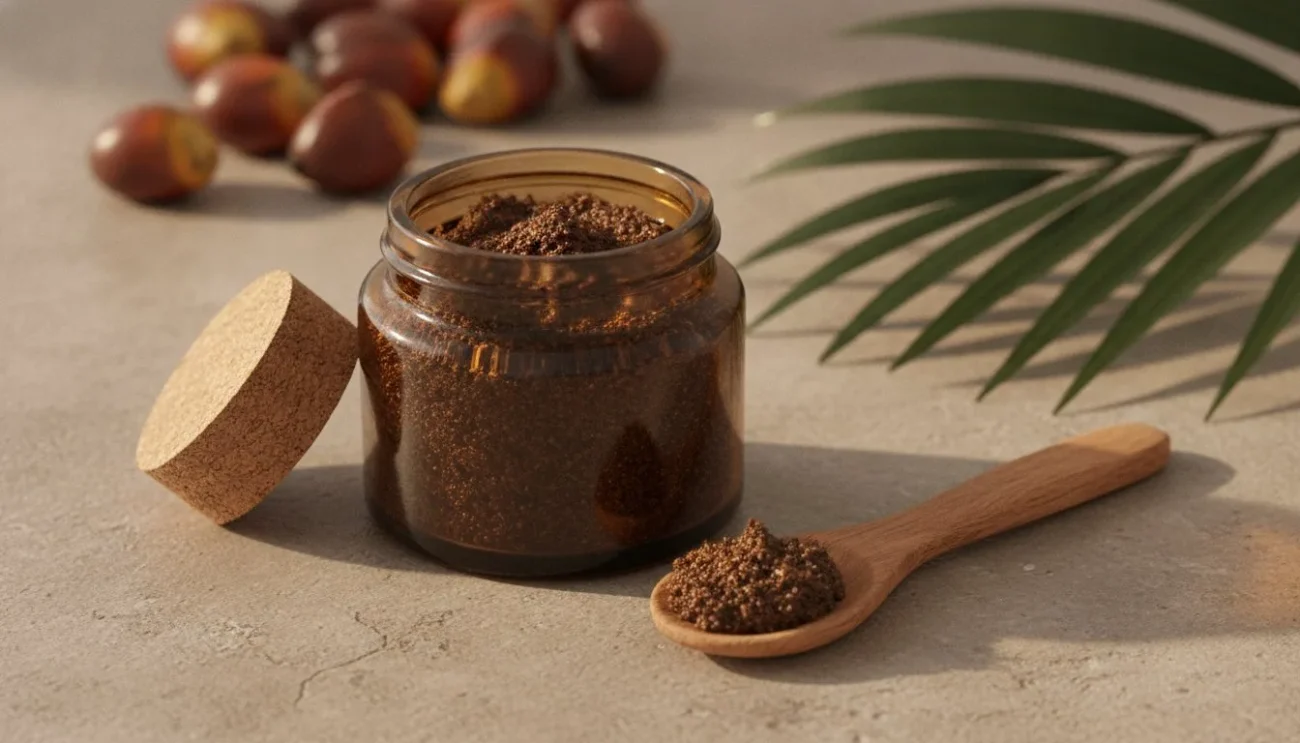
- Step 1: Prep the canvas. Use handmade scrubs to clear away desiccated cells. This ensures the butter reaches living tissue rather than sitting atop a dead, impenetrable barrier.
- Step 2: Hydrate before sealing. Apply a pea-sized amount of pure body butters to lips that are still slightly damp.
- Step 3: Stimulate. Massage the product in small, circular motions. This encourages microcirculation and ensures the lipids are worked into the fine lines of the mucosal transition.
- Step 4: Intensive recovery. Use a generous, visible layer as an overnight treatment to facilitate deep tissue restoration.
The Damp Application Rule
Pure botanical butters are anhydrous. They contain no water. While this makes them potent and shelf-stable, it also means they act as occlusives rather than humectants. If you apply a butter to bone-dry lips, you’re essentially sealing in dryness. Applying to damp lips, or using a botanical hydrosol mist before application, allows the butter to trap that moisture against the tissue. This creates a localized “humidity chamber” that forces hydration into the deeper layers of the lip epidermis. It’s a simple adjustment that doubles the efficacy of your product.
Nighttime Lip Recovery
Biological regeneration peaks during sleep. This is when the body focuses on repairing environmental damage and synthesizing new cells. A heavier application of body butter acts as a professional-grade “sleep mask,” providing a sustained reservoir of fatty acids throughout the night. Choose unflavored, raw butters for this purpose. Many commercial products use synthetic sweeteners that trigger “flavor-addicted” licking. As we’ve established, this habit accelerates dehydration through enzymatic erosion. Raw butters provide a neutral, substance-heavy barrier that stays in place until morning.
Elevate your evening ritual by exploring our ethically sourced body butters to experience true botanical restoration.
The Au Natural Standard: Sourcing Uncompromising Botanical Butters
Excellence is intentional. We reject the industrial shortcuts of mass production. When considering can you use body butter on your lips, you must realize that handmade, small-batch production isn’t a romantic preference. It’s a quality control imperative. By limiting volume, we ensure every jar maintains the molecular integrity of the raw botanicals. This methodical pace allows us to monitor the consistency of our unrefined fats without the interference of synthetic stabilizers. Our process respects the slow, careful rhythm of nature.
Heat is the enemy of nutrition. Most commercial manufacturers utilize high-heat refining processes to create a uniform, odorless product. This strips away the very vitamins that facilitate tissue repair. We prioritize cold-pressed extraction to preserve the delicate chemical profile of the plants. When you ask can you use body butter on your lips, the answer rests on this level of purity. Only raw, unrefined butters provide the bioavailable nutrients necessary for deep mucosal healing. Our commitment to zero synthetic additives ensures that what you apply to your mouth is as safe as it is effective.
The Power of Raw Ingredients
Color is often an indicator of potency. Refined white shea butter has been bleached and deodorized, a process that removes the natural cinnamic acid responsible for its anti-inflammatory properties. We utilize raw, nutrient-dense yellow shea to ensure these compounds remain active. Our use of authentic Batana oil further enhances this profile. Batana oil offers a unique concentration of tocotrienols and fatty acids that provide superior resilience against environmental stress. Transparency in our sourcing process isn’t optional. It’s the foundation of our professional integrity. We act as a bridge between traditional global sourcing and your modern wellness needs.
A Holistic Approach to Hygiene
Lip care shouldn’t be an isolated concern. It’s a component of a broader botanical wellness routine. Transitioning from synthetic drugstore products to pure plant oils requires a shift in perspective. You aren’t just applying a temporary coating. You’re feeding the tissue. By eliminating petroleum-based fillers and synthetic additives, you reduce the toxic load on your system while achieving better results. Ethical sourcing supports global communities and ensures the superior quality of the raw materials we provide. True beauty is a byproduct of uncompromising health standards.
Elevate Your Botanical Regimen
Enduring lip health requires a departure from superficial synthetic waxes toward substance-heavy botanical fats. We’ve demonstrated that the answer to can you use body butter on your lips is a definitive yes, provided the formulation meets uncompromising standards of purity. By respecting the unique anatomy of the vermilion border and utilizing disciplined application techniques on damp tissue, you can effectively restore the lipid barrier. Your skincare should be a reflection of professional integrity and ethical responsibility.
Our commitment to quality is absolute. We offer expertly crafted small batches made with no synthetic fragrances and ethically sourced ingredients to ensure your skin receives only raw, untouched nutrition. You now have the knowledge to streamline your routine and provide your lips with the superior care they demand. Excellence is a choice.
Explore Our Collection of Pure, Handmade Botanical Body Butters
Frequently Asked Questions
Is body butter safe if I accidentally swallow a small amount?
Pure botanical butters are safe for accidental consumption. When determining can you use body butter on your lips, safety regarding ingestion is a primary concern. We prioritize food-grade integrity in our small-batch formulations because any product applied to the mouth is eventually ingested. You should avoid any products containing synthetic fragrances or phthalates, as these chemical additives are not intended for internal systems.
Can using body butter on my lips cause acne or breakouts around my mouth?
Breakouts depend on the specific comedogenic profile of the butter used. Shea butter is generally non-comedogenic and safe for most skin types, including those prone to congestion. In contrast, cocoa butter possesses a higher density and may cause clogs if applied carelessly to the skin surrounding the vermilion border. Precision during application ensures the lipids remain on the lip tissue where they are needed.
How often should I apply shea butter to my lips for best results?
Application twice daily is the professional standard for maintaining lip health. Applying a thin layer in the morning provides a necessary seal against environmental stressors like wind and low humidity. A more generous application at night facilitates the intensive cellular regeneration process that occurs during sleep. Over-application can sometimes lead to a “lazy” skin barrier, so consistency is more valuable than frequency.
What is the difference between cocoa butter and shea butter for lip care?
Cocoa butter is a hard fat that excels at creating a durable, physical environmental shield. It has a high melting point and provides excellent “staying power” on the lips. Shea butter is a softer, more penetrative lipid that is exceptionally rich in vitamins A and E. While cocoa butter protects the surface, shea butter focuses on deep nutritional support and tissue repair.
Will body butter make my lips look greasy or shiny?
Authentic botanical butters provide a natural, supple finish rather than a greasy sheen. Unlike petroleum-based sticks that remain on the surface, unrefined plant fats are absorbed by the thin lip tissue. This results in a healthy, hydrated appearance without the high-gloss shine associated with synthetic fillers. It is an aesthetic of health rather than a coating of oil.
Can I use body butter on my children’s chapped lips?
Pure, unrefined butters are an ideal choice for pediatric care. Children frequently swallow lip products, so using a fragrance-free, handmade butter eliminates the risk of them ingesting synthetic dyes or artificial sweeteners. It is a safer, more ethical alternative to commercial balms. Always ensure the formula is free from aggressive essential oils before applying to a child’s sensitive skin.
What should I do if my lips react poorly to a specific body butter?
You should discontinue use immediately and cleanse the area with a mild, botanical hydrosol. Irritation is typically caused by a sensitivity to a specific essential oil or a hidden synthetic fragrance in mass-produced items. To identify the cause, switch to a single-ingredient raw butter. This allows you to isolate the trigger while still providing the lipids your lips require for recovery.
Can I mix body butter with sugar to make a lip scrub?
Mixing organic sugar with a nutrient-dense butter creates a highly effective handmade scrub. This allows you to gently exfoliate while answering the question of can you use body butter on your lips for ongoing maintenance. The sugar granules physically remove desiccated debris while the butter immediately replenishes the lipid barrier. It is a superior method for preparing the lips for deep hydration.
Leave a comment
You must be logged in to post a comment.