
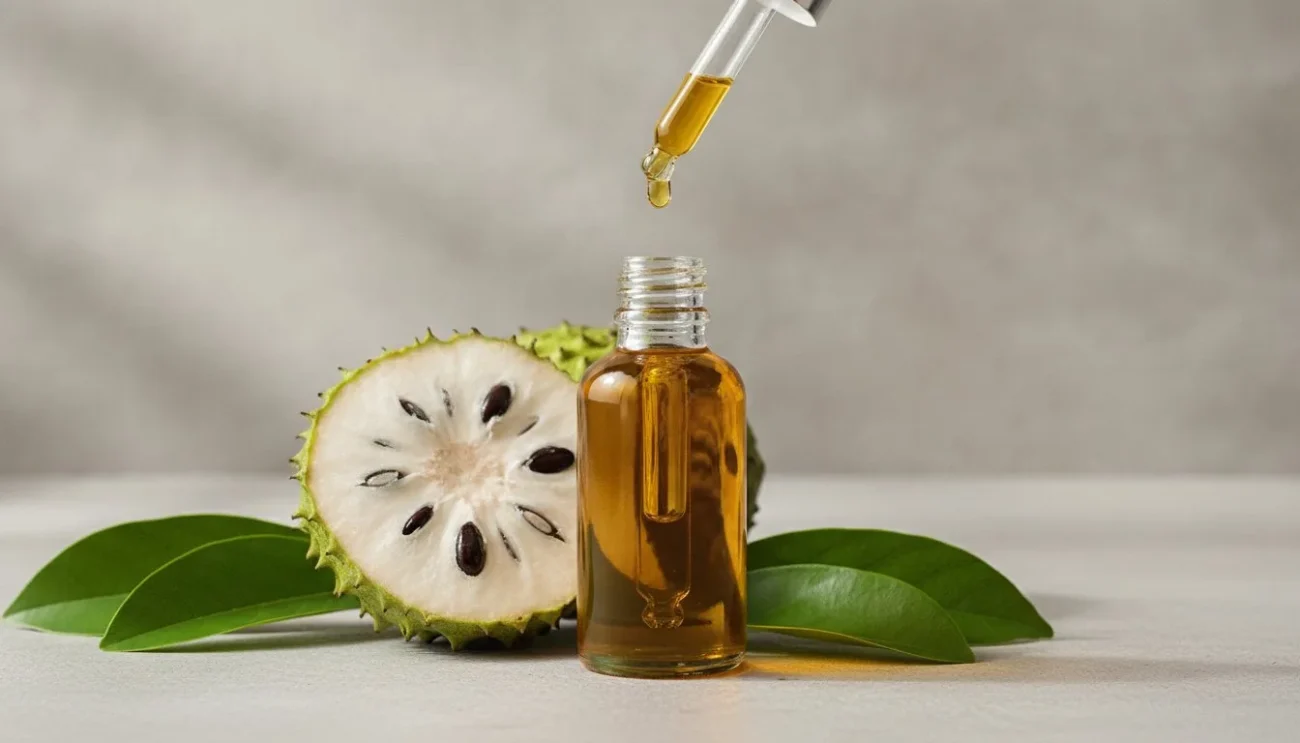
Most botanical oils act as simple occlusives. Soursop oil functions as a bioactive intervention. While the global soursop market is projected to reach $3.4 billion by 2034, the availability of truly unrefined, cold-pressed seed oil remains remarkably scarce. You’ve likely experienced the frustration of seeking relief for irritated skin or scalp inflammation only to find products stripped of their vital nutrients through harsh processing. It’s a common challenge in an industry that often prioritizes shelf-life over potency.
This guide serves as an authoritative resource on the dermatological benefits and rigorous purity standards of authentic Annona muricata. You’ll discover how the specific fatty acid profile and antioxidant compounds of this rare extract target oxidative stress at a cellular level. We’ll examine the critical importance of Annonacin-free certification and provide the technical knowledge required to identify high-quality oils. From understanding the bioactive profile of Graviola to integrating it into a clean beauty routine, we provide the clarity needed to utilize this master-level botanical with confidence.
Key Takeaways
- Decode the botanical profile of Annona muricata to understand how traditional sourcing influences its cellular-level efficacy.
- Identify the specific synergy of Omega-6 and Omega-9 fatty acids that makes unrefined soursop oil a potent tool for skin barrier restoration.
- Learn targeted application techniques for soothing follicular inflammation and rebalancing the scalp’s delicate microbiome.
- Establish rigorous selection standards based on color, scent, and the absolute rejection of synthetic fragrances in botanical extracts.
- Gain insights into integrating rare tinctures into a clean beauty routine that bridges the gap between traditional wisdom and modern wellness.
The Botanical Origin of Soursop Oil (Annona Muricata)
Soursop oil isn’t a byproduct of mass industrialization. It’s a precise, rare extract derived from the seeds of the Annona muricata tree. This species is recognized globally by various names, including Graviola in Brazil, Guanabana in Spanish-speaking territories, and Guyabano in Southeast Asia. Its primary origins lie deep within the Amazon rainforest and the tropical regions of the Americas. Indigenous communities have utilized every part of the plant for centuries, viewing it as a cornerstone of their wellness traditions. Today, we bridge the gap between this ancient wisdom and modern dermatological science. We focus specifically on the lipid-rich seeds to address chronic skin sensitivities and inflammation. This transition from traditional practice to professional-grade extract requires a deep understanding of botanical potency and ethical sourcing.
The Graviola Tree: A Botanical Overview
The Graviola tree is a resilient evergreen. It thrives in high-humidity environments, producing a spiked green fruit that houses dense, dark seeds. We prioritize sustainable harvesting practices to ensure the longevity of these rare botanical extracts. While soursop leaves are frequently utilized in teas, the seed-derived oil offers a significantly higher concentration of essential fatty acids. This makes it the superior choice for topical application. The seeds act as a concentrated reservoir of the plant’s regenerative potential, protecting the genetic material of the tree within a potent lipid matrix.
Cold-Pressed Extraction: Preserving Integrity
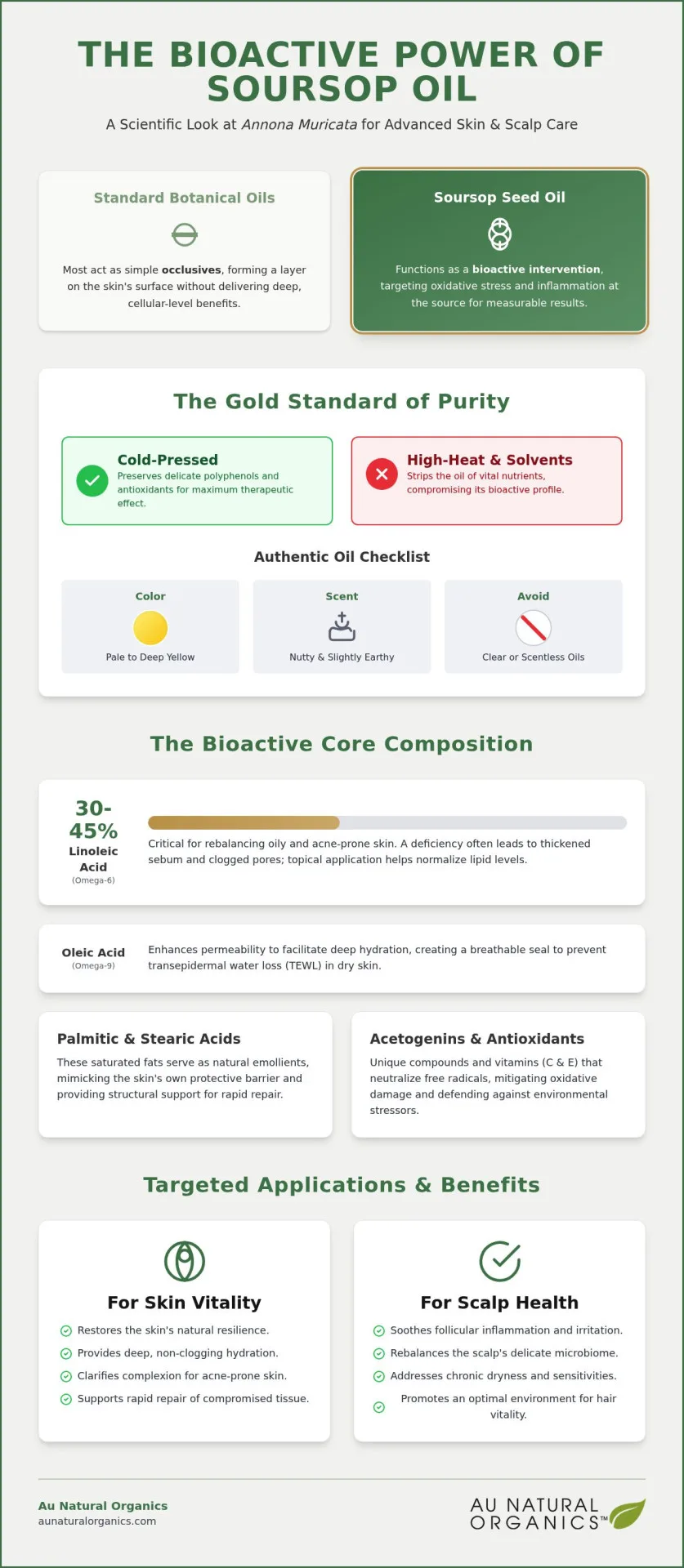
Integrity is maintained through strict temperature control. Cold-pressing is the only acceptable method for producing professional-grade soursop oil. High-heat extraction or the use of chemical solvents like hexane might increase yield, but they fundamentally compromise the therapeutic profile. These industrial methods strip the oil of its delicate polyphenols and volatile antioxidants. Authentic, unrefined oil possesses a distinct sensory profile. It’s typically a pale-to-deep yellow color with a characteristic nutty, slightly earthy aroma. If an oil is completely clear or lacks a scent, it has likely been refined, bleached, and deodorized. We reject these shortcuts in favor of raw, untouched quality.
Bioactive Mechanisms: Why Soursop Oil Works
The efficacy of soursop oil is not anecdotal. It is the direct result of a sophisticated chemical matrix where fatty acids, antioxidants, and unique alkaloids work in concert. This synergy transforms the oil from a simple topical lubricant into a bioactive catalyst for skin health. While many botanical oils offer basic hydration, the specific molecular structure of this extract allows it to interact directly with the skin’s physiological processes. The results are measurable and consistent.
Central to this potency are acetogenins. These unique compounds are found exclusively within the Annonaceae family and represent some of the most researched phytochemicals in modern botany. Acetogenins neutralize free radicals by inhibiting specific mitochondrial enzymes, thereby mitigating oxidative damage within the cell’s structure. This cellular-level protection is bolstered by a robust antioxidant profile. Vitamin C and Vitamin E act as the primary defense against environmental stressors, while a high concentration of polyphenols provides long-term stability to the oil’s therapeutic effects.
Fatty Acid Profile and Skin Barrier Support
The lipid composition of soursop oil is balanced to address diverse dermatological needs. It contains high concentrations of Linoleic (Omega-6) and Oleic (Omega-9) acids, which are essential for maintaining the integrity of the stratum corneum. If you seek to restore your skin’s natural resilience, choosing a professional-grade carrier oil ensures these lipids remain intact and biologically active.
- Linoleic Acid (30-45%): This polyunsaturated fat is critical for rebalancing oily and acne-prone skin. A deficiency in linoleic acid often leads to thickened sebum and clogged pores; topical application helps normalize these lipid levels and clarify the complexion.
- Oleic Acid: Known for its permeability-enhancing properties, oleic acid facilitates deep hydration. It creates a breathable seal on the skin surface to prevent transepidermal water loss (TEWL) in chronically dry environments.
- Palmitic and Stearic Acids: These saturated fats serve as natural emollients. They mimic the skin’s own protective barrier, providing the structural support necessary for rapid repair of cracked or compromised tissue.
Phytosterols and Anti-Inflammatory Response
Phytosterols are the plant-based equivalents of cholesterol. In soursop oil, these sterols act as bio-identical soothing agents that calm irritated tissue. They effectively mimic the skin’s natural lipid layer, which is often compromised in cases of eczema or chronic sensitivity. By reinforcing this barrier, phytosterols help reduce visible redness and swelling. This makes the oil a formidable natural alternative for managing sensitive skin without the need for synthetic additives. The result is a stabilized, resilient complexion rooted in botanical precision.
Targeted Applications: Skin and Scalp Vitality
This rare botanical extract is a precision tool for complex dermatological profiles. While it excels as a standalone treatment, its efficacy is often amplified when integrated into a targeted regimen. For those managing chronic conditions like eczema or psoriasis, the extract provides a dual-action response. It physically reinforces the lipid barrier while chemically modulating the inflammatory signaling that causes discomfort. This substance also serves as a potent anti-aging agent. By neutralizing free radicals, it helps preserve the structural integrity of collagen fibers, preventing the premature degradation that leads to fine lines and loss of elasticity. To optimize these effects, consider blending it with other carrier oils to tailor the absorption rate to your specific skin type. A 20% dilution in a lighter base like jojoba can enhance penetration for oily profiles, whereas a 50% ratio in marula oil offers superior protection for mature skin.
Soursop Oil for Sensitive and Reactive Skin
Reactive skin requires a disciplined approach. When managing acute flare-ups or environmental irritation, apply the oil to slightly damp skin to lock in moisture and accelerate the delivery of bioactive compounds. This method mimics the skin’s natural hydro-lipid film, providing immediate relief from redness. Despite its rich nutrient density, the extract is fundamentally non-comedogenic. Its high linoleic acid content ensures it remains lightweight and breathable, making it suitable for those prone to congestion. In a minimalist beauty routine, this single oil can replace multiple synthetic serums. It offers a clean, unfiltered solution for maintaining a calm and resilient complexion without the risk of chemical triggers.
Follicular Support and Scalp Rejuvenation
Scalp health is often overlooked until inflammation becomes symptomatic. Flaky, itchy conditions are typically indicators of a disrupted microbiome or follicular stress. Massaging a small quantity of soursop oil into the scalp helps rebalance these microbial populations while soothing the underlying tissue. This nourishment extends to the hair follicles, where the oil’s antioxidant profile protects against oxidative damage that can lead to thinning. For a more intensive treatment, we recommend combining it with specific essential oils such as rosemary or cedarwood. This synergy creates a professional-grade scalp therapy that addresses both the immediate symptoms and the long-term health of the hair. Use this treatment twice weekly for optimal results.
Selection Standards: Identifying Professional-Grade Oil
Quality is not a marketing claim. It’s a measurable standard of botanical integrity. When sourcing soursop oil, the ‘unrefined’ designation is a non-negotiable mandate for efficacy. Potency is signaled through the senses. Authentic oil should possess a characteristic pale-to-deep yellow hue and a distinct, nutty aroma. These sensory markers confirm the presence of the acetogenins and fatty acids discussed in previous sections. Synthetic fragrances are a common pitfall in the industry. They’re often used to mask the scent of low-quality or rancid base oils, introducing chemical irritants into a product intended for sensitive skin. Transparency regarding geographic origin is equally vital. We demand to know exactly where our seeds are harvested. This ensures the botanical hasn’t been compromised by industrial pollutants or unethical land management.
Any soursop oil that presents as clear or entirely odorless has almost certainly been subjected to high-heat refining or chemical bleaching, processes that strip the extract of the very bioactive compounds that define its therapeutic value.
Organic Certification and Ethical Sourcing
Botanical integrity begins in the soil. Chemical-free cultivation ensures that no pesticide residues contaminate the final extract, which is crucial for reactive skin profiles. Ethical sourcing extends beyond purity. It supports the economic stability of the tropical communities responsible for the harvest, fostering a cycle of environmental stewardship. A professional botanical label should clearly state the extraction method, the botanical name, and the country of origin. Look for lot numbers and batch dates that indicate small-batch production. If you require a truly unrefined soursop oil, verify that the supplier provides these specific data points to ensure the product’s pedigree and potency.
Storage and Shelf Life of Rare Extracts
Delicate lipids are vulnerable. The high concentration of unsaturated fatty acids in soursop oil makes it susceptible to oxidative degradation when exposed to light or heat. Maximum bioactive potency is maintained by storing the oil in amber glass bottles within a cool, dark environment. Most rare oils have a shelf life of approximately 12 to 18 months. You can identify rancidity through a sharp, sour, or ‘plastic’ scent that replaces the natural nutty aroma. This change indicates the breakdown of fatty acids through hydrolysis or oxidation. Using rancid oil is counterproductive; it introduces oxidative stress rather than neutralizing it. Prioritize small-batch purchases to ensure your stock remains at the peak of its biological activity.
Integrating Soursop Oil into Holistic Wellness
Soursop oil doesn’t exist as a solitary solution. It is a critical component within a broader hierarchy of extracts & tinctures that address wellness through a multi-vector approach. There is an undeniable connection between skin health and systemic inflammation. When the body’s internal environment is stressed, the results often manifest as dermatological distress, including chronic sensitivity or reactive flare-ups. By utilizing high-integrity botanical lipids, you aren’t merely treating the surface. You’re modulating the body’s inflammatory response with precision. We act as a bridge between these traditional global sourcing methods and the rigorous needs of modern wellness, ensuring that every drop maintains its biological life-force.
The potential of these extracts extends beyond the skin. Research into botanical oral care suggests that the antimicrobial acetogenins and anti-inflammatory phytosterols found in soursop can support gum health and microbiome balance. Systemic wellness requires this type of comprehensive thinking. At Au Natural Organics, we maintain an uncompromising standard for rare plant oils, refusing to accept anything less than absolute purity. This commitment ensures that the therapeutic profile of the plant remains intact from the tropical harvest to your daily routine.
The Synergy of Rare Botanicals
Complex dermatological needs often require a synergistic response. Blending soursop oil with Batana oil creates a formidable repair system for both hair and skin. While soursop targets cellular-level oxidative stress and inflammation, Batana provides the deep, nutrient-dense fortification required for structural restoration. This is “master of the craft” blending. You can create custom wellness rituals by combining these pure carrier oils with targeted essential oils, allowing for a tailored approach to your specific biological profile. We believe a “no-nonsense” approach to quality yields superior long-term results. Substance always outlasts marketing trends.
Conclusion: Choosing Substance Over Style
The benefits of soursop oil are uncompromising. From its unique acetogenin content to its rich fatty acid synergy, this extract provides a level of antioxidant protection and barrier repair that refined oils simply cannot match. We urge you to prioritize authentic, unrefined botanical ingredients in every aspect of your routine. Don’t settle for clear, odorless imitations that have been stripped of their vital nutrients for the sake of shelf-stability. Your next step is to evaluate the integrity of your current products. Replace synthetic-heavy formulations with high-integrity extracts. Choose the raw, untouched power of Annona muricata and embrace a standard of wellness that values substance over style.
Advancing Your Botanical Protocol
Refining your wellness routine requires a shift from superficial care to bioactive intervention. You’ve seen that soursop oil isn’t merely a moisturizer; it’s a sophisticated lipid matrix designed to address cellular oxidative stress and scalp inflammation. By demanding unrefined, cold-pressed purity, you protect the essential acetogenins that define this plant’s therapeutic potential. The path to resilient skin is built on the foundation of botanical integrity and ethical stewardship. Shortcuts simply don’t yield the same long-term results.
We take our role as guardians of quality seriously. Our offerings are rooted in a commitment to ethically sourced rare botanicals that remain entirely free from synthetic additives and fragrances. We encourage you to explore our collection of pure botanical extracts and rare oils to discover the potency of raw, untouched nature. It’s time to choose substance over style and invest in ingredients that respect your body’s physiological needs. Experience the clarity that comes from professional-grade sourcing.
Frequently Asked Questions
Is soursop oil safe for all skin types?
Soursop oil is generally safe for all skin types, though we always mandate a patch test for reactive profiles. Its high linoleic acid content makes it particularly beneficial for oily and acne-prone skin because it doesn’t clog pores. Conversely, the oleic acid provides the deep hydration needed for chronically dry or mature skin. It’s a versatile botanical that addresses inflammation across the entire dermatological spectrum.
Can I use soursop oil directly on my face without a carrier oil?
You can apply soursop oil directly to your face as it functions as a potent carrier oil rather than a concentrated essential oil. Because it’s cold-pressed from the seeds, it possesses a balanced lipid profile that’s gentle enough for undiluted use. We recommend applying two to three drops to damp skin to facilitate rapid absorption. It integrates seamlessly into minimalist routines as a primary serum.
Does soursop oil have a strong smell?
Authentic, unrefined soursop oil possesses a distinct nutty and slightly earthy aroma. This scent is a definitive indicator of botanical integrity and the presence of bioactive acetogenins. If an oil is completely odorless, it’s likely been refined or bleached, which compromises its therapeutic value. While the scent is noticeable upon application, it typically dissipates quickly as the lipids penetrate the stratum corneum.
How often should I apply soursop oil to my scalp?
We recommend applying the oil to your scalp two to three times per week for optimal results. This frequency allows the phytosterols to soothe follicular inflammation without causing excessive buildup. For intensive treatment, massage the oil into the scalp and leave it for thirty minutes before washing. Consistency is key to rebalancing the microbiome and supporting long-term hair health.
What is the difference between soursop oil and soursop leaf extract?
The primary difference lies in the source material and the chemical composition. Soursop oil is a lipid-rich extract derived from the seeds, whereas leaf extracts are typically water or alcohol-based tinctures. The seed oil provides essential fatty acids and fat-soluble antioxidants necessary for barrier repair. Leaf extracts are often utilized for their different phytochemical profiles in internal wellness traditions rather than topical dermatological applications.
Can soursop oil help with acne scars?
Soursop oil can assist in the management of acne scars by supporting the skin’s natural regenerative processes. The high concentration of Vitamin E and Vitamin C helps neutralize oxidative stress that can darken hyperpigmentation. Meanwhile, the fatty acid synergy promotes a healthy barrier, which is essential for smooth tissue repair. It’s an effective tool for improving skin texture over a sustained period of use.
How does soursop oil compare to more common oils like jojoba or almond?
Soursop oil offers a more complex bioactive profile than common staples like jojoba or sweet almond oil. While jojoba mimics skin sebum and almond provides basic emolliency, soursop contains unique acetogenins that target inflammation at a cellular level. It’s a master-level oil that provides specific therapeutic benefits beyond simple hydration. This makes it a superior choice for those addressing complex skin sensitivities.

Leave a comment
You must be logged in to post a comment.