
Description
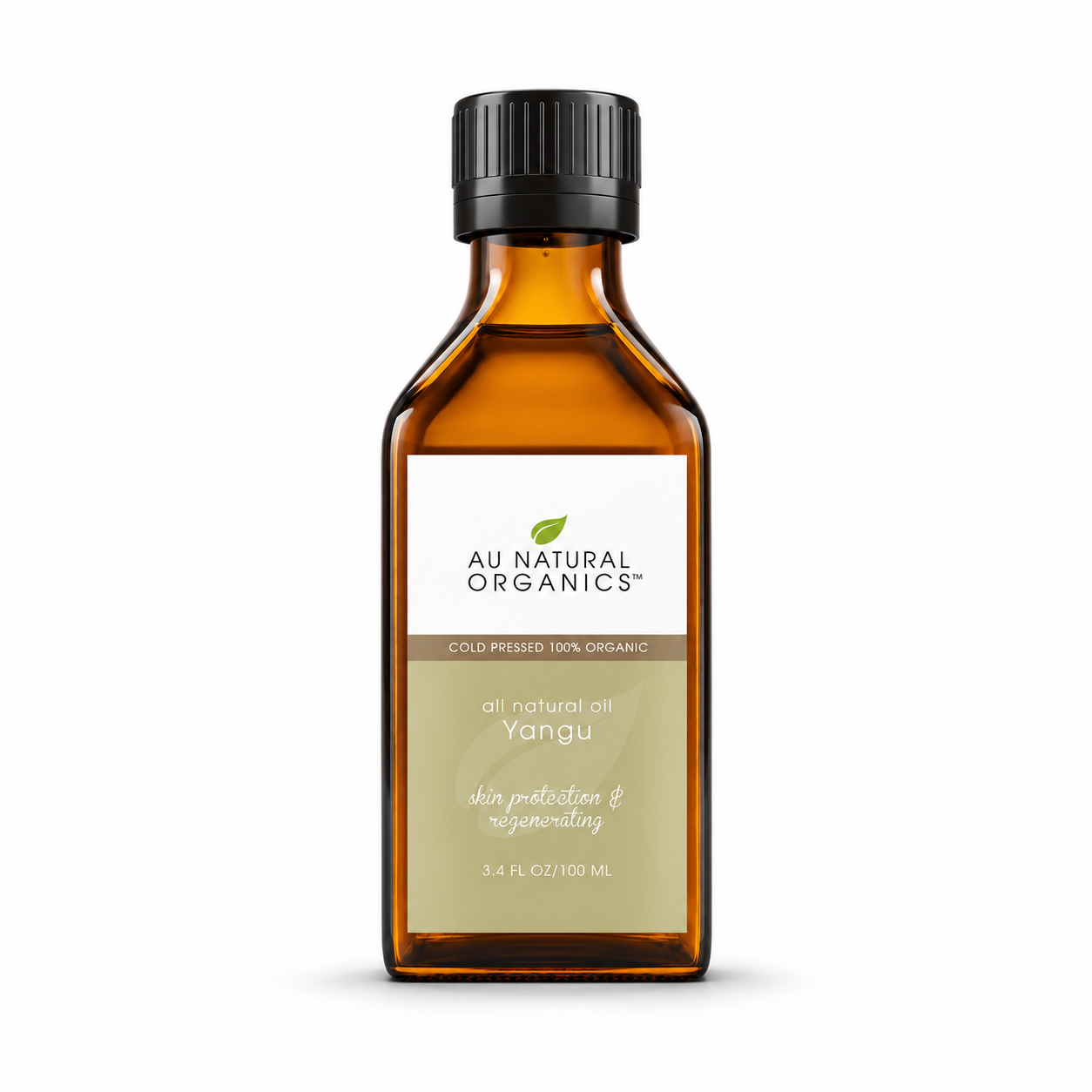
The Cape chestnut is not a true chestnut but a member of the citrus family. It grows from the highlands of Kenya south to South Africa and is covered in pink flowers in early summer. Rural households, often women, collect the fallen black seeds from wild trees along forest margins and farm boundaries, then sell them to small local presses. The oil is golden-brown to amber and naturally contains limonoids, typical of the citrus family.
Details
| Botanical name | Calodendrum capense (Cape chestnut) |
|---|---|
| Origin | Kenya and Tanzania |
| Part used | Seed |
| Extraction | Cold-pressed |
| Texture | Medium, smooth |
| Size | 3.4oz (100ml) |
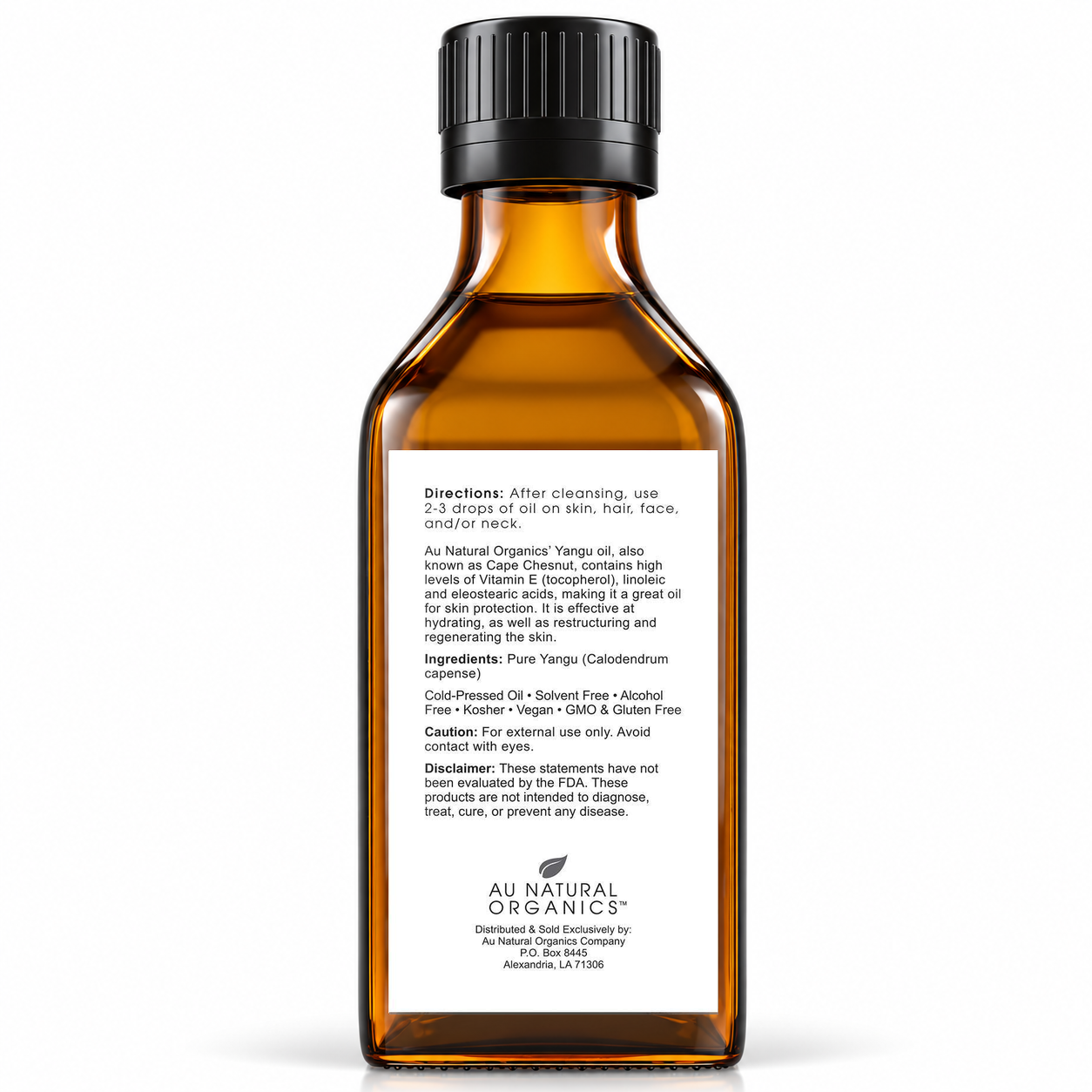
| Ingredients | 100% Calodendrum capense seed oil |
Why supply is small: the tree is not grown in plantations, so the oil depends on scattered wild trees and local collectors.
How to use
- Hair: smooth a few drops over the lengths, or massage into the scalp before washing.
- Body: apply to damp skin after a shower.
- Blends: use as a base in hair oils and summer body oils.
Store somewhere cool and dark with the cap closed.
FAQs
Is yangu a chestnut?
No. The Cape chestnut belongs to the citrus family, despite its name.
What does it smell like?
Nutty and slightly smoky.
Who collects the seeds?
Rural households in Kenya and Tanzania, who gather fallen seeds from wild trees.

Reviews