The Ingredient Library
Yangu
Calodendrum capense
Yangu oil is cold-pressed from the seeds of the Cape chestnut, an East African tree whose seeds are gathered from wild trees and farm boundaries in the highlands of Kenya and Tanzania.
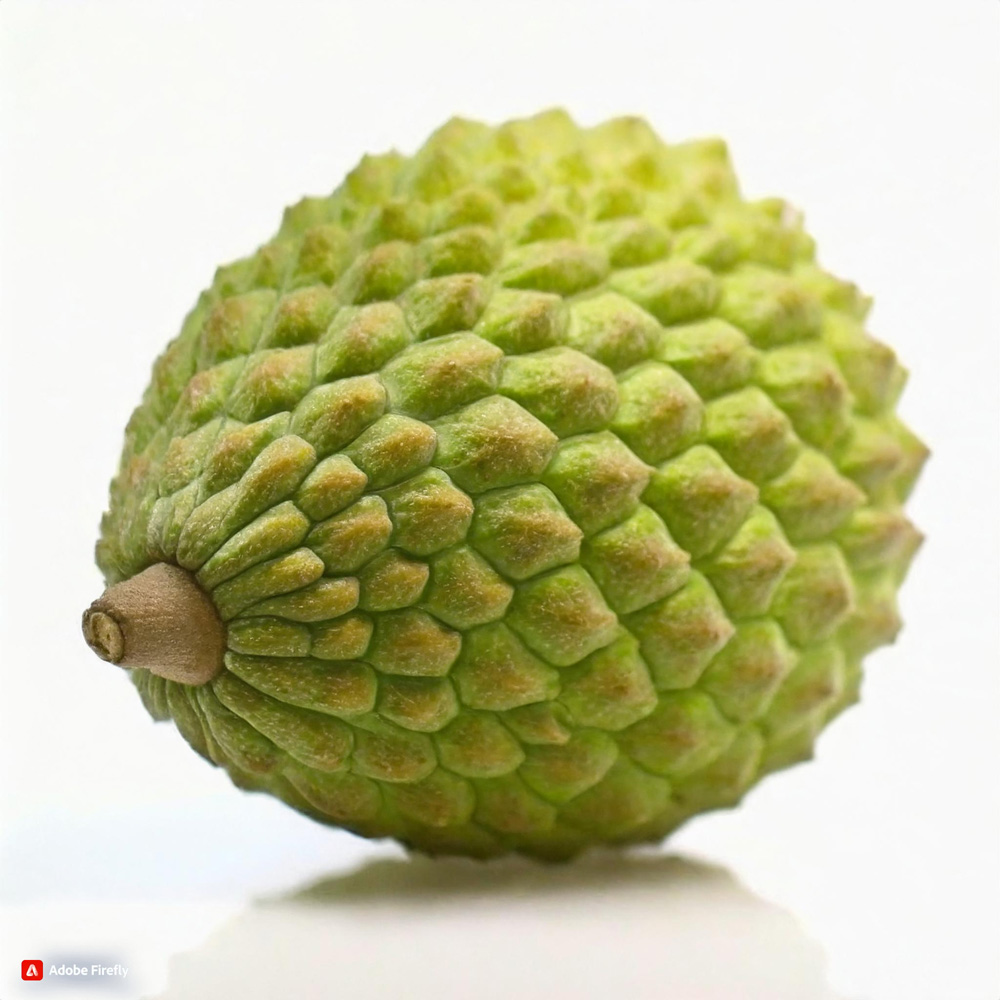
Get to know Yangu
- Source
- Seeds (nuts)
- Origin
- Kenya and Tanzania
- Extraction
- Cold-pressed
- Texture
- Medium, smooth
What it is
Yangu is a botanical carrier oil used in hair and skin care.
Why it belongs in your routine
Nutty seed oil from the Cape chestnut tree of the East African highlands.
How to use
Warm a few drops between your palms and smooth over hair or skin. Patch test before use.
Where Yangu comes from
The Cape chestnut is not a true chestnut but a member of the citrus family. It grows from the equatorial highlands of Kenya south through Tanzania, Malawi and Zimbabwe to South Africa, reaching around 20 metres in forest and less in the open. In early summer it is covered in large pink flowers, followed by knobbly, five-lobed woody capsules that split to release black, angular seeds.
Yangu oil is golden-brown to deep amber with a nutty, slightly smoky smell. It is rich in oleic and linoleic acids and naturally contains limonoids, which are typical of the citrus family. It has a medium, smooth feel and is used in hair oils, scalp blends, body oils and sun-season body care.
Sourcing & extraction
How Yangu is sourced and extracted
Why it is rare
Yangu is almost entirely wild-collected, since the tree is not grown as a plantation crop. Output depends on scattered trees and on the local people who gather the seeds, so the oil is produced in small volumes.
How it is gathered
Yangu oil comes mainly from Kenya, with some from Tanzania. Rural households, often women, typically collect the fallen seeds from wild Cape chestnut trees in forest margins, riverbanks and along field and farm boundaries, where the tree is kept for shade. The seeds are dried and sold to small local processors, who press them for oil. This seed collection gives the collectors a cash income from standing trees.
How it is made
Cold-pressed from the seeds
- Black Cape chestnut seeds are collected from the ground after the woody capsules split, then cleaned of husk.
- The seeds are dried in the sun to lower their moisture content before pressing.
- They are fed into a cold press, which crushes them and squeezes out a golden-brown oil.
- The oil is left to settle, filtered to remove seed fines, and bottled.
How to use Yangu
- Start with a few drops and warm them between your palms.
- Massage into clean skin, or work through the lengths of damp or dry hair.
- Use on its own, or add a few drops to your moisturizer or conditioner.
For external use only. Patch test on a small area before first use and stop if irritation occurs. If you are pregnant, nursing or have a medical condition, ask a healthcare professional before use.
From ingredient to routine
Products with Yangu
Find this ingredient in our collection.
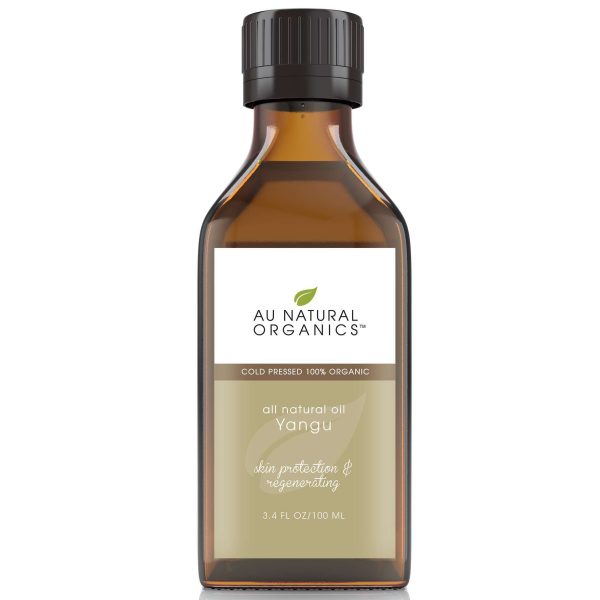
Questions about Yangu
Where does Yangu come from?
Yangu oil comes mainly from Kenya, with some from Tanzania. Rural households, often women, typically collect the fallen seeds from wild Cape chestnut trees in forest margins, riverbanks and along field and farm boundaries, where the tree is kept for shade. The seeds are dried and sold to small local processors, who press them for oil. This seed collection gives the collectors a cash income from standing trees.
How is Yangu extracted?
Cold-pressed from the seeds. Black Cape chestnut seeds are collected from the ground after the woody capsules split, then cleaned of husk. The seeds are dried in the sun to lower their moisture content before pressing. They are fed into a cold press, which crushes them and squeezes out a golden-brown oil. The oil is left to settle, filtered to remove seed fines, and bottled.
Why is Yangu considered rare?
Yangu is almost entirely wild-collected, since the tree is not grown as a plantation crop. Output depends on scattered trees and on the local people who gather the seeds, so the oil is produced in small volumes.