
Description
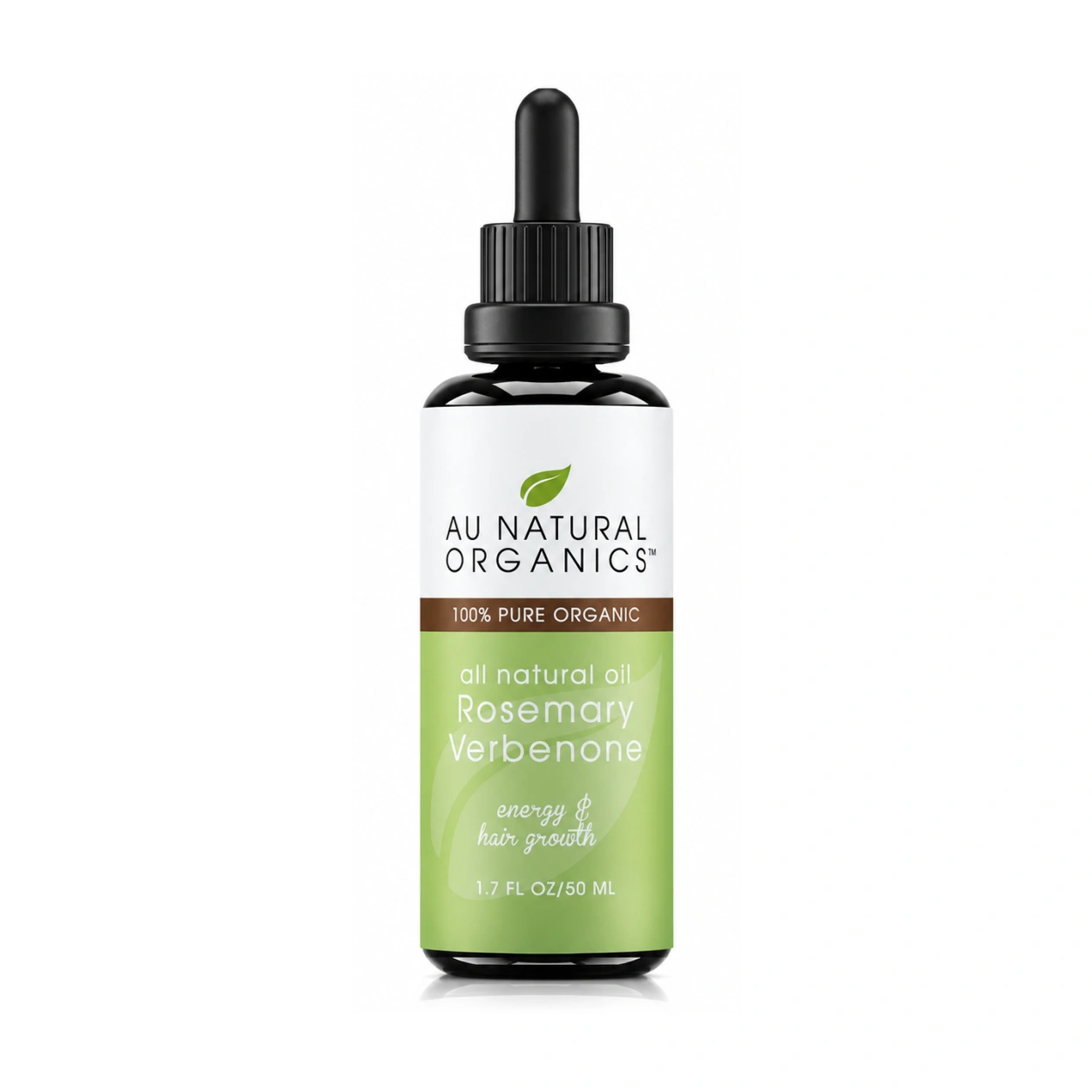
Rosemary grows wild on the dry, stony hillsides of the Mediterranean maquis. The same species makes several chemotypes: plants that look alike but produce different oils. The verbenone type is found mainly on Corsica and in parts of southern France. Small distillers cut the flowering tops in spring and again at the end of summer and take them to the still within a day. The oil is rich in alpha-pinene, bornyl acetate and verbenone, with far less camphor and 1,8-cineole than common rosemary, so its scent is green, herbal and soft.
Details
| Botanical name | Salvia rosmarinus (syn. Rosmarinus officinalis) ct. verbenone |
|---|---|
| Origin | Corsica and France |
| Part used | Flowering tops |
| Extraction | Steam-distilled |
| Aroma | Green, herbal, soft |
| Size | 1.7oz (50ml) |
| Ingredients | 100% rosemary verbenone oil |
Why supply is limited: only certain plants produce enough verbenone to qualify, they grow in a small range around Corsica, and each batch must be tested for its chemical profile.
How to use
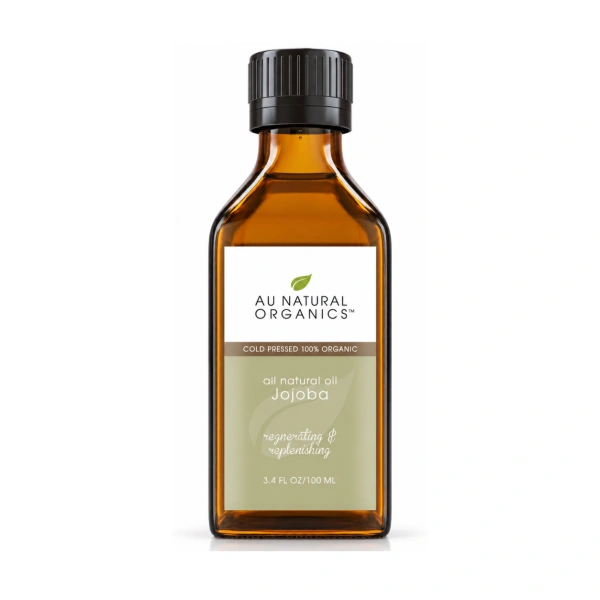
- Scalp oil: add 3 to 5 drops to a tablespoon (15ml) of a carrier oil such as jojoba, massage into the scalp, leave for 30 minutes, then shampoo.
- Hair oil: add 1 to 2 drops to your usual hair oil for scent.
- Diffuser: add 3 to 4 drops to water in your diffuser.
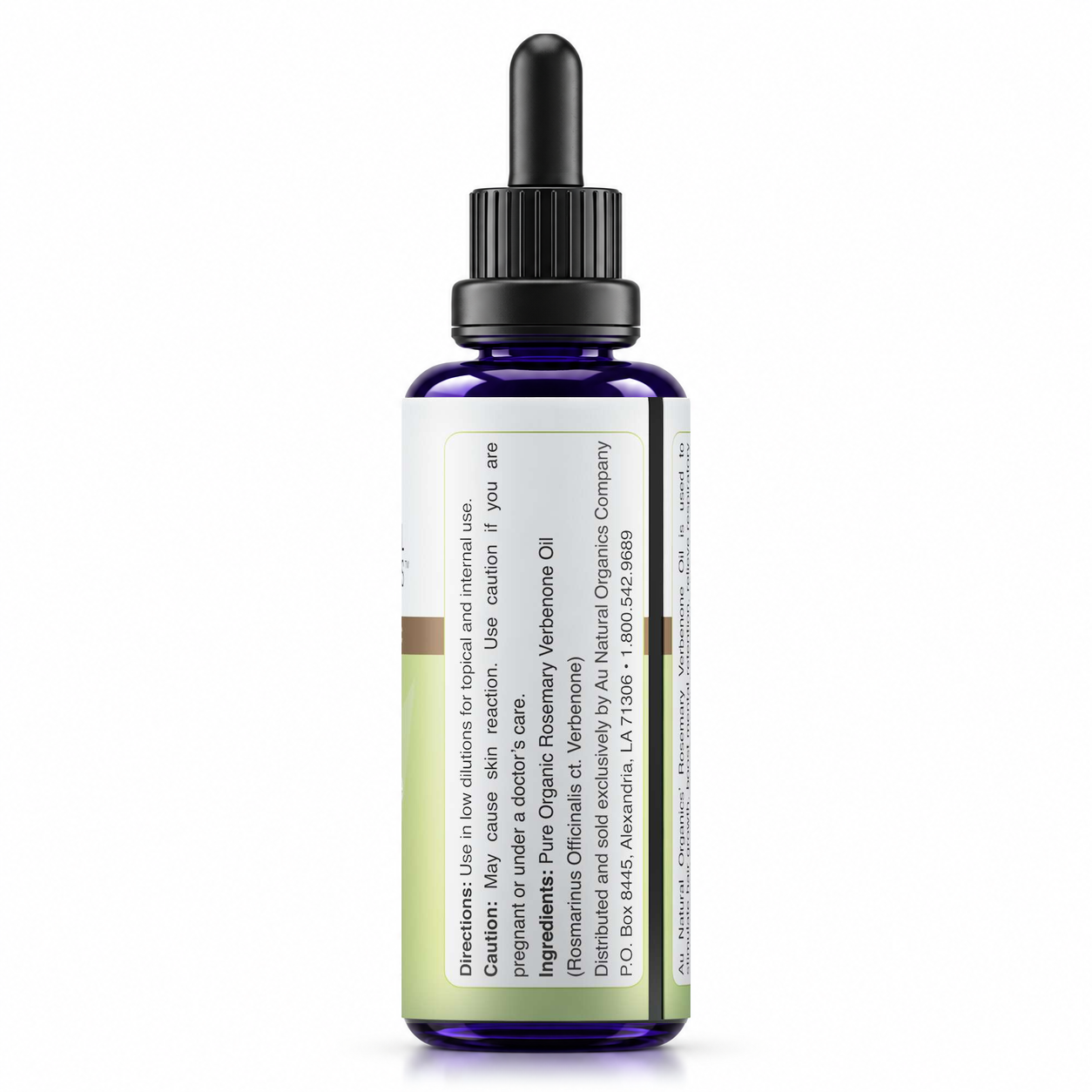
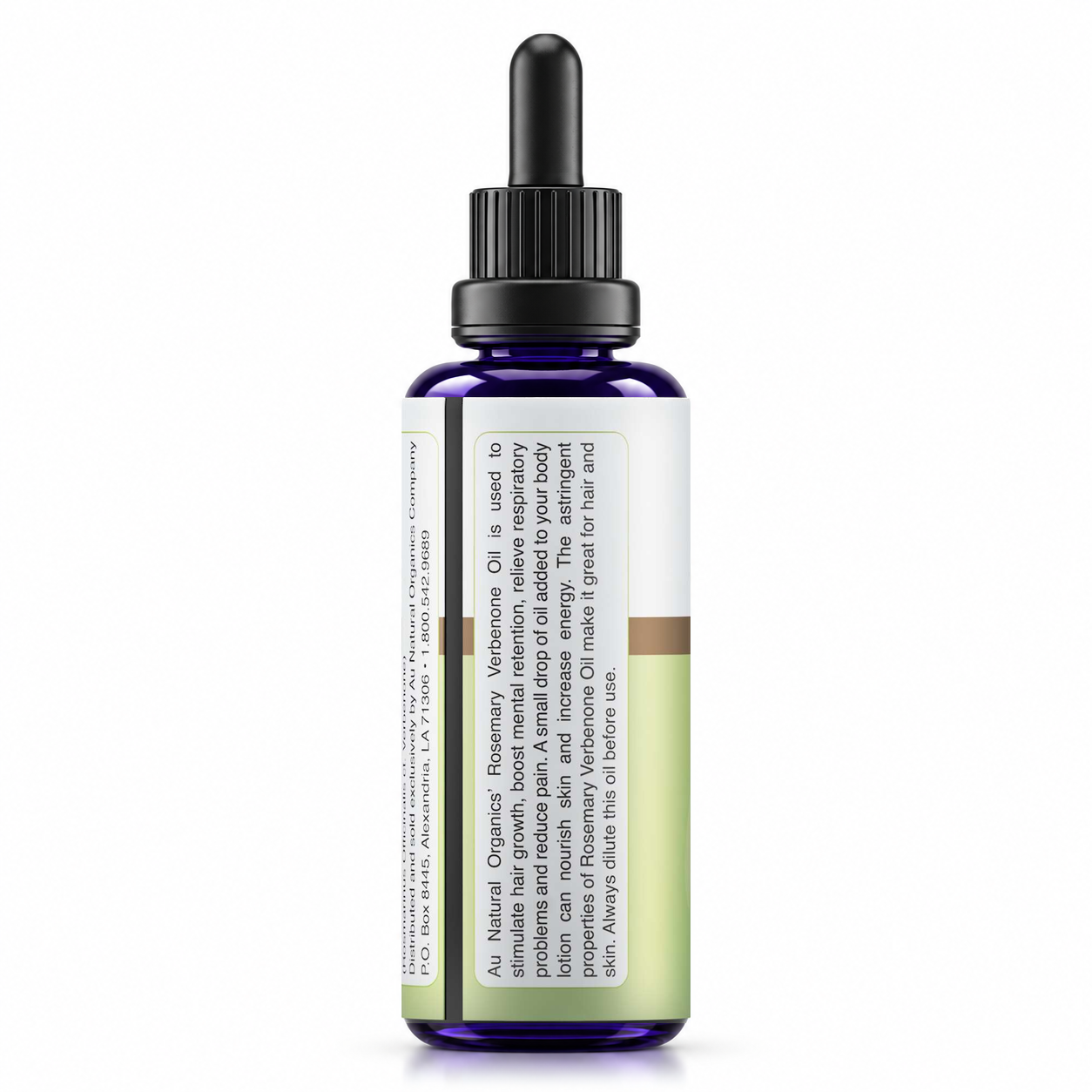
Essential oils are concentrated. Always dilute before use on skin, patch test first, keep away from eyes and out of reach of children, and do not take internally. If you are pregnant or nursing, check with your doctor before use.
FAQs
What does verbenone mean?
It is the chemotype. This rosemary is high in verbenone and lower in camphor than common rosemary oil.
How is it different from regular rosemary oil?
Its scent is softer and greener, and it has far less camphor and 1,8-cineole.
Can I put it straight on my scalp?
No. Always dilute it in a carrier oil first and patch test.
Read where rosemary verbenone oil comes from and how it is made.
Reviews
There are no reviews yet.