
Description
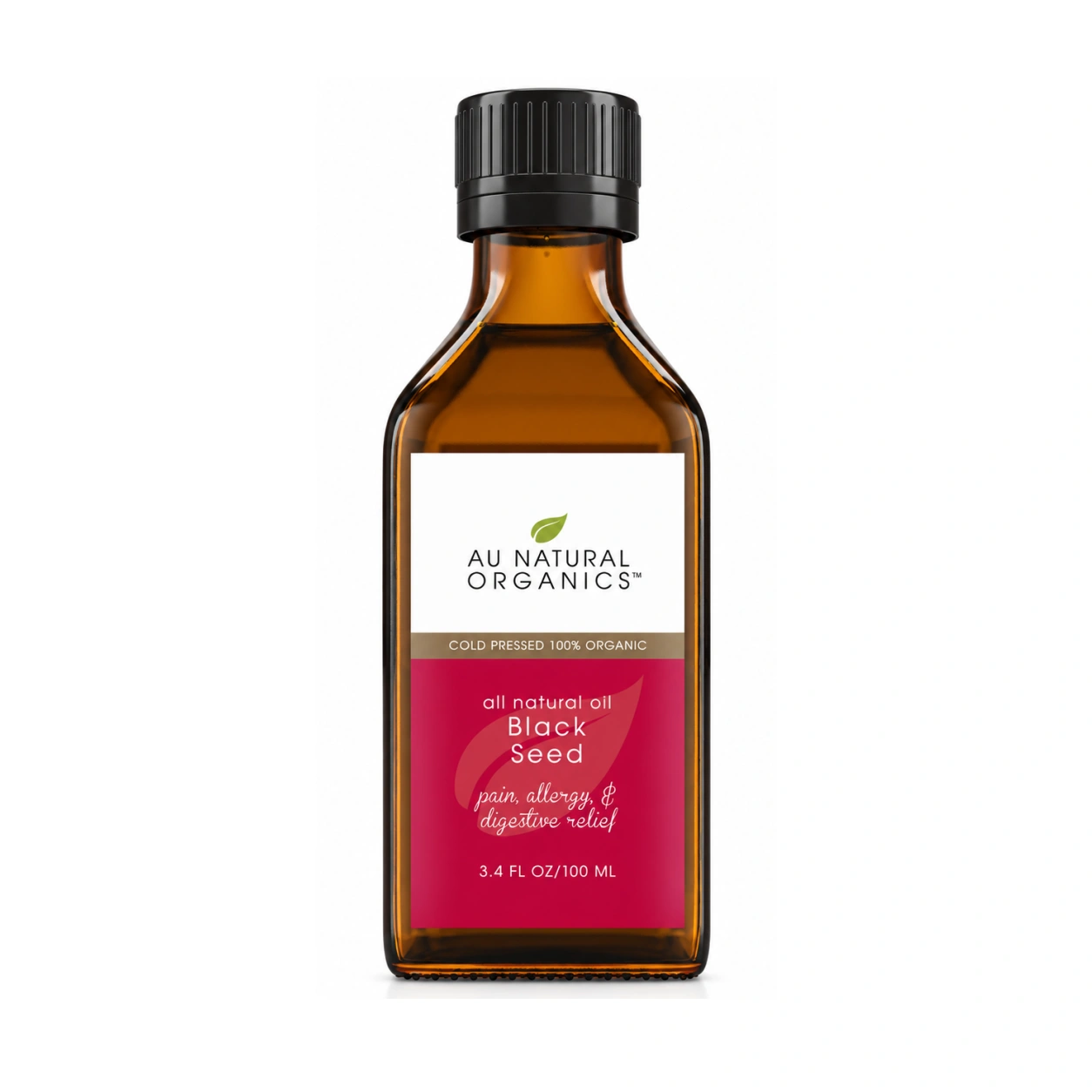
Nigella sativa is a slender annual with feathery leaves and pale blue flowers, grown as a spice crop across North Africa, the Middle East and South Asia. Farmers cut the plants when the seed capsules turn yellow-brown, dry them in the sun and thresh out the small, angular black seeds. The seeds are then cold-pressed. The oil is amber to dark brown with a strong, peppery, slightly bitter scent. Linoleic acid is its main fatty acid, and it naturally contains thymoquinone, which gives it its sharp aroma.
Details
| Botanical name | Nigella sativa (black seed, kalonji) |
|---|---|
| Origin | Egypt, Ethiopia, India |
| Part used | Seed |
| Extraction | Cold-pressed |
| Texture | Medium, warm peppery scent |
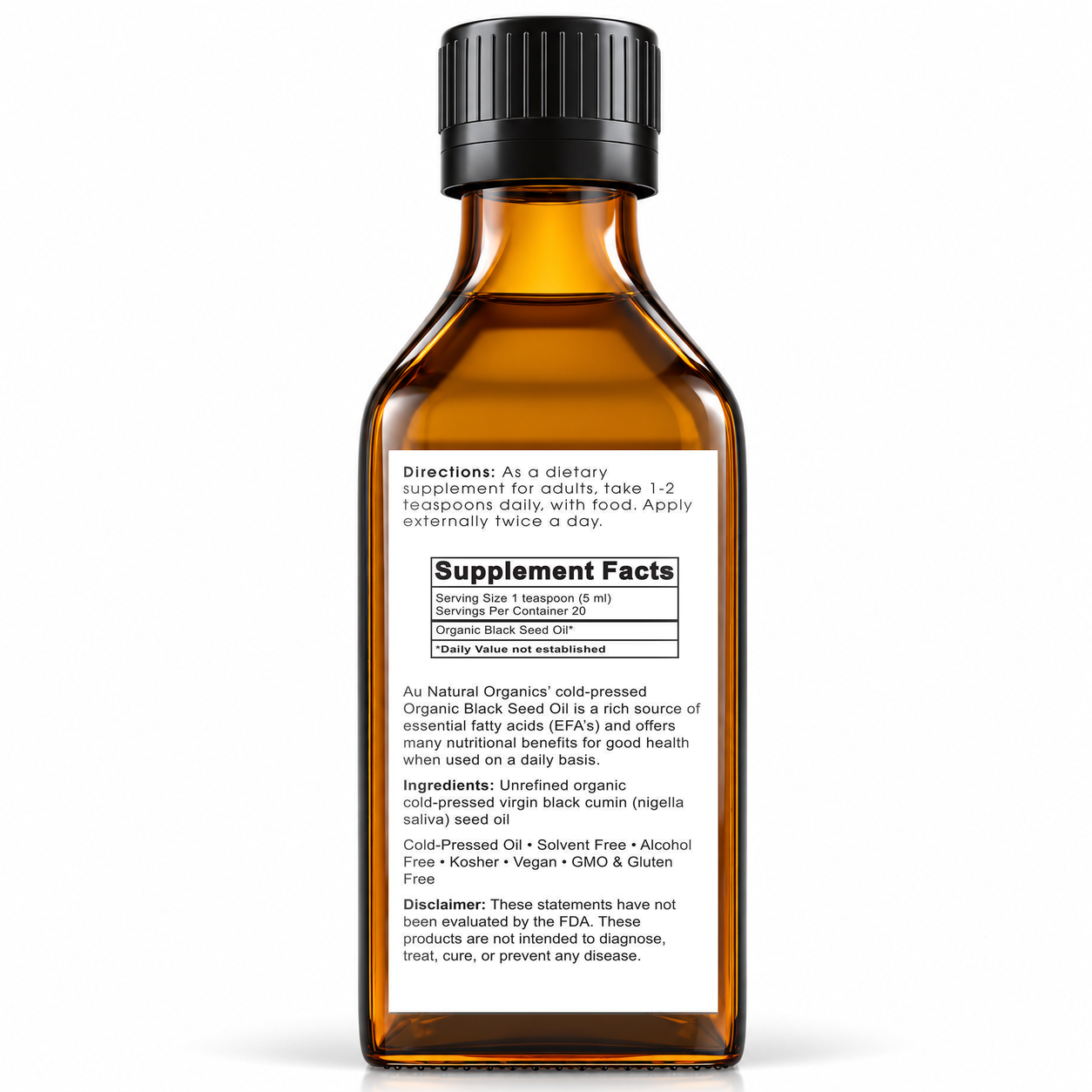
| Ingredients | 100% Nigella sativa seed oil |
Why supply is limited: the capsules ripen unevenly and split easily, so harvests are often timed and cut by hand on small farms, and the oil must be pressed cool and stored dark to keep its aroma.
How to use
- Scalp: mix a few drops with a milder oil such as jojoba, massage into the scalp, leave for 30 minutes, then shampoo.
- Hair: rub 2 to 3 drops through dry ends.
- Body: add a few drops to a body oil or balm.
Patch test on the inner arm before first use. Keep away from the eyes. Store somewhere cool and dark with the cap closed. This oil is sold for cosmetic use on skin and hair.
FAQs
Is black seed oil the same as onion seed oil?
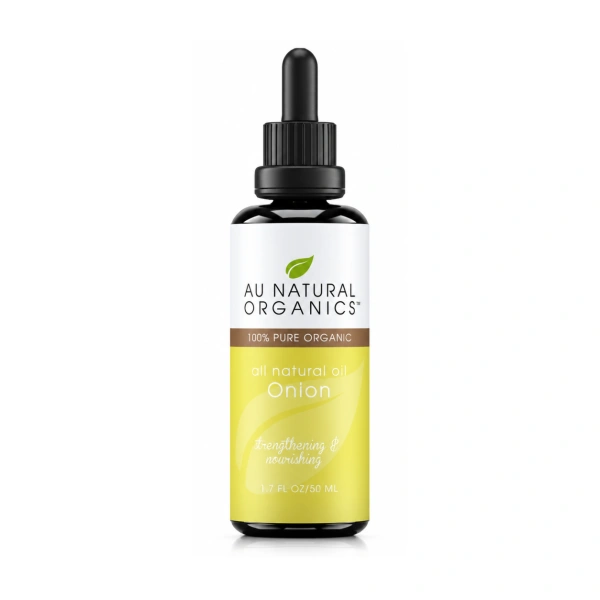
No. Black seed oil comes from Nigella sativa. Onion seed oil comes from the common onion, Allium cepa.
Why is the scent so strong?
It naturally contains thymoquinone and other aromatic compounds. Mixing it with a milder oil softens the scent.
Can I use it on my face?
Use it diluted in a lighter oil and patch test first, as the scent and warmth can be strong.
Reviews
There are no reviews yet.