
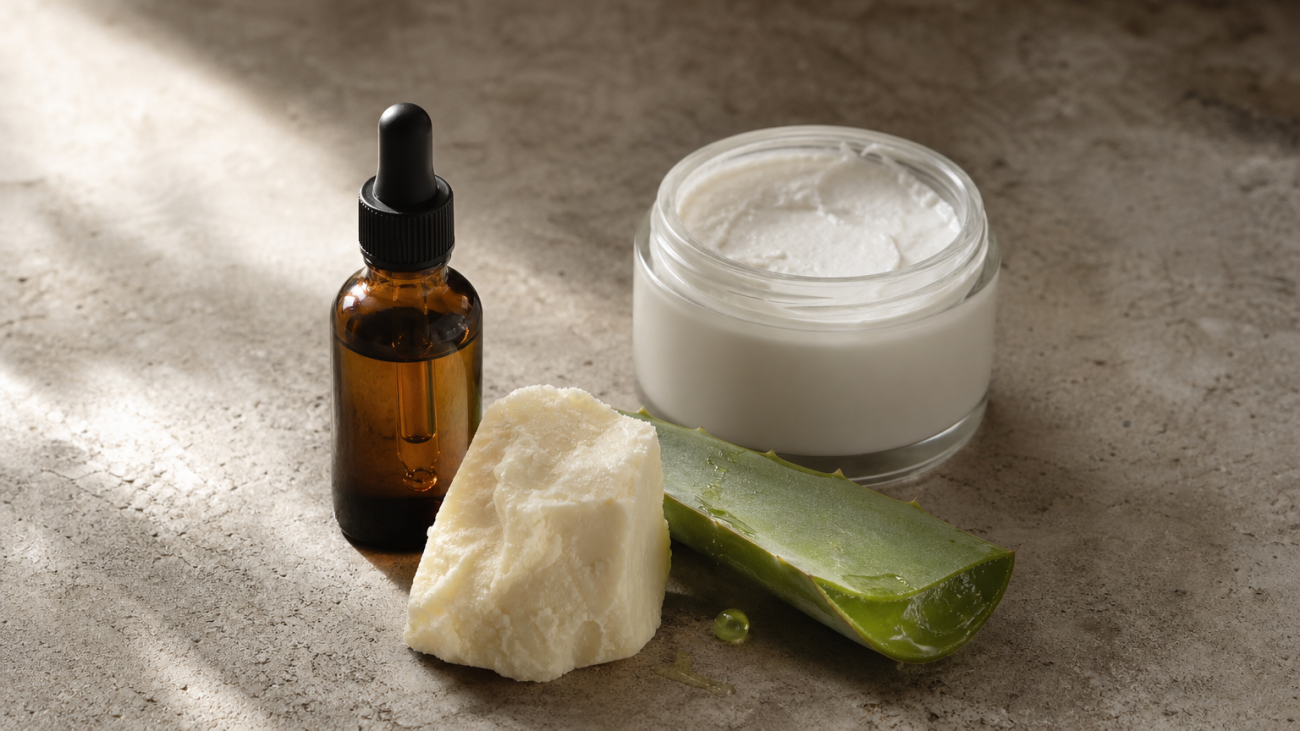
Shopping for a natural skincare product is harder than it should be. Labels say "clean," "botanical," or "organic," yet the ingredient list often tells a different story. Add oily, dry, sensitive, and acne-prone skin to the mix, and it is easy to spend $40 on something that sits unused in a drawer.
Here is the short answer. The best natural and organic skincare products are simple, unrefined, and matched to your skin type. A single raw oil or butter often does more than a 20-ingredient cream. Look for named origins, minimal processing, and a short ingredient list you can actually read.
Below, you will find seven picks that cover every skin type, from oily and breakout-prone to dry and reactive. At Au Natural Organics, we source raw, unrefined oils and butters directly from named origins, so we know what separates a genuine ingredient from a diluted one. For each pick, you will see who it suits, how to use it, and what it costs, so you can choose with confidence and stay within your budget.
1. Raw unrefined oils from Au Natural Organics
What it is and where it comes from
Au Natural Organics sells raw, unrefined, organic oils pressed from seeds, kernels, and nuts and shipped from named regions. The range includes Batana and Ojon oil from Honduras, black currant seed oil from Europe, and strawberry seed oil from Chile. Each product page explains the origin and how the oil was processed.
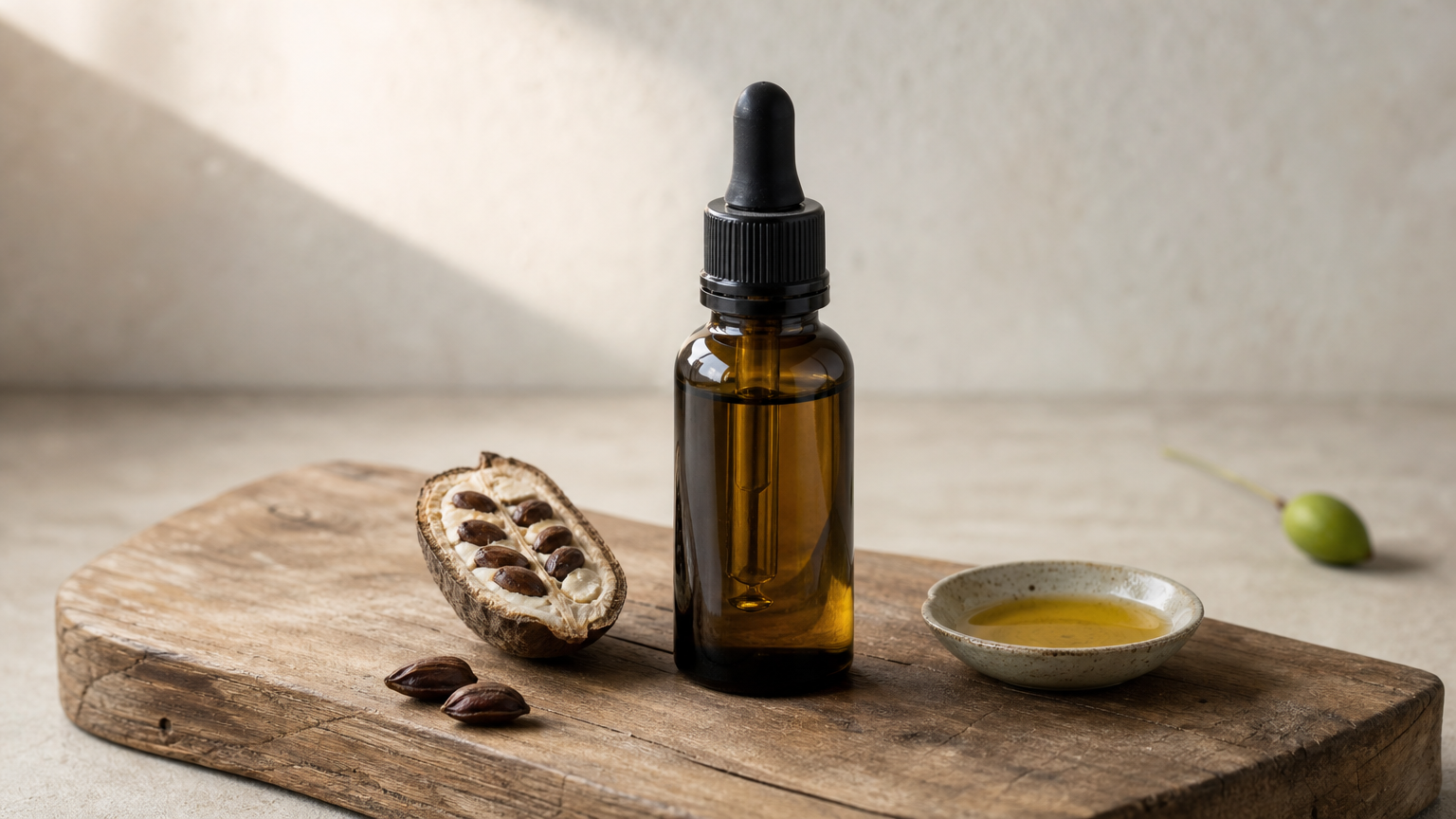
Unrefined means nothing is bleached, deodorized, or stripped. That is why color, aroma, and texture vary from batch to batch. A nutty smell or a deeper tint shows the oil is intact, not flawed. For an organic skincare routine, that openness is what separates a true natural skincare brand from a label that only borrows the words.
Best skin type and concerns
Oils suit nearly every skin type once you match the weight of the oil to your skin.
| Oil | Origin | Best for |
|---|---|---|
| Strawberry seed oil | Chile | Normal to combination skin, light daily moisture |
| Black currant seed oil | Europe | Dry, dull, or easily irritated skin |
| Batana oil | Honduras | Very dry skin, body care, hair strength |
| Desert date oil | Africa | Acne-prone skin (see pick 4) |
Start light if you break out and go richer only if your skin feels tight by midday. Dry and mature skin can handle the heavier oils, and they pair well with the butter in the next pick.
Match the oil’s weight to your skin, and one bottle can replace half your routine.
How to use it
Patch test on your inner forearm for 24 hours before applying to your face. Then follow this simple method:
- Cleanse and leave your skin slightly damp.
- Warm 2 to 4 drops between your palms.
- Press the oil into your face and neck. Do not rub.
- Use it at night first, then add a morning layer once you know how your skin responds.
More is not better. Two or three drops is enough for the face, and extra oil sits on the surface.
Price range and what to look for
Expect to pay roughly $20 to $37 for featured oils and butters at current promotional pricing. Orders of $75 or more ship free in the U.S. Before you buy any natural skincare product, check for these:
- A named country of origin, not just "imported"
- "Unrefined" and "organic" stated on the label
- Dark glass packaging that protects the oil from light
- An explanation of why the color and scent vary
If a brand cannot answer those four points, keep shopping. You can browse the full carrier oil range at Au Natural Organics and compare origins side by side.
2. Shea butter for dry and mature skin
What it is and where it comes from
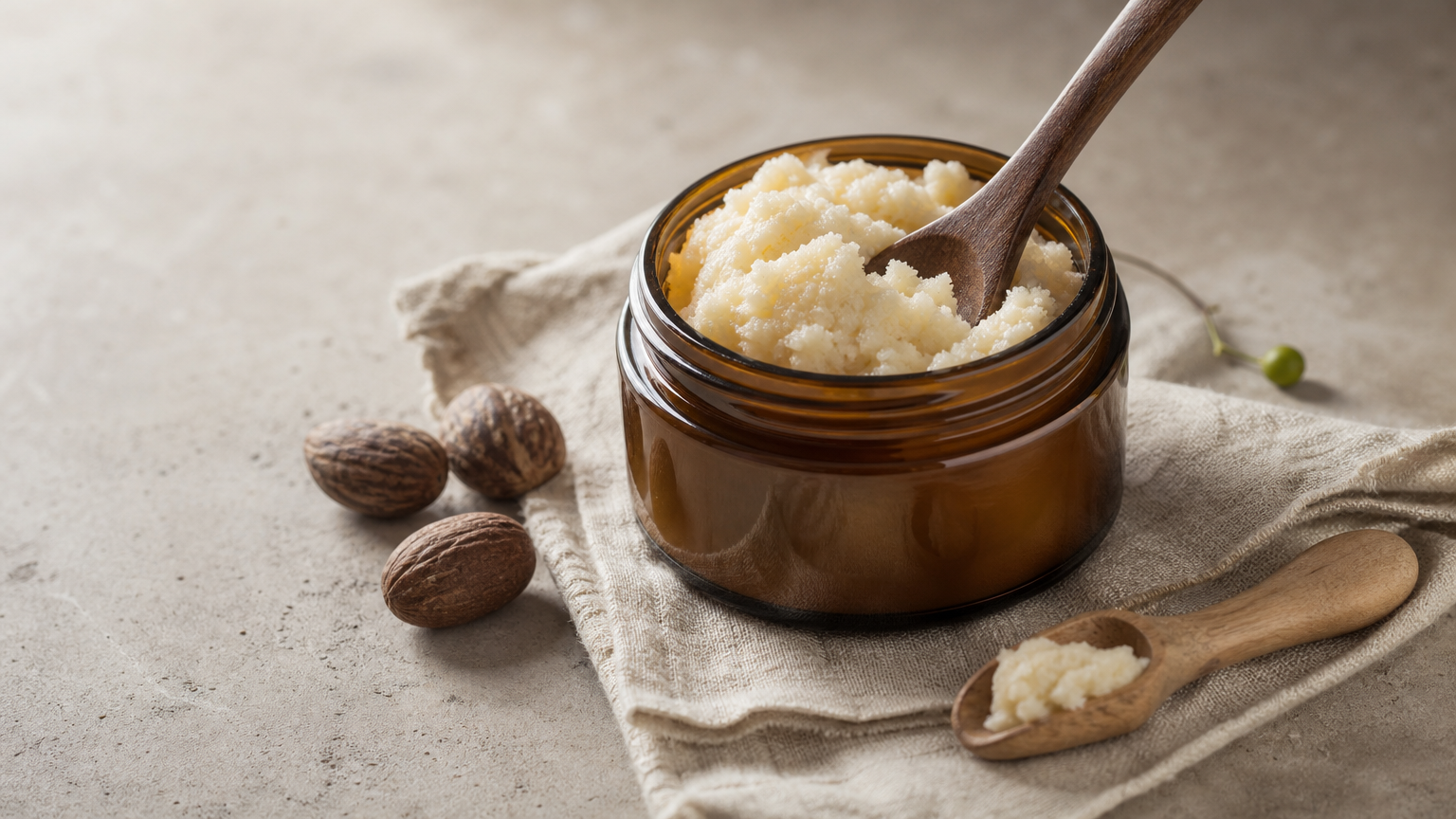
Shea butter is the fat pressed from the nut of the shea tree, which grows across Africa’s savanna belt. Au Natural Organics sources its raw shea butter from East Africa. Unrefined shea is ivory to yellow and smells nutty and slightly smoky. Refined shea is bright white and nearly scentless, because processing strips out much of what makes it useful.
Best skin type and concerns
Shea is the richest pick on this list, so it suits dry, mature, and flaky skin best. It also works on elbows, heels, and cracked hands. Its fatty acids soften rough patches and slow moisture loss overnight. If your skin is oily or breakout-prone, use it on your body instead, since it can feel heavy on the face.
Shea seals moisture in rather than adding it, so apply it over damp skin.
How to use it
A little goes a long way, because shea is dense and melts on contact with skin.
- Scoop a pea-sized amount.
- Warm it between your fingertips until it turns to oil.
- Press it onto damp skin after cleansing.
- Layer it over a few drops of facial oil if your skin is very dry.
Price range and what to look for
Plan on roughly $20 to $37 for a quality jar of organic butter, in line with current Au Natural Organics pricing. Good natural skincare products in this category share a few traits:
- A named region of origin
- "Unrefined" on the label
- A creamy, slightly grainy texture, not a perfectly smooth white block
Graininess is normal. Warm it in your hands and it smooths out.
3. Jojoba oil for oily and combination skin
What it is and where it comes from
Jojoba is not technically an oil. It is a liquid wax ester pressed from the seeds of a desert shrub native to the Sonoran Desert in the southwestern U.S. and northern Mexico. Its structure is close to your skin’s own sebum, so it absorbs fast and rarely feels greasy. Golden, cold-pressed jojoba is unrefined, while clear, odorless versions have been processed.
Best skin type and concerns
Oily and combination skin gets the most from jojoba. Harsh cleansers strip the surface, and skin often answers by making even more sebum. A thin layer of jojoba can help calm that cycle, which makes it one of the more useful natural products for skincare if you fight midday shine.
Jojoba resembles your skin’s own sebum, so oily skin tends to accept it instead of fighting it.
Very dry or mature skin will want something richer, like the shea in pick 2.
How to use it
This oil works as a moisturizer and as a cleanser. Try one of these two methods:
- Moisturizer: Press 2 drops onto damp skin after cleansing. Focus on dry cheeks and skip the T-zone if it runs oily.
- Oil cleanser: Massage a teaspoon over dry skin for one minute, then wipe away with a warm, damp cloth.
Price range and what to look for
Budget roughly $10 to $25 for a 2 to 4 ounce bottle, since jojoba is one of the most affordable oils here. Check the label for these:
- "100% pure jojoba" with no added fragrance or fillers
- "Cold-pressed" and "organic"
- A golden color and faint nutty scent
- Dark glass packaging
Clear and scentless usually means refined, which is fine for sensitive skin but offers less.
4. Desert date oil for acne-prone skin
What it is and where it comes from
Desert date oil is pressed from the kernel of the Balanites aegyptiaca tree, which grows across the dry Sahel belt of Africa. Communities there have used the fruit and kernel for food and skin care for generations.
Unlike heavy butters, this oil is light and fast-absorbing, with a pale gold color and a mild nutty scent. Unrefined versions keep their natural fatty acids and plant compounds.
Best skin type and concerns
Acne-prone and oily skin tend to like desert date because it sits lightly and rarely leaves a greasy film. It is rich in linoleic acid, and research has linked low levels of that fatty acid in sebum with clogged pores.
For breakout-prone skin, choose a light oil over a heavy butter.
Be realistic, though. Desert date supports balanced, comfortable skin, but it will not clear active cystic acne. See a dermatologist if breakouts are painful or persistent.
How to use it
Begin slowly, and patch test first on your inner forearm for 24 hours. Then follow this routine:
- Cleanse and leave your skin slightly damp.
- Press in 2 drops at night, focusing on breakout-prone areas.
- Add a morning layer after two weeks if you see no new breakouts.
Price range and what to look for
Expect to pay roughly $20 to $37 for a bottle at Au Natural Organics, in line with other organic skincare products made from rare botanicals. Check the label for these:
- A named African origin
- "Unrefined" and "organic" stated clearly
- Dark glass packaging
Pure desert date oil should contain one ingredient only. Anything blended with cheaper oils is not worth the price.
5. Rosehip seed oil for aging skin and dark spots
What it is and where it comes from
Rosehip seed oil is pressed from the seeds of wild rose bushes, mostly Rosa rubiginosa, grown in Chile and parts of Europe. It is rich in essential fatty acids and carries trace vitamin A compounds.
Fresh, cold-pressed oil is amber to orange with an earthy, fruity scent. Clear, odorless bottles are usually refined, which strips some of those compounds.
Best skin type and concerns
Mature skin, uneven tone, and old breakout marks benefit most. Small studies suggest rosehip can soften the look of scars and fine lines, and it is light enough for combination skin. Expect to wait 8 to 12 weeks for visible change.
Rosehip works slowly, so judge it after a few months, not a few days.
Daily sunscreen matters here, because sun exposure undoes the progress on dark spots. Pick 7 covers that.
How to use it
Use it at night, when skin repairs itself and sunlight is not a factor. Three drops cover the whole face.
- Cleanse and leave your skin slightly damp.
- Press the oil in, with extra on dark spots.
- Start every other night, then go nightly if your skin stays calm.
Price range and what to look for
Budget roughly $12 to $30 for a 1 ounce bottle. Because rosehip oxidizes quickly, freshness matters more than with other oils. Look for:
- "Cold-pressed" and "organic" on the label
- An amber-orange color and earthy scent
- Dark glass and a harvest or expiry date
Keep it in the fridge once opened, and replace it after six months.
6. Aloe and rose hydrosols for sensitive skin
What it is and where it comes from
Hydrosols are the water left after steam distillation of plant material. They carry a faint trace of the plant’s aroma and compounds, and they are far gentler than an essential oil. Rose hydrosol usually comes from damask rose petals grown in Bulgaria, Turkey, or Morocco.
Aloe needs a closer look. Most "aloe water" is diluted juice or gel, and a true aloe hydrosol is rare, so check the ingredient list for one plant and water, nothing else.
Best skin type and concerns
Sensitive, redness-prone, and reactive skin gets the most from hydrosols. They hydrate lightly and refresh skin after cleansing without adding heavy oils. That makes them useful natural skincare for hot weather or a long flight.
Hydrosols hydrate gently, but they do not replace an oil or a sunscreen.
Remember that hydrosols are not moisturizers. Layer a few drops of oil on top to seal the water in. Skip rose if fragrance bothers you, and patch test either one first.
How to use it
You can use a hydrosol anywhere in your routine after cleansing:
- Mist from 6 to 8 inches away with your eyes closed.
- Press it in with clean palms while skin is damp.
- Follow with a facial oil or butter.
Mist again at midday to refresh skin over makeup or sunscreen.
Price range and what to look for
Expect roughly $8 to $20 for a 4 ounce bottle. Water spoils faster than oil, so freshness counts. Look for:
- A botanical name and country of origin
- No alcohol, fragrance, or added "aroma"
- A fine-mist cap and dark glass
Refrigerate after opening and use within 6 to 12 months.
7. Mineral sunscreen for daily sun protection
What it is and where it comes from
Mineral sunscreen uses zinc oxide or titanium dioxide, two minerals that sit on top of your skin and block UV rays. The FDA has said it considers both generally safe and effective, and it has asked for more safety data on most chemical filters. Zinc oxide is the stronger pick, since it covers the full UVA and UVB range.
Best skin type and concerns
Sensitive, redness-prone, and acne-prone skin tends to tolerate minerals best, because they rarely sting. Every skin type needs sunscreen, though. Oils, butters, and hydrosols do not block UV, and sun exposure darkens the spots you are treating with rosehip in pick 5.
No oil, butter, or hydrosol replaces sunscreen, so make it the last step of every morning routine.
Tinted formulas help if you have a deeper skin tone, since plain zinc can leave a white cast.
How to use it
Apply sunscreen after your oil or hydrosol has absorbed.
- Use about a quarter teaspoon for your face and neck.
- Smooth it on in thin layers rather than one thick coat.
- Reapply every two hours outdoors, or after swimming or sweating.
Price range and what to look for
Expect to pay roughly $15 to $35 for a 2 to 3 ounce tube. Cheaper options exist, but a good mineral formula blends more smoothly. Check the label for:
- "Broad spectrum" and SPF 30 or higher
- Zinc oxide as the active ingredient, ideally 15 to 25 percent
- A short ingredient list with no added fragrance
- A water-resistance claim if you sweat or swim
How to choose natural skincare that is truly natural
The word natural has no legal definition for cosmetics in the U.S., and the FDA does not regulate how it appears on labels. Any brand can print it on a jar. "Organic" carries more weight, because the USDA National Organic Program sets rules for products that wear its seal. That gap is why you have to vet the product yourself, whatever the front label says.
Read the ingredient list first
Flip the bottle over before you read anything else. Ingredients appear in order of amount, so the first three tell you what you are buying. A good natural skincare product names its plants plainly and adds little else. Walk away if you see:
- "Fragrance" or "parfum" with no source named
- Mineral oil, petrolatum, or silicones used as fillers in skincare
- A rare oil listed after water and thickeners
- A vague "botanical blend" with no plant names
Look past the label to the brand
Next, check what the company is willing to tell you. A trustworthy organic skincare brand names the country of origin, explains how the oil was pressed, and admits that color and scent vary by batch.
A brand that explains why its oil smells different is more trustworthy than one that promises it never will.
Finally, let price guide you. A "pure" rare oil for $6 is probably diluted, so compare the cost per ounce across natural skincare brands before you buy. Then patch test anything new on your inner forearm for 24 hours, because natural does not mean non-allergenic.
Building a routine that fits your skin
Start with three steps, not ten. Cleanse, apply one oil or butter that matches your skin type, and finish with mineral sunscreen every morning. Add a hydrosol if your skin runs sensitive. Introduce one new natural skincare product at a time, so you can tell what helps and what irritates.
Patience pays off. Most oils need weeks, not days, and rosehip takes the longest. Patch test, keep short notes, and change only one thing at a time.
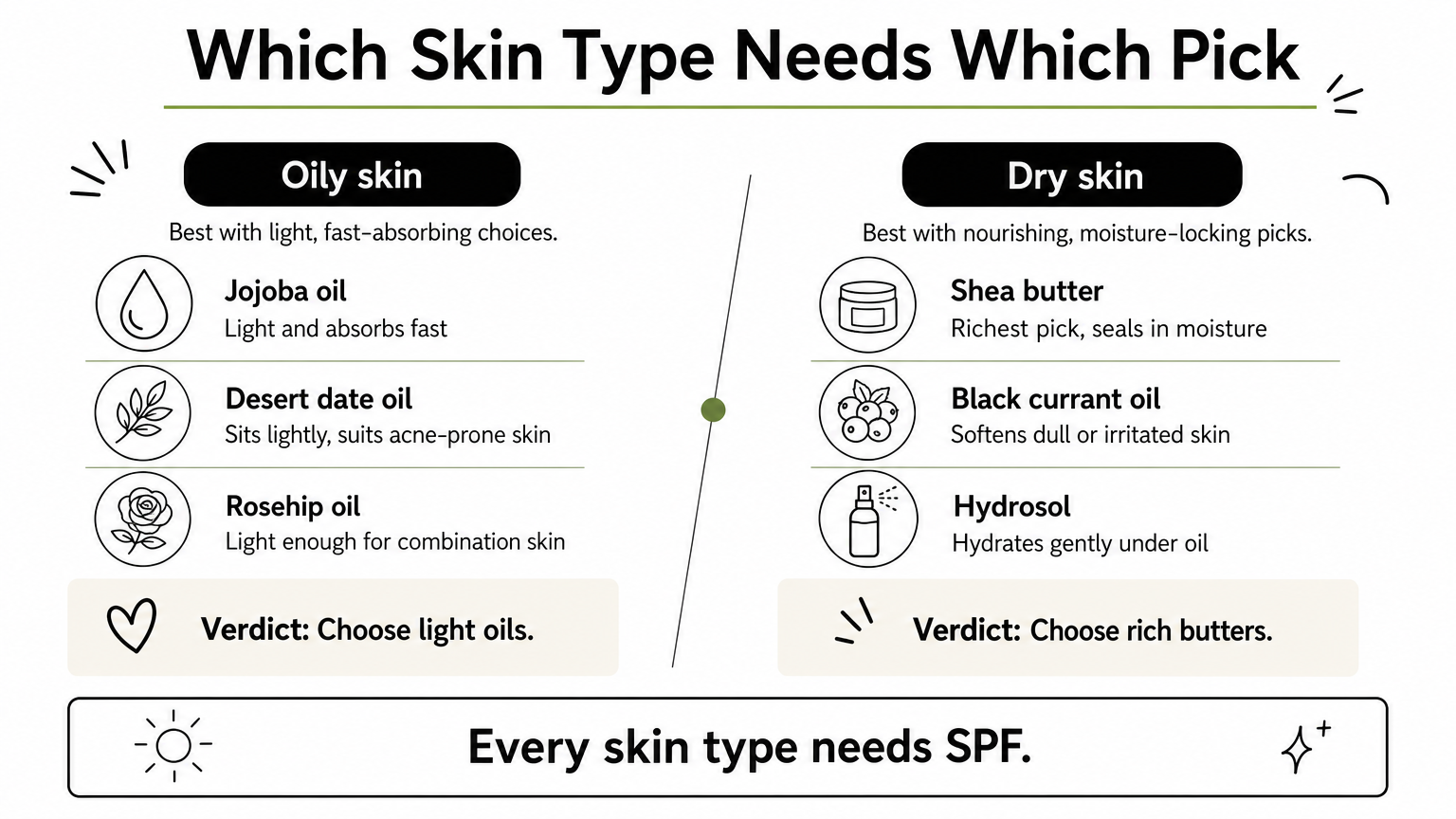
The best natural skincare is simple, transparent, and matched to your skin. Oily skin wants jojoba or desert date, dry skin wants shea, and every skin type needs SPF. If you want raw, unrefined options with named origins, browse the natural skin care oils and butters at Au Natural Organics and pick your first bottle.

Leave a comment
You must be logged in to post a comment.