The Ingredient Library
Desert Date
Balanites aegyptiaca
Desert date oil is pressed from the kernel of Balanites aegyptiaca, a thorny tree of the African Sahel whose stone is so hard that it is often cracked open by hand, one fruit at a time.
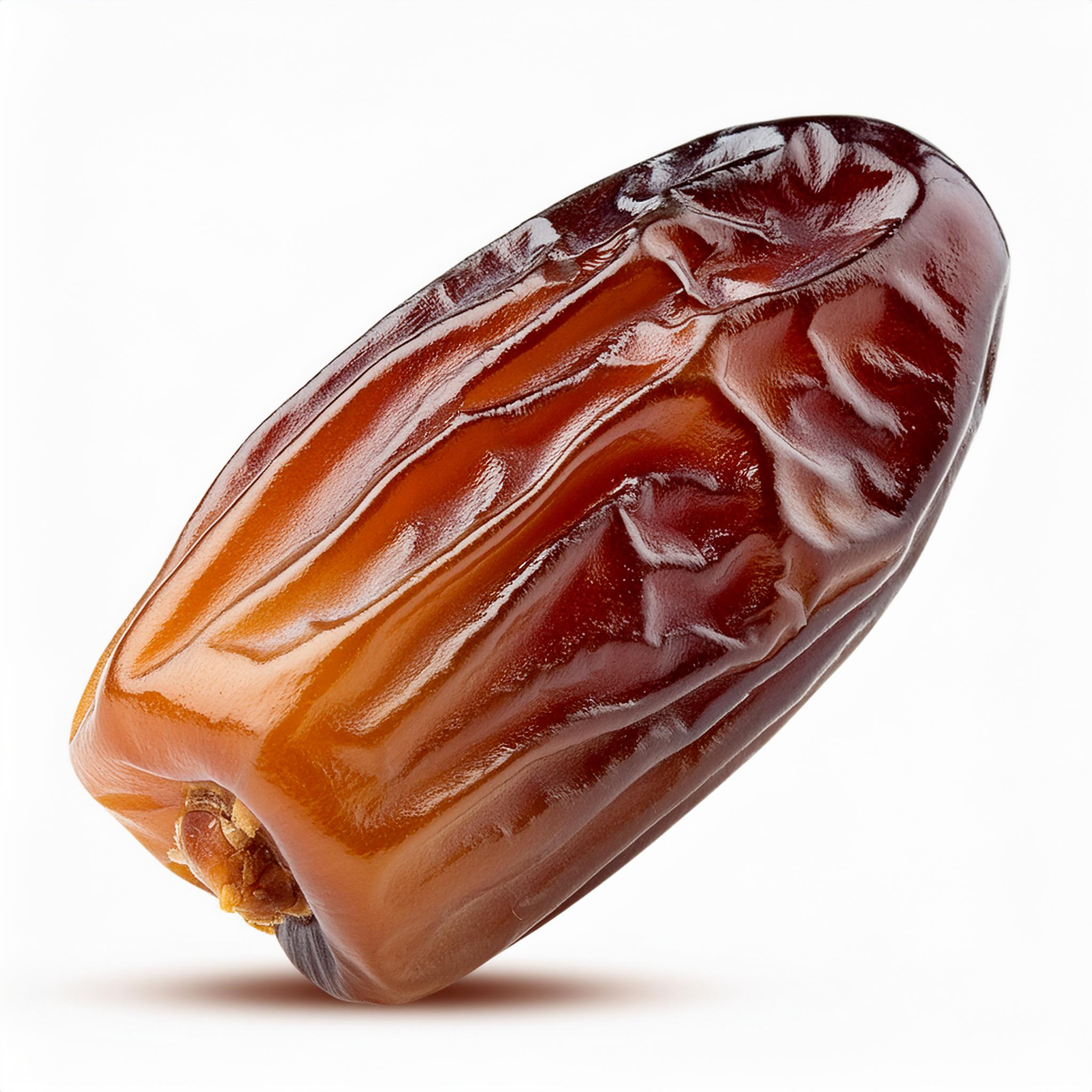
Get to know desert date oil
- Source
- Fruit kernel
- Origin
- Sahel, West & East Africa
- Extraction
- Cold-pressed
- Texture
- Light to medium
What it is
Desert Date is a botanical carrier oil used in hair and skin care.
Why it belongs in your routine
Golden kernel oil from the thorny desert date tree of the Sahel.
How to use
Warm a few drops between your palms and smooth over hair or skin. Patch test before use.
Where does desert date oil come from?
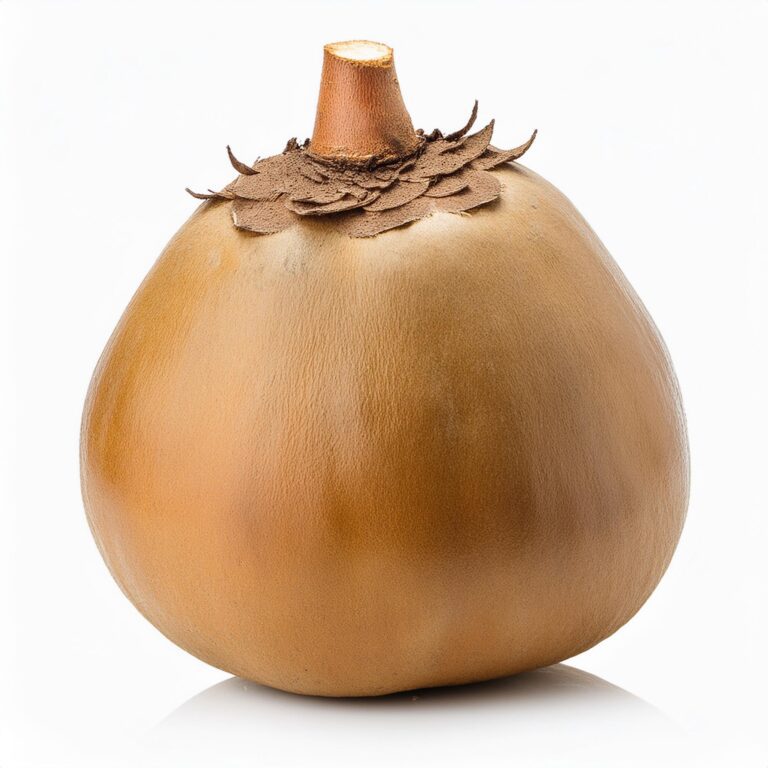
Desert date, also called the soapberry tree or hingot, is a slow-growing, spiny evergreen that survives on the dry fringes of the Sahara. It grows across the Sahel from Senegal to Sudan, and into East Africa and Arabia, with Sudan the largest producer. The tree carries small green fruits that turn yellow-brown when ripe, each holding a sticky, date-like pulp around a single woody stone.
Desert date oil comes from the pale kernel inside that stone, which holds roughly 40 to 46 percent oil. The oil is golden yellow, mild in scent and naturally contains oleic and linoleic acids in similar measure. It is stable and feels light on the skin, so it is used in face oils, body oils, hair oils and soaps, and locally as a cooking oil.
Sourcing & extraction
How desert date oil is sourced and extracted
Why it is rare
The oil sits behind a very hard, fibrous stone that resists machine cracking, so much of the shelling is still done by hand with stones or blades. Trees grow wild and scattered through dry bush, and a whole fruit yields only a small kernel.
How it is gathered
Desert date fruit is typically gathered from wild and farm-border trees across the Sahel, often by women and children, once the fruit ripens and drops in the dry season. The sweet pulp is eaten or soaked off, and the stones are washed and dried in the sun. Kernels are then removed by cracking or sawing the stones, which is slow work, before the collected kernels go to small local presses or regional processors.
How it is made
Cold-pressed from the kernel
- Ripe desert date fruits are gathered and the sticky outer pulp is soaked or scraped away from the stones.
- The cleaned stones are dried in the sun, then cracked or sawn open, usually by hand, to free the pale kernel.
- Kernels are sorted and dried again to lower their moisture before pressing.
- An expeller presses the kernels without added heat, and the golden oil is left to settle and then filtered.
How to use desert date oil
- Start with a few drops and warm them between your palms.
- Massage into clean skin, or work through the lengths of damp or dry hair.
- Use on its own, or add a few drops to your moisturizer or conditioner.
For external use only. Patch test on a small area before first use and stop if irritation occurs. If you are pregnant, nursing or have a medical condition, ask a healthcare professional before use.
From ingredient to routine
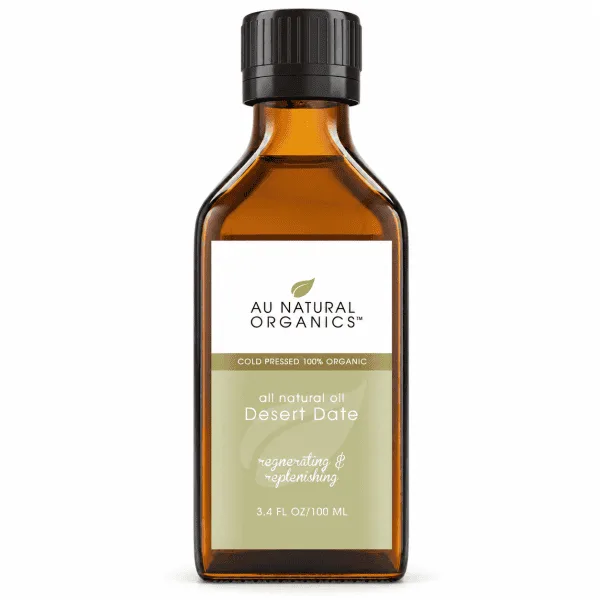
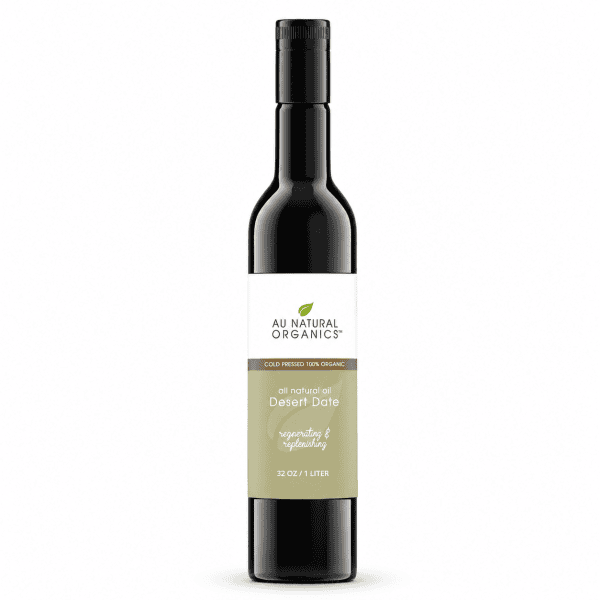
Products with Desert Date
Find this ingredient in our collection.
Questions about Desert Date
Where does Desert Date come from?
Desert date fruit is typically gathered from wild and farm-border trees across the Sahel, often by women and children, once the fruit ripens and drops in the dry season. The sweet pulp is eaten or soaked off, and the stones are washed and dried in the sun. Kernels are then removed by cracking or sawing the stones, which is slow work, before the collected kernels go to small local presses or regional processors.
How is Desert Date extracted?
Cold-pressed from the kernel. Ripe desert date fruits are gathered and the sticky outer pulp is soaked or scraped away from the stones. The cleaned stones are dried in the sun, then cracked or sawn open, usually by hand, to free the pale kernel. Kernels are sorted and dried again to lower their moisture before pressing. An expeller presses the kernels without added heat, and the golden oil is left to settle and then filtered.
Why is Desert Date considered rare?
The oil sits behind a very hard, fibrous stone that resists machine cracking, so much of the shelling is still done by hand with stones or blades. Trees grow wild and scattered through dry bush, and a whole fruit yields only a small kernel.