The Ingredient Library
Jojoba
Simmondsia chinensis
Jojoba oil is pressed from the seeds of a desert shrub native to the Sonoran Desert of Arizona, California and Mexico. Strictly it is a liquid wax, not a true oil, which makes it very stable.
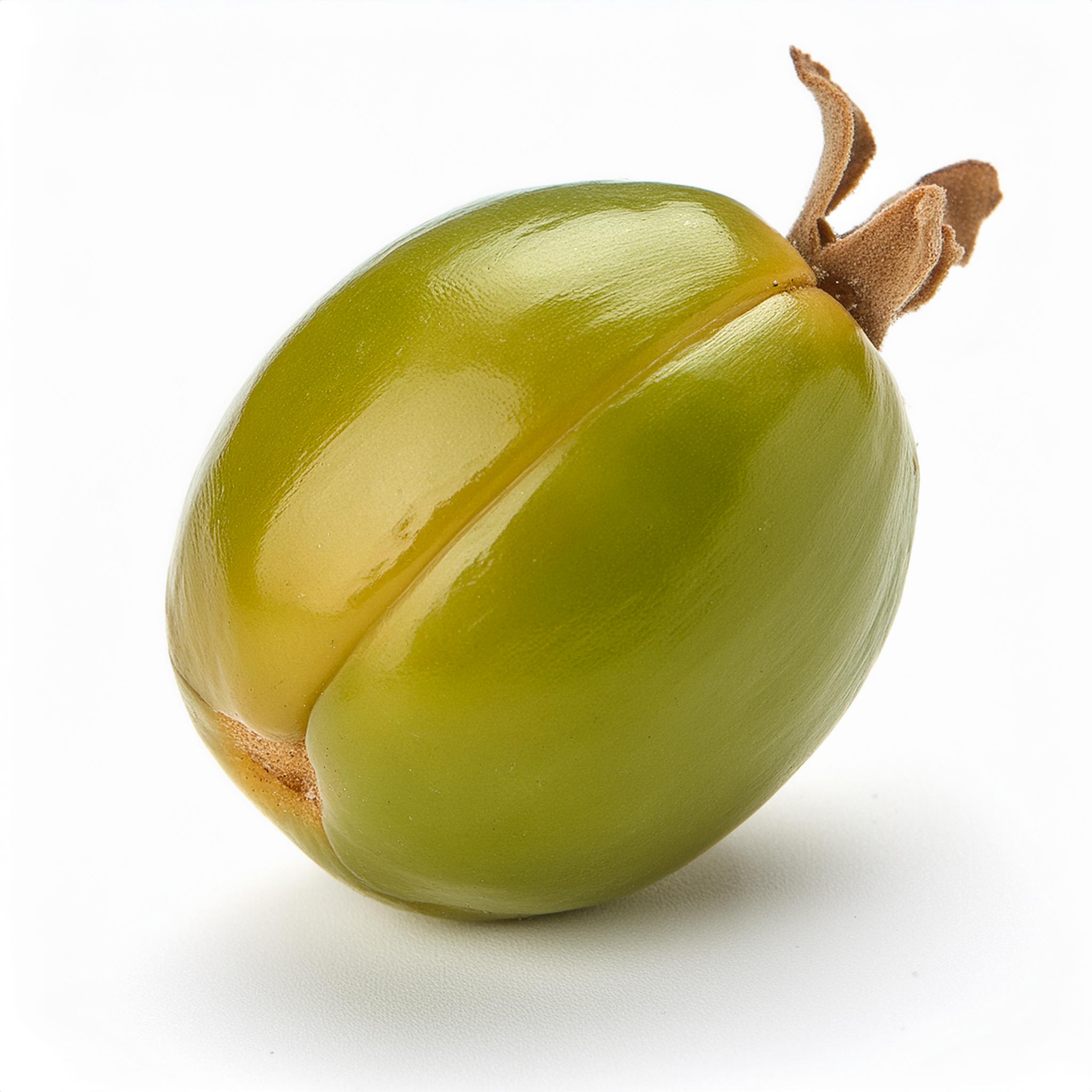
Get to know Jojoba
- Source
- Seeds
- Origin
- Sonoran Desert; Argentina
- Extraction
- Cold-pressed
- Texture
- Silky, non-greasy
What it is
Jojoba is a botanical carrier oil used in hair and skin care.
Why it belongs in your routine
Organic golden jojoba: a stable liquid wax pressed from desert seeds.
How to use
Warm a few drops between your palms and smooth over hair or skin. Patch test before use.
Where Jojoba comes from
Jojoba, Simmondsia chinensis, is a grey-green evergreen shrub native to the Sonoran Desert of Arizona, southern California and north-west Mexico. It grows 1 to 2 metres tall with thick, leathery leaves held upright to avoid the midday sun. Male and female flowers grow on separate plants, and female plants set acorn-sized capsules holding one to three dark brown seeds. It is now farmed in the US, Argentina, Israel, Peru and Australia.
Jojoba oil is made up mostly of liquid wax esters rather than triglycerides, and the seeds hold roughly 50 percent of it by weight. Golden jojoba is bright yellow with a faint nutty smell. It resists going rancid, feels silky rather than greasy, and is used in face oils, hair oils, balms, lip products and as a base for perfume oils.
Sourcing & extraction
How Jojoba is sourced and extracted
Why it is rare
Jojoba plantations take several years to reach full yield, and only female plants bear seed. Its wax-ester structure is almost unknown elsewhere in the plant world, which is why no other seed oil makes a close substitute.
How it is gathered
Jojoba seed is typically harvested in summer, once the capsules dry and split open. On plantations in Arizona, Argentina, Israel and Peru the seeds are shaken from the bushes and gathered from the ground by machine, while wild seed in the Sonoran Desert was traditionally hand-gathered. The seed is cleaned, dried and stored in bulk before being taken to expeller presses.
How it is made
Cold-pressed from the seed
- Ripe jojoba seeds are shaken or collected from the ground in summer after the capsules split.
- The seeds are cleaned of husks and debris and dried to a steady moisture level.
- An expeller presses the seeds without added heat, releasing the golden liquid wax.
- The oil is settled and filtered, keeping its natural golden colour and faint scent.
How to use Jojoba
- Start with a few drops and warm them between your palms.
- Massage into clean skin, or work through the lengths of damp or dry hair.
- Use on its own, or add a few drops to your moisturizer or conditioner.
For external use only. Patch test on a small area before first use and stop if irritation occurs. If you are pregnant, nursing or have a medical condition, ask a healthcare professional before use.
From ingredient to routine
Products with Jojoba
Find this ingredient in our collection.


Questions about Jojoba
Where does Jojoba come from?
Jojoba seed is typically harvested in summer, once the capsules dry and split open. On plantations in Arizona, Argentina, Israel and Peru the seeds are shaken from the bushes and gathered from the ground by machine, while wild seed in the Sonoran Desert was traditionally hand-gathered. The seed is cleaned, dried and stored in bulk before being taken to expeller presses.
How is Jojoba extracted?
Cold-pressed from the seed. Ripe jojoba seeds are shaken or collected from the ground in summer after the capsules split. The seeds are cleaned of husks and debris and dried to a steady moisture level. An expeller presses the seeds without added heat, releasing the golden liquid wax. The oil is settled and filtered, keeping its natural golden colour and faint scent.
Why is Jojoba considered rare?
Jojoba plantations take several years to reach full yield, and only female plants bear seed. Its wax-ester structure is almost unknown elsewhere in the plant world, which is why no other seed oil makes a close substitute.