The Ingredient Library
Shea
Vitellaria paradoxa subsp. nilotica
Shea butter nilotica comes from the East African shea tree of northern Uganda and South Sudan, and it is softer and creamier than the West African butter because it holds more liquid oleic fat.
Get to know Shea
- Source
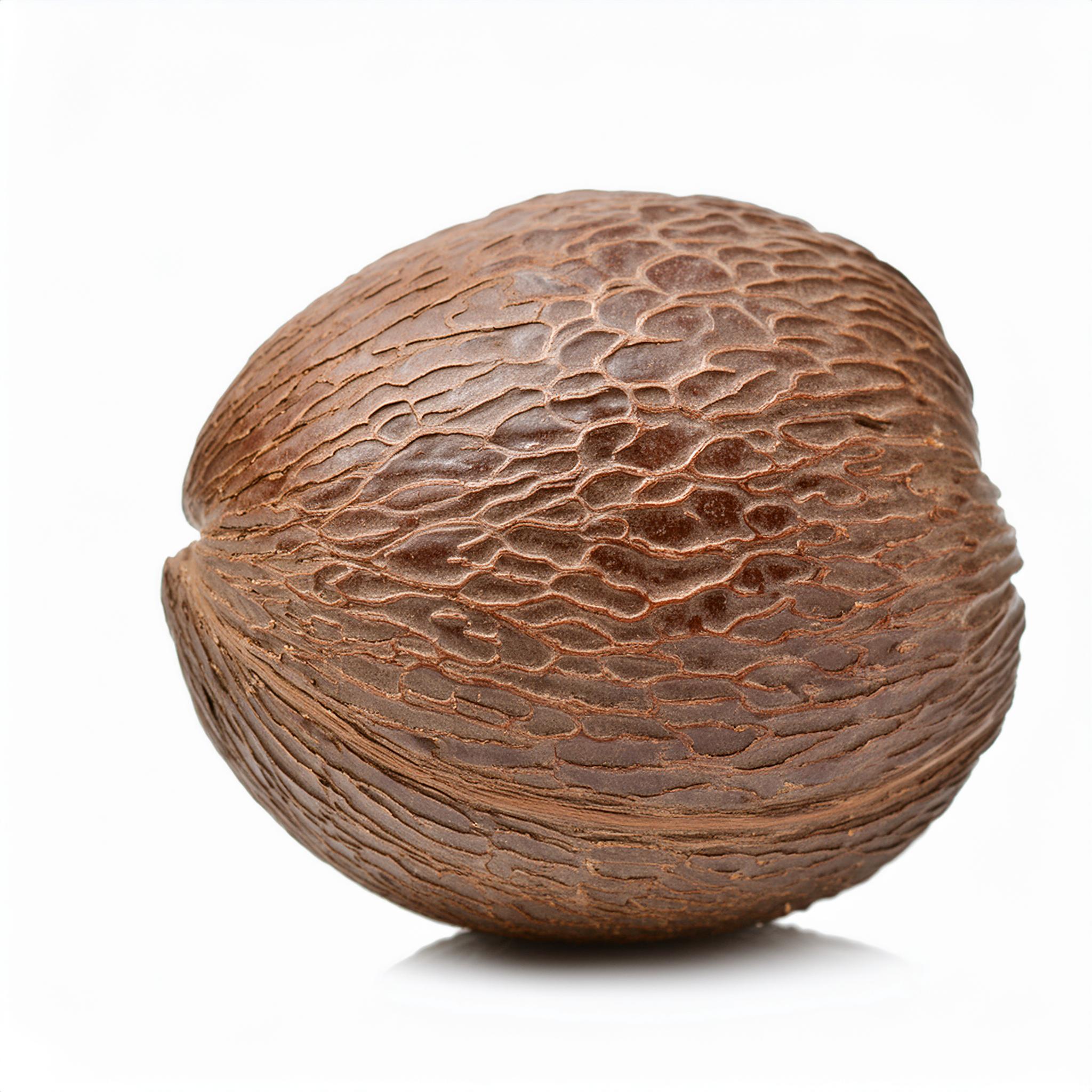
- Shea nut kernel
- Origin
- Uganda, South Sudan
- Extraction
- Boiled and hand-kneaded
- Texture
- Soft, whipped, creamy
What it is
Shea is a rich plant butter used in body and hair care.
Why it belongs in your routine
Soft, creamy East African shea butter from Uganda and South Sudan.
How to use
Warm a small amount between your fingertips until it melts, then apply to dry areas.
Where Shea comes from
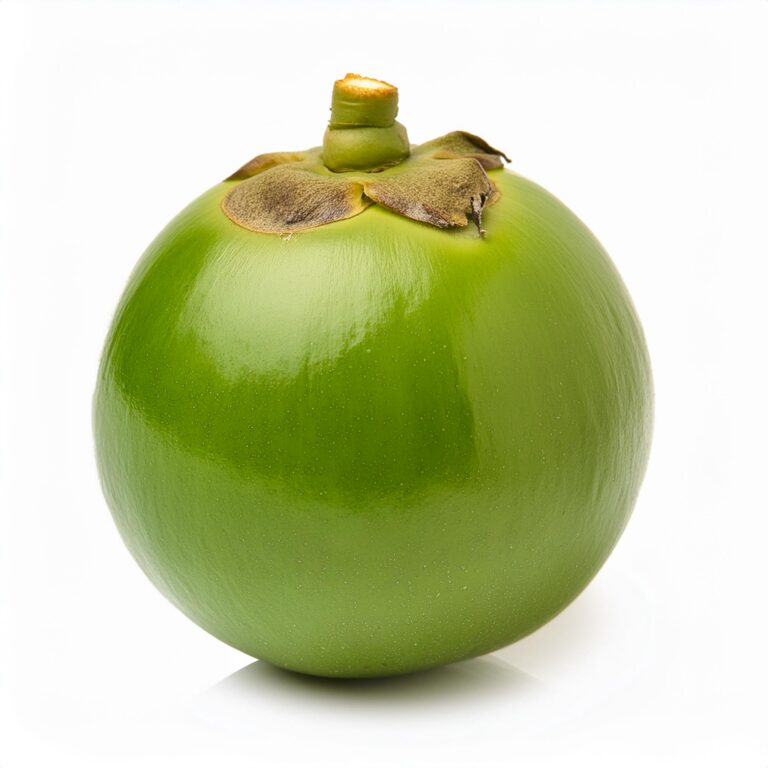
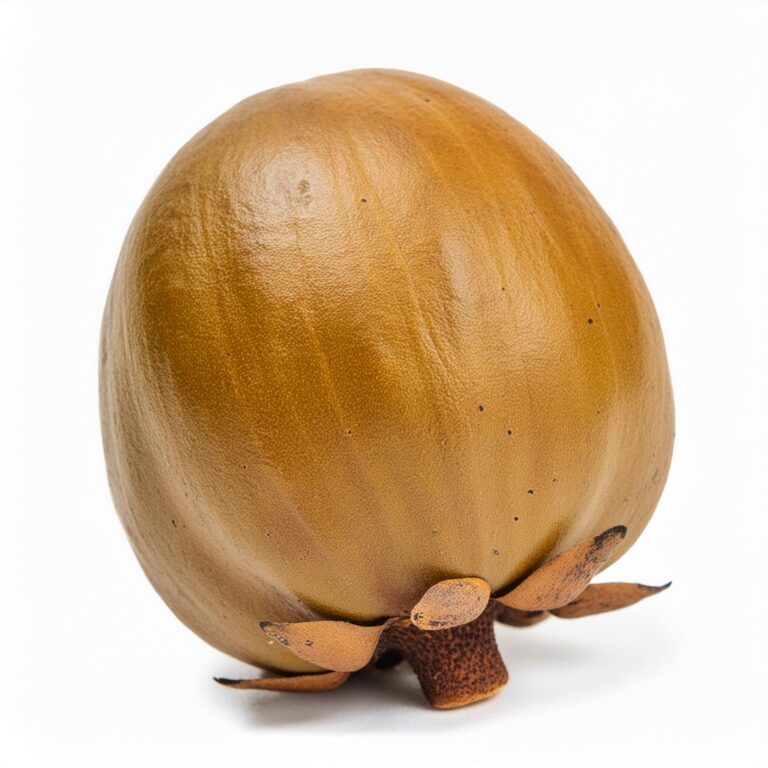
Shea nilotica is the eastern subspecies of the shea tree, a slow-growing savanna tree of the Nile watershed. It grows wild in northern Uganda, South Sudan and nearby parts of Ethiopia and the Democratic Republic of Congo, reaching around 15 metres with thick, corky bark. A tree may take 15 to 20 years to bear fruit. Each green, plum-like fruit holds a single brown nut containing the fat-rich kernel.
Shea butter nilotica is an ivory butter that is noticeably softer and smoother than West African shea, with a mild, nutty smell. It has a higher proportion of oleic acid and less stearic acid, so it melts readily on contact with skin. It moisturises and softens, and it is used in body butters, lip balms, soaps and hair creams.
Sourcing & extraction
How Shea is sourced and extracted
Why it is rare
Nilotica grows only in a limited belt of East Africa, and the trees are wild rather than planted. The trees fruit once a year and take many years to mature, and the butter is still mostly made by hand in small village batches.
How it is gathered
Shea nilotica is gathered by women in rural communities of northern Uganda, including the Lango, Acholi and West Nile areas, and in South Sudan. During the fruiting season, roughly April to August, they typically collect the fallen fruit from under wild trees in the bush and around homesteads. The sweet pulp is eaten or removed, and the nuts are boiled, sun-dried and stored until they are processed or sold on to local butter makers.
How it is made
Hand-processed from the kernel
- Fallen shea fruits are collected, the pulp is removed, and the nuts are boiled and dried in the sun to stop them sprouting.
- The dried nuts are cracked and the kernels are crushed into small pieces, then roasted and ground into a thick brown paste.
- The paste is kneaded by hand with water until the fat separates and rises as a pale cream, which is skimmed off.
- The cream is gently boiled to drive off water, strained, and left to cool and set into soft butter.
How to use Shea
- Scoop a small amount and warm it between your fingertips.
- Massage into dry areas such as elbows, hands and feet, or the ends of your hair.
- Use it as a base for homemade balms and body butters.
For external use only. Patch test on a small area before first use and stop if irritation occurs. If you are pregnant, nursing or have a medical condition, ask a healthcare professional before use.
From ingredient to routine
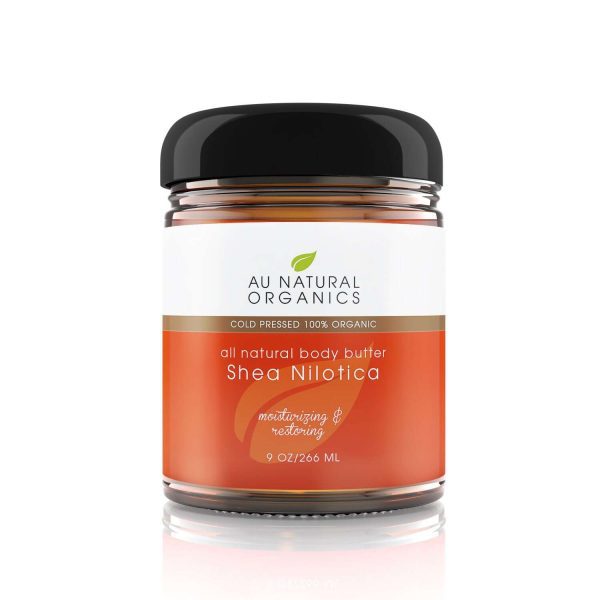
Products with Shea
Find this ingredient in our collection.

Questions about Shea
Where does Shea come from?
Shea nilotica is gathered by women in rural communities of northern Uganda, including the Lango, Acholi and West Nile areas, and in South Sudan. During the fruiting season, roughly April to August, they typically collect the fallen fruit from under wild trees in the bush and around homesteads. The sweet pulp is eaten or removed, and the nuts are boiled, sun-dried and stored until they are processed or sold on to local butter makers.
How is Shea extracted?
Hand-processed from the kernel. Fallen shea fruits are collected, the pulp is removed, and the nuts are boiled and dried in the sun to stop them sprouting. The dried nuts are cracked and the kernels are crushed into small pieces, then roasted and ground into a thick brown paste. The paste is kneaded by hand with water until the fat separates and rises as a pale cream, which is skimmed off. The cream is gently boiled to drive off water, strained, and left to cool and set into soft butter.
Why is Shea considered rare?
Nilotica grows only in a limited belt of East Africa, and the trees are wild rather than planted. The trees fruit once a year and take many years to mature, and the butter is still mostly made by hand in small village batches.