The Ingredient Library
Rosehip
Rosa rubiginosa / Rosa canina
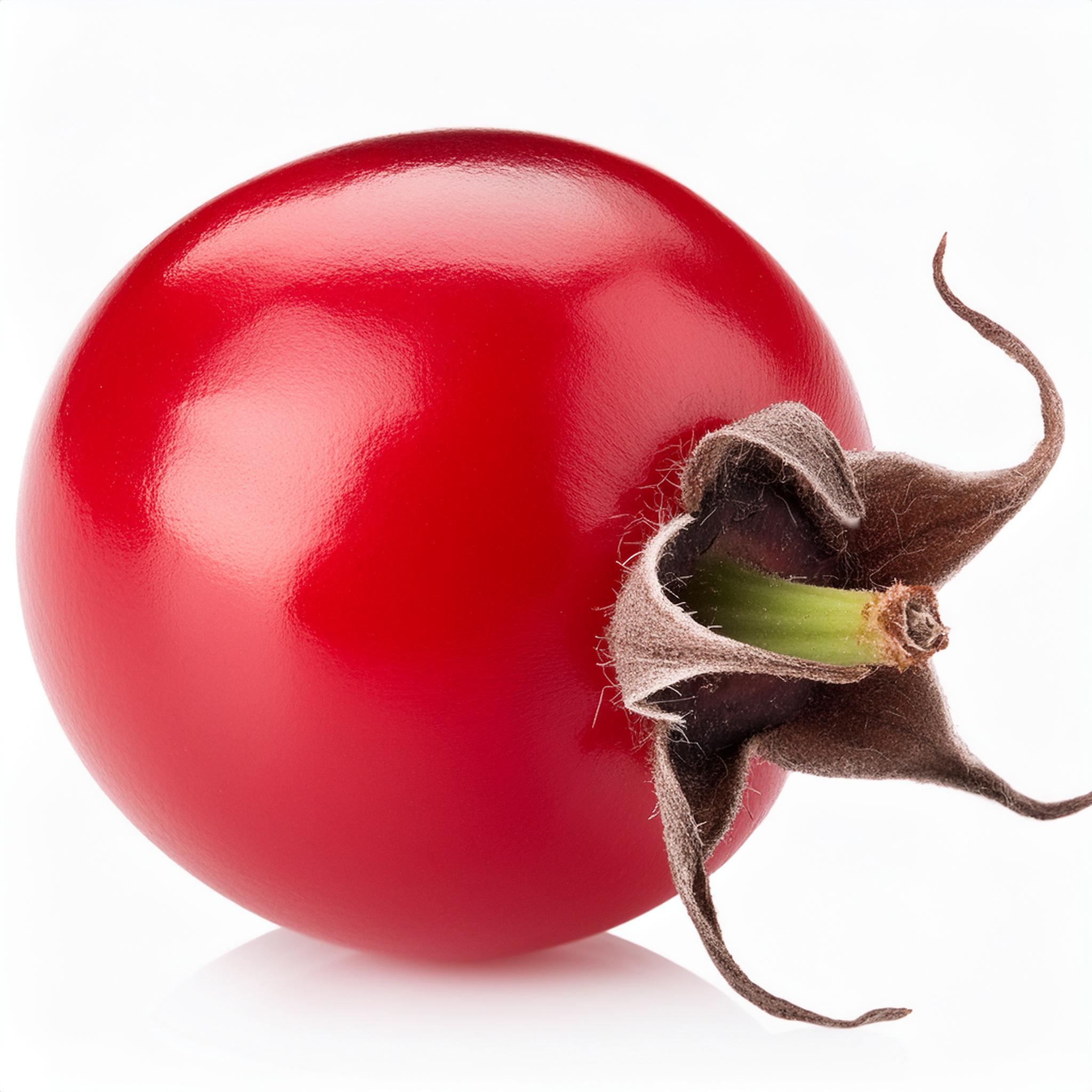
Rosehip seed oil comes mostly from wild roses in the Chilean Andes and Patagonia, where the red hips are picked by hand in autumn and their tiny seeds pressed for oil.
Get to know Rosehip
- Source
- Seeds of the rose hip
- Origin
- Chile, Andes and Patagonia
- Extraction
- Cold-pressed
- Texture
- Light, dry finish
What it is
Rosehip is a botanical carrier oil used in hair and skin care.
Why it belongs in your routine
Golden-red seed oil pressed from wild Chilean rose hips.
How to use
Warm a few drops between your palms and smooth over hair or skin. Patch test before use.
Where Rosehip comes from
Rosehip seed oil is pressed from the seeds of wild roses, chiefly Rosa rubiginosa (sweet briar) and Rosa canina (dog rose). Both are European shrubs that spread through southern Chile after settlers brought them in the 19th century, and they now grow wild along roadsides, pastures and forest edges in the Andes and Patagonia. The thorny bushes reach two to three metres and set oval red hips after the pink flowers fade.
The oil ranges from golden to amber-red, with a faint earthy, slightly fishy smell when unrefined. It is rich in linoleic and alpha-linolenic acids, which together make up around three quarters of its fatty acids, and it naturally contains carotenoids and vitamin E. It feels light and sinks in quickly, so it is used in face oils, serums and night creams.
Sourcing & extraction
How Rosehip is sourced and extracted
Why it is rare
Each hip holds dozens of hard, hairy seeds, and only a small fraction of their weight is oil. Most supply depends on wild bushes picked by hand over a few autumn weeks, so harvest size moves with the weather each year.
How it is gathered
Rosehip oil comes mostly from Chile, the world's largest exporter of rose hips. Rural families in regions such as Araucanía, Los Ríos and Aysén typically pick the ripe hips from wild bushes between March and May, the southern autumn, wearing gloves against the thorns. The hips are sold to collection centres, dried, and split so the seeds can be separated from the shells, which go into tea. The dried seeds are then sent to the press.
How it is made
Cold-pressed from the hip seeds
- Ripe hips are dried, then cracked open so the small hard seeds can be separated from the red shell and the fine hairs.
- The seeds are cleaned and kept dry, since moisture and heat would start to spoil the delicate linoleic and linolenic acids.
- They are fed through an expeller press at low temperature, squeezing out the oil without added heat or solvents.
- The fresh oil is left to settle and then filtered to clear it, and it is usually packed under nitrogen to slow oxidation.
How to use Rosehip
- Start with a few drops and warm them between your palms.
- Massage into clean skin, or work through the lengths of damp or dry hair.
- Use on its own, or add a few drops to your moisturizer or conditioner.
For external use only. Patch test on a small area before first use and stop if irritation occurs. If you are pregnant, nursing or have a medical condition, ask a healthcare professional before use.
From ingredient to routine
Products with Rosehip
Find this ingredient in our collection.

Questions about Rosehip
Where does Rosehip come from?
Rosehip oil comes mostly from Chile, the world's largest exporter of rose hips. Rural families in regions such as Araucanía, Los Ríos and Aysén typically pick the ripe hips from wild bushes between March and May, the southern autumn, wearing gloves against the thorns. The hips are sold to collection centres, dried, and split so the seeds can be separated from the shells, which go into tea. The dried seeds are then sent to the press.
How is Rosehip extracted?
Cold-pressed from the hip seeds. Ripe hips are dried, then cracked open so the small hard seeds can be separated from the red shell and the fine hairs. The seeds are cleaned and kept dry, since moisture and heat would start to spoil the delicate linoleic and linolenic acids. They are fed through an expeller press at low temperature, squeezing out the oil without added heat or solvents. The fresh oil is left to settle and then filtered to clear it, and it is usually packed under nitrogen to slow oxidation.
Why is Rosehip considered rare?
Each hip holds dozens of hard, hairy seeds, and only a small fraction of their weight is oil. Most supply depends on wild bushes picked by hand over a few autumn weeks, so harvest size moves with the weather each year.