
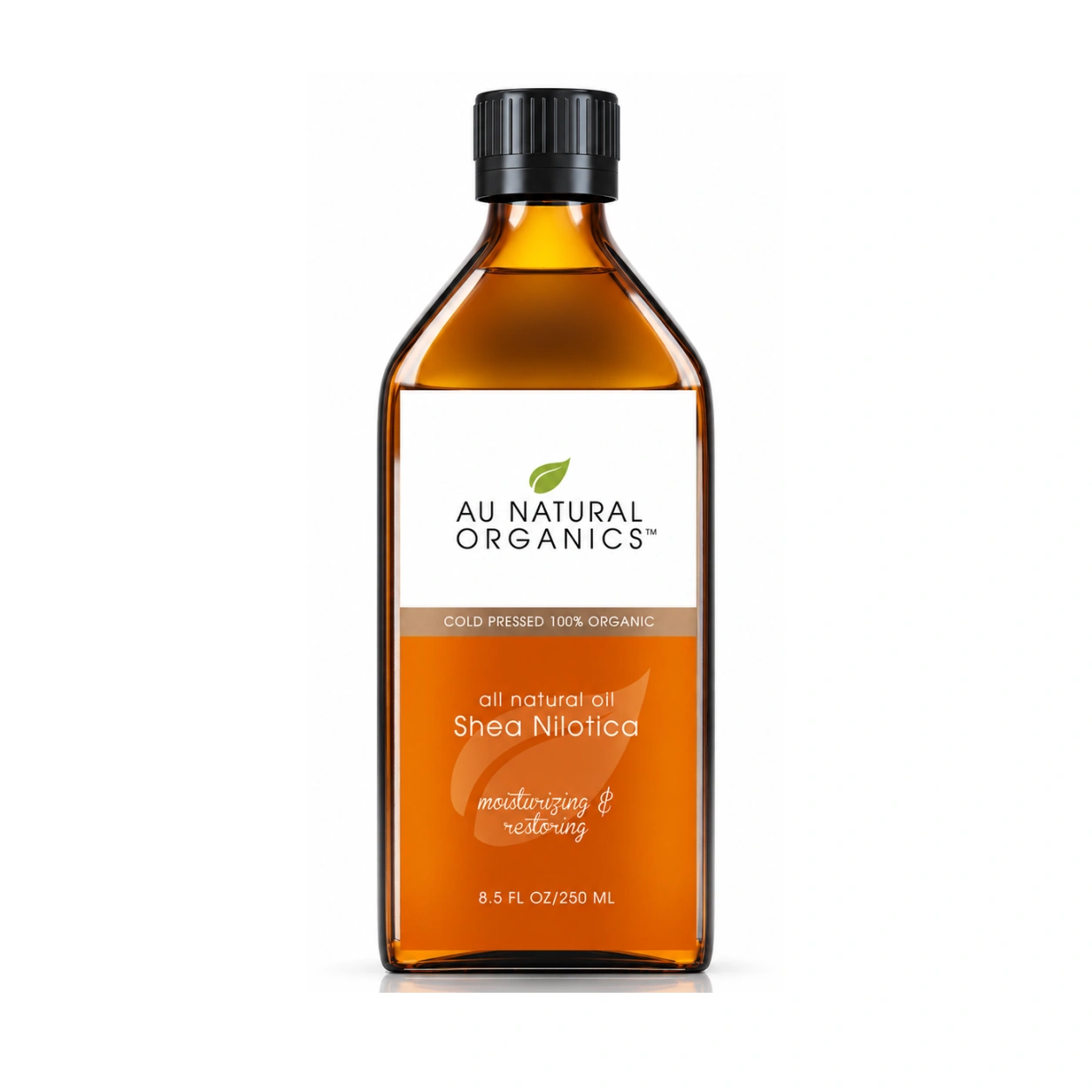
Description
Shea nilotica is the eastern subspecies of the shea tree, a slow-growing wild savanna tree of the Nile watershed that may take 15 to 20 years to bear fruit. From about April to August, women in the Lango, Acholi and West Nile areas of northern Uganda, and in South Sudan, collect the fallen fruit from under wild trees. The nuts are boiled, sun-dried and made into butter in small village batches. Shea nilotica is ivory, soft and smooth, with a mild nutty smell. It holds more oleic acid than West African shea, so it melts readily on skin.
Details
| Botanical name | Vitellaria paradoxa subsp. nilotica |
|---|---|
| Origin | Uganda, South Sudan |
| Part used | Nut kernel |
| Texture | Soft, whipped, creamy |
| Size | 8.5oz (250ml) |
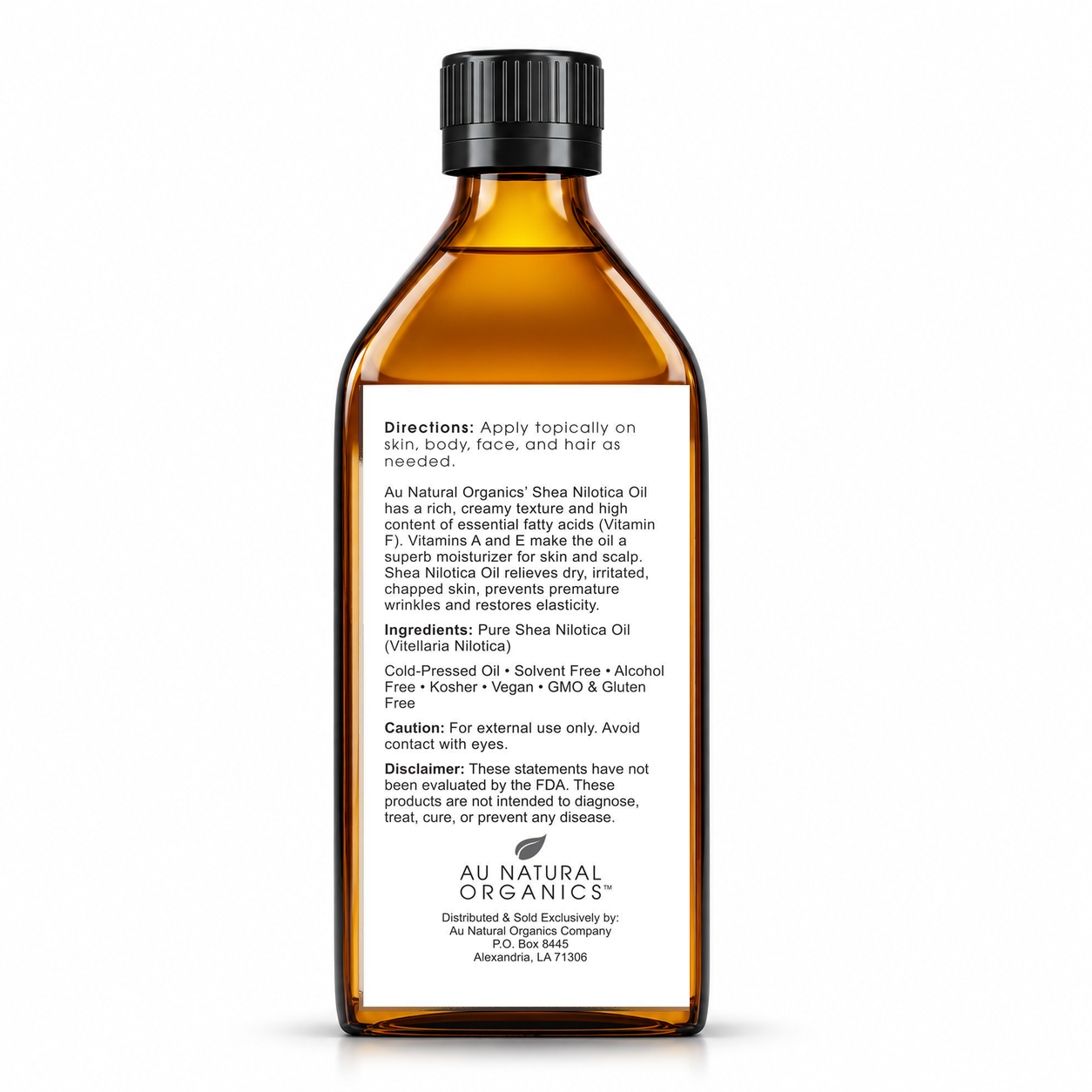
| Ingredients | 100% shea (Vitellaria nilotica) butter |
Why supply is limited: nilotica grows only in a narrow belt of East Africa, the trees are wild and fruit once a year, and the butter is still mostly made by hand.
How to use
- Body: warm a small amount between your hands and smooth over dry skin.
- Lips and hands: rub a little into dry lips, cuticles and hands.
- Hair: work a small amount through dry ends.
Patch test on the inner arm before first use. Store below 25°C (77°F), sealed.
FAQs
How is nilotica different from regular shea butter?
It comes from the East African subspecies and is softer and creamier, because it holds more oleic acid.
Does it smell?
It has a mild, nutty smell.
Why is it soft in the jar?
Its higher oleic content keeps it soft and spreadable, and it melts quickly on skin.


Reviews
There are no reviews yet.