
Description
Sea Buckthorn Berry Oil for Skin
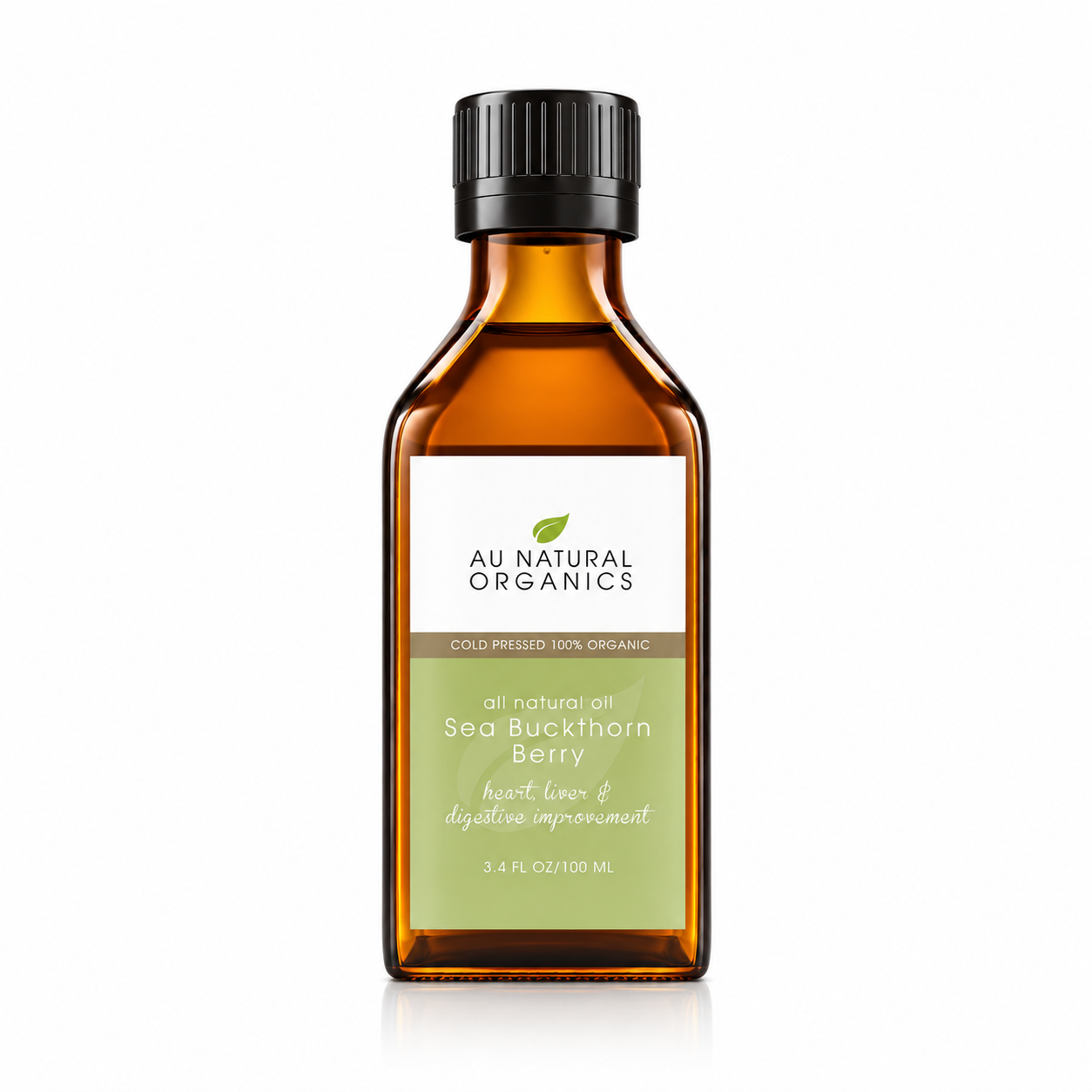
Sea buckthorn berry oil is a rich, orange oil from the berry pulp of Hippophae rhamnoides. Its thick feel and strong natural color make small additions useful in facial oil and cream blends. This is berry-pulp oil rather than sea buckthorn seed oil; choose it with the texture and color of your finished product in mind.
Benefits and uses
- Rich berry-pulp oil for skin-care blends
- Naturally orange and thick; use sparingly
- Different from sea buckthorn seed oil
Details
| Botanical name | Hippophae rhamnoides |
|---|---|
| Origin | Central Asia and Europe |
| Part used | Berry pulp |
| Extraction | Extracted from the berry pulp |
| Texture | Thick, deep orange |
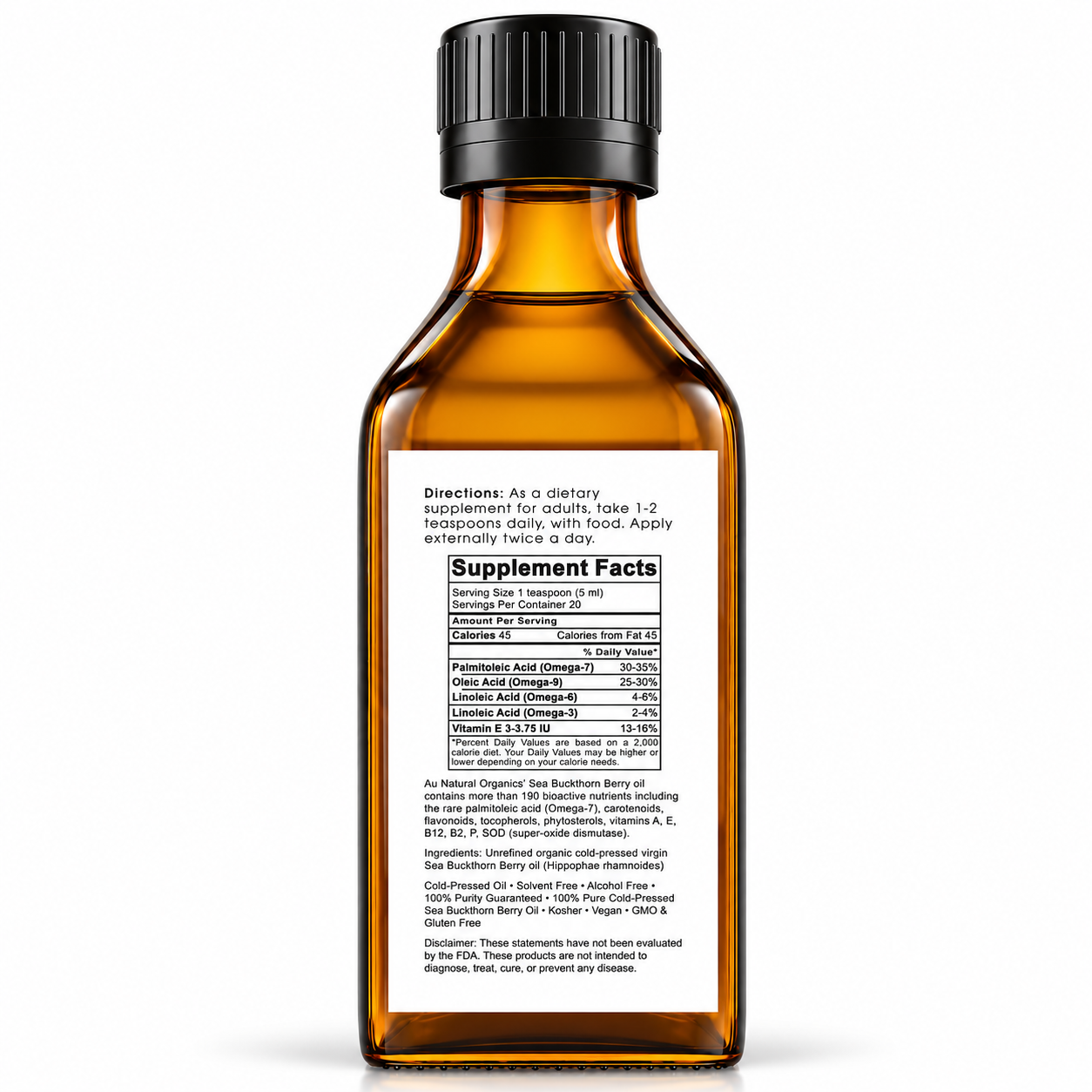
| Ingredients | 100% sea buckthorn berry oil |
Note: the oil is strongly coloured and can tint skin, towels and fabric. Use a small amount, diluted, and test on a hidden area first.
How to use sea buckthorn berry oil
- Face oil: add 1 to 2 drops to a teaspoon of a lighter oil and press into skin.
- With moisturiser: mix a single drop into your usual cream.
- Soap and balms: use at a low percentage for natural colour.
Store somewhere cool and dark with the cap closed.
Frequently asked questions
Will it stain?
It can tint skin and fabric orange. Dilute it and let it absorb before dressing.
Is berry oil the same as seed oil?
No. Berry oil comes from the orange pulp and is deeply coloured. Seed oil is paler and lighter.
Why is it expensive?
The berries are small and thorny to pick, and the pulp gives only a few percent of oil.
Read where sea buckthorn berry oil comes from and how it is made.
For external use only. Patch test before first use, avoid the eyes and stop use if irritation occurs.
Is sea buckthorn berry oil the same as seed oil?
No. This product comes from the berry pulp. Seed oil is made from a different part of the fruit and has a different composition and appearance. The orange color can stain fabrics.

Reviews