The Ingredient Library
Sea Buckthorn Berry
Hippophae rhamnoides
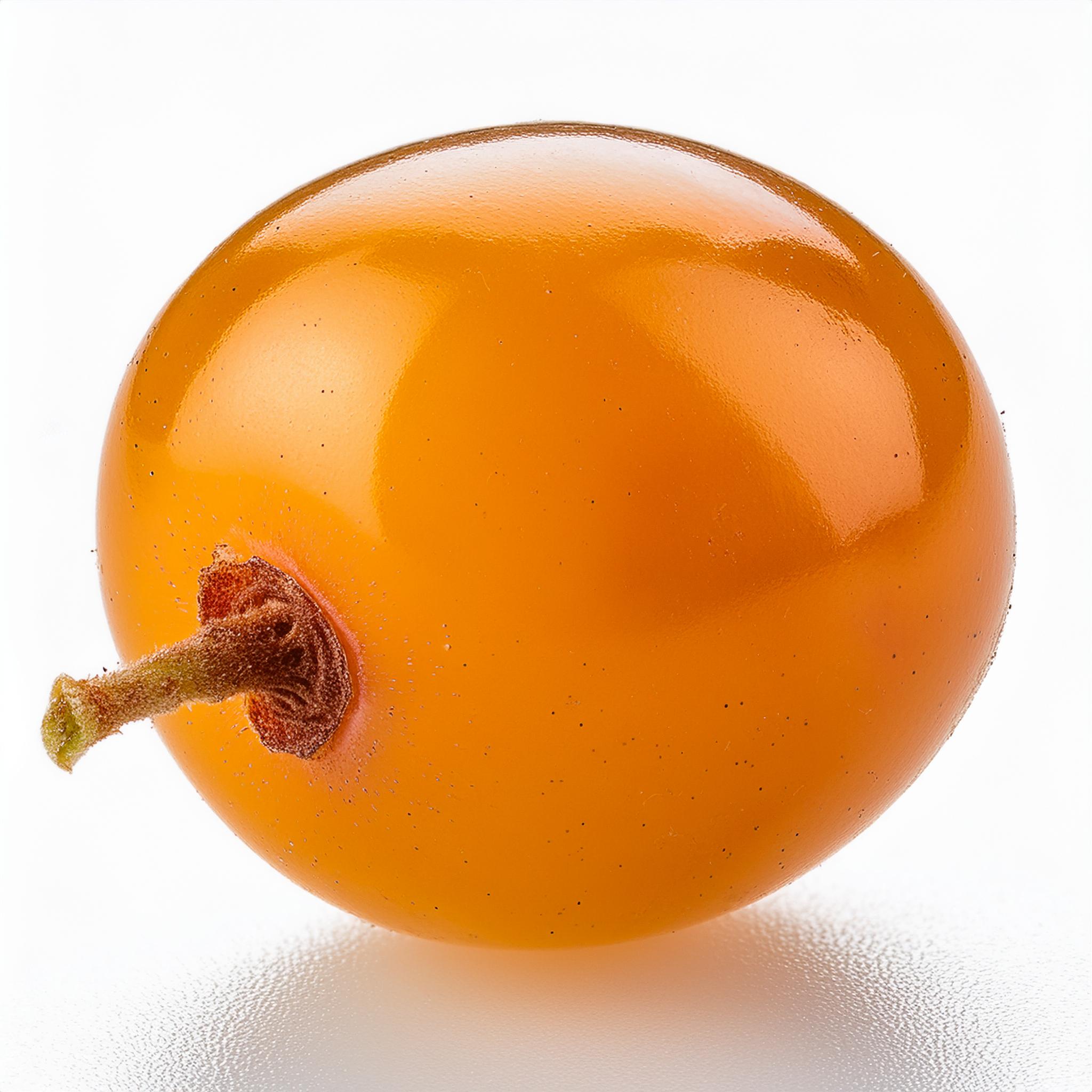
Sea buckthorn berry oil comes from the soft orange pulp of a thorny shrub that grows from the Himalayas to Siberia and the Baltic, and it is so rich in carotenoids that it is deep orange-red.
Get to know Sea Buckthorn Berry
- Source
- Berry pulp
- Origin
- Central Asia and Europe
- Extraction
- Pressed or CO2-extracted
- Texture
- Thick, deep orange
What it is
Sea Buckthorn Berry is a botanical carrier oil used in hair and skin care.
Why it belongs in your routine
Deep orange pulp oil from the berries of a thorny Eurasian shrub.
How to use
Warm a few drops between your palms and smooth over hair or skin. Patch test before use.
Where Sea Buckthorn Berry comes from
Sea buckthorn is a tough, thorny shrub or small tree with narrow silvery leaves, native to a wide belt of Eurasia from the Baltic and North Sea coasts through Mongolia and Siberia to the high Himalaya. It fixes nitrogen and grows on sand dunes, river gravels and mountain slopes. Female plants carry dense clusters of small orange berries that cling to the branches through autumn and into winter.
The berry oil comes from the fleshy pulp rather than the seed. It is a thick, intense orange-red oil with a fruity, slightly tart smell, and it can tint skin and fabric. It naturally contains palmitoleic acid (omega-7), carotenoids and vitamin E. It is used at low percentages in face oils, creams and soaps, usually diluted in a lighter carrier oil.
Sourcing & extraction
How Sea Buckthorn Berry is sourced and extracted
Why it is rare
The berries are small and pack tightly along thorny stems, so picking them by hand is slow work. Many harvests cut whole branches and freeze them, which takes a year off that bush. The pulp gives only a few percent of oil by weight.
How it is gathered
Sea buckthorn is gathered from wild stands and from plantations in China, Mongolia, Russia, the Himalayan regions of India and Nepal, and parts of northern Europe. Pickers typically harvest between August and October when the berries turn fully orange. Because the fruit bursts easily, many growers cut the fruiting branches, freeze them and shake the berries loose. The berries are pressed for juice, and the pulp left behind is used for the oil.
How it is made
Pulp oil, pressed or CO2-extracted
- Ripe orange berries are stripped from frozen branches, cleaned and crushed, and the juice is separated from the pulp and seeds.
- The seeds are removed, and the oily pulp, or the cream skimmed from the juice, is dried at low temperature.
- The dried pulp is either mechanically pressed or extracted with supercritical CO2, which draws out the oil without solvents.
- The oil is settled and filtered, then usually bottled in dark glass to protect the carotenoids from light.
How to use Sea Buckthorn Berry
- Start with a few drops and warm them between your palms.
- Massage into clean skin, or work through the lengths of damp or dry hair.
- Use on its own, or add a few drops to your moisturizer or conditioner.
For external use only. Patch test on a small area before first use and stop if irritation occurs. If you are pregnant, nursing or have a medical condition, ask a healthcare professional before use.
From ingredient to routine
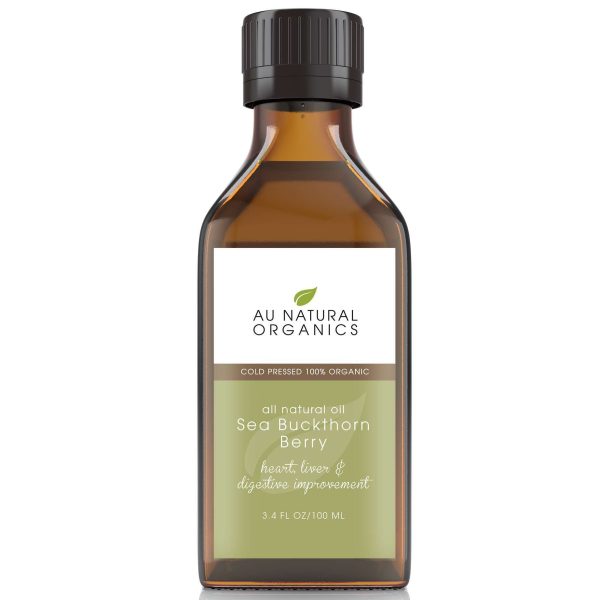
Products with Sea Buckthorn Berry
Find this ingredient in our collection.
Questions about Sea Buckthorn Berry
Where does Sea Buckthorn Berry come from?
Sea buckthorn is gathered from wild stands and from plantations in China, Mongolia, Russia, the Himalayan regions of India and Nepal, and parts of northern Europe. Pickers typically harvest between August and October when the berries turn fully orange. Because the fruit bursts easily, many growers cut the fruiting branches, freeze them and shake the berries loose. The berries are pressed for juice, and the pulp left behind is used for the oil.
How is Sea Buckthorn Berry extracted?
Pulp oil, pressed or CO2-extracted. Ripe orange berries are stripped from frozen branches, cleaned and crushed, and the juice is separated from the pulp and seeds. The seeds are removed, and the oily pulp, or the cream skimmed from the juice, is dried at low temperature. The dried pulp is either mechanically pressed or extracted with supercritical CO2, which draws out the oil without solvents. The oil is settled and filtered, then usually bottled in dark glass to protect the carotenoids from light.
Why is Sea Buckthorn Berry considered rare?
The berries are small and pack tightly along thorny stems, so picking them by hand is slow work. Many harvests cut whole branches and freeze them, which takes a year off that bush. The pulp gives only a few percent of oil by weight.