
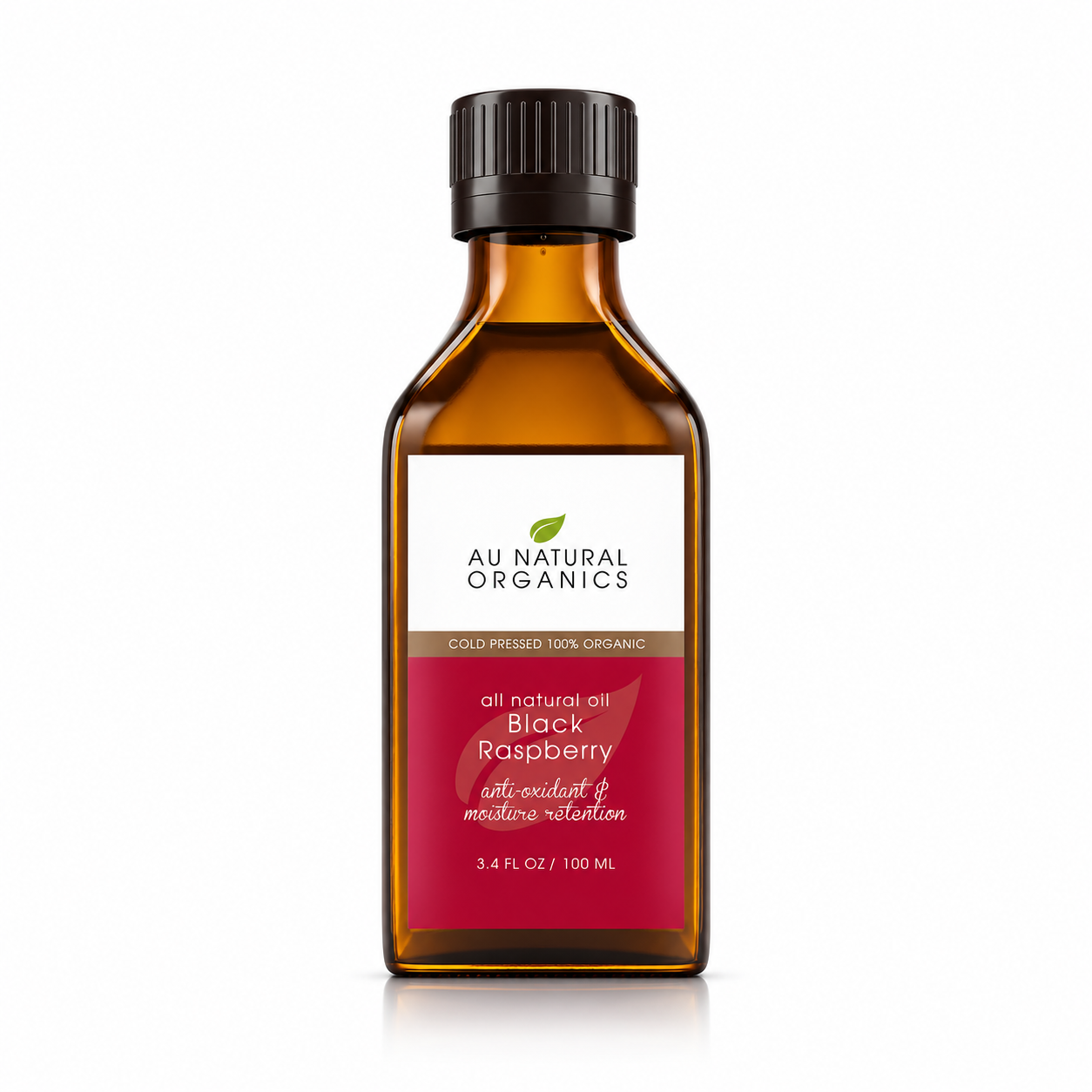
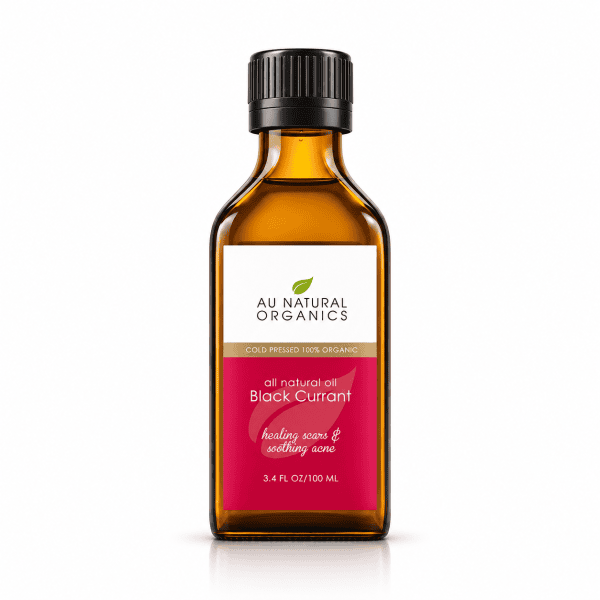
Description
The black raspberry is a bramble native to eastern North America, with berries that ripen deep purple-black. Most of the US crop is grown in Oregon’s Willamette Valley and harvested in late June and July, mostly by machines that shake the ripe berries from the canes. The fruit is frozen or made into juice and purée, and the seeds are separated from the leftover pulp, washed, dried and pressed in small batches. The oil is golden with a light, fruity, slightly nutty smell. Linoleic acid is its largest fatty acid, and alpha-linolenic acid often makes up a quarter to a third.
Details
| Botanical name | Rubus occidentalis (black raspberry) |
|---|---|
| Origin | Oregon, USA |
| Part used | Seed |
| Extraction | Cold-pressed |
| Texture | Light, silky |
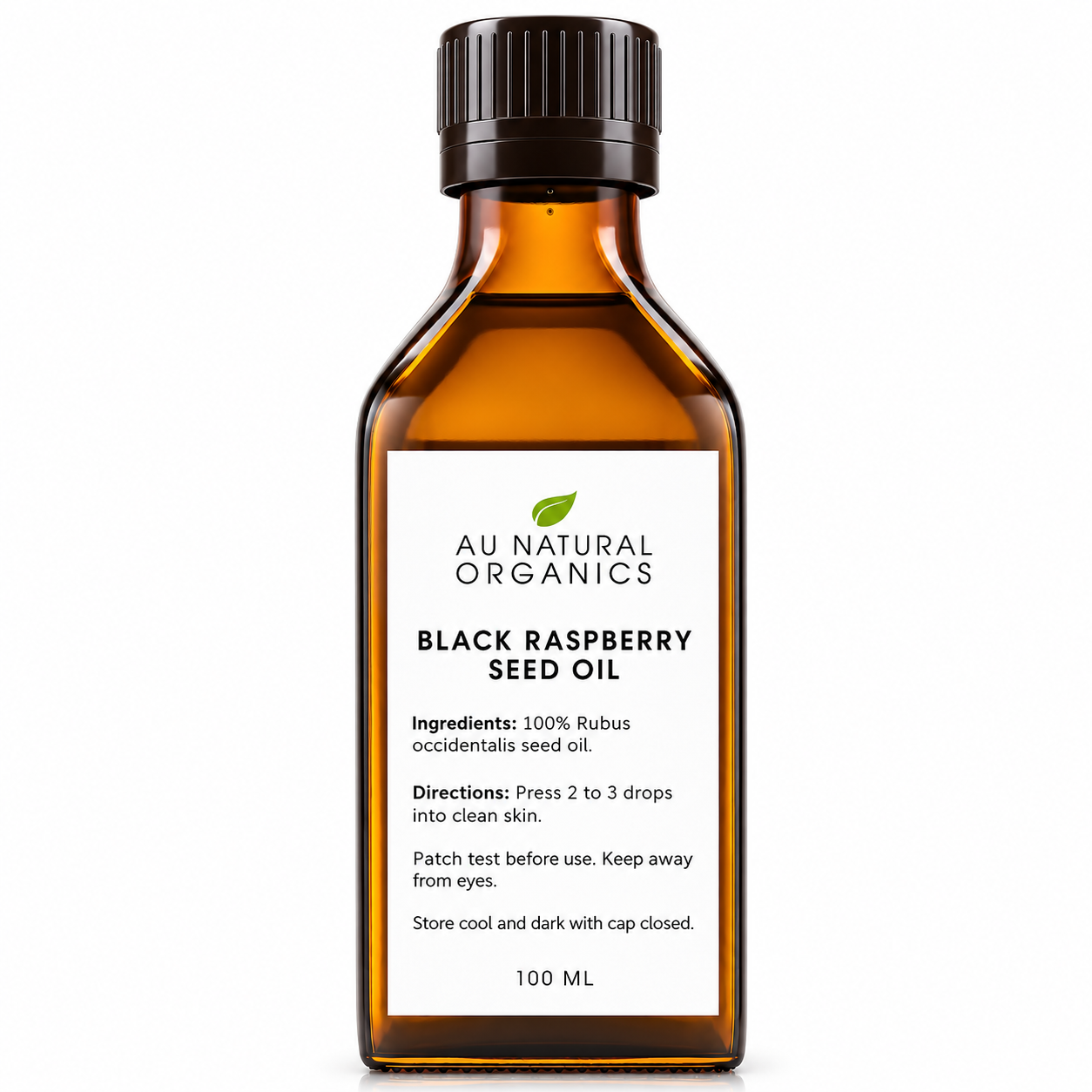
| Ingredients | 100% Rubus occidentalis seed oil |
Why supply is limited: black raspberries are a small specialist crop grown mainly in one valley, and the seeds are only a by-product of juice and jam making.
How to use
- Face: press 2 to 3 drops into clean skin.
- Lips: smooth a drop over dry lips.
- Blends: add to face oils, serums and light lotions.
Patch test on the inner arm before first use. Keep away from the eyes. Store somewhere cool and dark with the cap closed.
FAQs
How is it different from red raspberry seed oil?
It comes from a different species, Rubus occidentalis, grown mainly in Oregon. Both are light seed oils rich in linoleic and alpha-linolenic acids.
What does it smell like?
Light, fruity and slightly nutty.
Is it greasy?
No. It is light and silky and absorbs quickly.
Read where black raspberry seed oil comes from and how it is made.


Reviews