The Ingredient Library
Black Raspberry
Rubus occidentalis
Black raspberry seed oil is cold-pressed from the seeds of a North American wild raspberry, mostly grown in Oregon's Willamette Valley, and is naturally rich in omega-3 fatty acids.
Get to know Black Raspberry
- Source
- Seed
- Origin
- Oregon, USA
- Extraction
- Cold-pressed
- Texture
- Light, silky
What it is
Black Raspberry is a botanical carrier oil used in hair and skin care.
Why it belongs in your routine
Light seed oil from North American black raspberries, rich in omega-3.
How to use
Warm a few drops between your palms and smooth over hair or skin. Patch test before use.
Where Black Raspberry comes from
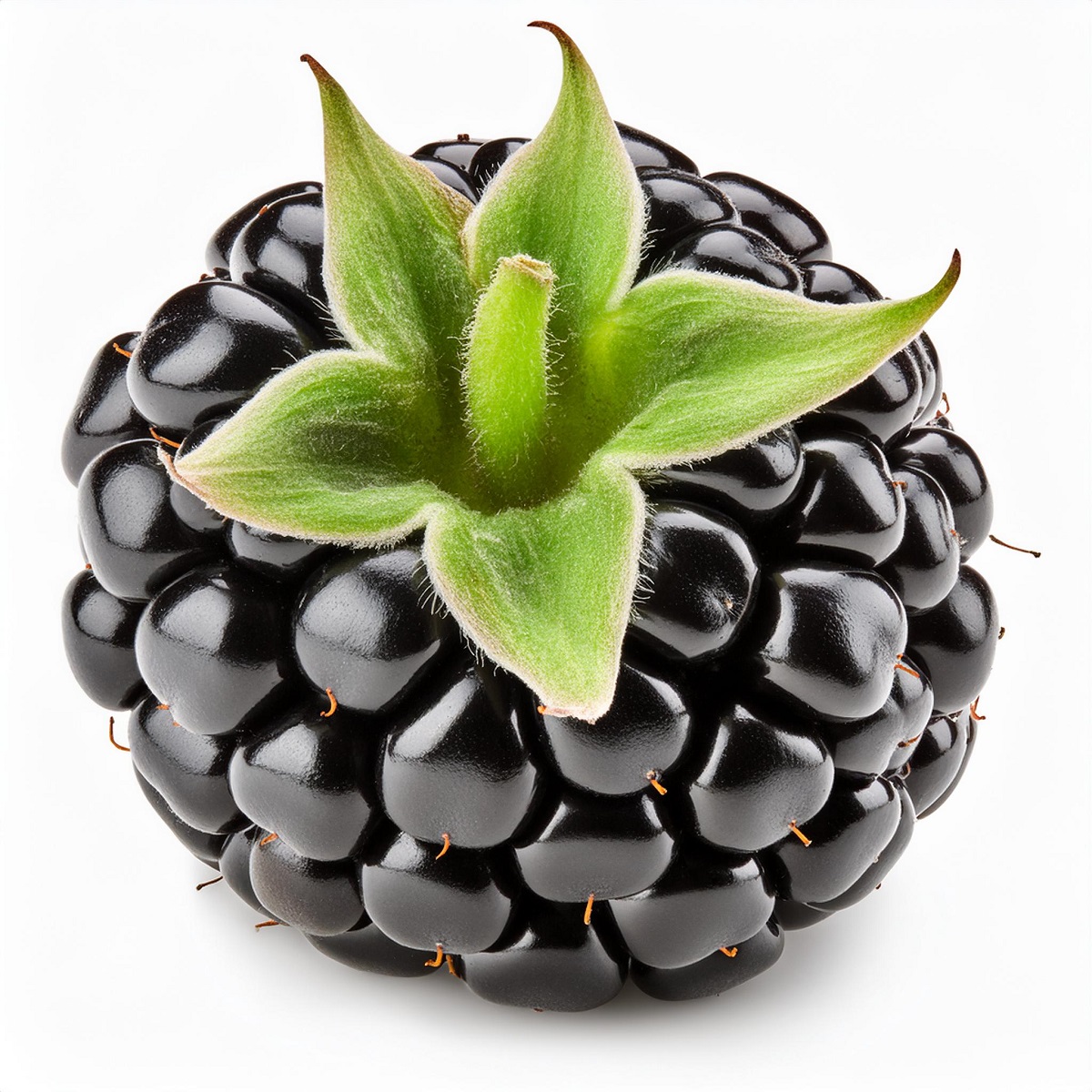
The black raspberry, Rubus occidentalis, is a bramble native to eastern North America, where it grows wild along woodland edges and hedgerows. Its arching canes root where their tips touch the ground. Unlike the more familiar red raspberry, its berries ripen to a deep purple-black. Commercial growing is concentrated in Oregon's Willamette Valley, which produces most of the United States crop.
Black raspberry seed oil is golden with a light, fruity, slightly nutty smell. Linoleic acid is its largest fatty acid, and alpha-linolenic acid, an omega-3, often makes up a quarter to a third of it. It naturally contains vitamin E. The oil feels light and silky, absorbs quickly, and is used in face oils, serums, lip products and light lotions.
Sourcing & extraction
How Black Raspberry is sourced and extracted
Why it is rare
Black raspberries are a small, specialist crop grown mainly in one American valley, and the seeds are only a by-product of juice, purée and jam making. Recovering, drying and pressing these tiny seeds yields a limited amount of oil each year.
How it is gathered
Black raspberries are harvested in Oregon over a short window in late June and July, mostly by machines that shake the ripe berries from the canes. The fruit is frozen or processed into juice, purée and concentrate. The seeds are separated from the leftover pulp, washed and dried, then sent to specialist oil mills that press them in small batches.
How it is made
Cold-pressed from the seed
- Seeds are separated from the leftover pulp after juice and purée making, then washed clean.
- The clean seeds are dried at low temperature to bring moisture down and keep the oil stable.
- Dried seeds are pressed in a screw press without added heat, releasing a golden oil.
- The oil is filtered and bottled in dark containers to protect its omega-3 content.
How to use Black Raspberry
- Start with a few drops and warm them between your palms.
- Massage into clean skin, or work through the lengths of damp or dry hair.
- Use on its own, or add a few drops to your moisturizer or conditioner.
For external use only. Patch test on a small area before first use and stop if irritation occurs. If you are pregnant, nursing or have a medical condition, ask a healthcare professional before use.
From ingredient to routine
Products with Black Raspberry
Find this ingredient in our collection.

Questions about Black Raspberry
Where does Black Raspberry come from?
Black raspberries are harvested in Oregon over a short window in late June and July, mostly by machines that shake the ripe berries from the canes. The fruit is frozen or processed into juice, purée and concentrate. The seeds are separated from the leftover pulp, washed and dried, then sent to specialist oil mills that press them in small batches.
How is Black Raspberry extracted?
Cold-pressed from the seed. Seeds are separated from the leftover pulp after juice and purée making, then washed clean. The clean seeds are dried at low temperature to bring moisture down and keep the oil stable. Dried seeds are pressed in a screw press without added heat, releasing a golden oil. The oil is filtered and bottled in dark containers to protect its omega-3 content.
Why is Black Raspberry considered rare?
Black raspberries are a small, specialist crop grown mainly in one American valley, and the seeds are only a by-product of juice, purée and jam making. Recovering, drying and pressing these tiny seeds yields a limited amount of oil each year.