

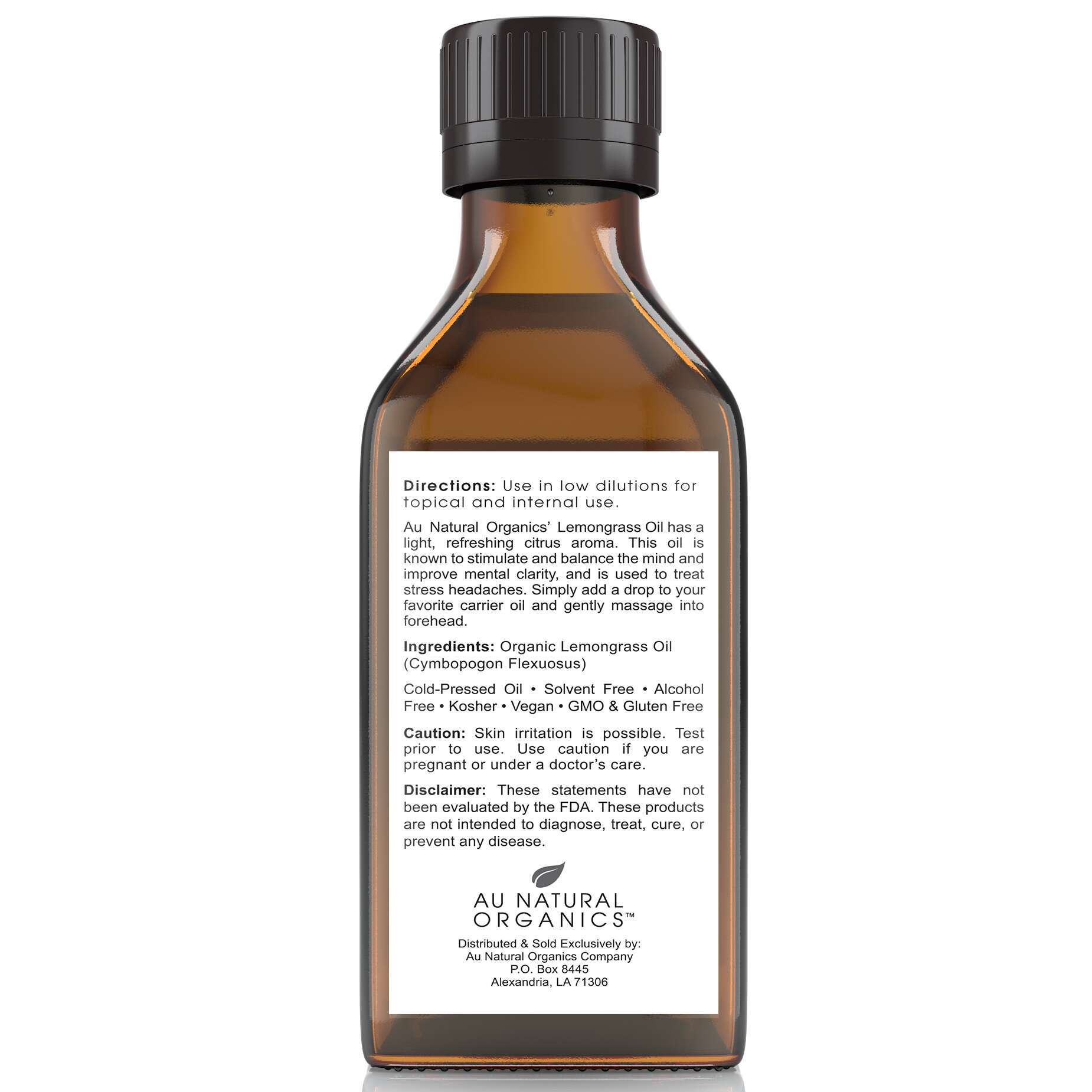
Description
East Indian lemongrass is a clumping grass 1 to 2 metres tall, farmed widely in Kerala and other southern Indian states. Once established, a field is cut three to five times a year. Farmers cut the leaves by hand a few centimetres above the ground, let them wilt for a day and take them to stills close to the fields. The oil is yellow to amber with a strong, fresh lemon scent and a grassy, slightly earthy undertone. Most of that lemon note comes from citral, usually 70 to 80 percent of the oil, so a little goes a long way.
Details
| Botanical name | Cymbopogon flexuosus (East Indian lemongrass) |
|---|---|
| Origin | India |
| Part used | Leaves |
| Extraction | Steam-distilled |
| Aroma | Sharp lemon, grassy |
| Ingredients | 100% Cymbopogon flexuosus oil |
Timing matters: grass cut too young or left too long gives less citral, and distillation recovers only about 0.5 to 1 kg of oil per 100 kg of fresh leaf.
How to use
- Diffuser: add 2 to 3 drops to water in your diffuser.
- Cleaning: add 10 drops to a spray bottle of water and vinegar.
- Soap: use at a low rate in soap and candle recipes.
Essential oils are concentrated. Always dilute before use on skin, patch test first, keep away from eyes and out of reach of children, and do not take internally. If you are pregnant or nursing, check with your doctor before use. Lemongrass can irritate skin. Use no more than 1 drop per tablespoon (15ml) of carrier oil.
FAQs
Is this the lemongrass used in cooking?
It is a close relative. Cooking lemongrass is usually the West Indian type, Cymbopogon citratus.
What is citral?
The compound that gives lemongrass its strong lemon scent.
What does it blend with?
Lavender, citronella, eucalyptus and cedarwood.

Evelyn Bowman –
I like the fragrance very much.