
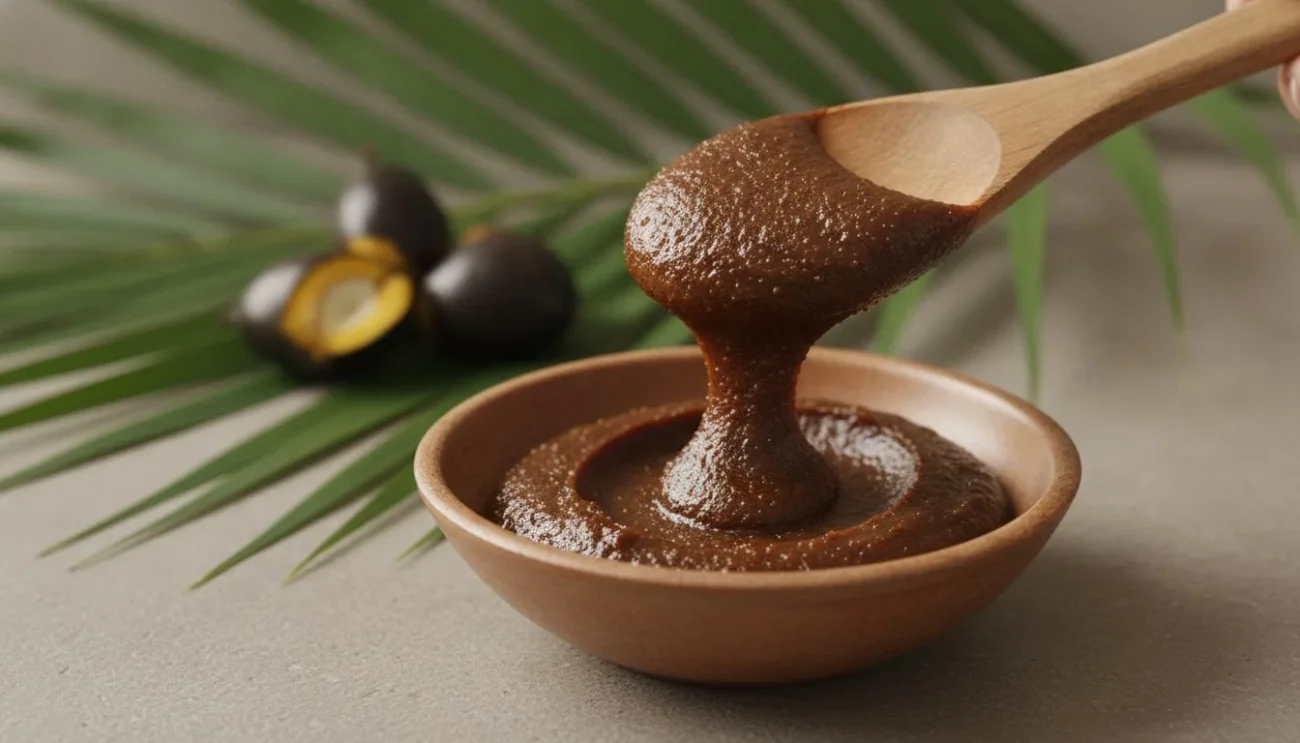
If your Batana oil smells like a floral bouquet and pours like water, you’ve bought a counterfeit. Authentic Batana is not a refined cosmetic. It is a raw, smoky, and deeply earthy substance that reflects the rugged landscape of La Mosquitia. You likely feel the frustration of searching for real batana oil from honduras only to find a market flooded with diluted imitations. These products strip away the botanical integrity you need for genuine hair restoration, leaving you with nothing but wasted time and empty promises.
This professional guide establishes the definitive sensory and chemical markers of genuine Batana to ensure your wellness journey is grounded in truth. We refuse to compromise on quality or ethics. You’ll gain a thorough understanding of the traditional extraction methods used by the Miskito people and the 2026 Honduran export regulations that now govern genuine shipments. By the end of this analysis, you will possess a rigorous checklist to verify authenticity. This knowledge allows you to invest in high-potency, ethically sourced oil with absolute confidence and professional certainty.
Key Takeaways
- Identify the precise geographical and botanical markers of Elaeis oleifera to ensure your supply originates from the ancestral Mosquitia region.
- Use sensory evidence, such as the signature smoky coffee aroma and thick paste-like consistency, to verify real batana oil from honduras before you commit to a purchase.
- Differentiate between artisan fire-extraction and industrial refining to secure an oil that retains its full spectrum of hair-restoring antioxidants and fatty acids.
- Apply a professional 2026 verification checklist to evaluate export standards and ingredient transparency for uncompromising botanical purity.
- Align your hair restoration journey with ethical sourcing practices that respect the cultural heritage and labor of the Indigenous Miskito people.
The Honduran Heritage of Authentic Batana Oil
Real batana oil from honduras is not a mere commodity; it is a biological heritage. It originates exclusively from the nut of the Elaeis oleifera palm, a species indigenous to the wetlands of the Mosquitia region. While the global market is saturated with oils from the common African oil palm (Elaeis guineensis), authentic Batana remains a rare, localized extract. This specific rainforest ecosystem provides the precise soil composition and humidity required for the nut to develop its unique chemical profile. True Batana must come from this specific geography. If the origin is elsewhere, the botanical integrity is lost.
The Role of the Miskito People in Traditional Sourcing
Elaeis Oleifera: The Botanical Source of Potency
The chemical superiority of Elaeis oleifera lies in its concentration of carotenoids and tocotrienols. These compounds are significantly higher in this species than in commercial palm varieties. The Honduran climate forces the tree to produce these antioxidants as a defense mechanism, resulting in a dense, dark oil. High-potency lipids are the core of this oil’s efficacy. These same properties are vital when using batana oil for beard growth, as the skin and hair require raw, unrefined nutrients to thrive. The environmental factors of the Honduran rainforest, including high annual rainfall and mineral-rich volcanic soil, contribute directly to this nutrient density. This makes real batana oil from honduras a singular botanical powerhouse that cannot be replicated by synthetic means or industrial farming. Without this specific botanical source, the results simply won’t manifest.
Sensory Identification: How to Spot Real Batana Oil
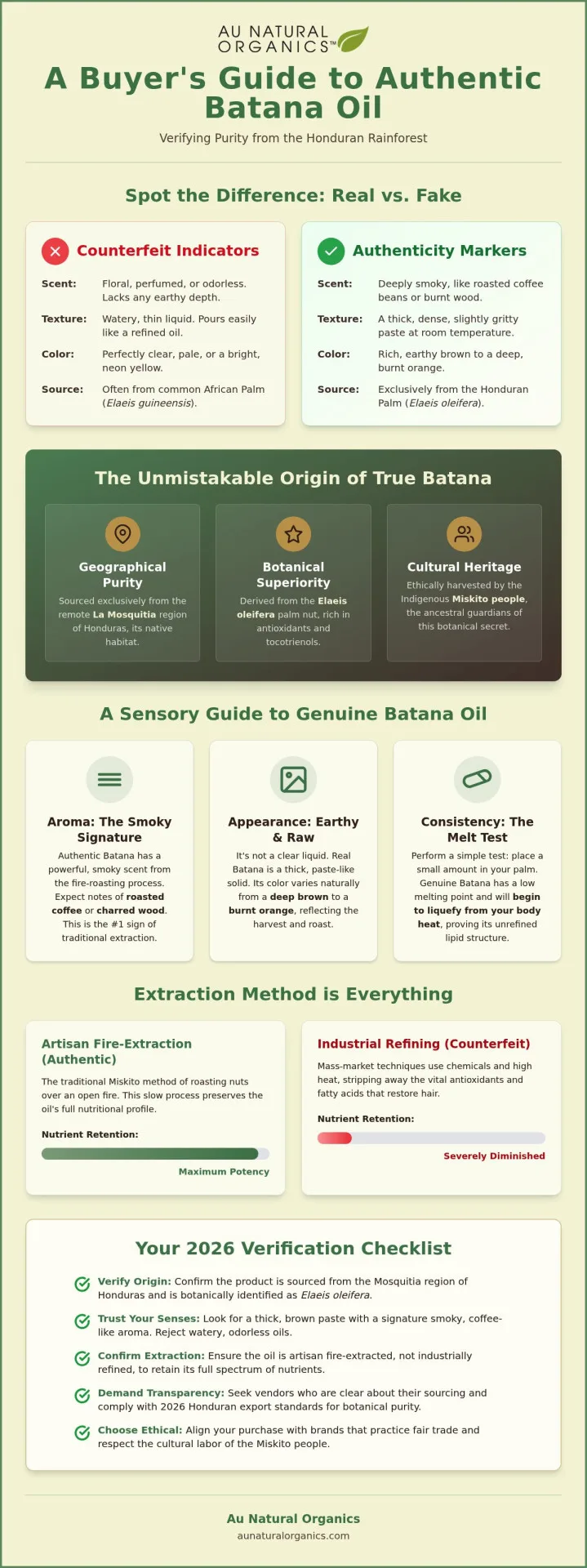
Authenticity has a specific profile. It is not found in sterile, clear liquids or odorless balms. When you seek real batana oil from honduras, you must prioritize sensory evidence over aesthetic appeal. A genuine product is raw and unapologetic. It carries the weight of its traditional processing in its scent, color, and physical state. If a product mimics the refined, homogenized look of mass-market cosmetics, it is likely a counterfeit or heavily diluted imitation. True botanical integrity is messy, dark, and aromatic.
The Signature Smoky Aroma of Traditional Extraction
The primary marker of authenticity is a potent, smoky aroma. This scent is often compared to roasted coffee beans, charred tobacco, or burnt wood. It is the direct result of the artisan heat-extraction process where the nuts are boiled and then roasted over open flames. A lack of this smoky scent indicates that the oil has been over-processed, chemically refined, or diluted with cheaper carrier oils. While some users find the scent intense, it is the only way to verify that the vital nutrients remain intact. Once applied to the hair and scalp, the heavy smoke dissipates, leaving behind a faint, earthy musk. The traditional smoky aroma serves as a definitive chemical fingerprint of the fire-pit extraction methods used by the Miskito people for centuries.
Texture and Color: Identifying Raw Integrity
Visual and tactile markers are equally critical. Real Batana is not a liquid at room temperature; it is a dense, slightly gritty paste. This batana oil paste should vary in color from a deep, burnt orange to a rich, earthy brown. These variations are natural. They reflect the specific harvest conditions and the intensity of the roasting process rather than spoilage. Avoid products that are perfectly clear or neon yellow, as these have been stripped of their protective carotenoids.
You can perform a simple ‘melt test’ to verify the lipid structure. Place a small amount of the paste in your palm. Genuine Batana has a low melting point and should transform into a smooth, dark oil almost instantly upon contact with your body heat. If it remains waxy or requires significant friction to break down, it likely contains synthetic thickeners or paraffin. To ensure you are receiving a high-potency product, always source your authentic batana oil from providers who prioritize raw, unrefined standards over shelf-stable convenience. Anything less is a compromise on your hair restoration results.
Traditional Extraction vs. Industrial Processing
Extraction methodology dictates potency. You can’t achieve the therapeutic benefits of real batana oil from honduras through industrial shortcuts. Many brands claim “cold-pressed” status as a marketing tactic, but this is a fundamental misnomer in the context of Elaeis oleifera. To release the nutrient-dense lipids from the hard kernel, heat is required. The difference between a healing oil and a dead cosmetic lies in how that heat is applied. Industrial processors use high-pressure centrifugal force or chemical solvents to maximize yield, but these violent methods degrade the sensitive fatty acid chains and strip the oil of its natural life force.
The Artisan Heat Extraction Method
Authentic production is a slow, rhythmic ritual. It begins with boiling the nuts to soften the outer husk, followed by hand-stirring in large iron pots over open fire pits. This traditional method allows for precise, intuitive temperature control. The master producers monitor the oil as it separates, ensuring the heat never reaches a point of thermal degradation. This unhurried process preserves the biological activity of the oil. Artisan extraction offers several advantages over industrial pressing:
- Lipid Integrity: Low-heat boiling prevents the oxidation of sensitive omega-6 and omega-9 fatty acids.
- Nutrient Suspension: Hand-stirring keeps healing “impurities” and minerals within the oil rather than filtering them out.
- Chemical Purity: Open-fire methods require no chemical catalysts or hexane solvents to release the oil.
These particles aren’t defects. They’re the concentrated sources of healing minerals and antioxidants that refined oils lack. By maintaining the oil in its raw state, we ensure the biological markers of the 2026 harvest remain intact for the end user.
Why Refined Oils Fail the Purity Test
Industrial refining processes prioritize shelf life over biological efficacy. When oil undergoes bleaching or deodorizing, it loses the very carotenoids and tocotrienols that define its therapeutic character. These compounds are responsible for the oil’s deep color and its ability to repair damaged hair follicles. Specifically, the tocotrienols in raw Batana are a potent form of Vitamin E that penetrates the hair shaft more effectively than the synthetic variants found in processed cosmetics. Without these, the oil is merely a lubricant, not a treatment.
A refined oil might look “cleaner” and last longer on a store shelf, but it won’t deliver results. It’s effectively a hollow lipid. A “100% pure” label is often a mask for a highly processed, refined grade oil that’s been stripped of its essential nutrient load. For a comprehensive understanding of these standards, consult our authentic batana oil sourcing guide. We refuse to compromise on the raw, unrefined state of our products. Efficacy requires integrity, not industrial perfection. We value the slow, careful processes of nature over the speed of the machine.
Verifying Your Source: A 2026 Buyer’s Checklist
Identifying real batana oil from honduras requires a rigorous audit of the supply chain. In 2026, transparency is no longer a luxury; it’s a requirement for efficacy. Start with the label. It must state “Country of Origin: Honduras.” However, a generic national label isn’t enough. Look for references to the Mosquitia region. This ensures the oil is derived from the true Elaeis oleifera species rather than commercial palm plantations elsewhere. As of July 2026, legitimate exports from Honduras must be authorized through the Central Bank of Honduras (BCH). This regulatory oversight helps ensure the product’s origin is authentic before it ever reaches your door.
Identifying Red Flags in Ingredients
Scrutinize the ingredient deck. It should contain exactly one item: Elaeis Oleifera Kernel Oil. If you see mineral oil, soybean oil, or petrolatum, you’re holding a diluted “Batana blend” that lacks the potency of the raw extract. “Fragrance” or “parfum” are immediate disqualifiers. Raw Batana possesses a natural, smoky scent. Any attempt to mask it with synthetics indicates the oil has been refined or is entirely counterfeit. While some users examine the differences in batana oil vs castor oil when choosing a hair growth base, these two lipids are not interchangeable. Batana is a unique botanical powerhouse that cannot be substituted with cheaper alternatives without losing its specific hair-restoration properties.
Sourcing Transparency and Ethical Trade
Investigate the brand’s relationship with the Miskito people. Middlemen often buy in bulk and store oil in plastic drums for months, leading to rapid oxidation. Direct-source brands provide batch dating and small-batch production numbers. This ensures the oil was harvested during the current 2026 cycle. Packaging matters. Raw botanical oils are highly sensitive to light. If the oil is sold in clear plastic or glass, the carotenoids are likely already degrading. Demand UV-protective or airtight amber containers to preserve the oil’s biological life force. Ethical sourcing is a non-negotiable standard for botanical integrity in 2026. To ensure you are receiving a product that meets these rigorous standards, secure your authentic batana oil from a source that prioritizes traditional heritage over mass-market convenience.
Securing Purity: The Au Natural Organics Standard
We represent a standard that refuses to bend. Our commitment to real batana oil from honduras is absolute. We don’t participate in the dilution or over-processing common in the modern beauty market. Instead, we act as a bridge between ancestral wisdom and modern wellness needs. We prioritize botanical potency over mass-market aesthetics. If an oil is too pale or smells too artificial, it has failed our rigorous criteria. Our philosophy is rooted in the belief that true efficacy requires zero compromise. We provide a product that is raw, unfiltered, and fundamentally potent.
Our Direct Sourcing from the Mosquitia Region
Direct sourcing is the cornerstone of our integrity. We maintain deep, long-standing relationships with indigenous producers in the Mosquitia region. This ensures fair compensation for the Miskito people while granting us direct access to the source. Every batch of our real batana oil from honduras undergoes a multi-stage evaluation process. We test for nutrient density and chemical purity before any container is authorized for sale. Our no-nonsense approach means we reject any supply that doesn’t meet our sensory benchmarks for color, scent, and texture. We aren’t just distributors. We are transparent guardians of a botanical legacy who value the slow, careful processes of nature.
Unrefined Integrity for Maximum Potency
Raw integrity is the only path to hair restoration. We keep our Batana oil in its unrefined state to preserve the complex matrix of carotenoids and tocotrienols that define its character. We refuse to introduce synthetic fragrances or chemical stabilizers into our batches. These additives serve the manufacturer’s profit margins and shelf stability rather than your biological needs. Our “Master of the Craft” philosophy dictates that we honor the traditional processes of artisan extraction. This ensures you receive a high-potency product that remains chemically identical to the oil used for centuries. We value substance over convenience. Our current batches reflect the unique environmental conditions of the 2026 harvest, ensuring your hair receives the most potent nutrients available. For those seeking additional high-potency solutions, our extracts & tinctures offer professional-grade support for a holistic wellness regimen.
Experience the profound difference of a truly traditional, fire-extracted oil. We invite you to secure your supply of raw, authentic Batana today. Start a restoration journey that is rooted in substance, heritage, and uncompromising quality. Your hair deserves a product that hasn’t been stripped of its life force by industrial shortcuts.
Commit to Botanical Integrity
The search for genuine hair restoration ends where transparency begins. Authenticity is not an abstract concept; it’s a physical reality found in the smoky aroma and dense, raw texture of the artisan-extracted nut. By prioritizing sensory identification and demanding rigorous sourcing standards, you protect yourself from the diluted, synthetic-laden counterfeits that dominate the current market. True potency requires an uncompromising adherence to traditional methods that preserve the carotenoids and tocotrienols unique to the Elaeis oleifera species. We remain your steadfast partner in this journey, acting as a bridge between ancestral wisdom and modern needs.
Our supply is directly sourced from Honduras, ensuring that every batch is 100% unrefined and raw. We refuse to use synthetic fragrances or fillers, maintaining the botanical life force of the 2026 harvest for your benefit. Now is the time to align your wellness ritual with the heritage of the Miskito people. Secure Your Bottle of Authentic Honduran Batana Oil Today and experience the revitalizing power of real batana oil from honduras. Your path to restored hair health is rooted in truth and professional-grade quality. Trust the process that nature intended.
Frequently Asked Questions
Is real Batana oil supposed to smell like it’s burnt?
Yes, a smoky or “burnt” aroma is a primary indicator of authenticity. This signature scent results from the traditional fire-pit extraction method used by Miskito artisans for centuries. If your oil lacks this earthy, roasted profile, it has likely been over-processed or chemically deodorized. We value this sensory “imperfection” because it confirms the botanical integrity of the extract. Avoid floral or odorless versions; they lack the raw power of the original.
Can I find authentic Batana oil that is a clear liquid?
Authentic Batana oil is never a clear liquid at room temperature. Its natural state is a dense, opaque paste ranging from burnt orange to deep brown. A clear or transparent appearance indicates heavy industrial refining or the presence of cheap filler oils. These processes strip the oil of the vital nutrients required for effective hair restoration. Real batana oil from honduras retains its dark, nutrient-dense color because we refuse to bleach or filter our batches.
How do I know if my Batana oil was actually made in Honduras?
Verification requires looking beyond the “Made in Honduras” label to find regional specifics like La Mosquitia. As of 2026, all legitimate exports must be authorized through the Central Bank of Honduras to ensure regulatory compliance. We maintain direct relationships with indigenous producers to guarantee every batch follows these strict protocols. Transparency is our standard. You should always demand proof of origin to ensure your supply isn’t a diluted imitation sourced from industrial palm plantations.
What happens if my Batana oil contains synthetic fragrances?
The presence of synthetic fragrances indicates the oil has been compromised. Fragrances are typically used to mask the absence of the natural smoky scent or to hide the rancidity of old, poorly stored oil. These additives can cause scalp irritation and counteract the healing properties of the raw lipids. We never use “parfum” or stabilizers. Pure botanical wellness relies on the unfiltered essence of the plant, not laboratory-created scents that offer no therapeutic value.
Why is raw Batana oil often more expensive than other hair oils?
The premium cost reflects the grueling, labor-intensive harvest in the remote Honduran rainforest. Collecting wild-harvested nuts and processing them through traditional heat-extraction methods requires significant time and specialized skill. Unlike mass-produced oils, real batana oil from honduras is a rare, localized product that supports the ethical livelihood of the Miskito people. You aren’t just paying for an oil; you are investing in a meticulously crafted botanical heritage that cannot be replicated by machines.
Can the texture of real Batana oil change depending on the weather?
Texture fluctuations are a natural characteristic of raw botanical fats. Real Batana is a solid paste in cooler climates but transitions into a smooth, dark oil when exposed to warmth or skin contact. This sensitivity to temperature confirms the absence of synthetic emulsifiers or paraffin waxes. If your oil remains a consistent liquid in the cold, it isn’t pure. We embrace these natural changes as evidence that our product remains in its untouched, biological state.
Does Batana oil lose its effectiveness if it isn’t raw?
Refining significantly reduces the oil’s efficacy by destroying sensitive antioxidants. The high-heat and chemical bleaching used in industrial processing strip away the carotenoids and tocotrienols that stimulate hair follicles. Without these specific compounds, the oil becomes a simple lubricant rather than a restorative treatment. We prioritize raw integrity because it’s the only way to ensure the biological markers of the 2026 harvest remain active. Potency is inextricably linked to the raw state of the oil.
Shop Batana Oil: Try our Pure Batana Oil (3.4oz), cold-pressed from Honduran batana nuts, or the larger 100% Raw Batana Oil (6oz).

Leave a comment
You must be logged in to post a comment.