
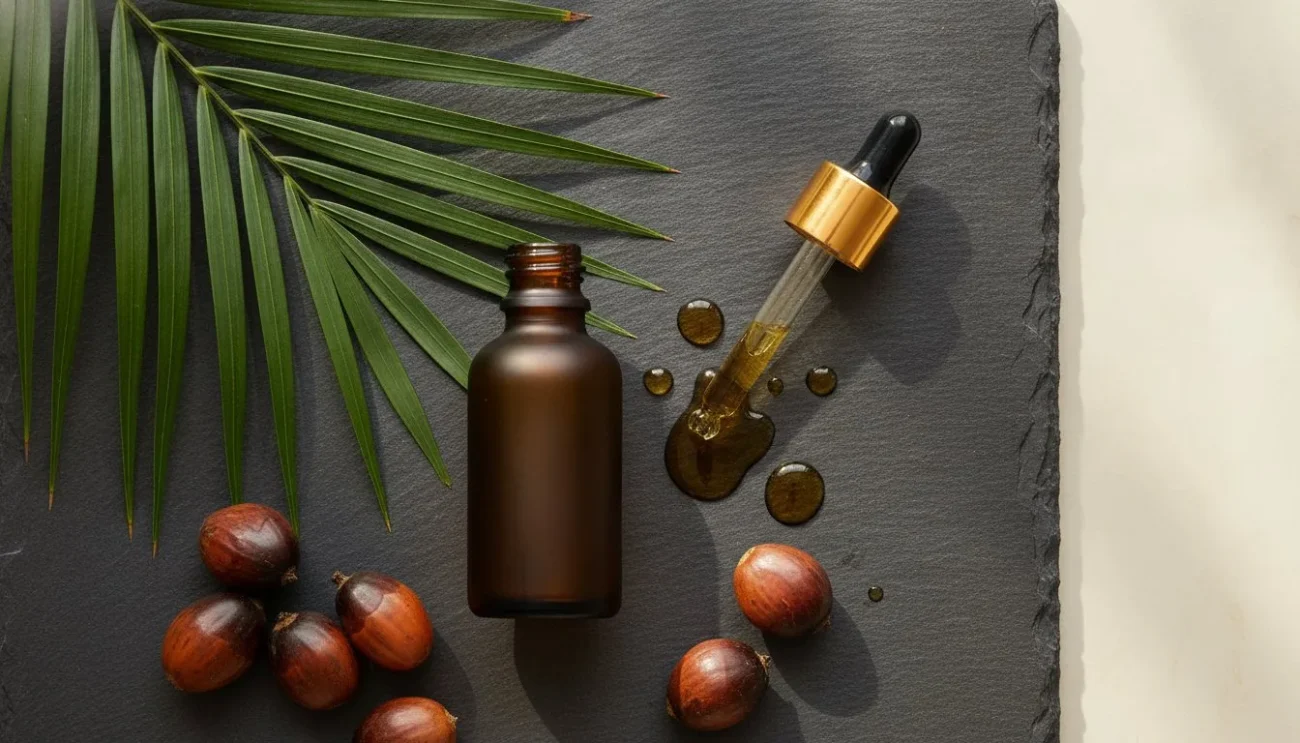
A thick beard is not a miracle. It’s a biological result. Many men struggle with uneven growth and coarse textures because they neglect the underlying health of the follicle. You’ve likely dealt with the irritation of dry skin and the disappointment of thin patches that refuse to fill. It’s frustrating to invest time into a grooming routine that yields no tangible density. By integrating authentic batana oil for beard growth into your daily ritual, you provide your skin with the specific raw fatty acids required to transition dormant follicles into the active anagen phase.
This traditional Honduran secret, harvested by the Miskito people, offers a potent alternative to synthetic additives. You’ll discover the precise science of botanical stimulation and the exact steps to transform a wiry, itchy beard into a soft, disciplined asset. We’ll examine the difference between raw, unrefined oils and processed blends, ensuring you master the craft of natural beard maintenance through uncompromised botanical integrity.
Key Takeaways
- Discover the botanical heritage of the American Oil Palm and why its raw extraction remains the gold standard for facial hair vitality.
- Analyze how the specific tocotrienol profile in batana oil for beard growth mitigates oxidative stress to support a denser, more resilient beard line.
- Implement a professional purity checklist to distinguish authentic, smoky-scented Honduran oil from inferior, refined alternatives.
- Master a two-step application ritual involving thermal pore preparation and lipid emulsification for optimal nutrient delivery.
- Track your progress through a structured twelve-week timeline, moving from initial texture refinement to visible increases in follicle density.
Understanding Batana Oil: The Traditional Catalyst for Beard Vitality
Batana oil is not a trend. It is a raw botanical butter derived from the nut of the American Oil Palm, Elaeis oleifera. For centuries, the Tawira people of Honduras, known as the Miskito, have utilized this substance as their primary grooming tool. They’re often called the “people of beautiful hair” for a reason. Their legacy provides the professional blueprint for modern beard care. This substance is a complex lipid matrix, not a simple cosmetic oil. It requires a specific extraction process to maintain its biological integrity.
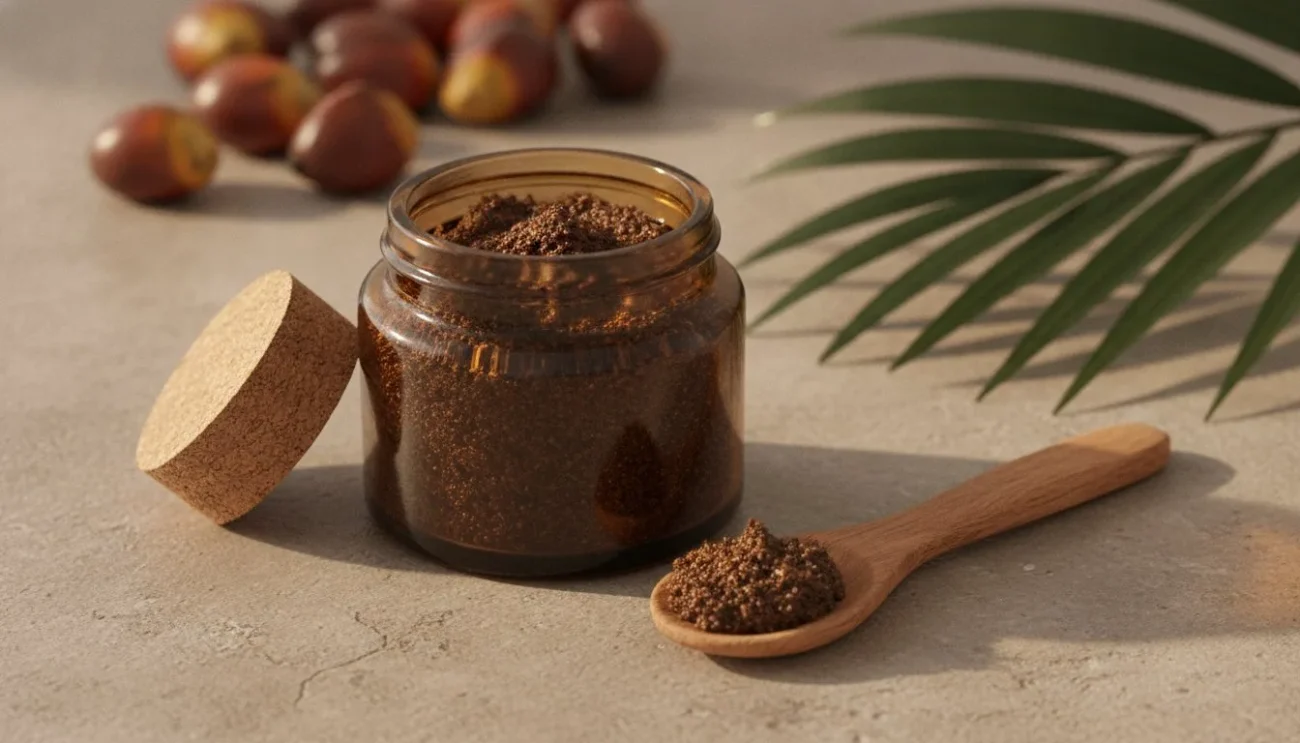
While many enthusiasts seek 100 pure batana oil for hair on the scalp, its application for facial hair is equally vital. Using batana oil for beard growth requires an understanding of its raw state. Genuine batana is thick, dark brown to burnt orange, and carries a distinct, smoky aroma reminiscent of roasted coffee or tobacco. This scent is a signature of traditional processing. If the oil is clear, pale yellow, or odorless, it has been stripped of its potency through industrial refining. Purity is not a preference. It is a professional requirement for results.
The Anatomy of a Patchy Beard
Patchiness is rarely a lack of follicles. It is often a state of dormancy. Facial follicles require intense nutrient density and consistent circulation to thrive. When sebum and dead skin cells accumulate, they create a physical barrier that prevents new growth from surfacing. This results in an abundance of vellus hairs, the fine, light fuzz that fails to mature. To achieve a dense beard line, you must stimulate these follicles to transition into the terminal phase. This is the stage where hair becomes thick, pigmented, and permanent. Without the right botanical tools, these follicles remain stuck in a resting state.
Why Purity is the Only Standard
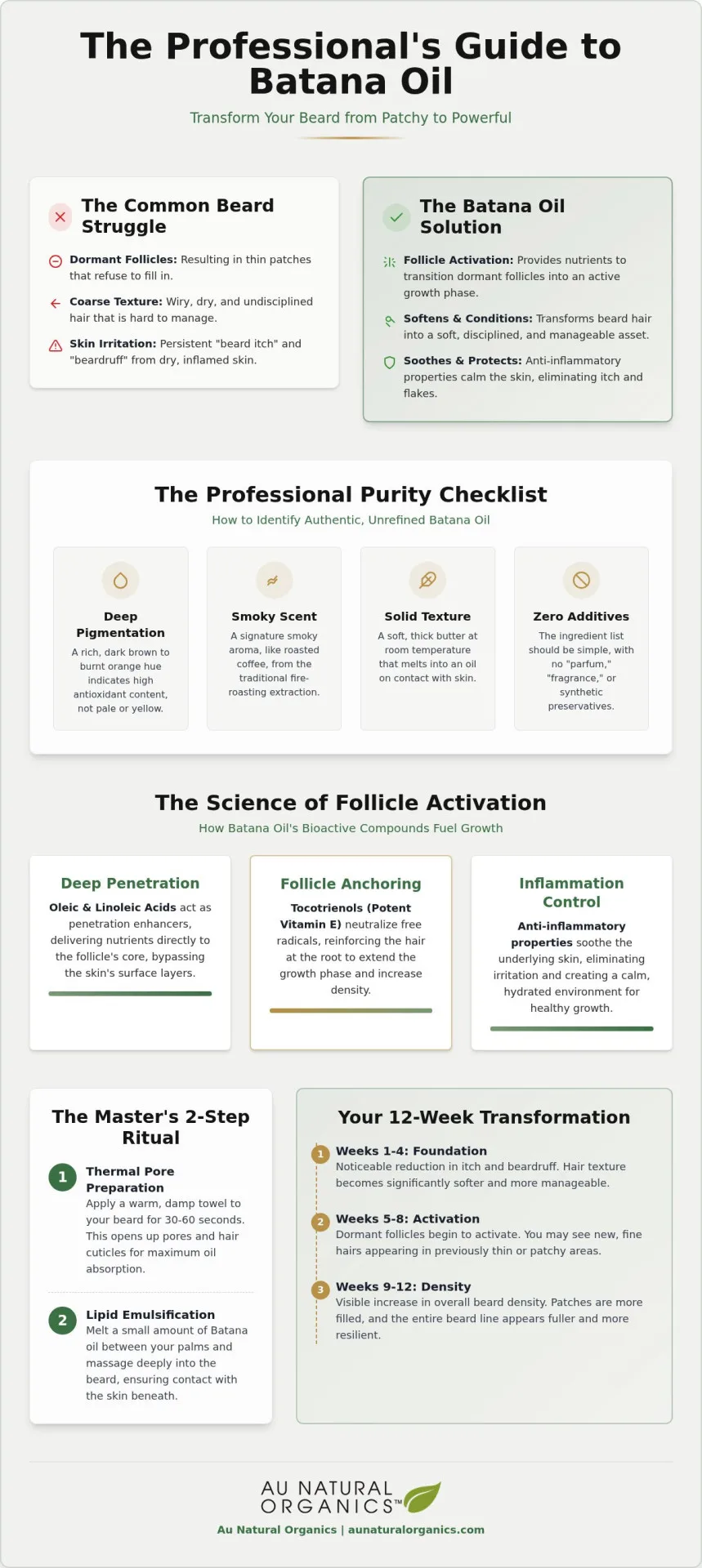
Commercial beard products frequently hide behind synthetic fragrances and fillers. These additives do more than just smell artificial; they can cause contact dermatitis and disrupt the skin’s natural pH. Refined oils are even more deceptive. Through high-heat processing, these products lose their vital tocotrienols, a rare and powerful form of Vitamin E. Selecting authentic batana oil is a commitment to professional-grade integrity. Only raw, unrefined batana oil for beard growth contains the full spectrum of fatty acids needed to repair the skin barrier and fuel the follicle. Look for these non-negotiable traits:
- Deep Pigmentation: A rich, dark hue indicating high antioxidant content.
- Smoky Scent: Evidence of the traditional fire-roasting extraction method.
- Solid Texture: The oil should be a soft butter at room temperature, melting only upon contact with skin.
- Zero Additives: No “parfum,” “fragrance,” or synthetic preservatives.
The Science of Follicle Activation: How Batana Oil Works
Growth is a biochemical achievement. To understand why batana oil for beard growth is effective, we must look at its molecular composition. Unlike synthetic conditioners that coat the hair surface, raw Batana oil functions as a bioactive delivery system. Its profile is dominated by Oleic and Linoleic acids. These specific fatty acids act as penetration enhancers, allowing the oil to bypass the dense epidermal layers of the face to reach the follicle’s core. This deep permeation ensures that nutrients aren’t just sitting on the skin; they’re fueling the dermal papilla.
The true distinction of Batana lies in its concentration of tocotrienols. These are a rare, potent form of Vitamin E that offer significantly higher antioxidant activity than the tocopherols found in common oils. Tocotrienols aggressively neutralize free radicals that cause follicle miniaturization. This protection leads to “follicle anchoring,” a process where the hair shaft is structurally reinforced at the root. When the root is secure and the surrounding tissue is healthy, the hair remains in the growth phase longer, resulting in a visible increase in beard density. If you are ready to implement this level of botanical precision, choosing authentic batana oil is the first step toward professional results.
Beyond structural reinforcement, Batana addresses the chronic inflammation that plagues many men. “Beard itch” and “beardruff” are often symptoms of a compromised skin barrier. The oil’s anti-inflammatory properties soothe the underlying tissue, eliminating the irritation that leads to scratching and subsequent follicle damage. By maintaining a calm, hydrated environment, the skin can direct its energy toward hair production rather than cellular repair.
Androgenic Hair vs. Scalp Hair
Beard hair is physiologically distinct from the hair on your head. It is androgenic, meaning its growth is dictated by hormonal signals rather than simple genetics. Facial skin is also significantly thicker and more porous than the scalp. This environment requires a heavy, lipid-rich carrier that won’t evaporate before it reaches the target. Batana’s dense consistency provides the necessary occlusion to trap moisture while delivering nutrients directly to the blood-rich dermal papilla, where beard hair is born.
Combating Oxidative Stress
Environmental pollutants, UV radiation, and even hard water contribute to a buildup of oxidative stress on the face. These factors stall growth by damaging the DNA within the hair cells. Oxidative stress is the primary silent killer of beard density. Batana’s antioxidant shield creates a biological barrier against these external aggressors. By neutralizing the chemical “exhaust” of daily life, the oil ensures that each follicle has the stability required to produce thick, terminal hair without interruption.
Identifying Real Batana Oil: The Professional Purity Checklist
Authenticity is the foundation of efficacy. In a saturated market, discerning the difference between a potent botanical tool and a diluted cosmetic filler is essential. To achieve results with batana oil for beard growth, you must verify the physical properties of your supply. Purity is a binary. There is no middle ground. If the oil fails any metric of the professional checklist, its biological utility is compromised.
Genuine Batana oil exhibits a specific color profile. It ranges from a deep, earthy brown to a vibrant burnt orange. This pigmentation is a direct result of high carotene levels and the rare tocotrienols discussed in the previous section. If you encounter an oil that is clear, pale yellow, or translucent, it has been subjected to industrial refining or bleaching. These processes strip the lipids of their growth-stimulating properties. Furthermore, the scent must be undeniable. Authentic oil carries a heavy, smoky aroma reminiscent of roasted coffee or dried tobacco. This scent is the fingerprint of the traditional fire-roasting extraction used by the Miskito people in Honduras. Odorless oils are chemically altered and lack the raw integrity required for follicle stimulation.
Texture provides the final confirmation of quality. At room temperature, the oil should exist as a thick, stable batana oil paste. It should not be a runny liquid. Upon contact with the warmth of your skin, the paste should emulsify instantly into a rich, absorbent oil. This transition indicates that the lipids are intact and ready for dermal penetration. Finally, verify the origin. True Batana is exclusively sourced from the coastal regions of Honduras. Traceability is not a luxury; it’s an ethical and professional requirement.
The Dangers of Counterfeit Oils
The rise in popularity of batana oil for beard growth has led to an influx of counterfeit products. Many “Batana-scented” oils are simply mineral oils or cheap carrier oils mixed with synthetic fragrances. These synthetics are notorious for clogging facial pores and inducing folliculitis, which actively hinders growth. Liquid versions of Batana are often over-processed or blended with inferior vegetable oils to reduce costs. To protect yourself from these imitations, understanding the definitive sensory and chemical markers of real batana oil from Honduras is an essential step before making any purchase. If you are evaluating your options, a thorough review of batana oil vs castor oil for hair growth reveals the precise molecular distinctions that separate a raw botanical butter from a common carrier oil. Remember that price is a direct indicator of ethical harvesting. The labor-intensive process of traditional extraction justifies a higher investment in your grooming ritual.
Storage and Integrity
Preserving the botanical matrix is vital for long-term use. As we move into 2026, maintaining the shelf life of raw butters requires deliberate care. Store your oil in a cool, dark environment away from direct sunlight to prevent lipid oxidation. If the smoky scent turns sour or the color fades significantly, the oil has gone rancid. Typically, raw, unrefined Batana maintains its professional integrity for 18 to 24 months if kept in an airtight, UV-protected container. Protecting your investment ensures that every application delivers the maximum nutrient density to your follicles.
The Master’s Ritual: How to Apply Batana Oil for Maximum Growth
Application is a deliberate ritual. It’s the intersection of mechanical stimulation and biological absorption. To extract the full utility of batana oil for beard growth, you must treat the process with professional precision. Applying a cold paste to dry skin is an exercise in waste. You must prepare the canvas and activate the lipids to ensure the nutrients reach the dermal papilla. Follow this methodology to transform your grooming routine into a results-oriented practice.
- Step 1: Thermal Preparation. Begin with a warm towel or immediate post-shower steam. Heat is the catalyst. It expands the pores and softens the skin, creating an accessible path for the oil’s fatty acids.
- Step 2: The Emulsification. Extract a pea-sized amount of the raw paste. Rub it between your palms until it transforms into a rich, liquid gold. This physical activation ensures the lipids are ready for immediate dermal uptake.
- Step 3: Deep Dermal Massage. Use your fingertips to work the oil into the skin beneath the hair. Focus on the jawline and any patchy areas using firm, circular motions. This mechanical action stimulates blood flow, delivering oxygen directly to the follicles.
- Step 4: Distribution and Exfoliation. Utilize a firm boar bristle brush to pull the oil through the hair shafts. This clears away dead skin cells and debris that can block new growth from emerging.
- Step 5: The Overnight Seal. Allow the oil to remain on the skin for at least six hours. Time is a non-negotiable factor. An overnight application provides the duration necessary for the tocotrienols to neutralize oxidative stress.
Consistency is the differentiator between failure and success. You’ll see initial texture improvements quickly, but structural changes take time. Secure your supply of authentic batana oil to begin this disciplined approach to facial hair health.
Frequency and Consistency
Results require botanical patience. You must adhere to the 90-day rule. This timeframe accounts for a full hair growth cycle, allowing vellus hairs to transition into terminal density. For most skin types, a nightly application is optimal. It prevents the oil from competing with daily environmental pollutants. If your skin is exceptionally dry, a secondary, lighter application in the morning can provide a protective barrier throughout the day. Adjust the volume based on your beard length; a longer beard requires more oil to ensure the skin remains hydrated beneath the hair mass.
Advanced Synergies
You can enhance the efficacy of Batana by introducing complementary botanical tools. Blending it with a few drops of Rosemary essential oil can further amplify circulation to dormant follicles. For those with exceptionally coarse or desert-dry textures, layering with botanical body butters creates a secondary moisture seal that prevents trans-epidermal water loss. Finally, remember that hydration is internal. Drinking sufficient water ensures the skin stays supple, allowing the “Batana glow” to manifest as a sign of genuine health rather than just a topical shine.
Long-term Results and Professional Maintenance
Patience is the final ingredient in the master’s ritual. While commercial products promise immediate transformations, biological reality operates on a different clock. Using batana oil for beard growth is a commitment to the long-term health of your facial follicles. You aren’t just masking dryness; you’re fundamentally altering the environment where your hair resides. Results are cumulative. They build upon the consistency of your daily application and the purity of your chosen botanical tools.
During weeks one through four, the primary changes are tactile. You’ll notice a significant reduction in “beardruff” and the chronic itch that often halts growth progress. The hair becomes softer and more manageable as the raw lipids penetrate the cuticle. By weeks eight through twelve, the focus shifts to density. This is the period where dormant follicles, fueled by the tocotrienols and fatty acids discussed previously, begin to produce visible terminal hair. You’ll see the filling in of patchy areas along the jawline and cheeks as the growth cycle stabilizes. Once you achieve your desired thickness, maintenance involves reducing application frequency to two or three times a week to preserve skin elasticity and hair strength.
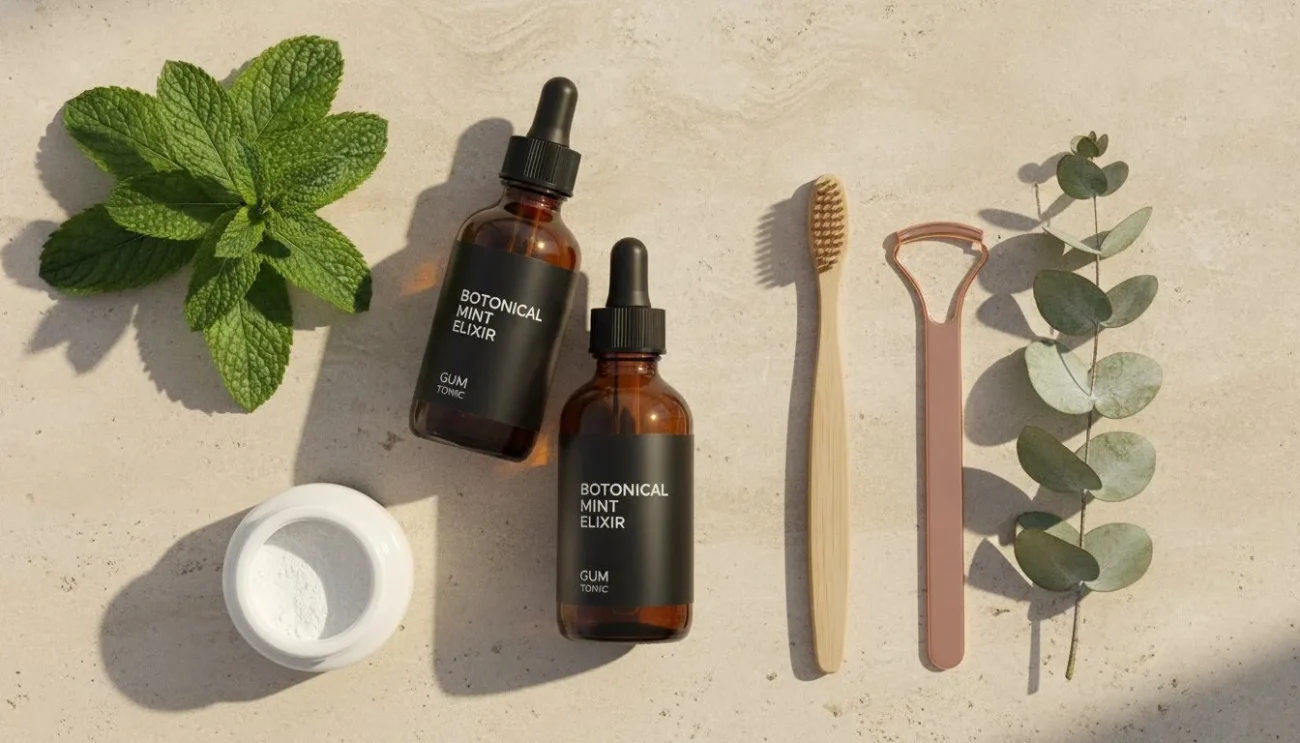
Professional maintenance requires a “purity-first” grooming kit. It’s counterproductive to use a high-grade botanical butter and then wash it away with a sulfate-heavy cleanser. Ensure your soaps and grooming tools are free from synthetic fragrances and harsh detergents. Every product that touches your face must respect the skin barrier and the delicate chemistry of the follicle.
Integrating Batana into a Full Wellness Routine
Ethical Consumption in 2026
The future of this rare botanical resource depends on ethical responsibility. Supporting the Miskito communities of Honduras ensures that traditional harvesting methods remain viable. Wild-harvested Batana, gathered from the forest floor, maintains a far higher nutrient density than plantation-grown alternatives. By choosing unrefined, ethically sourced products, you protect both the environment and the heritage of the “people of beautiful hair.” It’s a choice that values substance over marketing fluff. Experience the unrefined power of Au Natural Organics Batana Oil and secure the future of your beard through uncompromising quality.
Elevate Your Grooming Standard
Consistency is the hallmark of a master. You now understand that a denser, more disciplined beard isn’t the result of synthetic shortcuts. It’s the biological outcome of providing your follicles with the specific raw fatty acids and tocotrienols they require. By identifying the smoky scent and deep pigmentation of authentic lipids, you ensure your skin receives only uncompromised botanical integrity. Success depends on the ritual of thermal preparation and deep dermal massage. These mechanical steps, combined with the traditional power of batana oil for beard growth, create the optimal environment for terminal hair production.
Your commitment to quality reflects a deeper respect for the craft of natural wellness. Choosing unrefined products supports the Miskito communities of Honduras and preserves the handmade heritage of this rare botanical butter. It’s time to transition from patchy, unmanageable textures to a beard defined by density and health. Secure Your Jar of Authentic, Raw Batana Oil today. Your journey toward a fuller beard line is grounded in science and tradition. Trust the process and honor the ritual.
Frequently Asked Questions
Does Batana oil actually work for connecting a patchy beard?
Batana oil functions by transitioning dormant vellus hairs into terminal growth. It doesn’t create new follicles where none exist, but it provides the nutrient density required to activate existing ones. The rare tocotrienols in batana oil for beard growth fight oxidative stress, which is often the cause of patchiness. Consistency over several growth cycles is required to see a fully connected beard line.
How long does it take to see beard growth results with Batana oil?
You should expect a twelve-week timeline for visible density changes. Initial texture refinement and the cessation of “beard itch” typically occur within the first month. By the eight-week mark, follicles receiving consistent lipid stimulation begin to produce thicker shafts. A full ninety-day cycle is the professional standard for evaluating botanical efficacy and permanent structural changes in the beard.
Can Batana oil cause breakouts on the face?
Authentic, raw Batana oil is non-comedogenic for most skin types because it mimics the skin’s natural sebum. Breakouts are usually a reaction to synthetic fragrances or mineral oil fillers found in refined products. If you use 100% pure oil, the risk of acne is minimal. Always perform a patch test if you have historically reactive skin to ensure compatibility with the raw botanical matrix.
Is the smoky smell of raw Batana oil normal?
A smoky, earthy aroma is the primary indicator of unrefined quality. This scent, often compared to roasted coffee or tobacco, is a natural byproduct of the traditional fire-roasting extraction used in Honduras. If your oil is odorless or smells like artificial perfume, it has been over-processed. Purity has a scent. Embrace the raw profile as proof of its biological potency.
Should I wash my beard before or after applying the oil?
You must apply the oil to a clean, damp beard for optimal absorption. Washing your beard with a natural cleanser first removes debris and sebum that block the follicle. The warmth from the water acts as thermal preparation, expanding the pores. This allows the batana oil for beard growth to penetrate deeper into the dermal layers rather than sitting on the surface of the hair.
Can I use Batana oil on a short stubble beard?
Stubble is the ideal stage to begin a Batana ritual. Applying the oil to shorter hair allows for easier access to the skin and the follicle openings. It prevents the common irritation associated with early growth phases and ensures the new hair emerges from a hydrated, nutrient-rich environment. This early intervention sets the foundation for a denser, healthier beard as it matures.
What is the difference between Batana oil and regular beard oil?
Regular beard oils are typically liquid blends of carrier oils and synthetic fragrances. Batana is a raw botanical butter with a much higher concentration of fatty acids and rare antioxidants. It functions as a treatment rather than just a styling agent. While standard oils provide temporary shine, Batana provides the structural lipids necessary for long-term follicle health and hair shaft reinforcement. For a detailed molecular breakdown of how Batana compares to another popular growth oil, the authoritative analysis of batana oil vs castor oil for hair growth provides a clear framework for making an informed botanical investment.
How much Batana oil should I use per application?
A pea-sized amount is sufficient for most daily applications. You must emulsify the paste between your palms until it transforms into a liquid before applying it to your face. Using too much oil can lead to a greasy residue and waste the product. Focus on massaging the activated lipids into the skin beneath the hair mass rather than just coating the visible beard hair.


Leave a comment
You must be logged in to post a comment.