
Marula oil and jojoba oil are both options for a simple face-oil routine. The important distinction starts with identity: marula comes from Sclerocarya birrea kernels, while jojoba comes from Simmondsia chinensis seeds and is technically a liquid wax.
That difference does not make one the automatic winner for every face. Compare the actual products, follow their directions and assess the amount that feels comfortable on your skin.
What the current labels tell you
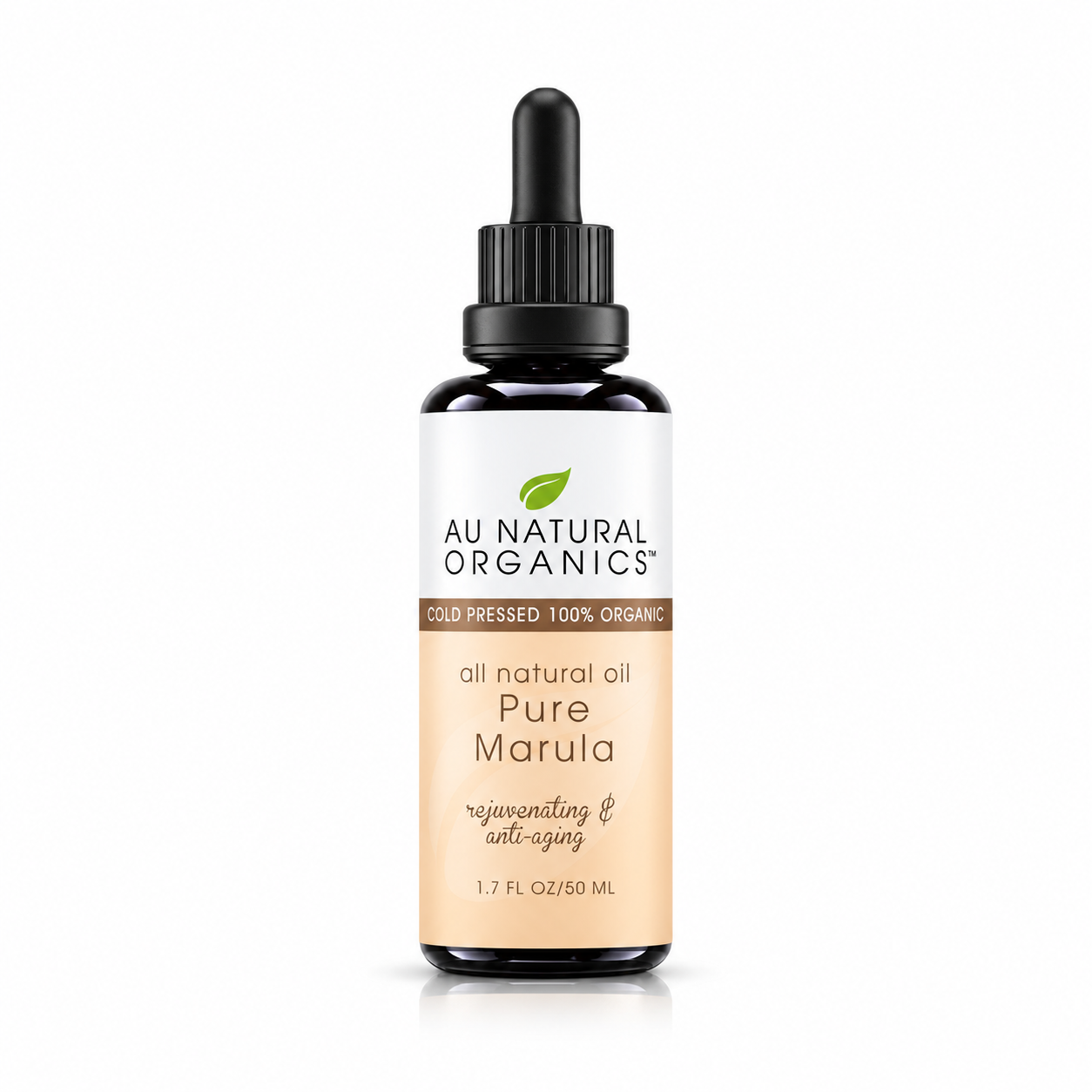
The Au Natural Organics marula oil listing identifies 100% Sclerocarya birrea kernel oil. It describes a light, silky feel and a mild nutty scent.
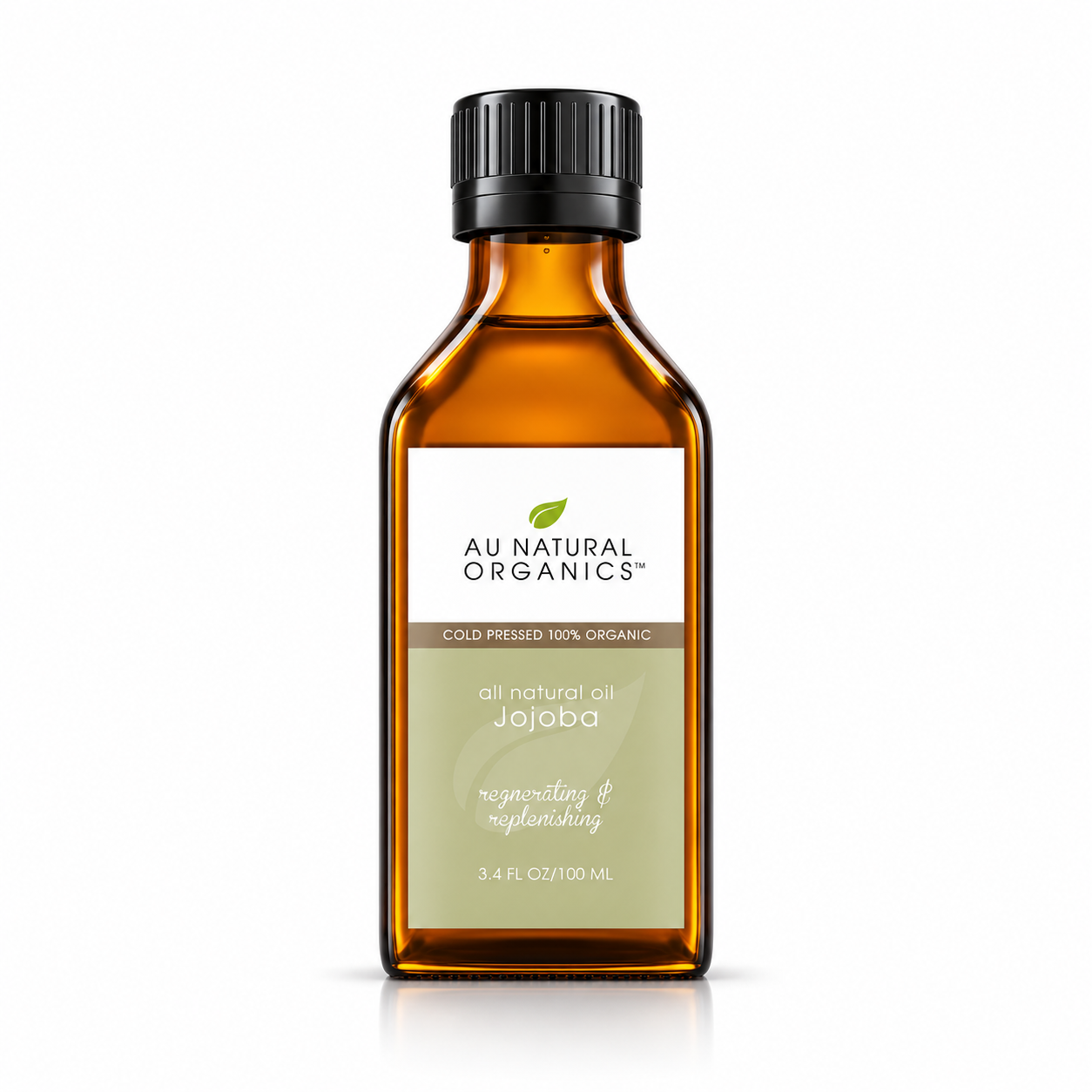
The jojoba oil listing identifies 100% Simmondsia chinensis seed oil. The page describes a silky feel and explains that jojoba consists mainly of wax esters.
| Question | Marula listing | Jojoba listing |
|---|---|---|
| Botanical identity | Sclerocarya birrea | Simmondsia chinensis |
| Plant part | Nut kernel | Seed |
| Processing listed | Cold-pressed | Cold-pressed |
| Face directions | Two to three drops on clean skin | Two to three drops on clean skin |
| Other listed uses | Hair ends and cuticles | Hair lengths and blends |
Use this as a product comparison, rather than a promise that a particular finish will suit everyone.
Start with one bottle, one use
If you want to understand the difference, introducing both oils on the same day is less helpful than trying one at a time. Keep your familiar cleanser and moisturizer while you assess the new step.
Read the label, try a small area first, and start with a small amount. Apply gently to the intended area, avoiding the eyes. Let the finish settle before deciding whether you need more.
The drop count is a starting reference from the product directions. Your application area, layering choices and preferred finish may call for less. Stop using a product if irritation occurs.
Compare what you can actually observe
Three practical questions help: Do you like the scent? Does the amount spread easily? Does the finish sit comfortably with the products you already use?
Keep a brief note of the amount and time of application. A fair comparison uses a similar routine on separate occasions. Comparing a generous application of one oil with a tiny amount of another mostly compares quantity.
A product name is also not a skin-type diagnosis. Broad claims that one oil is always best for oily skin or another always best for dry skin can hide differences in the finished product and individual response.
Pure oil or a finished serum?
A bottle featuring marula or jojoba may contain several ingredients. Read the full list before comparing it with the single-ingredient products discussed here.
An essential-oil blend needs its own directions; do not assume a pure carrier oil’s face instructions apply to it. Neither a pleasant texture nor a botanical source establishes sunscreen protection.
Quick questions
Is jojoba still sold as an oil?
Yes. Although its chemistry is that of a liquid wax, jojoba oil is the familiar product name. The jojoba guide explains that distinction.
Must I blend marula with jojoba?
No blend is required to compare them. Starting with a single product makes its feel easier to assess.
Where can I check the source?
Read the marula ingredient guide and each current product label. Then choose the marula or jojoba listing that fits your preferences.

Leave a comment
You must be logged in to post a comment.