The Ingredient Library
Marula
Sclerocarya birrea
Marula oil is cold-pressed from the kernels of the marula tree of southern Africa, where women crack the stone-hard nuts one by one to free tiny, oil-rich kernels.
Get to know marula oil
- Source
- Nut kernel
- Origin
- Southern Africa
- Extraction
- Cold-pressed
- Texture
- Light, silky, absorbs fast
What it is
Marula is a botanical carrier oil used in hair and skin care.
Why it belongs in your routine
Light, fast-absorbing kernel oil from the African marula tree.
How to use
Warm a few drops between your palms and smooth over hair or skin. Patch test before use.
Where does marula oil come from?
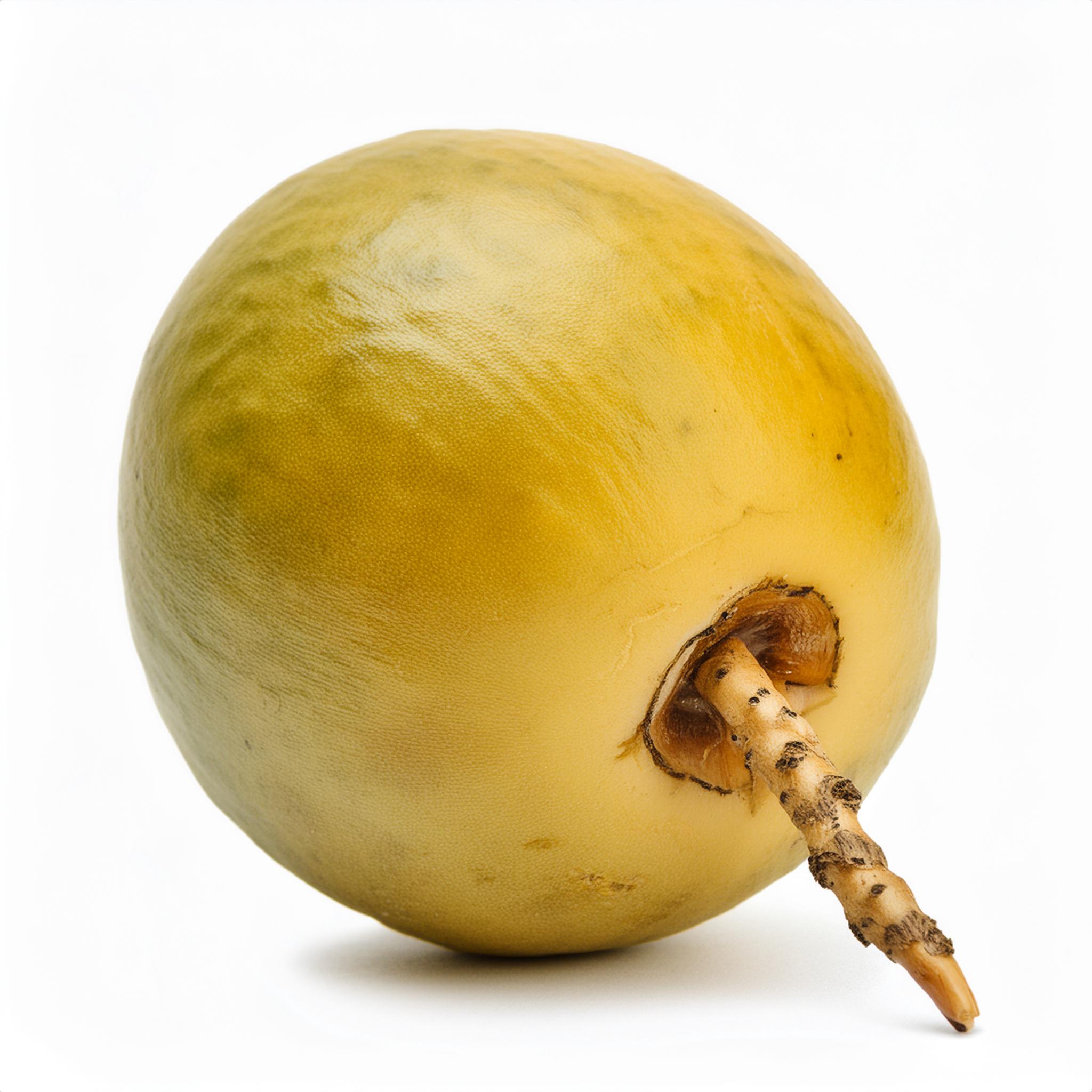
The marula, Sclerocarya birrea, is a large deciduous tree of the savannas of southern and eastern Africa. It grows up to about 18 metres with a broad, rounded crown and grey, flaking bark. Female trees bear plum-sized yellow fruits that ripen and drop in late summer, and inside each fruit is a hard stone holding two or three small kernels. Namibia, South Africa and Botswana are major sources of the oil.
Marula oil is pale yellow with a light, nutty scent. It is high in oleic acid, typically around 70 to 78 percent, and naturally contains vitamin E, which makes it quite stable. It feels light and absorbs quickly, so it works well in face oils, serums and hair oils, where it softens without leaving a heavy film.
Sourcing & extraction
How marula oil is sourced and extracted
Why it is rare
Each stone must be cracked by hand, and the kernels are small, so extracting them is slow work. The trees are wild or left standing on farmland, not planted in orchards, and they fruit once a year.
How it is gathered
Marula fruits usually fall between January and March. Women in rural areas of Namibia, northern South Africa and Botswana collect them from the ground under wild trees. The fruit flesh is often used for drinks and jam, and the stones are washed and dried. Later in the year the stones are cracked open with a hammer or stone and the kernels are prised out with a sharp tool, then sold to local pressing groups.
How it is made
Cold-pressed from the kernel
- Ripe marula fruits are gathered from the ground beneath wild trees, and the flesh is removed from the stones.
- The stones are dried, then cracked one at a time so the small kernels can be picked out by hand.
- The kernels are sorted and cleaned, then fed into a cold press that squeezes out the oil at low temperature.
- The oil is left to settle and is filtered to give a clear, pale yellow finished oil.
How to use marula oil
- Start with a few drops and warm them between your palms.
- Massage into clean skin, or work through the lengths of damp or dry hair.
- Use on its own, or add a few drops to your moisturizer or conditioner.
For external use only. Patch test on a small area before first use and stop if irritation occurs. If you are pregnant, nursing or have a medical condition, ask a healthcare professional before use.
From ingredient to routine
Products with Marula
Find this ingredient in our collection.

Questions about Marula
Where does Marula come from?
Marula fruits usually fall between January and March. Women in rural areas of Namibia, northern South Africa and Botswana collect them from the ground under wild trees. The fruit flesh is often used for drinks and jam, and the stones are washed and dried. Later in the year the stones are cracked open with a hammer or stone and the kernels are prised out with a sharp tool, then sold to local pressing groups.
How is Marula extracted?
Cold-pressed from the kernel. Ripe marula fruits are gathered from the ground beneath wild trees, and the flesh is removed from the stones. The stones are dried, then cracked one at a time so the small kernels can be picked out by hand. The kernels are sorted and cleaned, then fed into a cold press that squeezes out the oil at low temperature. The oil is left to settle and is filtered to give a clear, pale yellow finished oil.
Why is Marula considered rare?
Each stone must be cracked by hand, and the kernels are small, so extracting them is slow work. The trees are wild or left standing on farmland, not planted in orchards, and they fruit once a year.