The Ingredient Library
Wintergreen
Gaultheria procumbens
Wintergreen essential oil comes from the leaves of low evergreen shrubs, and it forms only after the leaves are soaked in warm water, which lets an enzyme release methyl salicylate before steam distillation.
Get to know Wintergreen
- Source
- Leaves
- Origin
- North America, Himalaya
- Extraction
- Steam-distilled
- Aroma
- Sweet, minty, sharp
What it is
Wintergreen is an aromatic essential oil distilled from the plant.
Why it belongs in your routine
Sweet, minty oil distilled from soaked wintergreen leaves.
How to use
Always dilute in a carrier oil before it touches skin. Never use undiluted. Patch test first.
Where Wintergreen comes from
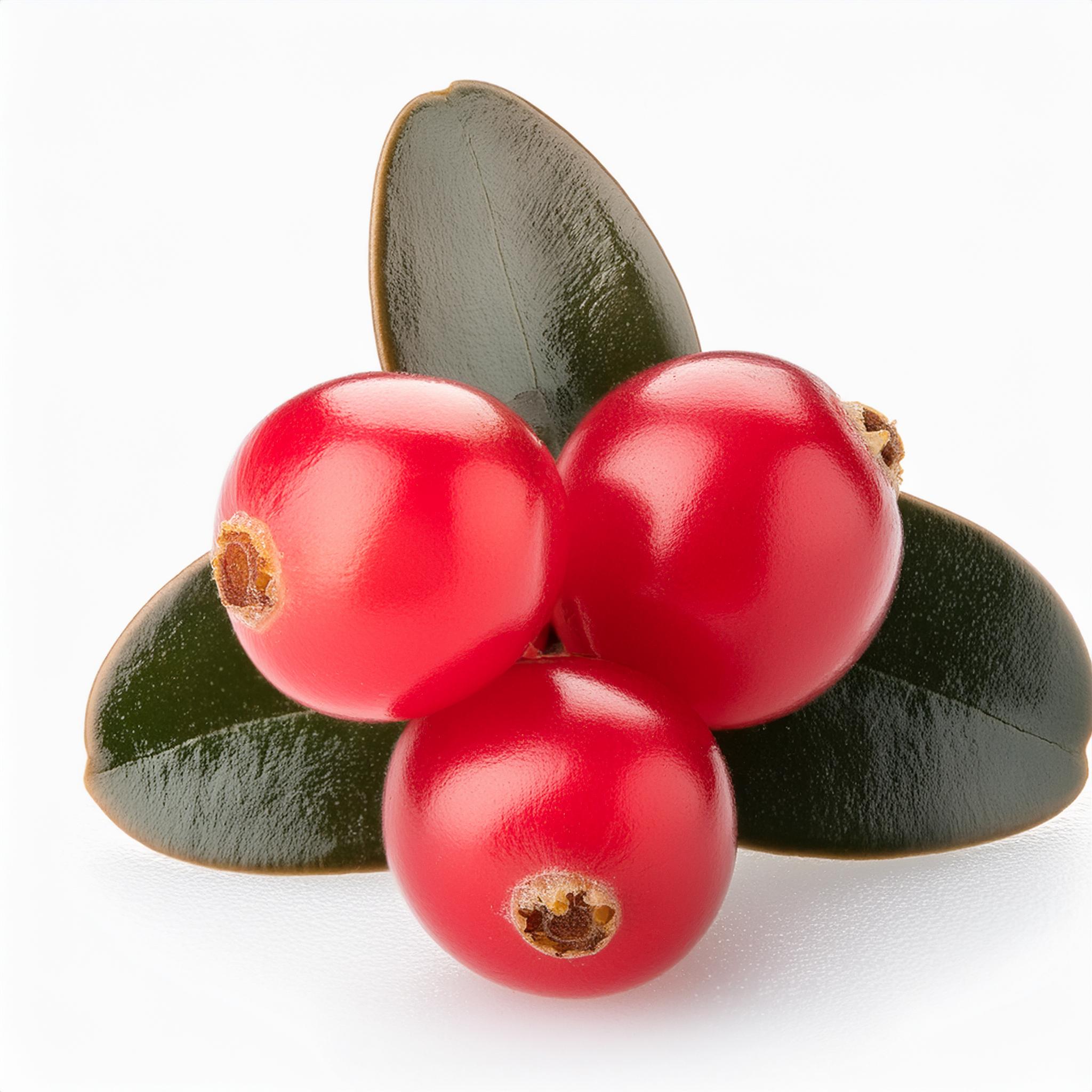
Gaultheria procumbens, also called eastern teaberry or checkerberry, is a creeping evergreen shrub of the heath family, only 10 to 15 centimetres tall, native to the forests of eastern North America. It has glossy oval leaves, white bell flowers and red berries. Most wintergreen oil sold today is distilled from related Gaultheria species, especially G. fragrantissima, a larger shrub of the Himalayan foothills in Nepal, India and China.
Wintergreen oil is pale yellow to pinkish and smells strongly sweet and minty, the flavour many people know from chewing gum and root beer. It is almost entirely methyl salicylate, often around 98 percent. Because it is so concentrated it is used at very low levels, mostly in soaps, massage balms for scent, and oral care flavouring. Keep it away from children.
Sourcing & extraction
How Wintergreen is sourced and extracted
Why it is rare
Wild wintergreen grows as a low forest shrub, so collecting enough leaf takes time. The oil only forms after soaking and fermentation, and much of the true leaf oil has been replaced on the market by synthetic methyl salicylate or sweet birch oil.
How it is gathered
Wintergreen leaf is typically gathered from wild shrubs. In Nepal and northern India, villagers in the middle hills cut the leafy branches of Gaultheria fragrantissima, usually in the drier months, and carry the leaf to small village stills. In North America, G. procumbens was once collected in the same way in New England and the Appalachians, though very little is distilled there today.
How it is made
Steam-distilled after water soaking
- Fresh wintergreen leaves are cut, chopped and loaded into the still with warm water.
- The leaves are left to soak for several hours so a natural enzyme can split a glycoside and release methyl salicylate.
- Steam is then passed through the softened leaf, carrying the methyl salicylate out as vapour.
- The vapour is cooled, and the heavy oil sinks below the water in the separator, where it is drawn off and filtered.
How to use Wintergreen
- Add a few drops to a diffuser for its aroma.
- For skin, dilute 1 to 2 drops in a teaspoon of carrier oil before applying.
- Keep away from eyes and never use undiluted on skin.
For external use only. Patch test on a small area before first use and stop if irritation occurs. If you are pregnant, nursing or have a medical condition, ask a healthcare professional before use.
From ingredient to routine
Products with Wintergreen
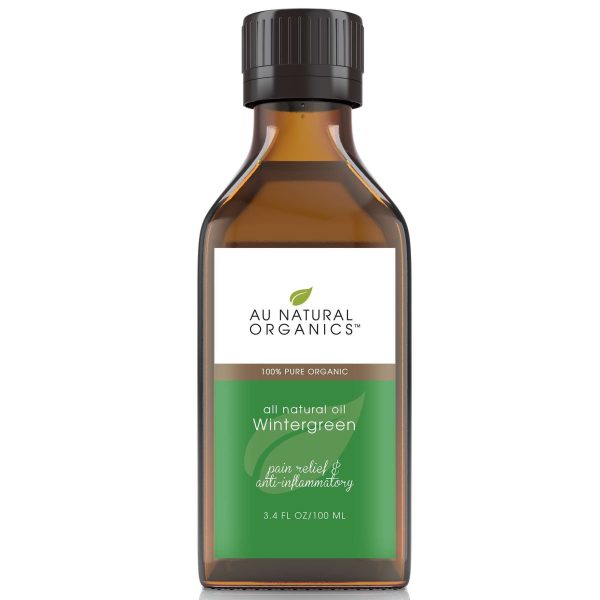
Find this ingredient in our collection.
Questions about Wintergreen
Where does Wintergreen come from?
Wintergreen leaf is typically gathered from wild shrubs. In Nepal and northern India, villagers in the middle hills cut the leafy branches of Gaultheria fragrantissima, usually in the drier months, and carry the leaf to small village stills. In North America, G. procumbens was once collected in the same way in New England and the Appalachians, though very little is distilled there today.
How is Wintergreen extracted?
Steam-distilled after water soaking. Fresh wintergreen leaves are cut, chopped and loaded into the still with warm water. The leaves are left to soak for several hours so a natural enzyme can split a glycoside and release methyl salicylate. Steam is then passed through the softened leaf, carrying the methyl salicylate out as vapour. The vapour is cooled, and the heavy oil sinks below the water in the separator, where it is drawn off and filtered.
Why is Wintergreen considered rare?
Wild wintergreen grows as a low forest shrub, so collecting enough leaf takes time. The oil only forms after soaking and fermentation, and much of the true leaf oil has been replaced on the market by synthetic methyl salicylate or sweet birch oil.