
Description
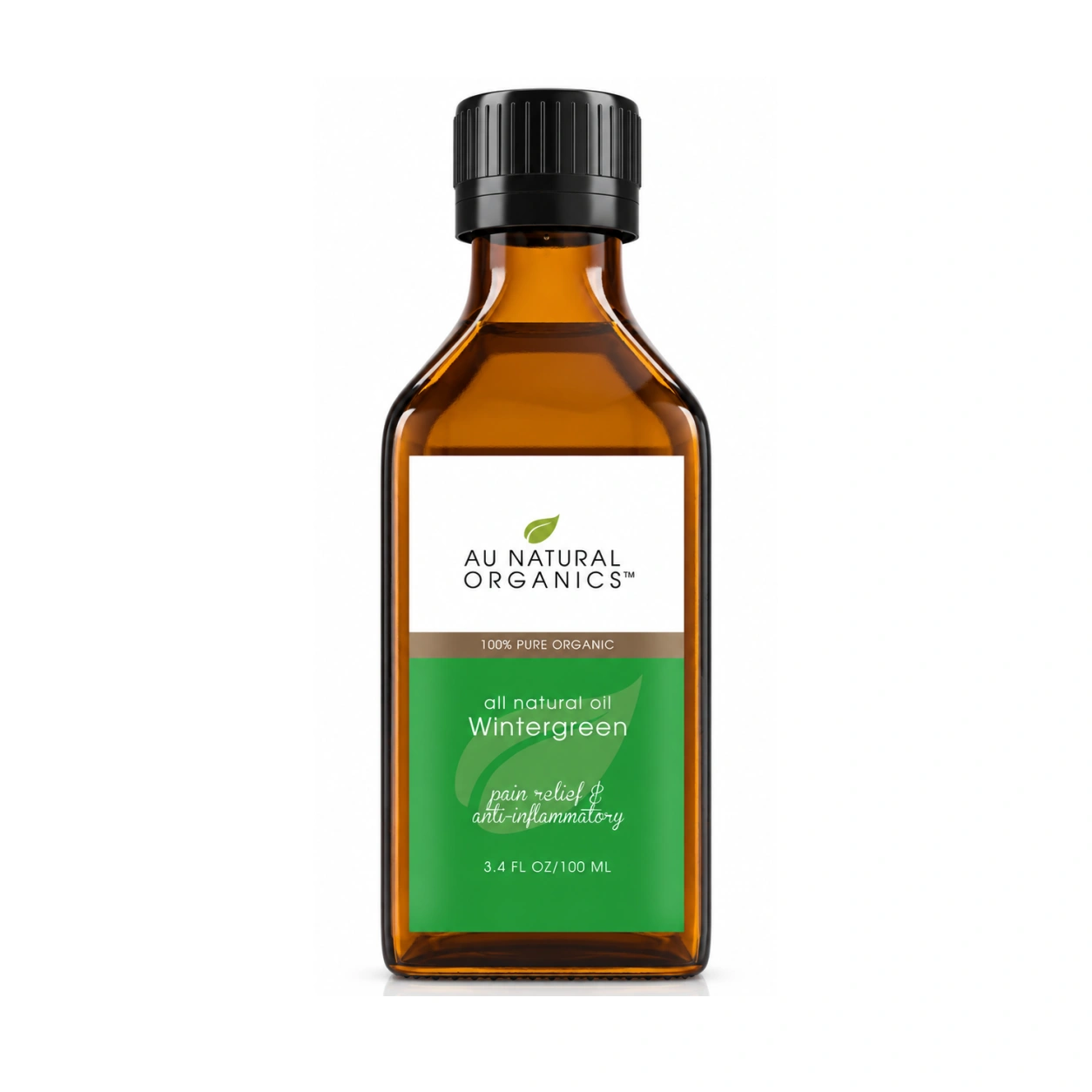
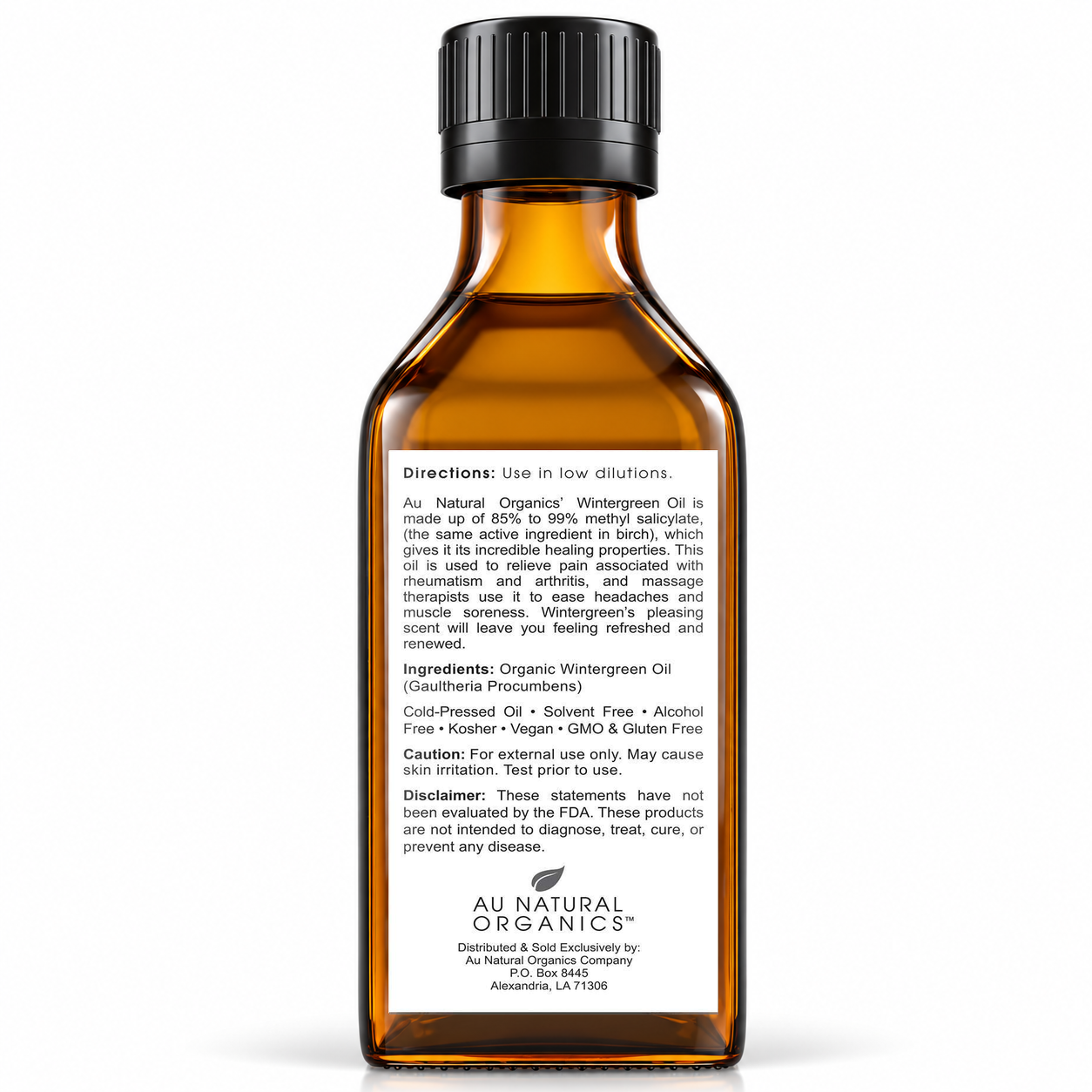
Wintergreen, also called eastern teaberry or checkerberry, is a creeping evergreen shrub of the heath family, only 10 to 15 centimetres tall, native to the forests of eastern North America. Its oil does not exist in the fresh leaf. The leaves are first soaked in warm water, which lets a natural enzyme release methyl salicylate, and only then are they steam-distilled. The oil is pale yellow to pinkish and smells strongly sweet and minty, the flavour many people know from chewing gum. It is almost entirely methyl salicylate, so it is used at very low levels.
Details
| Botanical name | Gaultheria procumbens (wintergreen) |
|---|---|
| Origin | North America, Himalaya |
| Part used | Leaves |
| Extraction | Steam-distilled after soaking |
| Aroma | Sweet, minty, sharp |
| Ingredients | 100% Gaultheria procumbens leaf oil |
Why supply is limited: wild wintergreen is a low forest shrub, so collecting enough leaf takes time, and much of the market has been replaced by synthetic methyl salicylate.
How to use
- Massage balm: add no more than 1 drop to a tablespoon (15ml) of carrier oil or balm for scent.
- Soap: use at a very low rate in soap recipes.
- Blends: pair with peppermint, eucalyptus or lavender in small amounts.
Essential oils are concentrated. Always dilute before use on skin, patch test first, keep away from eyes and out of reach of children, and do not take internally. If you are pregnant or nursing, check with your doctor before use. Do not use on children or on anyone sensitive to aspirin or taking blood-thinning medicine. Never take by mouth.
FAQs
Why does wintergreen smell like chewing gum?
Its main component, methyl salicylate, is the classic wintergreen flavour used in gum and root beer.
How much should I use?
Very little. One drop per tablespoon (15ml) of carrier is enough.
Is it safe for children?
No. Keep wintergreen oil away from children and store it out of reach.
Reviews