The Ingredient Library
Tamanu
Calophyllum inophyllum
Tamanu oil is pressed from the kernels of a coastal tree of the South Pacific, Madagascar and Southeast Asia, and the nuts must dry for weeks before they give up their thick green oil.
Get to know tamanu oil
- Source
- Dried nut kernel
- Origin
- Pacific, Madagascar, Asia
- Extraction
- Cold-pressed
- Texture
- Thick, rich, green
What it is
Tamanu is a rich plant butter used in body and hair care.
Why it belongs in your routine
Thick dark green oil from sun-dried nuts of a Pacific coastal tree.
How to use
Warm a small amount between your fingertips until it melts, then apply to dry areas.
Where does tamanu oil come from?
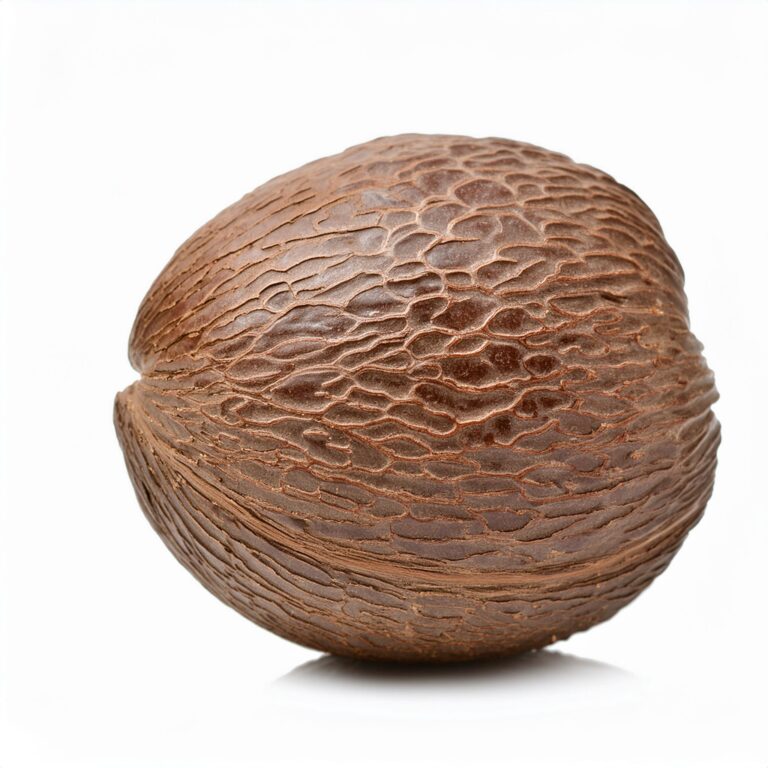
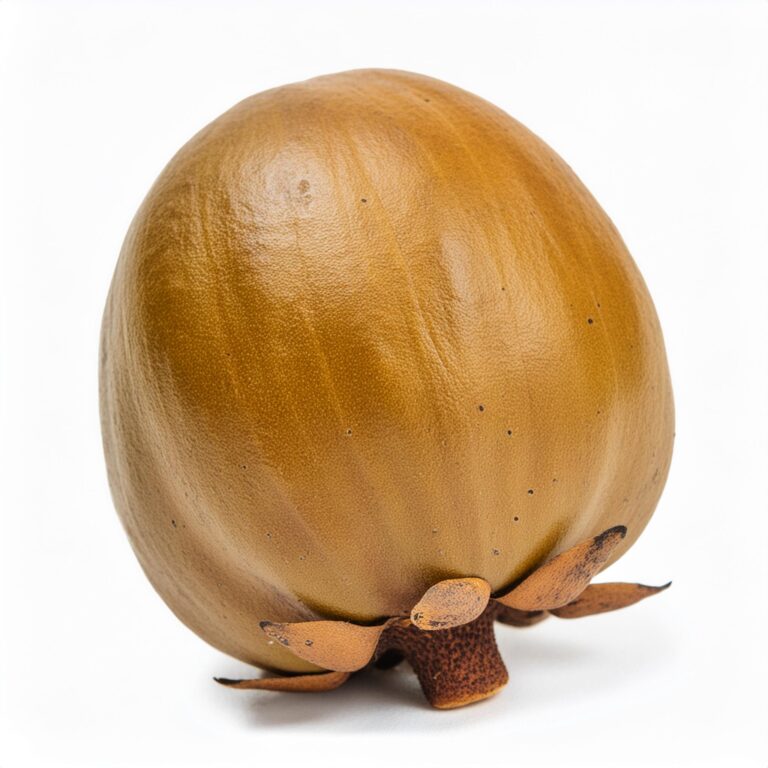
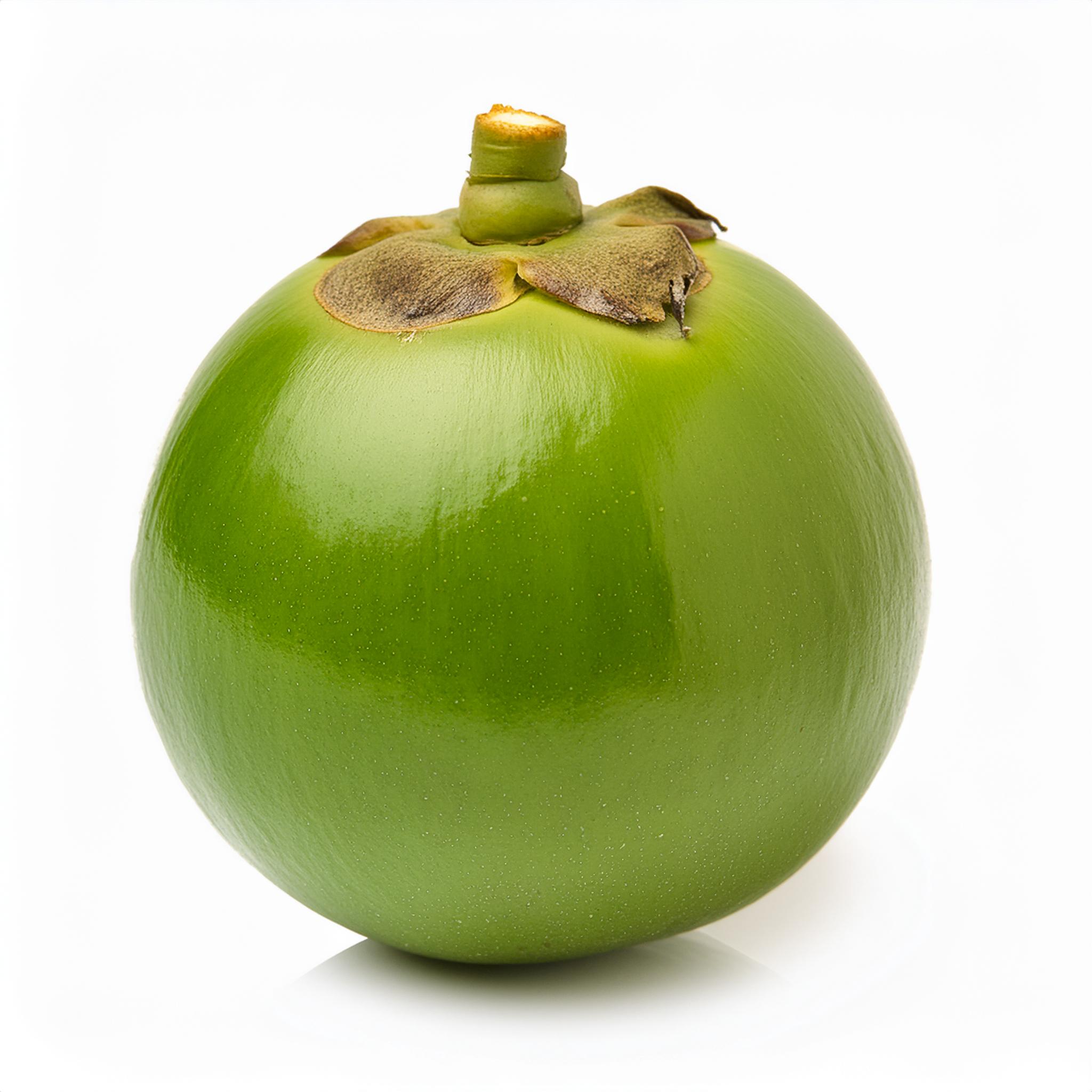
Tamanu, also known as foraha in Madagascar and kamani in Hawaii, is a broad, slow-growing evergreen that reaches around 20 metres. It grows along sandy coasts and lagoons from East Africa and Madagascar through India and Southeast Asia to Polynesia. It has glossy oval leaves, fragrant white flowers and round green fruits the size of a golf ball, each with a hard shell around a single pale kernel.
Tamanu oil is thick and dark green to greenish brown, with a strong nutty, slightly spicy smell. It contains oleic and linoleic acids along with calophyllolide and other resinous compounds that give it its colour and scent. It feels rich and is typically used in balms, body butters, hair oils and blends, often diluted with a lighter oil. The oil is also combined with other butters to make tamanu body butter.
Sourcing & extraction
How tamanu oil is sourced and extracted
Why it is rare
Fresh tamanu kernels are pale and hold little oil. They must dry for four to eight weeks before the oil content develops, and even then a large amount of fruit is needed for a small amount of oil. Almost all fruit is collected from scattered wild or village trees.
How it is gathered
In Polynesia, Vanuatu, Madagascar and parts of Southeast Asia, tamanu fruits are typically collected by hand from the ground under coastal trees, often by village families alongside other work. The nuts are cracked open and the kernels are laid out on racks in the shade or under cover, where they slowly dry and turn from pale to dark brown and sticky. Only then are they taken to small local presses.
How it is made
Cold-pressed from dried kernels
- Fallen tamanu fruits are collected, and the hard shells are cracked open to release the pale inner kernels.
- The kernels are dried on racks for several weeks until they darken to brown and become sticky with oil.
- The dried kernels are fed into a cold press, which squeezes out a thick, dark green oil without added heat.
- The oil is left to settle and is then filtered, which removes sediment while keeping its natural colour and scent.
How to use tamanu oil
- Scoop a small amount and warm it between your fingertips.
- Massage into dry areas such as elbows, hands and feet, or the ends of your hair.
- Use it as a base for homemade balms and body butters.
For external use only. Patch test on a small area before first use and stop if irritation occurs. If you are pregnant, nursing or have a medical condition, ask a healthcare professional before use.
From ingredient to routine
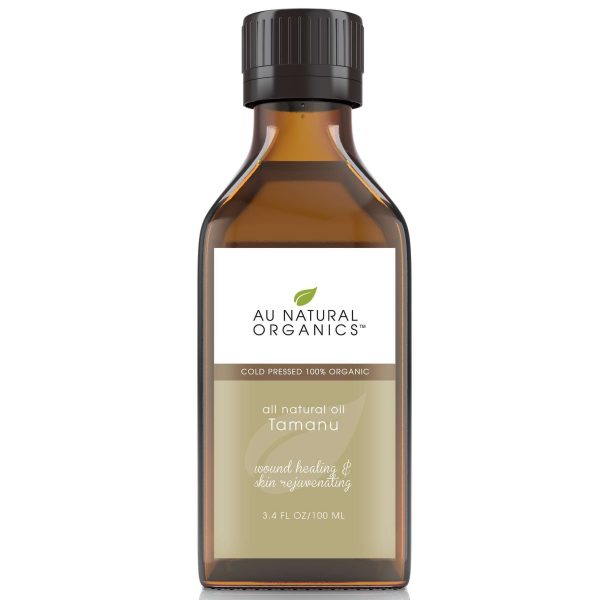
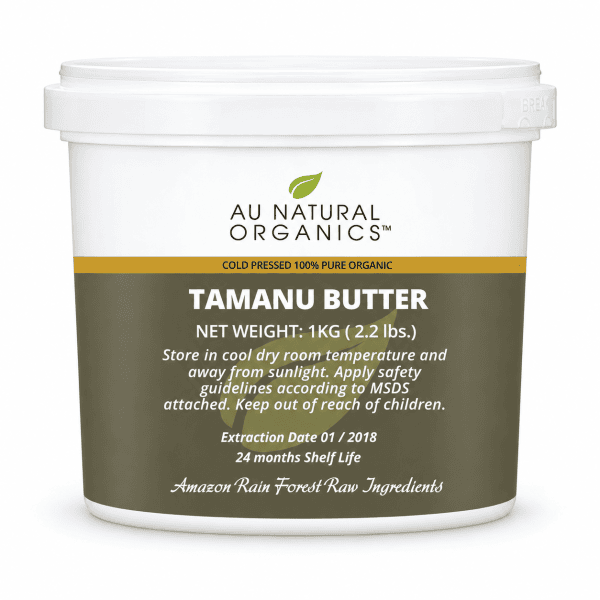
Products with Tamanu
Find this ingredient in our collection.


Questions about Tamanu
Where does Tamanu come from?
In Polynesia, Vanuatu, Madagascar and parts of Southeast Asia, tamanu fruits are typically collected by hand from the ground under coastal trees, often by village families alongside other work. The nuts are cracked open and the kernels are laid out on racks in the shade or under cover, where they slowly dry and turn from pale to dark brown and sticky. Only then are they taken to small local presses.
How is Tamanu extracted?
Cold-pressed from dried kernels. Fallen tamanu fruits are collected, and the hard shells are cracked open to release the pale inner kernels. The kernels are dried on racks for several weeks until they darken to brown and become sticky with oil. The dried kernels are fed into a cold press, which squeezes out a thick, dark green oil without added heat. The oil is left to settle and is then filtered, which removes sediment while keeping its natural colour and scent.
Why is Tamanu considered rare?
Fresh tamanu kernels are pale and hold little oil. They must dry for four to eight weeks before the oil content develops, and even then a large amount of fruit is needed for a small amount of oil. Almost all fruit is collected from scattered wild or village trees.