The Ingredient Library
Bacuri
Platonia insignis
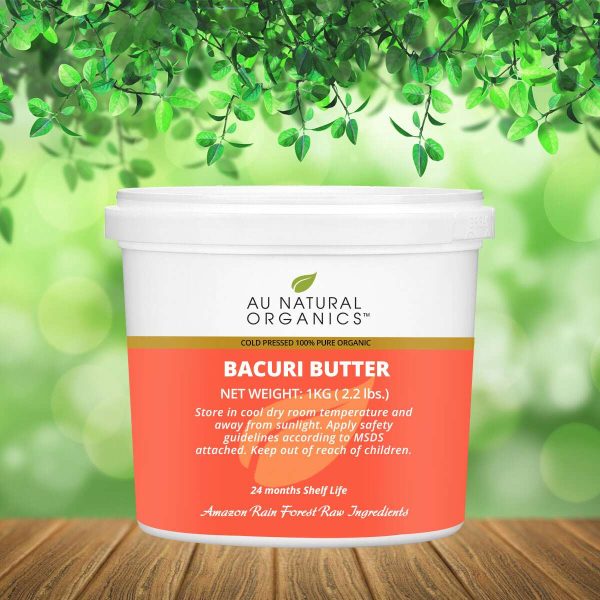
Bacuri butter is a dark, soft fat taken from the seeds of the bacuri fruit, gathered from wild trees in the Amazon estuary and northeast Brazil where the fruit falls when ripe.
Get to know Bacuri
- Source
- Seed
- Origin
- Pará and Maranhão, Brazil
- Extraction
- Pressed from seed
- Texture
- Soft, firm, melts on skin
What it is
Bacuri is a rich plant butter used in body and hair care.
Why it belongs in your routine
Dark, softly firm seed butter from wild bacuri trees of the Brazilian Amazon.
How to use
Warm a small amount between your fingertips until it melts, then apply to dry areas.
Where Bacuri comes from
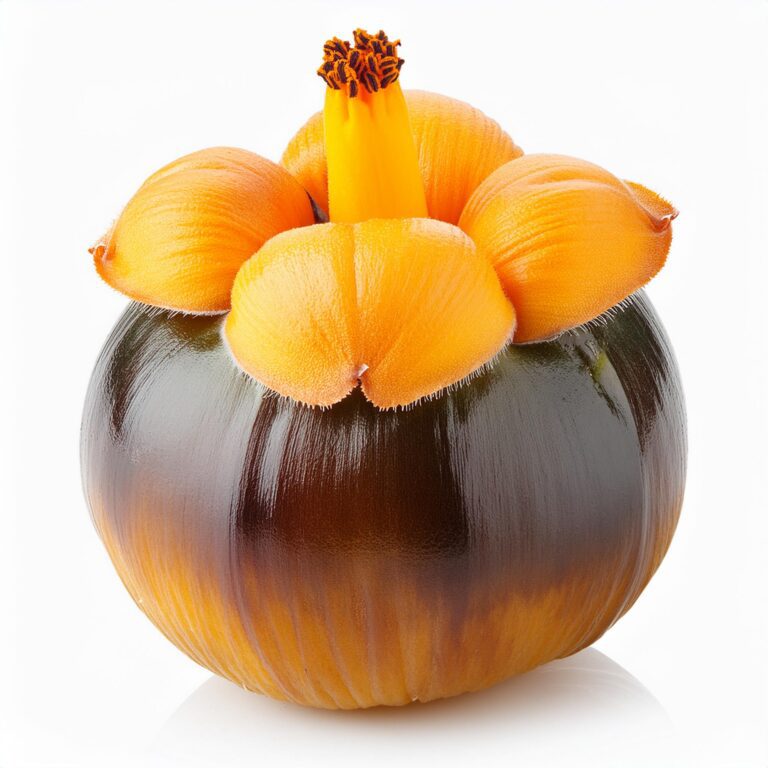
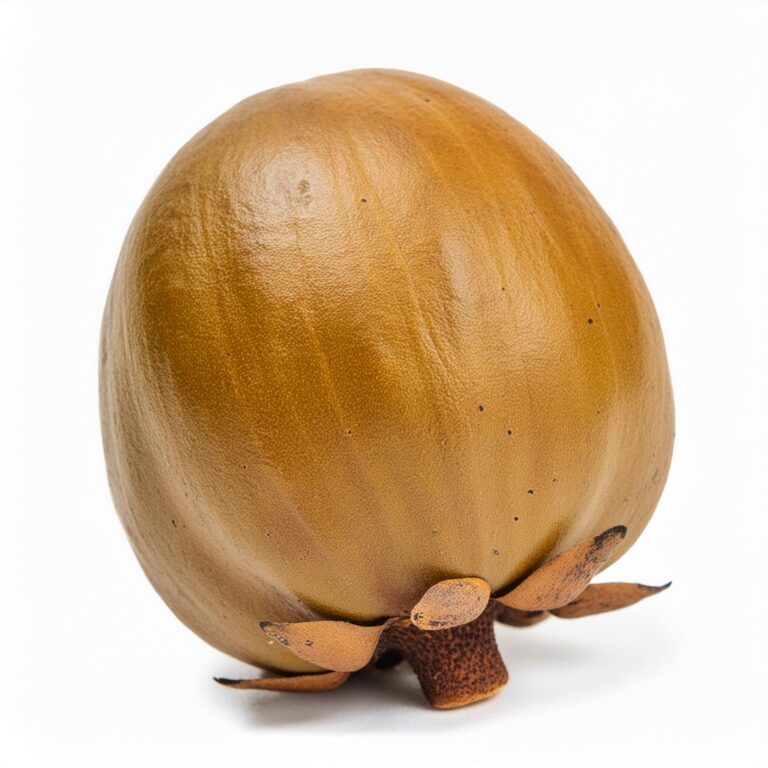
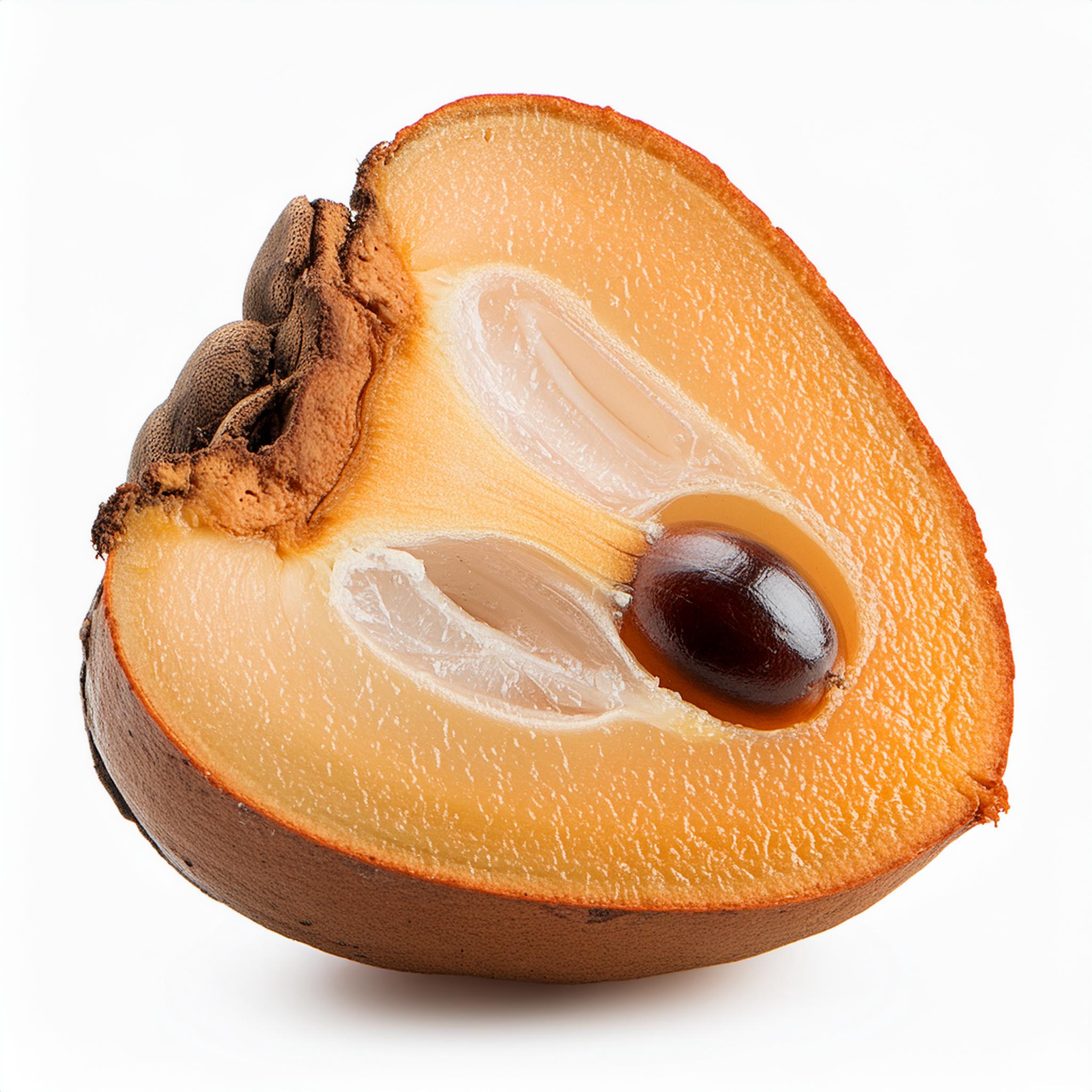
Bacuri, Platonia insignis, is a tall tree of the mangosteen family, Clusiaceae, native to the eastern Amazon. It is most common around the Amazon estuary and in the Brazilian states of Pará, Maranhão and Piauí, and grows both wild and in small orchards. The round yellow fruit has a thick rind and white, sweet-sour pulp that is highly valued in Brazilian ice creams and juices. Inside are one to several large, oily brown seeds.
Bacuri butter is dark brown to reddish brown with an earthy, slightly smoky smell. Its seeds contain roughly a third fat, rich in palmitic and oleic acid with some linoleic and stearic acid. The butter is firm in the jar but softens quickly on contact with the skin and absorbs well. It is used in body butters, soaps, lip balms and hair masks.
Sourcing & extraction
How Bacuri is sourced and extracted
Why it is rare
Bacuri fruit is gathered mostly from wild and semi-wild trees rather than plantations, and much of the harvest goes to the local pulp trade. Only the seeds left over are used for butter, and they are processed on a small scale, so volumes are low.
How it is gathered
Bacuri fruit is not usually picked from the tree. It drops when ripe, and rural families in Pará, Maranhão and Piauí collect it from the ground during the fruiting season in the first months of the year. The fruit is opened and the pulp scooped out for sale, leaving the seeds. These are washed and dried, then taken to small local presses or community processors, where the butter is extracted.
How it is made
Pressed from dried seeds
- Seeds left after the pulp is removed are washed and spread to dry until they harden.
- The dried seeds are broken up and warmed to soften the fat inside them.
- The seed material is pressed to release a dark, thick fat that sets as it cools.
- The butter is filtered while still warm to remove seed particles, then poured and left to solidify.
How to use Bacuri
- Scoop a small amount and warm it between your fingertips.
- Massage into dry areas such as elbows, hands and feet, or the ends of your hair.
- Use it as a base for homemade balms and body butters.
For external use only. Patch test on a small area before first use and stop if irritation occurs. If you are pregnant, nursing or have a medical condition, ask a healthcare professional before use.
From ingredient to routine
Products with Bacuri
Find this ingredient in our collection.
Questions about Bacuri
Where does Bacuri come from?
Bacuri fruit is not usually picked from the tree. It drops when ripe, and rural families in Pará, Maranhão and Piauí collect it from the ground during the fruiting season in the first months of the year. The fruit is opened and the pulp scooped out for sale, leaving the seeds. These are washed and dried, then taken to small local presses or community processors, where the butter is extracted.
How is Bacuri extracted?
Pressed from dried seeds. Seeds left after the pulp is removed are washed and spread to dry until they harden. The dried seeds are broken up and warmed to soften the fat inside them. The seed material is pressed to release a dark, thick fat that sets as it cools. The butter is filtered while still warm to remove seed particles, then poured and left to solidify.
Why is Bacuri considered rare?
Bacuri fruit is gathered mostly from wild and semi-wild trees rather than plantations, and much of the harvest goes to the local pulp trade. Only the seeds left over are used for butter, and they are processed on a small scale, so volumes are low.