The Ingredient Library
Mafura
Trichilia emetica
Mafura butter comes from the oily seeds of the Natal mahogany, a shady African tree common in coastal Mozambique, whose black seeds are wrapped in a bright red coat.

Get to know Mafura
- Source
- Seed
- Origin
- Mozambique, S. Africa
- Extraction
- Pressed from seed
- Texture
- Soft, rich, low melt
What it is
Mafura is a rich plant butter used in body and hair care.
Why it belongs in your routine
Soft, golden butter from the seeds of the African Natal mahogany.
How to use
Warm a small amount between your fingertips until it melts, then apply to dry areas.
Where Mafura comes from
Trichilia emetica, known as Natal mahogany or Cape mahogany, is an evergreen tree of eastern and southern Africa that often grows along rivers and in coastal bush from Mozambique to KwaZulu-Natal. It has a wide, dense crown of glossy dark leaves. The round fruit splits into three to reveal black seeds almost covered in a bright red aril, a combination that makes the tree easy to spot when fruiting.
Mafura butter is pale golden to tan and soft at room temperature, melting at around body temperature, so it spreads easily on the skin. It is mainly made of palmitic and oleic acids, and has a light earthy scent. In southern Mozambique it has long been rubbed into hair and skin and used for soap and candles, and today it is used in body butters, lip balms and hair creams.
Sourcing & extraction
How Mafura is sourced and extracted
Why it is rare
The seeds are collected from wild trees, not orchards, and only once a year. Each fruit holds just a few seeds, and the butter is mostly made by small rural producers, so annual volumes stay small and depend on how well the trees fruit.
How it is gathered
In Mozambique and north-eastern South Africa, the seeds are usually gathered from the ground or picked from wild trees by rural women working in groups, after the fruits split open in summer and autumn. The seeds are dried, cleaned of the red aril and husk, and taken to local processors. Traditionally the fat was obtained by boiling the seeds and skimming the oil; today most is mechanically pressed.
How it is made
Pressed from dried seeds
- Fallen or ripe seeds are collected from wild Natal mahogany trees once the fruit capsules have split open.
- The seeds are sun-dried and cleaned, and the outer coverings are separated from the fatty seed.
- The dried seeds are ground and pressed in a screw press to release the thick, golden fat.
- The fat is filtered while warm and poured off to cool, setting into a soft butter.
How to use Mafura
- Scoop a small amount and warm it between your fingertips.
- Massage into dry areas such as elbows, hands and feet, or the ends of your hair.
- Use it as a base for homemade balms and body butters.
For external use only. Patch test on a small area before first use and stop if irritation occurs. If you are pregnant, nursing or have a medical condition, ask a healthcare professional before use.
From ingredient to routine
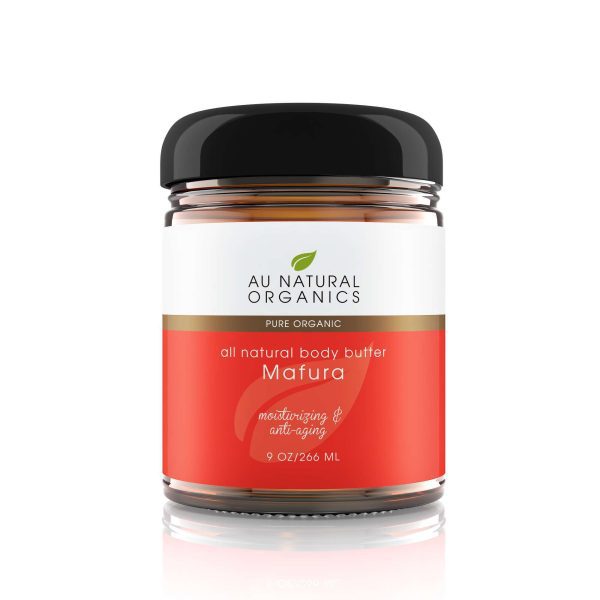
Products with Mafura
Find this ingredient in our collection.
Questions about Mafura
Where does Mafura come from?
In Mozambique and north-eastern South Africa, the seeds are usually gathered from the ground or picked from wild trees by rural women working in groups, after the fruits split open in summer and autumn. The seeds are dried, cleaned of the red aril and husk, and taken to local processors. Traditionally the fat was obtained by boiling the seeds and skimming the oil; today most is mechanically pressed.
How is Mafura extracted?
Pressed from dried seeds. Fallen or ripe seeds are collected from wild Natal mahogany trees once the fruit capsules have split open. The seeds are sun-dried and cleaned, and the outer coverings are separated from the fatty seed. The dried seeds are ground and pressed in a screw press to release the thick, golden fat. The fat is filtered while warm and poured off to cool, setting into a soft butter.
Why is Mafura considered rare?
The seeds are collected from wild trees, not orchards, and only once a year. Each fruit holds just a few seeds, and the butter is mostly made by small rural producers, so annual volumes stay small and depend on how well the trees fruit.