The Ingredient Library
Oregano
Origanum vulgare
Oregano essential oil is steam-distilled from the flowering tops of wild and cultivated oregano, mainly on the dry hillsides of Turkey and Greece. It is rich in the aromatic compound carvacrol.
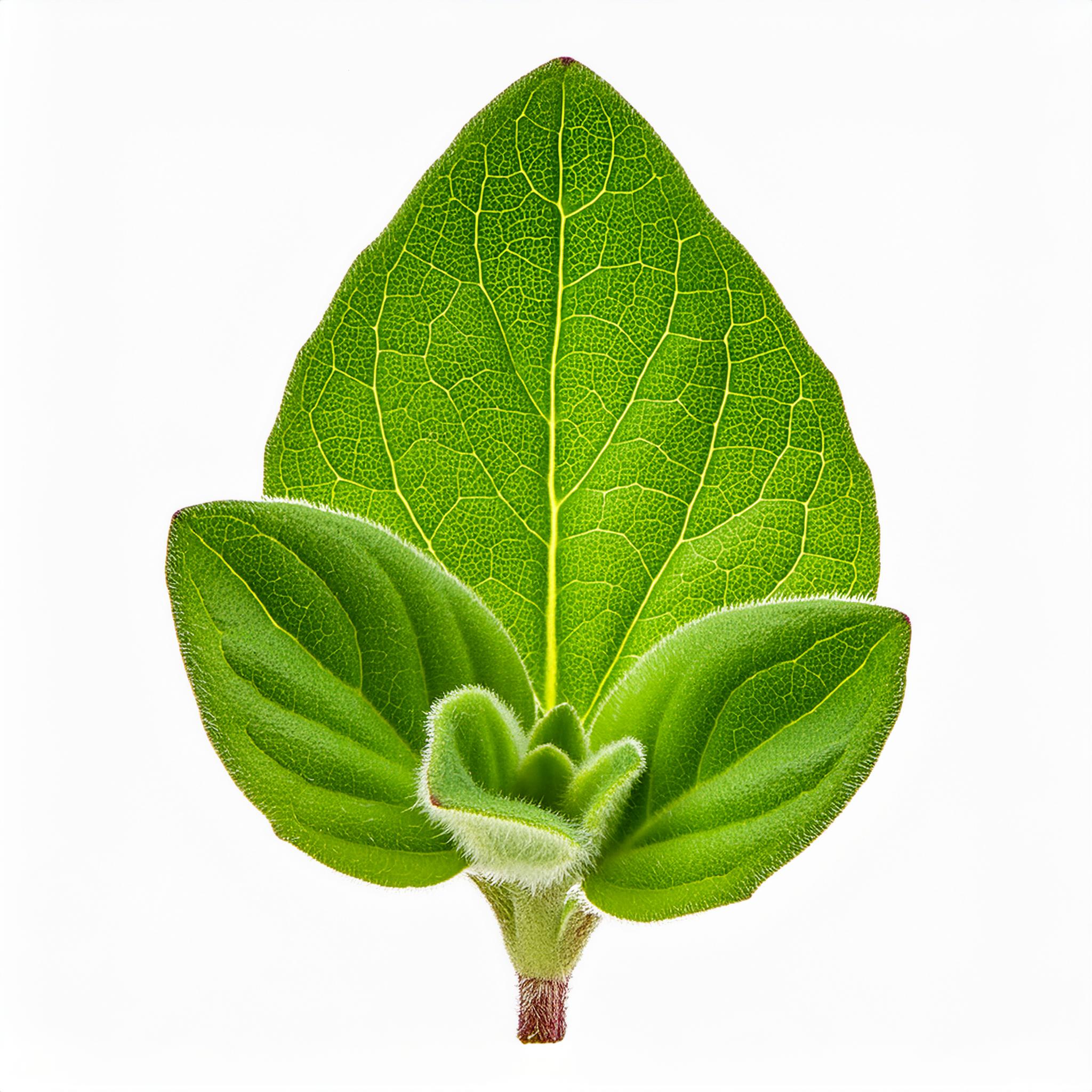
Get to know oregano essential oil
- Source
- Flowering herb
- Origin
- Turkey, Greece
- Extraction
- Steam distillation
- Aroma
- Hot, spicy, herbaceous
What it is
Oregano is an aromatic essential oil distilled from the plant.
Why it belongs in your routine
Hot, herbal and spicy oil distilled from flowering Mediterranean oregano.
How to use
Always dilute in a carrier oil before it touches skin. Never use undiluted. Patch test first.
Where does oregano essential oil come from?
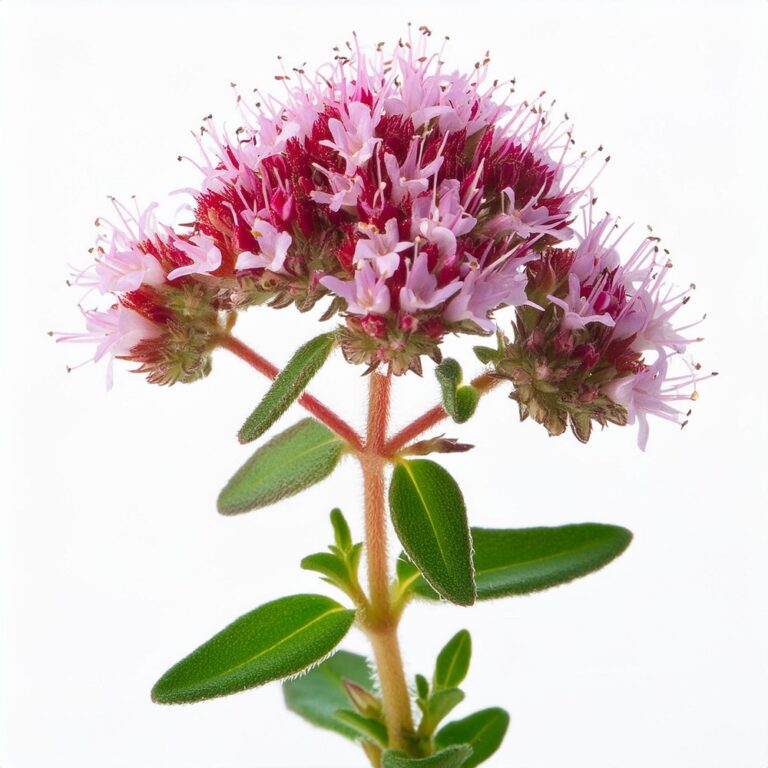
Oregano essential oil comes from Origanum vulgare, a bushy perennial herb of the mint family that grows 30 to 80 cm tall on sunny, stony slopes around the Mediterranean. It has small oval leaves and clusters of pink to white flowers in summer. Turkey is the world's largest exporter of dried oregano, and Greece and the Balkans also supply the herb for distillation.
The oil is pale yellow to amber, with a hot, spicy, herbal scent. Its main component is usually carvacrol, often well over half of the oil, with thymol, p-cymene and gamma-terpinene in smaller amounts. It is strong and must be well diluted. It appears in small amounts in soaps, household cleaning blends and herbal perfume accords.
Sourcing & extraction
How oregano essential oil is sourced and extracted
Why it is rare
Much oregano oil comes from plants gathered on wild hillsides, so supply depends on the season's rain and on collectors. The carvacrol content changes with species, soil and altitude, so distillers select plant stands carefully to keep the oil consistent.
How it is gathered
In Turkey and Greece oregano is both cultivated in fields and gathered from the wild on dry, rocky hillsides. The plants are usually cut in early to mid summer, when they are in full flower and the leaves hold the most oil. Collectors and farmers cut the stems by hand or by machine, tie them into bundles and often dry them partly in the shade. The herb is then taken to local distilleries, commonly in the Aegean and Mediterranean regions.
How it is made
Steam-distilled from flowering tops
- Flowering oregano stems are cut in summer and partly dried in the shade to reduce their water content.
- The herb is packed into a still, and steam is passed through it to release the aromatic oil from the leaf glands.
- The steam and oil vapour are cooled in a condenser, and the oil separates from the water in a collecting vessel.
- The oil is drawn off, filtered and tested for its carvacrol content before bottling.
How to use oregano essential oil
- Add a few drops to a diffuser for its aroma.
- For skin, dilute 1 to 2 drops in a teaspoon of carrier oil before applying.
- Keep away from eyes and never use undiluted on skin.
For external use only. Patch test on a small area before first use and stop if irritation occurs. If you are pregnant, nursing or have a medical condition, ask a healthcare professional before use.
From ingredient to routine
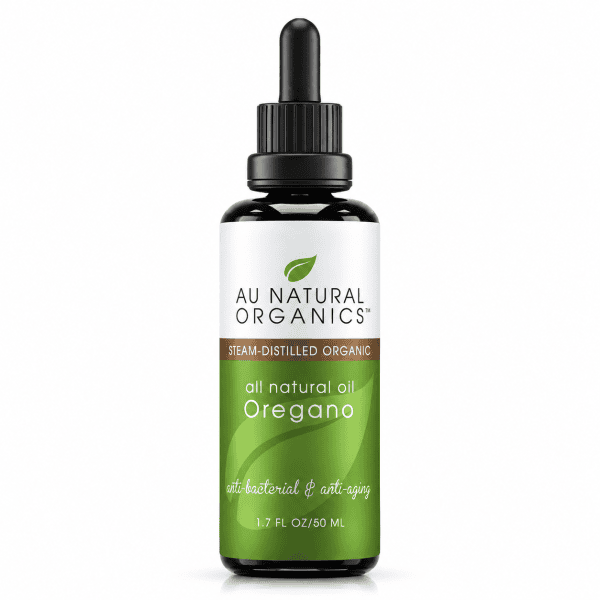
Products with Oregano
Find this ingredient in our collection.
Questions about Oregano
Where does Oregano come from?
In Turkey and Greece oregano is both cultivated in fields and gathered from the wild on dry, rocky hillsides. The plants are usually cut in early to mid summer, when they are in full flower and the leaves hold the most oil. Collectors and farmers cut the stems by hand or by machine, tie them into bundles and often dry them partly in the shade. The herb is then taken to local distilleries, commonly in the Aegean and Mediterranean regions.
How is Oregano extracted?
Steam-distilled from flowering tops. Flowering oregano stems are cut in summer and partly dried in the shade to reduce their water content. The herb is packed into a still, and steam is passed through it to release the aromatic oil from the leaf glands. The steam and oil vapour are cooled in a condenser, and the oil separates from the water in a collecting vessel. The oil is drawn off, filtered and tested for its carvacrol content before bottling.
Why is Oregano considered rare?
Much oregano oil comes from plants gathered on wild hillsides, so supply depends on the season's rain and on collectors. The carvacrol content changes with species, soil and altitude, so distillers select plant stands carefully to keep the oil consistent.