The Ingredient Library
Yuzu Fruit
Citrus junos
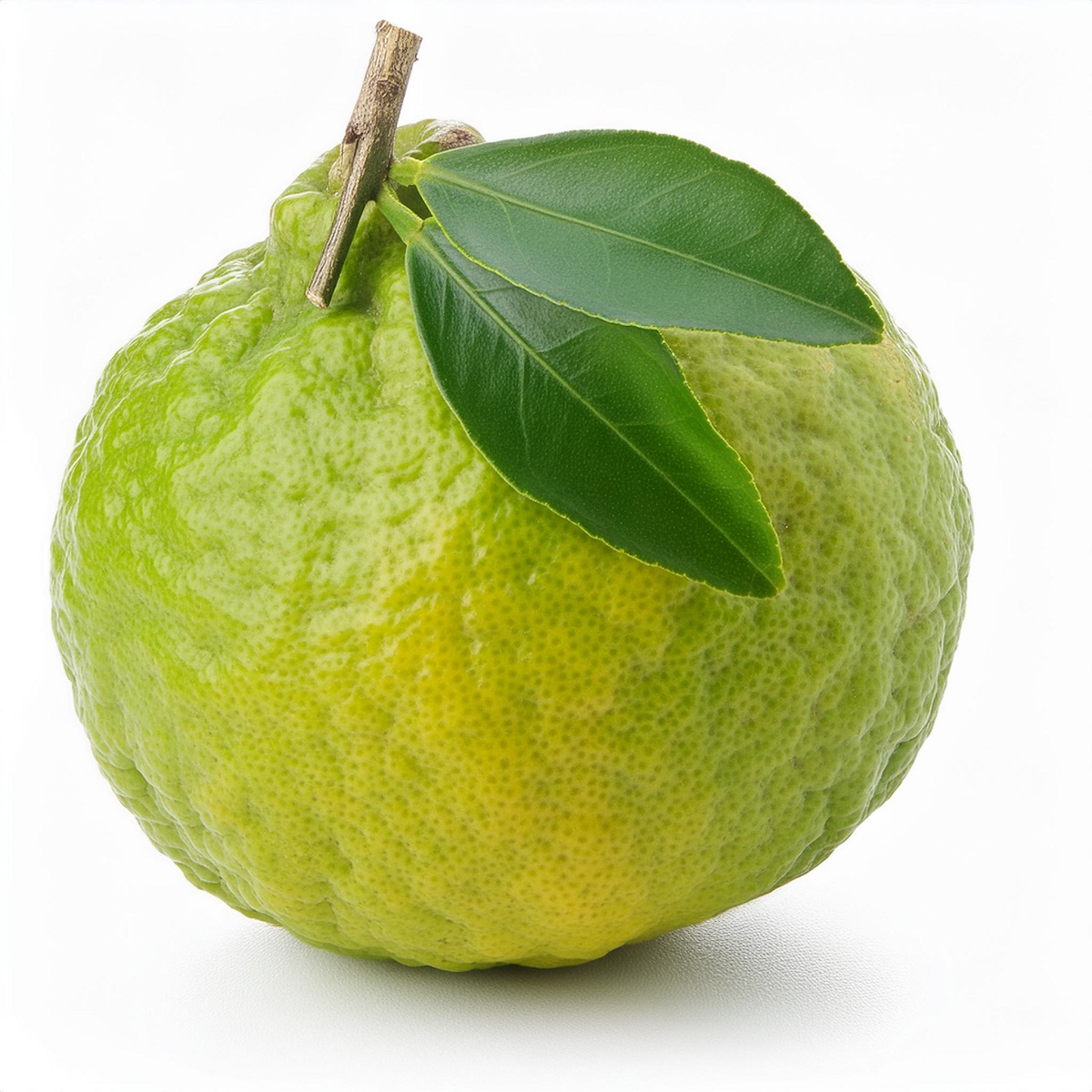
Yuzu essential oil is cold-expressed from the bumpy yellow peel of the yuzu, a hardy citrus grown mainly in Kochi Prefecture in Japan, where the fruit is harvested in autumn and early winter.
Get to know Yuzu Fruit
- Source
- Fruit peel
- Origin
- Japan (Kochi) and Korea
- Extraction
- Cold-expressed
- Aroma
- Tart, floral citrus
What it is
Yuzu Fruit is an aromatic essential oil distilled from the plant.
Why it belongs in your routine
Bright citrus oil pressed from the peel of Japanese yuzu fruit.
How to use
Always dilute in a carrier oil before it touches skin. Never use undiluted. Patch test first.
Where Yuzu Fruit comes from
Yuzu is a small, thorny citrus tree thought to be a hybrid of mandarin and an ichang papeda, originally from central China. It is one of the most cold-hardy citrus trees and has been grown in Japan for over a thousand years, and it is also grown in South Korea. The fruit is about the size of a mandarin, with thick, uneven yellow skin and many seeds but little juice.
Yuzu oil is pale yellow with a tart, fresh citrus scent that sits between grapefruit and mandarin, with a floral edge. Like most peel oils it is mostly limonene, with gamma-terpinene, linalool and small amounts of compounds typical of yuzu. It is used in perfume, soaps, bath products and room sprays. Yuzu peel powder is the dried, milled rind, used in masks, scrubs and soaps.
Sourcing & extraction
How Yuzu Fruit is sourced and extracted
Why it is rare
Yuzu trees are slow to fruit when grown from seed, and the fruits give very little juice or oil. Most production comes from small orchards in Japan's mountain valleys, and the harvest is limited to a short season in autumn and early winter.
How it is gathered
Yuzu comes chiefly from Kochi Prefecture on Shikoku island, which grows around half of Japan's yuzu, with more from Tokushima, Ehime and other hilly areas, and from South Korea. Farmers typically pick the fruit by hand from October to December, first green and then fully yellow. The fruit goes to local processors, who press the juice for cooking and recover the oil from the peel.
How it is made
Cold-expressed from the peel
- Ripe yuzu fruits are picked by hand in autumn and washed at a local processing plant.
- The peel is pressed or rasped mechanically, rupturing the tiny oil glands in the rind without heat.
- The oil is washed off with water, then separated from the emulsion in a centrifuge and filtered.
- Leftover peel can be dried and milled into yuzu peel powder, while the oil is bottled in dark glass.
How to use Yuzu Fruit
- Add a few drops to a diffuser for its aroma.
- For skin, dilute 1 to 2 drops in a teaspoon of carrier oil before applying.
- Keep away from eyes and never use undiluted on skin.
For external use only. Patch test on a small area before first use and stop if irritation occurs. If you are pregnant, nursing or have a medical condition, ask a healthcare professional before use.
From ingredient to routine
Products with Yuzu Fruit
Find this ingredient in our collection.


Questions about Yuzu Fruit
Where does Yuzu Fruit come from?
Yuzu comes chiefly from Kochi Prefecture on Shikoku island, which grows around half of Japan's yuzu, with more from Tokushima, Ehime and other hilly areas, and from South Korea. Farmers typically pick the fruit by hand from October to December, first green and then fully yellow. The fruit goes to local processors, who press the juice for cooking and recover the oil from the peel.
How is Yuzu Fruit extracted?
Cold-expressed from the peel. Ripe yuzu fruits are picked by hand in autumn and washed at a local processing plant. The peel is pressed or rasped mechanically, rupturing the tiny oil glands in the rind without heat. The oil is washed off with water, then separated from the emulsion in a centrifuge and filtered. Leftover peel can be dried and milled into yuzu peel powder, while the oil is bottled in dark glass.
Why is Yuzu Fruit considered rare?
Yuzu trees are slow to fruit when grown from seed, and the fruits give very little juice or oil. Most production comes from small orchards in Japan's mountain valleys, and the harvest is limited to a short season in autumn and early winter.