The Ingredient Library
Bergamot
Citrus bergamia
Bergamot essential oil is cold-expressed from the peel of a sour green citrus grown along a narrow coastal strip of Calabria in southern Italy, the source of most of the world's supply.

Get to know bergamot essential oil
- Source
- Fruit peel
- Origin
- Calabria, Italy
- Extraction
- Cold-expressed
- Aroma
- Fresh, citrus, floral
What it is
Bergamot is an aromatic essential oil distilled from the plant.
Why it belongs in your routine
Fresh citrus essential oil pressed from bergamot peel grown in Calabria.
How to use
Always dilute in a carrier oil before it touches skin. Never use undiluted. Patch test first.
Where does bergamot essential oil come from?
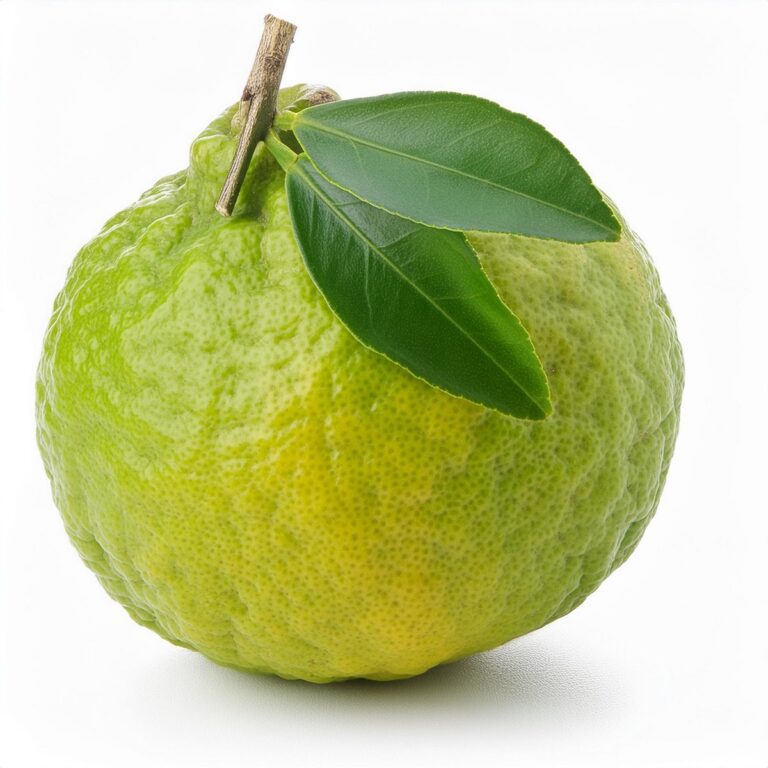
The bergamot orange, Citrus bergamia, is a small citrus tree, usually three to five metres tall, grown commercially almost only along the Ionian and Tyrrhenian coasts of the province of Reggio Calabria in southern Italy. Its round fruit is about the size of an orange, green ripening to yellow, with a sour, bitter pulp that is rarely eaten. The oil sits in tiny glands in the thin outer peel.
Bergamot essential oil is green to yellow-green with a bright, sharp citrus smell softened by a floral, slightly spicy note. Its main components are limonene, linalyl acetate and linalool. It is a classic ingredient in eau de cologne and Earl Grey tea, and is used in natural perfumes, soaps, room sprays and diffuser blends.
Sourcing & extraction
How bergamot essential oil is sourced and extracted
Why it is rare
Bergamot trees fruit well commercially in very few places, and Calabria's narrow coastal band produces most of the world's bergamot essential oil. The fruit has a short picking season, and each fruit holds only a small amount of oil in its peel.
How it is gathered
Bergamot is picked by hand in Calabrian groves from around November to March, while the fruit is still green or just turning yellow. Pickers work from ladders and fill crates that go to local processing plants within days. There the whole fruit is fed into machines that rasp the outer peel to release the oil, a mechanised version of the older method of pressing peel into natural sponges by hand.
How it is made
Cold-expressed from the peel
- Fresh bergamot fruit is washed and fed into machines with rasping rollers or spiked surfaces.
- The rollers break the tiny oil glands in the outer peel, and a spray of water rinses the oil away.
- The oil and water emulsion is spun in a centrifuge to separate the essential oil from the water.
- The oil is left to rest in cold conditions so waxes settle, then filtered and stored in the dark.
How to use bergamot essential oil
- Add a few drops to a diffuser for its aroma.
- For skin, dilute 1 to 2 drops in a teaspoon of carrier oil before applying.
- Keep away from eyes and never use undiluted on skin.
For external use only. Patch test on a small area before first use and stop if irritation occurs. If you are pregnant, nursing or have a medical condition, ask a healthcare professional before use.
From ingredient to routine
Products with Bergamot
Find this ingredient in our collection.


Questions about Bergamot
Where does Bergamot come from?
Bergamot is picked by hand in Calabrian groves from around November to March, while the fruit is still green or just turning yellow. Pickers work from ladders and fill crates that go to local processing plants within days. There the whole fruit is fed into machines that rasp the outer peel to release the oil, a mechanised version of the older method of pressing peel into natural sponges by hand.
How is Bergamot extracted?
Cold-expressed from the peel. Fresh bergamot fruit is washed and fed into machines with rasping rollers or spiked surfaces. The rollers break the tiny oil glands in the outer peel, and a spray of water rinses the oil away. The oil and water emulsion is spun in a centrifuge to separate the essential oil from the water. The oil is left to rest in cold conditions so waxes settle, then filtered and stored in the dark.
Why is Bergamot considered rare?
Bergamot trees fruit well commercially in very few places, and Calabria's narrow coastal band produces most of the world's bergamot essential oil. The fruit has a short picking season, and each fruit holds only a small amount of oil in its peel.