The Ingredient Library
Neroli
Citrus aurantium
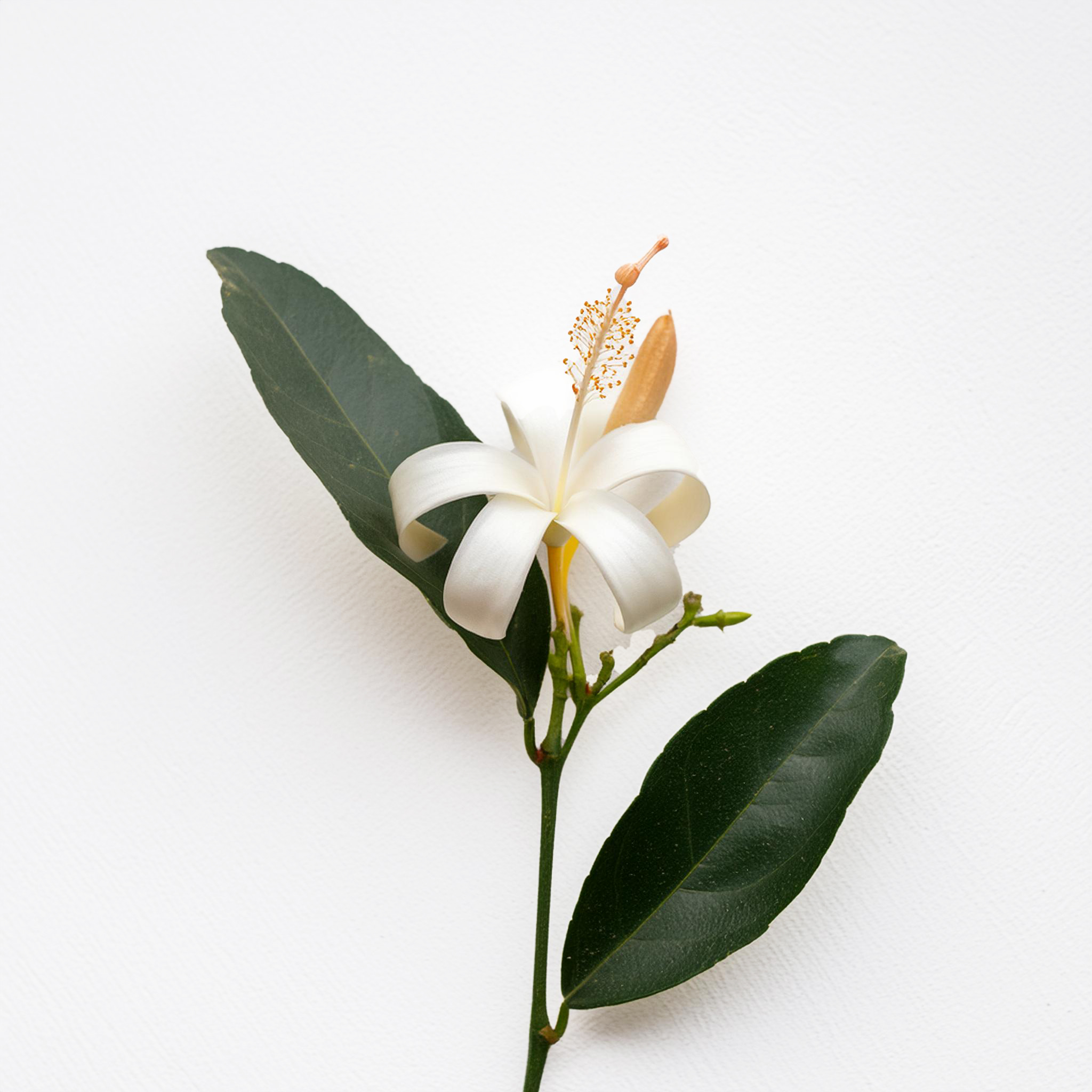
Neroli essential oil is steam-distilled from the white blossoms of the bitter orange tree, mostly in Tunisia, Morocco and Egypt. About a tonne of hand-picked flowers yields roughly one kilo of oil.
Get to know neroli essential oil
- Source
- Bitter orange blossom
- Origin
- Tunisia, Morocco, Egypt
- Extraction
- Steam distillation
- Aroma
- Floral, honeyed, citrus
What it is
Neroli is an aromatic essential oil distilled from the plant.
Why it belongs in your routine
Floral, green and citrus-bright oil distilled from bitter orange blossom.
How to use
Always dilute in a carrier oil before it touches skin. Never use undiluted. Patch test first.
Where does neroli essential oil come from?
Neroli essential oil is distilled from the flowers of the bitter orange, Citrus aurantium, an evergreen tree with glossy leaves and sour fruit that is grown around the Mediterranean. Tunisia's Cap Bon peninsula, around Nabeul, is one of the best-known growing areas, with further orchards in Morocco and Egypt. In spring the trees cover themselves in small, waxy white flowers with a heavy scent.
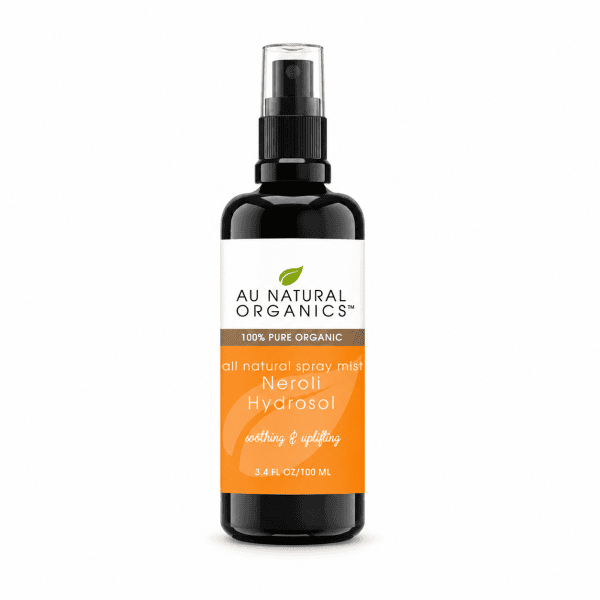
The oil is pale yellow and smells floral and honeyed with a fresh, slightly bitter green-citrus edge. Its main components include linalool, limonene and linalyl acetate. Perfumers use it in colognes and floral blends, and in skin care it is added in small amounts to face oils, creams and body products. Neroli hydrosol, collected from the same distillation, is used as a gentle floral toner.
Sourcing & extraction
How neroli essential oil is sourced and extracted
Why it is rare
The yield is very low: roughly 1,000 kg of fresh blossom gives about 1 kg of neroli oil. The flowers open over a few weeks in April and May and must be picked by hand and distilled within hours, so each year's output is limited.
How it is gathered
In Tunisia and Morocco the bitter orange blossom harvest usually runs from about mid-April into May. Pickers, often local women working family orchards, gather the flowers by hand in the morning, either plucking them or shaking them onto sheets spread under the trees. The blossoms are carried in sacks or crates to nearby distilleries the same day, because the petals bruise and lose their scent quickly. Distillers weigh each delivery and load the stills straight away.
How it is made
Steam-distilled from fresh blossom
- Freshly picked bitter orange blossoms are brought to the distillery on the day of harvest and loaded into large stills.
- Steam or boiling water passes through the flowers and draws out the volatile aromatic compounds.
- The scented vapour is condensed back into liquid, where neroli oil floats as a thin layer on top of the water.
- The oil is drawn off and filtered, and the floral water underneath is kept and sold as neroli hydrosol, also called orange flower water.
How to use neroli essential oil
- Add a few drops to a diffuser for its aroma.
- For skin, dilute 1 to 2 drops in a teaspoon of carrier oil before applying.
- Keep away from eyes and never use undiluted on skin.
For external use only. Patch test on a small area before first use and stop if irritation occurs. If you are pregnant, nursing or have a medical condition, ask a healthcare professional before use.
From ingredient to routine
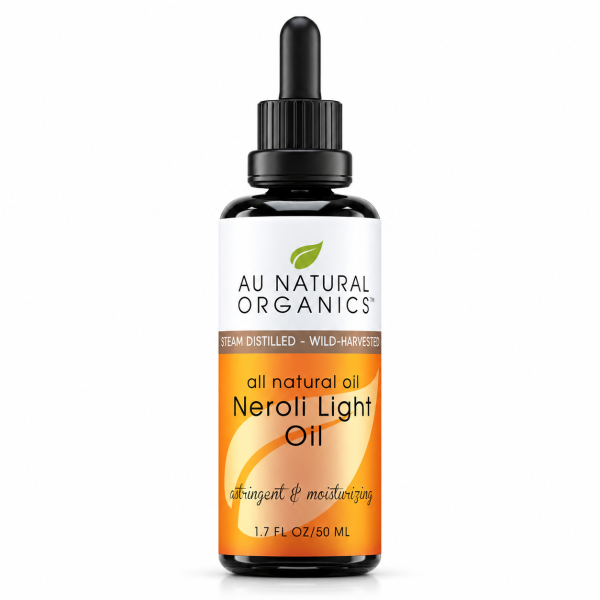
Products with Neroli
Find this ingredient in our collection.
Questions about Neroli
Where does Neroli come from?
In Tunisia and Morocco the bitter orange blossom harvest usually runs from about mid-April into May. Pickers, often local women working family orchards, gather the flowers by hand in the morning, either plucking them or shaking them onto sheets spread under the trees. The blossoms are carried in sacks or crates to nearby distilleries the same day, because the petals bruise and lose their scent quickly. Distillers weigh each delivery and load the stills straight away.
How is Neroli extracted?
Steam-distilled from fresh blossom. Freshly picked bitter orange blossoms are brought to the distillery on the day of harvest and loaded into large stills. Steam or boiling water passes through the flowers and draws out the volatile aromatic compounds. The scented vapour is condensed back into liquid, where neroli oil floats as a thin layer on top of the water. The oil is drawn off and filtered, and the floral water underneath is kept and sold as neroli hydrosol, also called orange flower water.
Why is Neroli considered rare?
The yield is very low: roughly 1,000 kg of fresh blossom gives about 1 kg of neroli oil. The flowers open over a few weeks in April and May and must be picked by hand and distilled within hours, so each year's output is limited.