The Ingredient Library
Helichrysum
Helichrysum italicum
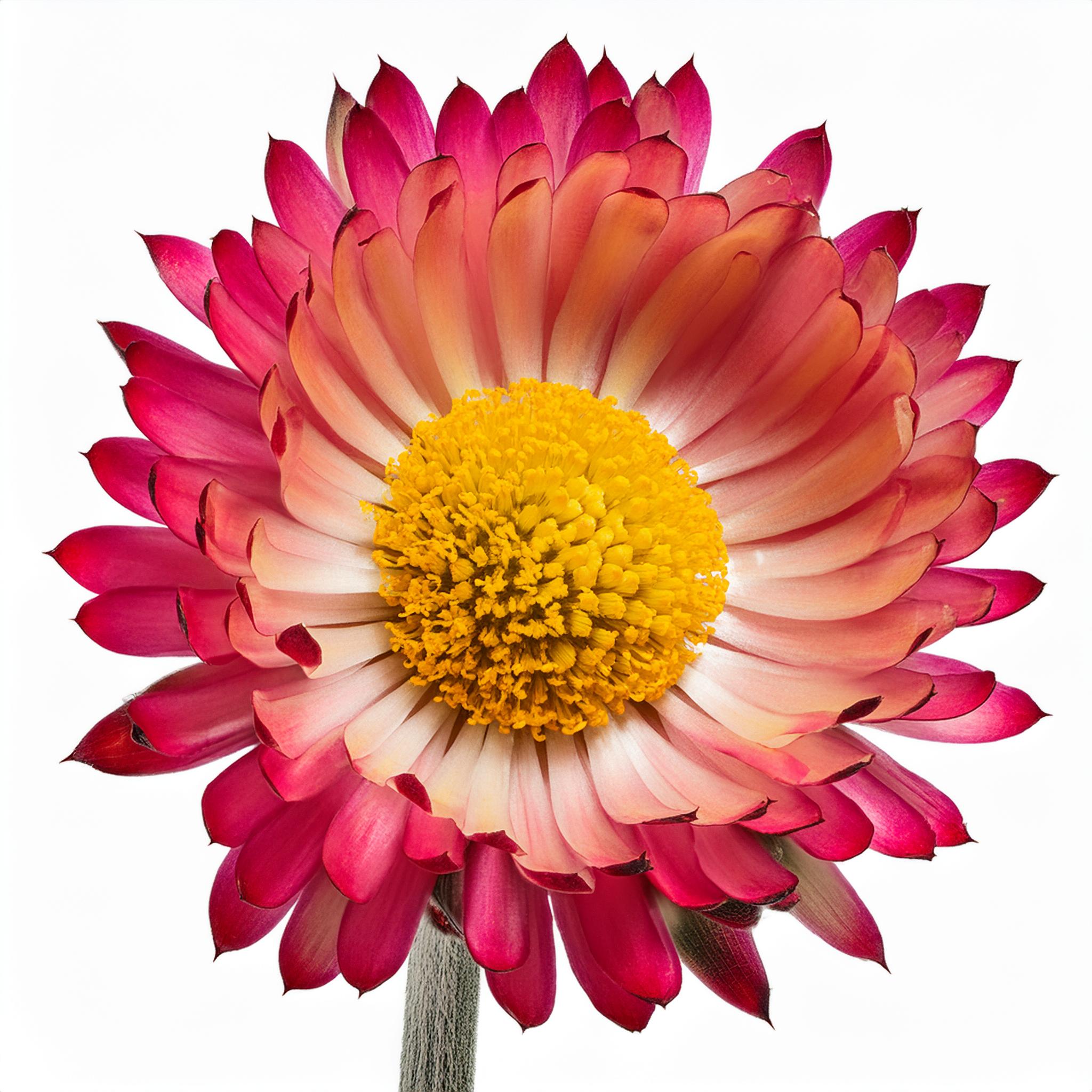
Helichrysum essential oil and hydrosol are distilled from the yellow flowering tops of immortelle, a small shrub of the Mediterranean coast. The flowers give very little oil, so supply stays small.
Get to know helichrysum essential oil
- Source
- Flowering tops
- Origin
- Corsica, Balkans
- Extraction
- Steam-distilled
- Aroma
- Honey, curry, herbal
What it is
Helichrysum is an aromatic essential oil distilled from the plant.
Why it belongs in your routine
Honeyed, herbal oil and hydrosol from Mediterranean immortelle flowers.
How to use
Always dilute in a carrier oil before it touches skin. Never use undiluted. Patch test first.
Where does helichrysum essential oil come from?
Helichrysum italicum, also called immortelle or the curry plant, is a small woody shrub of the daisy family, usually 30 to 60 cm tall, with narrow silver-grey leaves. It grows on dry, rocky slopes and sandy coasts around the Mediterranean, especially in Corsica and along the Adriatic coast of Croatia and Bosnia and Herzegovina. In summer it carries clusters of small golden flowers that keep their colour when dried.
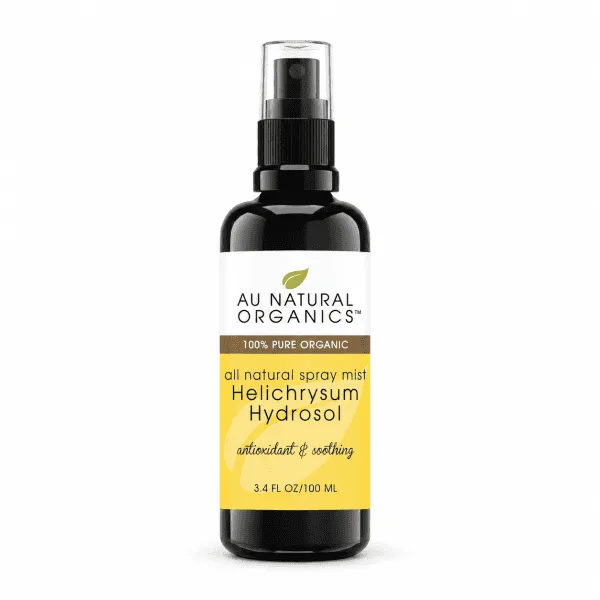
Helichrysum essential oil is pale yellow with a warm, honeyed, herbal scent and a curry-like edge. It naturally contains neryl acetate, alpha-pinene and italidiones, in proportions that vary by region. Helichrysum hydrosol is the gently scented water from the same distillation. The oil is used in small amounts in face oils and serums, and the hydrosol in toners and mists.
Sourcing & extraction
How helichrysum essential oil is sourced and extracted
Why it is rare
Helichrysum has one of the lower oil yields among flowers distilled on a commercial scale, often well under one kilogram of oil per tonne of plant. Much of it is still gathered from wild slopes, and yields swing from year to year with drought and fire.
How it is gathered
Helichrysum is typically harvested in early to mid summer, when most flowers are open, from both wild stands and newer plantations in Corsica, Croatia and Bosnia and Herzegovina. Pickers cut the flowering tops with sickles or small harvesters, leaving the woody base to sprout again. The fresh material is carried to local stills within hours, as distilling while fresh gives the fullest scent.
How it is made
Steam-distilled from flowering tops
- Flowering tops are cut in summer when most of the small yellow flower heads are fully open.
- The fresh flowers and stems are loaded into a still soon after cutting.
- Steam passes through the plant for several hours, carrying the volatile oil into the condenser.
- The oil is separated from the water, and the aromatic water is filtered and kept as helichrysum hydrosol.
How to use helichrysum essential oil
- Add a few drops to a diffuser for its aroma.
- For skin, dilute 1 to 2 drops in a teaspoon of carrier oil before applying.
- Keep away from eyes and never use undiluted on skin.
For external use only. Patch test on a small area before first use and stop if irritation occurs. If you are pregnant, nursing or have a medical condition, ask a healthcare professional before use.
From ingredient to routine
Products with Helichrysum
Find this ingredient in our collection.

Questions about Helichrysum
Where does Helichrysum come from?
Helichrysum is typically harvested in early to mid summer, when most flowers are open, from both wild stands and newer plantations in Corsica, Croatia and Bosnia and Herzegovina. Pickers cut the flowering tops with sickles or small harvesters, leaving the woody base to sprout again. The fresh material is carried to local stills within hours, as distilling while fresh gives the fullest scent.
How is Helichrysum extracted?
Steam-distilled from flowering tops. Flowering tops are cut in summer when most of the small yellow flower heads are fully open. The fresh flowers and stems are loaded into a still soon after cutting. Steam passes through the plant for several hours, carrying the volatile oil into the condenser. The oil is separated from the water, and the aromatic water is filtered and kept as helichrysum hydrosol.
Why is Helichrysum considered rare?
Helichrysum has one of the lower oil yields among flowers distilled on a commercial scale, often well under one kilogram of oil per tonne of plant. Much of it is still gathered from wild slopes, and yields swing from year to year with drought and fire.