The Ingredient Library
Ammi Visnaga
Ammi visnaga
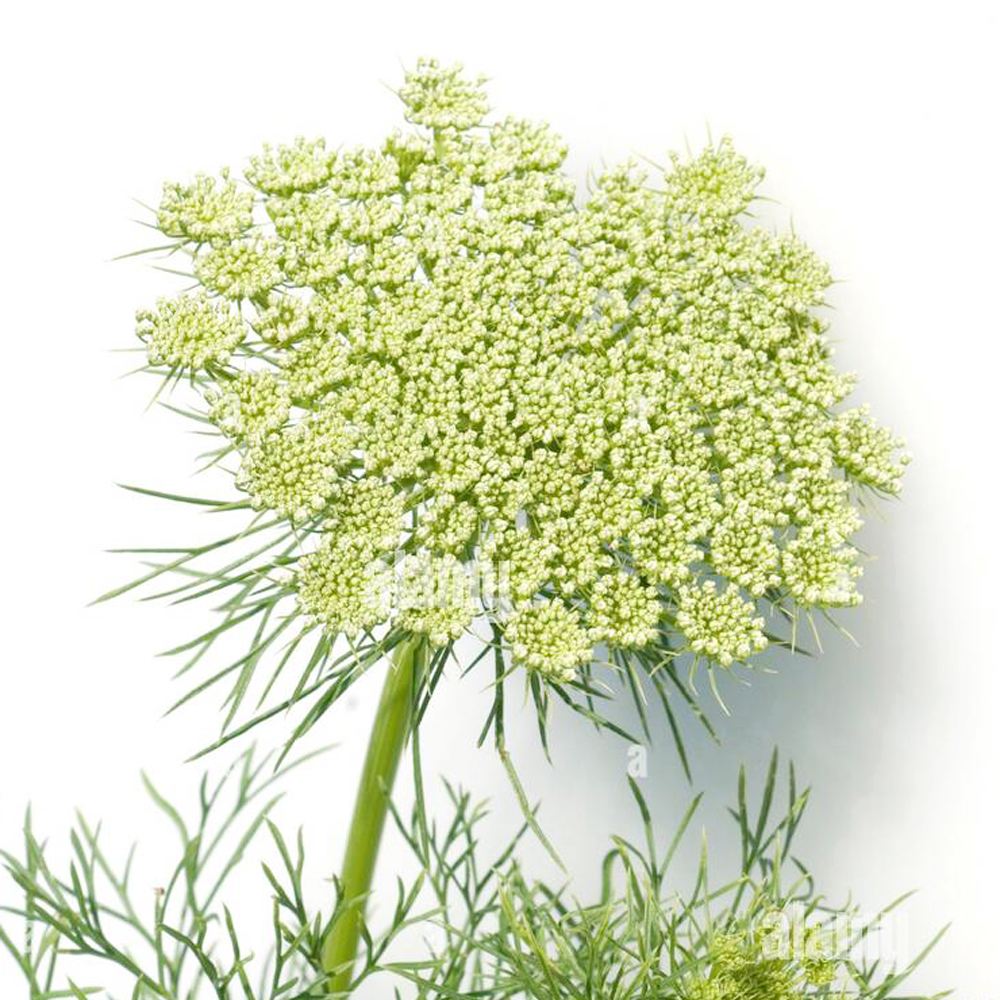
Ammi visnaga essential oil, also called khella, is steam distilled from the dried seeds of a white-flowered umbel plant that grows wild across Morocco and the southern Mediterranean.
Get to know Ammi Visnaga
- Source
- Seed
- Origin
- Morocco
- Extraction
- Steam distilled
- Aroma
- Sweet, herbal, earthy
What it is
Ammi Visnaga is an aromatic essential oil distilled from the plant.
Why it belongs in your routine
Sweet, herbal essential oil distilled from khella seeds grown in Morocco.
How to use
Always dilute in a carrier oil before it touches skin. Never use undiluted. Patch test first.
Where Ammi Visnaga comes from
Ammi visnaga, known as khella or toothpick weed, is an annual or biennial member of the carrot family that grows up to about a metre tall in fields, roadsides and dry grassland around the Mediterranean, especially in Morocco and Egypt. It carries broad, flat umbels of small white flowers. After flowering, the stalks of each umbel harden and draw inwards, and these stiff rays were long used as toothpicks, which gave the plant its common name.
Ammi visnaga essential oil is pale yellow and thin, with a sweet, soft, herbal and slightly fruity smell. Esters, particularly isoamyl 2-methylbutyrate and related compounds, usually make up the largest share, alongside linalool. It is used in small amounts in natural perfumes, massage oil blends and diffuser blends, where it adds a gentle green sweetness.
Sourcing & extraction
How Ammi Visnaga is sourced and extracted
Why it is rare
Only a small number of distillers, mostly in Morocco, produce khella essential oil. The seeds must be gathered by hand from plants that ripen unevenly across a short summer window, and the oil yield per kilo of seed is small, so production stays limited.
How it is gathered
Most Ammi visnaga for distillation grows wild or semi-wild on farmland in Morocco. In summer, once the umbels turn brown and the seeds are ripe, local harvesters cut the heads by hand and spread them to dry in the sun. The dried umbels are threshed to shake out the small ridged seeds, which are cleaned and bagged, then carried to a distillery, usually within the same region.
How it is made
Steam distilled from dried seed
- Dried seed is lightly crushed so that steam can reach the oil cells inside each small fruit.
- The crushed seed is loaded into the still and steam is passed through it for several hours.
- Steam carrying the aromatic compounds is cooled in a condenser and returns to liquid form.
- The essential oil separates from the water in a collecting vessel, is drawn off and then filtered.
How to use Ammi Visnaga
- Add a few drops to a diffuser for its aroma.
- For skin, dilute 1 to 2 drops in a teaspoon of carrier oil before applying.
- Keep away from eyes and never use undiluted on skin.
For external use only. Patch test on a small area before first use and stop if irritation occurs. If you are pregnant, nursing or have a medical condition, ask a healthcare professional before use.
From ingredient to routine
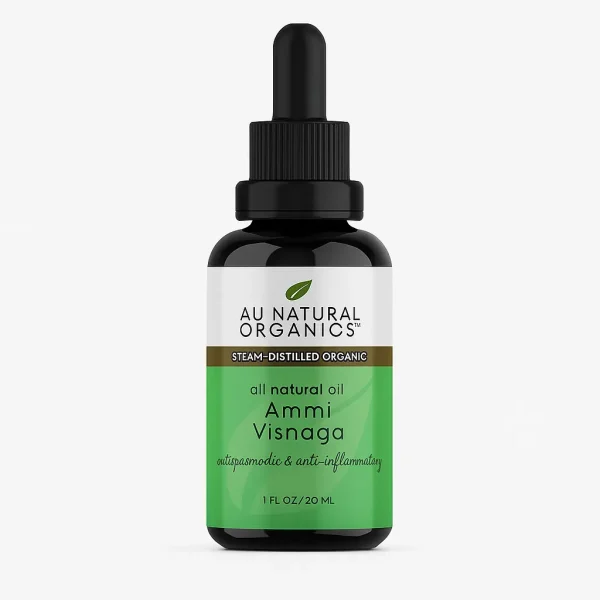
Products with Ammi Visnaga
Find this ingredient in our collection.
Questions about Ammi Visnaga
Where does Ammi Visnaga come from?
Most Ammi visnaga for distillation grows wild or semi-wild on farmland in Morocco. In summer, once the umbels turn brown and the seeds are ripe, local harvesters cut the heads by hand and spread them to dry in the sun. The dried umbels are threshed to shake out the small ridged seeds, which are cleaned and bagged, then carried to a distillery, usually within the same region.
How is Ammi Visnaga extracted?
Steam distilled from dried seed. Dried seed is lightly crushed so that steam can reach the oil cells inside each small fruit. The crushed seed is loaded into the still and steam is passed through it for several hours. Steam carrying the aromatic compounds is cooled in a condenser and returns to liquid form. The essential oil separates from the water in a collecting vessel, is drawn off and then filtered.
Why is Ammi Visnaga considered rare?
Only a small number of distillers, mostly in Morocco, produce khella essential oil. The seeds must be gathered by hand from plants that ripen unevenly across a short summer window, and the oil yield per kilo of seed is small, so production stays limited.