The Ingredient Library
Mango
Mangifera indica
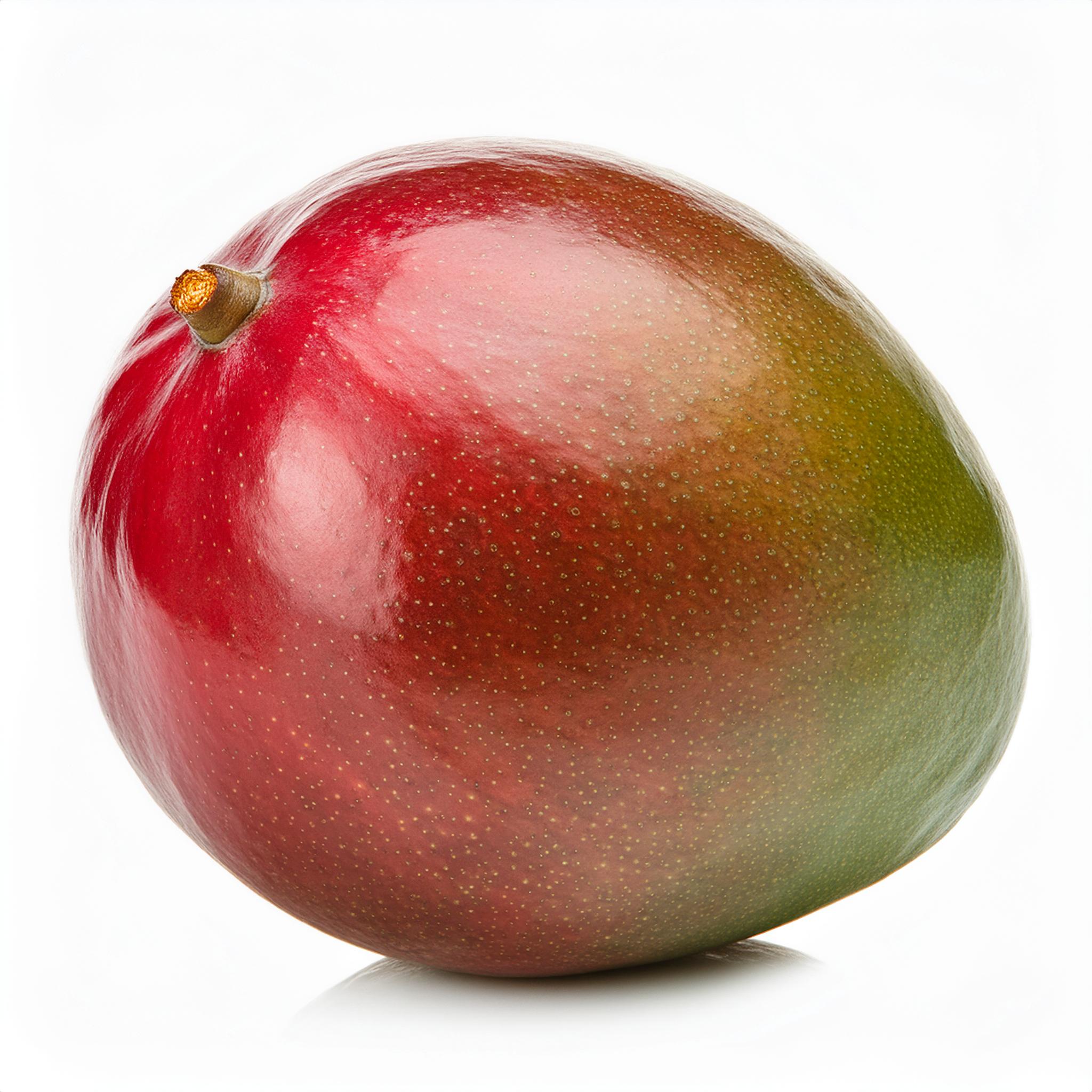
Mango butter is the fat taken from the kernel inside the mango stone. Most comes from India, where stones left over from pulp factories are cracked, dried and pressed.
Get to know mango butter
- Source
- Seed kernel
- Origin
- India
- Extraction
- Expeller-pressed
- Texture
- Firm, melts on skin
What it is
Mango is a rich plant butter used in body and hair care.
Why it belongs in your routine
Smooth, mild butter pressed from the kernel inside the mango stone.
How to use
Warm a small amount between your fingertips until it melts, then apply to dry areas.
Where does mango butter come from?
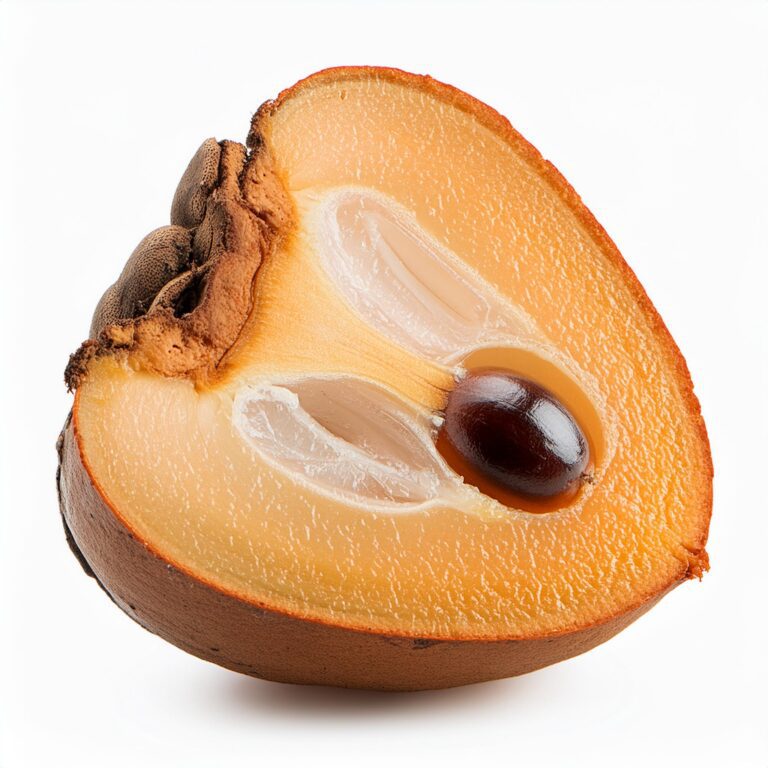
The mango tree, Mangifera indica, is native to South Asia and has been cultivated in India for thousands of years. A mature tree can grow 30 metres tall with a dense, rounded crown. Each fruit holds a single flat, fibrous stone, and inside the stone is a large kernel that contains fat. India grows more mangoes than any other country, which makes it the main source of mango butter.
Mango butter is creamy white to pale yellow and nearly odourless once refined. It is mostly stearic and oleic acids, which gives a firm butter that softens and melts on contact with warm skin. It is used in body butters, lip balms, soaps and hair creams, often as a lighter-feeling alternative or partner to shea and cocoa butter.
Sourcing & extraction
How mango butter is sourced and extracted
Why it is rare
Only the kernel inside the stone holds fat, typically around 8 to 12 percent, so tonnes of mango stones are needed for each tonne of butter. Supply follows the fruit season, and collecting stones from scattered processors takes work.
How it is gathered
Most mango butter starts with stones collected from Indian pulp, juice and pickle makers during the mango season, roughly March to July. The stones are usually gathered by local collectors, dried in the sun, then broken open, often by hand or with simple machines, to remove the kernels. The dried kernels are sold on to oil mills that specialise in tree-borne seed fats.
How it is made
Pressed from kernel, then refined
- Mango stones are collected from fruit processors and dried in the sun until the shell becomes brittle.
- The stones are split open to release the kernels, which are dried again and cleaned.
- The kernels are ground and the fat is removed in an expeller or by extraction at an oil mill.
- The crude fat is usually refined, bleached and deodorised to give a pale, near-odourless butter.
How to use mango butter
- Scoop a small amount and warm it between your fingertips.
- Massage into dry areas such as elbows, hands and feet, or the ends of your hair.
- Use it as a base for homemade balms and body butters.
For external use only. Patch test on a small area before first use and stop if irritation occurs. If you are pregnant, nursing or have a medical condition, ask a healthcare professional before use.
From ingredient to routine
Products with Mango
Find this ingredient in our collection.

Questions about Mango
Where does Mango come from?
Most mango butter starts with stones collected from Indian pulp, juice and pickle makers during the mango season, roughly March to July. The stones are usually gathered by local collectors, dried in the sun, then broken open, often by hand or with simple machines, to remove the kernels. The dried kernels are sold on to oil mills that specialise in tree-borne seed fats.
How is Mango extracted?
Pressed from kernel, then refined. Mango stones are collected from fruit processors and dried in the sun until the shell becomes brittle. The stones are split open to release the kernels, which are dried again and cleaned. The kernels are ground and the fat is removed in an expeller or by extraction at an oil mill. The crude fat is usually refined, bleached and deodorised to give a pale, near-odourless butter.
Why is Mango considered rare?
Only the kernel inside the stone holds fat, typically around 8 to 12 percent, so tonnes of mango stones are needed for each tonne of butter. Supply follows the fruit season, and collecting stones from scattered processors takes work.