The Ingredient Library
Tucuma
Astrocaryum vulgare
Tucuma butter and oil both come from the fruit of a spiny palm of the Brazilian Amazon and the Guianas: the firm white butter from the kernel, and an orange oil from the fibrous pulp.

Get to know Tucuma
- Source
- Kernel and fruit pulp
- Origin
- Brazilian Amazon, Guianas
- Extraction
- Pressed from kernel/pulp
- Texture
- Firm butter; rich oil
What it is
Tucuma is a rich plant butter used in body and hair care.
Why it belongs in your routine
Kernel butter and orange pulp oil from a spiny Amazonian palm.
How to use
Warm a small amount between your fingertips until it melts, then apply to dry areas.
Where Tucuma comes from
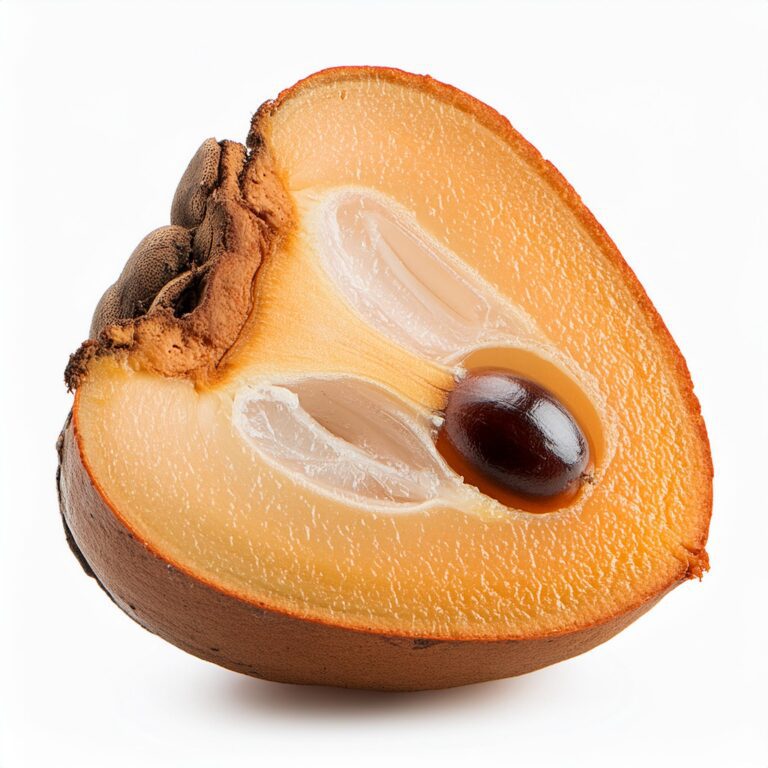
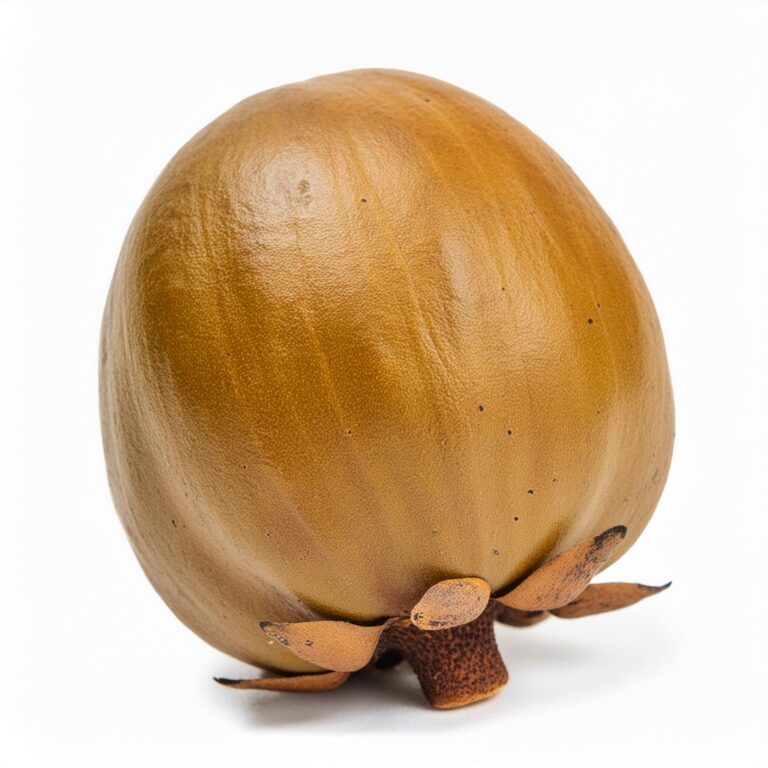
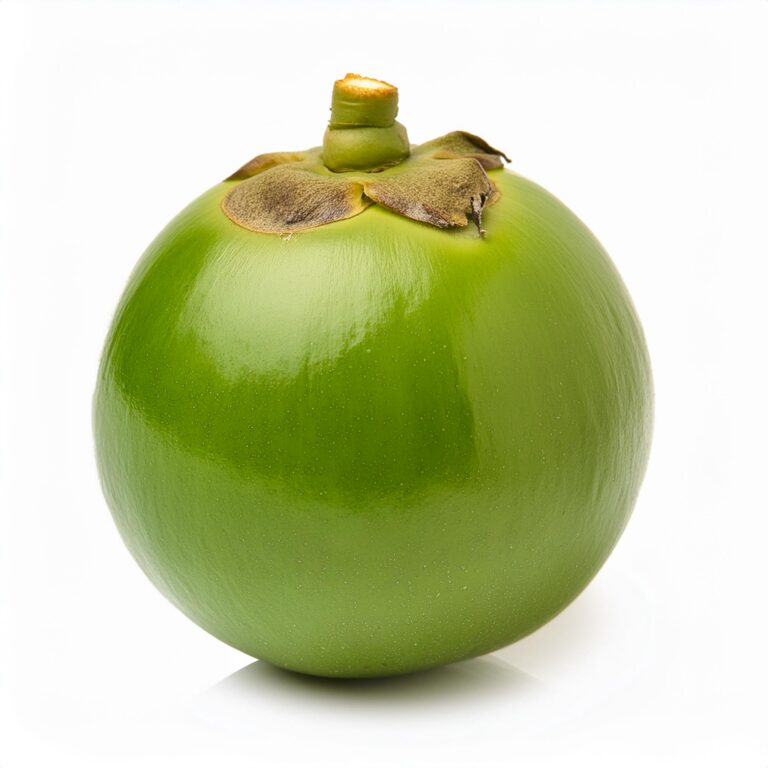
Tucuma, or tucumã, is a clustering palm that grows 10 to 15 metres tall, with trunks densely covered in flattened black spines up to 12 centimetres long. Astrocaryum vulgare is native to the Guianas and the northern Brazilian Amazon, especially Pará and Amapá, and it is common on sandy savanna and in secondary forest. Its bunches of egg-sized orange fruits hold a fibrous, oily yellow-orange pulp around a hard, dark seed.
Tucuma butter is a firm, off-white fat pressed from the kernel, high in lauric and myristic acids, which melts on contact with skin and is used in lip balms, soaps and hair masks. Tucuma pulp oil is a different product, orange and naturally rich in carotenoids, with a higher share of oleic acid. It is used in hair oils and body care.
Sourcing & extraction
How Tucuma is sourced and extracted
Why it is rare
The palm is almost entirely wild, and its spines make fruit collection awkward and slow. The kernels sit inside a very hard stone that must be cracked, and the pulp holds only around 14 to 16 percent oil when fresh.
How it is gathered
Tucuma fruit is typically gathered by riverside and rural communities in Pará, Amapá and nearby areas of the Amazon during the fruiting season. Collectors pick up fallen fruit from under wild palms, which is safer than climbing a spiny trunk. The fruit is sold to local buyers or cooperatives. The pulp is scraped off and sometimes eaten, and the dark stones are dried in the sun before being cracked for their kernels.
How it is made
Pressed from kernel and fruit pulp
- Fallen tucuma fruits are collected, washed, and the orange pulp is separated from the hard, dark stone.
- For the oil, the pulp is dried and pressed, and the orange oil is settled and filtered.
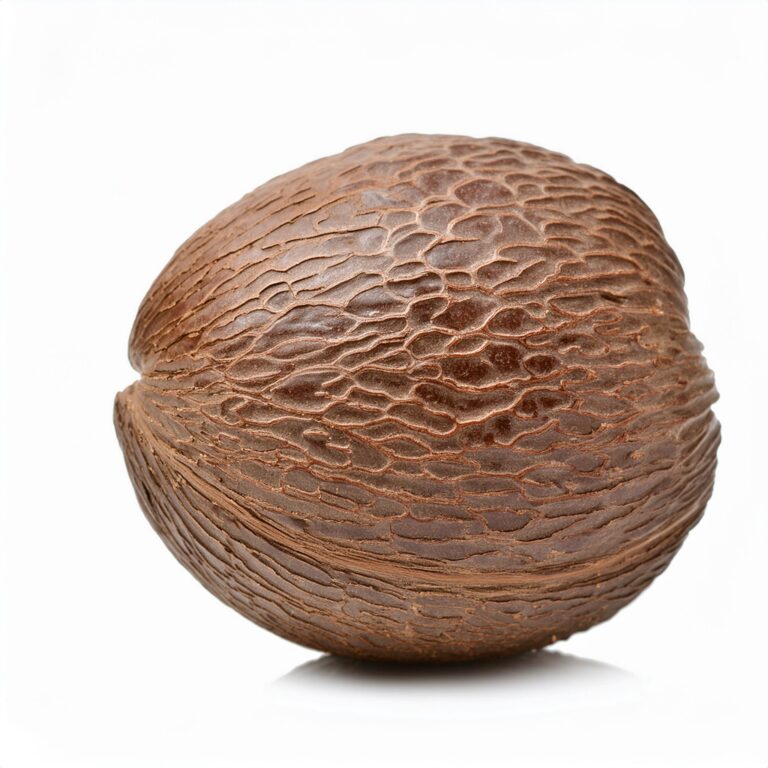
- For the butter, the stones are sun-dried and cracked to free the kernels, which are then dried further.
- The kernels are ground and pressed, and the fat is filtered and poured into moulds to set into firm butter.
How to use Tucuma
- Scoop a small amount and warm it between your fingertips.
- Massage into dry areas such as elbows, hands and feet, or the ends of your hair.
- Use it as a base for homemade balms and body butters.
For external use only. Patch test on a small area before first use and stop if irritation occurs. If you are pregnant, nursing or have a medical condition, ask a healthcare professional before use.
From ingredient to routine
Products with Tucuma
Find this ingredient in our collection.

Questions about Tucuma
Where does Tucuma come from?
Tucuma fruit is typically gathered by riverside and rural communities in Pará, Amapá and nearby areas of the Amazon during the fruiting season. Collectors pick up fallen fruit from under wild palms, which is safer than climbing a spiny trunk. The fruit is sold to local buyers or cooperatives. The pulp is scraped off and sometimes eaten, and the dark stones are dried in the sun before being cracked for their kernels.
How is Tucuma extracted?
Pressed from kernel and fruit pulp. Fallen tucuma fruits are collected, washed, and the orange pulp is separated from the hard, dark stone. For the oil, the pulp is dried and pressed, and the orange oil is settled and filtered. For the butter, the stones are sun-dried and cracked to free the kernels, which are then dried further. The kernels are ground and pressed, and the fat is filtered and poured into moulds to set into firm butter.
Why is Tucuma considered rare?
The palm is almost entirely wild, and its spines make fruit collection awkward and slow. The kernels sit inside a very hard stone that must be cracked, and the pulp holds only around 14 to 16 percent oil when fresh.