The Ingredient Library
Cacay
Caryodendron orinocense
Cacay oil is cold-pressed from the nuts of a rainforest tree of the Orinoco and Amazon basins, mostly grown in Colombia. It is a light oil high in linoleic acid and vitamin E.
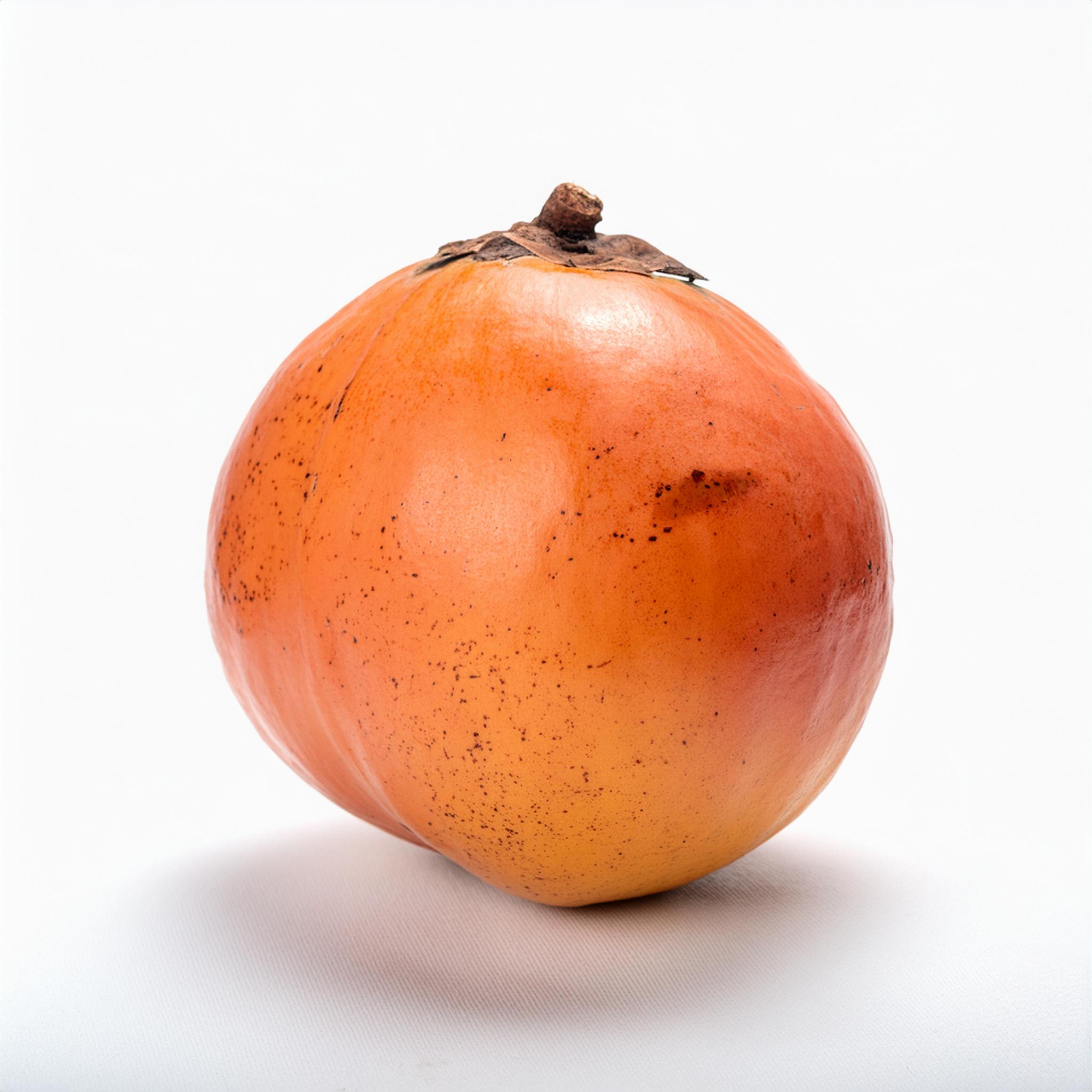
Get to know cacay oil
- Source
- Nut (kernel)
- Origin
- Colombia
- Extraction
- Cold-pressed
- Texture
- Light, dry
What it is
Cacay is a botanical carrier oil used in hair and skin care.
Why it belongs in your routine
Light Colombian nut oil, high in linoleic acid, used in face oils.
How to use
Warm a few drops between your palms and smooth over hair or skin. Patch test before use.
Where does cacay oil come from?
Cacay oil, also called kahai oil, comes from Caryodendron orinocense, a tree native to the Orinoco and Amazon river basins of Colombia, Venezuela, Ecuador, Peru and Brazil. In the forest it can reach 30 to 40 metres, though planted trees stay nearer 15 metres. Its woody fruit capsules each hold three nuts with a mild flavour, eaten locally roasted. Trees begin bearing at four to seven years.
The oil is pale yellow to greenish, thin and almost odourless. It is high in linoleic acid, typically around two thirds of its fatty acids, with oleic acid and naturally occurring vitamin E. It absorbs quickly and leaves a dry, soft finish, which is why cacay oil is used mainly in face oils and serums, and also in light hair oils.
Sourcing & extraction
How cacay oil is sourced and extracted
Why it is rare
Cacay nuts hold plenty of oil, but the tree has only recently been planted at any scale, mainly in Colombia's eastern plains. Production is small compared with common nut oils, and each fruit yields just three small nuts to crack and sort.
How it is gathered
Cacay is grown in Colombia across the Andean foothills, the eastern plains known as the Llanos Orientales and the Amazon region. Much of the supply comes from planted groves and farms, with some fruit gathered from wild trees. The ripe fruits fall to the ground and are collected by hand, then dried so the capsules split and release their nuts. The nuts are cleaned, shelled and taken to local pressing facilities.
How it is made
Cold-pressed from the nut
- Fallen fruits are gathered by hand and dried so the capsules open and the three nuts can be removed.
- The nuts are cracked and the kernels sorted to remove shell fragments and damaged pieces.
- Kernels are pressed in a screw press without added heat, releasing a pale greenish-yellow oil.
- The oil is filtered to remove fine particles and stored in sealed containers before bottling.
How to use cacay oil
- Start with a few drops and warm them between your palms.
- Massage into clean skin, or work through the lengths of damp or dry hair.
- Use on its own, or add a few drops to your moisturizer or conditioner.
For external use only. Patch test on a small area before first use and stop if irritation occurs. If you are pregnant, nursing or have a medical condition, ask a healthcare professional before use.
From ingredient to routine
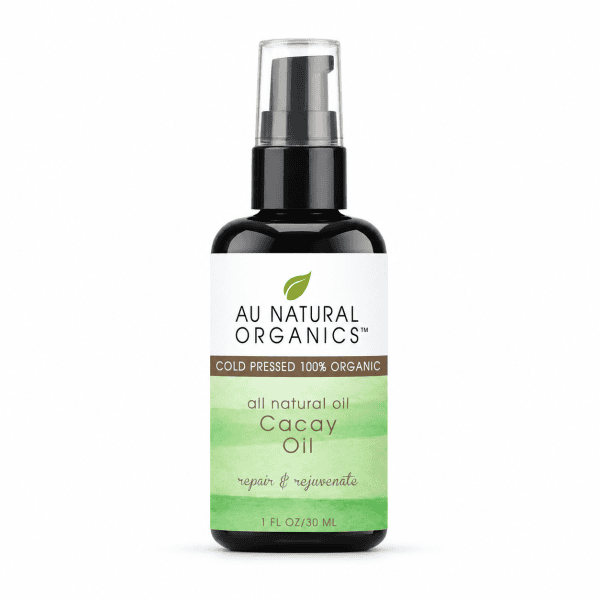
Products with Cacay
Find this ingredient in our collection.
Questions about Cacay
Where does Cacay come from?
Cacay is grown in Colombia across the Andean foothills, the eastern plains known as the Llanos Orientales and the Amazon region. Much of the supply comes from planted groves and farms, with some fruit gathered from wild trees. The ripe fruits fall to the ground and are collected by hand, then dried so the capsules split and release their nuts. The nuts are cleaned, shelled and taken to local pressing facilities.
How is Cacay extracted?
Cold-pressed from the nut. Fallen fruits are gathered by hand and dried so the capsules open and the three nuts can be removed. The nuts are cracked and the kernels sorted to remove shell fragments and damaged pieces. Kernels are pressed in a screw press without added heat, releasing a pale greenish-yellow oil. The oil is filtered to remove fine particles and stored in sealed containers before bottling.
Why is Cacay considered rare?
Cacay nuts hold plenty of oil, but the tree has only recently been planted at any scale, mainly in Colombia's eastern plains. Production is small compared with common nut oils, and each fruit yields just three small nuts to crack and sort.