The Ingredient Library
Coriander Seed
Coriandrum sativum
Coriander seed oil is a carrier oil cold-pressed from the round seeds of the coriander plant. It is unusual for its high petroselinic acid content, which gives it a soft, silky feel.

Get to know Coriander Seed
- Source
- Seed (fruit)
- Origin
- Eastern Europe and Asia
- Extraction
- Cold-pressed
- Texture
- Soft, silky
What it is
Coriander Seed is a botanical carrier oil used in hair and skin care.
Why it belongs in your routine
Silky carrier oil pressed from coriander seeds, rich in petroselinic acid.
How to use
Warm a few drops between your palms and smooth over hair or skin. Patch test before use.
Where Coriander Seed comes from
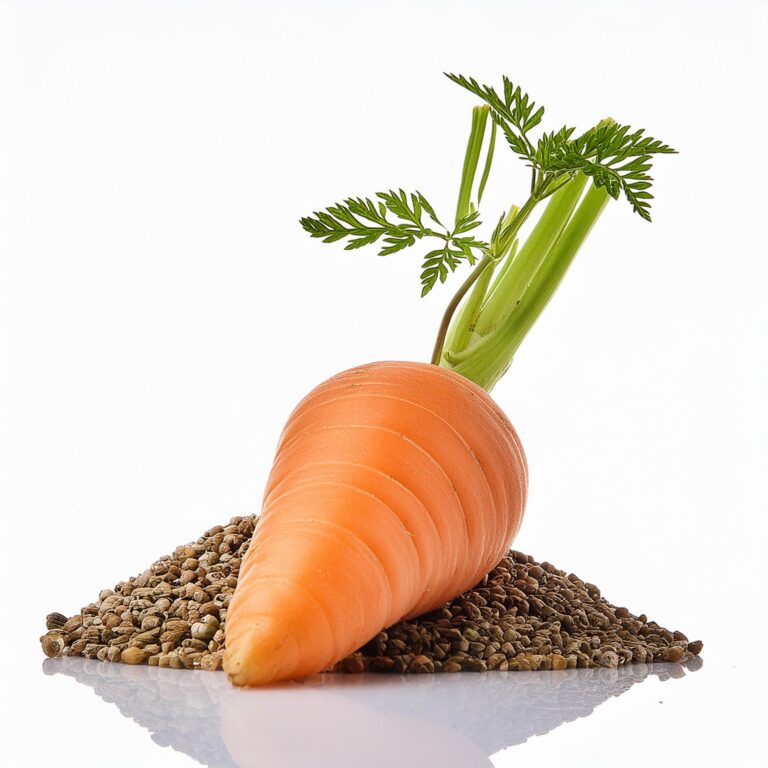
Coriander seed oil comes from Coriandrum sativum, an annual herb of the parsley family, grown for both its leaves, often called cilantro, and its seeds. The plant reaches around 50 centimetres to a metre and carries small umbels of white to pale pink flowers. These ripen into round, ribbed, straw-coloured fruits usually called seeds. Large seed crops are grown in Russia, Ukraine, India and Morocco.
Unlike coriander essential oil, this is a fatty carrier oil. It is pale yellow with only a faint spicy scent. Its main fatty acid is petroselinic acid, often around 65 to 75 percent, a fatty acid found in few oils outside the parsley family. It feels soft and silky, absorbs well and is used in face oils, body oils and creams.
Sourcing & extraction
How Coriander Seed is sourced and extracted
Why it is rare
Coriander seeds contain only a modest share of fatty oil, and most of the world crop goes to the spice trade. Pressing coriander for its fatty oil is a recent, small-scale use compared with its essential oil.
How it is gathered
Coriander is sown in spring and the seed is harvested in mid to late summer, when the fruits turn from green to brown. On large farms in Eastern Europe the crop is cut and threshed by combine; smaller growers in India and Morocco still cut and dry it in bundles. The seed is cleaned, dried and graded. A small share of the crop is then set aside for pressing into carrier oil rather than sold as spice.
How it is made
Cold-pressed from the seed
- Ripe coriander plants are cut and threshed to separate the round seeds from the stems.
- The seeds are cleaned of dust and plant debris, then dried to a low moisture level.
- A screw press crushes the seeds without added heat, releasing a pale yellow fatty oil.
- The oil is settled and filtered to remove seed particles, then stored in sealed containers.
How to use Coriander Seed
- Start with a few drops and warm them between your palms.
- Massage into clean skin, or work through the lengths of damp or dry hair.
- Use on its own, or add a few drops to your moisturizer or conditioner.
For external use only. Patch test on a small area before first use and stop if irritation occurs. If you are pregnant, nursing or have a medical condition, ask a healthcare professional before use.
From ingredient to routine
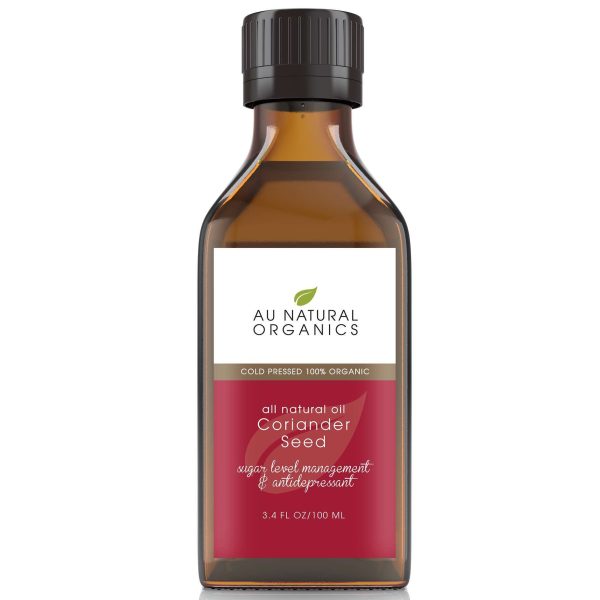
Products with Coriander Seed
Find this ingredient in our collection.
Questions about Coriander Seed
Where does Coriander Seed come from?
Coriander is sown in spring and the seed is harvested in mid to late summer, when the fruits turn from green to brown. On large farms in Eastern Europe the crop is cut and threshed by combine; smaller growers in India and Morocco still cut and dry it in bundles. The seed is cleaned, dried and graded. A small share of the crop is then set aside for pressing into carrier oil rather than sold as spice.
How is Coriander Seed extracted?
Cold-pressed from the seed. Ripe coriander plants are cut and threshed to separate the round seeds from the stems. The seeds are cleaned of dust and plant debris, then dried to a low moisture level. A screw press crushes the seeds without added heat, releasing a pale yellow fatty oil. The oil is settled and filtered to remove seed particles, then stored in sealed containers.
Why is Coriander Seed considered rare?
Coriander seeds contain only a modest share of fatty oil, and most of the world crop goes to the spice trade. Pressing coriander for its fatty oil is a recent, small-scale use compared with its essential oil.